Table of Contents
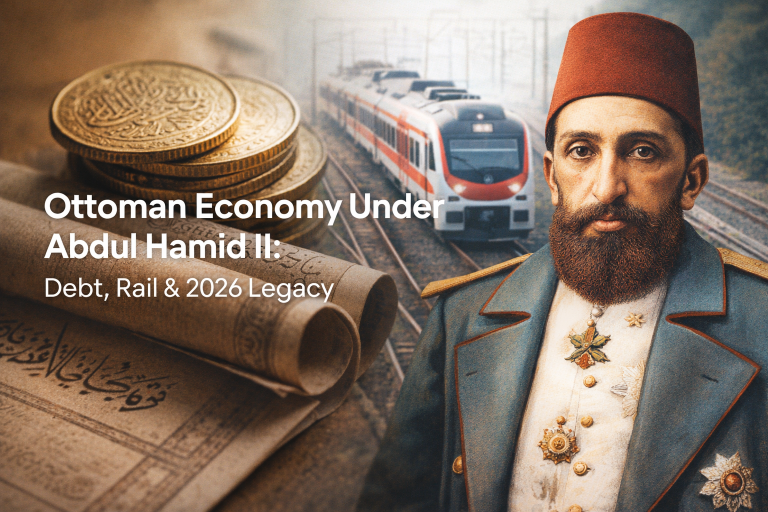
The Hejaz Railway is one of the most important achievements of the era of Sultan Abdul Hamid II and the late Ottoman Empire. By linking the provinces of the empire, especially the Levant and the Hijaz, the railway reduced the overland journey between Damascus and Medina from about 40 days to roughly 5 days, transforming pilgrimage and travel across the region.
The main objective of the Hejaz Railway was to link the capital of the Islamic Caliphate, Istanbul, with Medina and the rest of the Ottoman domains, in order to facilitate the movement of pilgrims, soldiers and travelers and to strengthen political, economic and religious ties within the empire.

History of the Hejaz Railway
The idea of the Hejaz Railway first began to take shape in 1864 during the era of Sultan Abdulaziz I, but the project faced many engineering, financial and technical difficulties that delayed its implementation.
When Sultan Abdul Hamid II ascended the throne of the Ottoman Empire, he strongly promoted the idea of Islamic unity and saw the Hejaz Railway as a practical way to connect the Ottoman states, strengthen the Caliphate, and serve pilgrims heading to the Two Holy Mosques.
In 1900, the Sultan issued his orders to begin establishing the new Hejaz Railway and entrusted the general supervision of the project to Ahmed Izzat Pasha al-Abed.
The project aimed to build a railway network linking the Anatolia Railway and the Baghdad Railway to the Hijaz and the Levant, so that a traveler could eventually ride a train all the way from Istanbul to Damascus and on to Medina, with an ultimate plan to extend the line to Mecca and then Jeddah.
The plan also included laying a telegraph line along the railway to facilitate communication between the provinces of the Ottoman Empire and strengthen central control.
The Sultan decided that the Hejaz Railway, which would be linked to the Anatolia Railway, should begin effectively in Damascus, pass through Amman in Jordan, Tabuk and Mada’in Saleh, and reach Medina. Medina would then be connected to Mecca and from there to the port of Jeddah.

The goals of establishing the Hejaz Railway
There were many motives behind establishing the Hejaz Railway. Its objectives can be divided into religious, economic, military, and political dimensions.
Religious
The main objective of the Hejaz Railway was to serve Muslim pilgrims by providing a safe, fast and convenient way to travel to the holy cities, protecting them from bandits, thirst, and the harsh conditions of desert caravans.
The project also aimed to increase the number of pilgrims able to perform Hajj and Umrah. By greatly reducing the cost and risk of the journey, the Hejaz train was expected to encourage many more Muslims to travel to Mecca.
Economic
The Hejaz Railway promised major economic benefits by creating a commercial renaissance in the cities of the Levant and the Hijaz located along the line. The railway enabled agricultural and industrial products to be transported more quickly and cheaply to other regions of the empire.
In addition, linking the Hejaz Railway to the port of Jeddah, as originally planned, was expected to give a strong boost to trade in Jeddah, which was one of the most important ports on the Red Sea at that time.

Military
One of the most important benefits of the Hejaz Railway was its military value. The train made it possible to move troops, weapons, and supplies quickly across great distances, strengthening the empire’s ability to defend its distant provinces.
The transport of soldiers and war equipment by rail was expected to make a strong contribution to protecting the Hijaz, Mecca, Medina and even Yemen from external threats, by allowing rapid reinforcement from the imperial center.
Political
Sultan Abdul Hamid II sought to give the Ottoman state greater independence from European powers and to unify Muslims through the idea of Islamic unity, rejecting ethnic and national fanaticism in order to confront the ambitions of imperialist and colonial states.
By building the Hejaz Railway and linking the provinces of the empire more closely, the Sultan aimed to strengthen loyalty among Ottoman subjects. The railway was a tangible sign that the state cared about all its provinces, from the Balkans to the Arabian Peninsula, in much the same spirit that inspired reforms in the Ottoman school system and other modernization projects.

Financing the Hejaz Railway project
The Hejaz Railway project was extremely expensive. Its budget amounted to about 18% of the total budget of the Ottoman Empire, or roughly 4 million Ottoman liras.
Based on historical estimates, the cost of the project is often expressed as the equivalent of about 30,000 kilograms of gold. At gold prices in late 2025 (around US$136,000 per kilogram), this would be roughly US$4.1 billion in today’s money, illustrating the enormous scale of the investment for its time.
Sultan Abdul Hamid II was determined to implement the project without borrowing from foreign creditors, as the state was already burdened with many debts, including those of the Anatolian Railway and Baghdad Railway projects.
The Caliph appealed to the Islamic world to donate in order to complete the project. The donation campaign was launched in May 1900 with a generous contribution from the personal funds of Sultan Abdul Hamid II in the amount of 350,000 Ottoman liras, and the Khedive of Egypt, Abbas Hilmi II, donated building materials.
Pashas of the state, civil servants, merchants, soldiers and ordinary Muslims from across the Islamic world all contributed significant sums. The campaign was one of the most successful fundraising efforts of its era.
During Kurban Bayram (Eid al-Adha), sacrificial skins were collected and sold, and their proceeds were transferred to the railway budget. In addition, 10% was deducted from the salaries of state employees to support the project.
The state also issued special postage stamps to be used in government transactions, with their revenue directed to the railway. A tax of five kuruş was imposed on all males as another dedicated source of funding.
Donations ultimately covered about two-thirds of the total cost of building the railway and turned the Hejaz Railway into a rare example of a large, transnational infrastructure project financed primarily by voluntary contributions from the Muslim world.

The construction of the Hejaz Railway
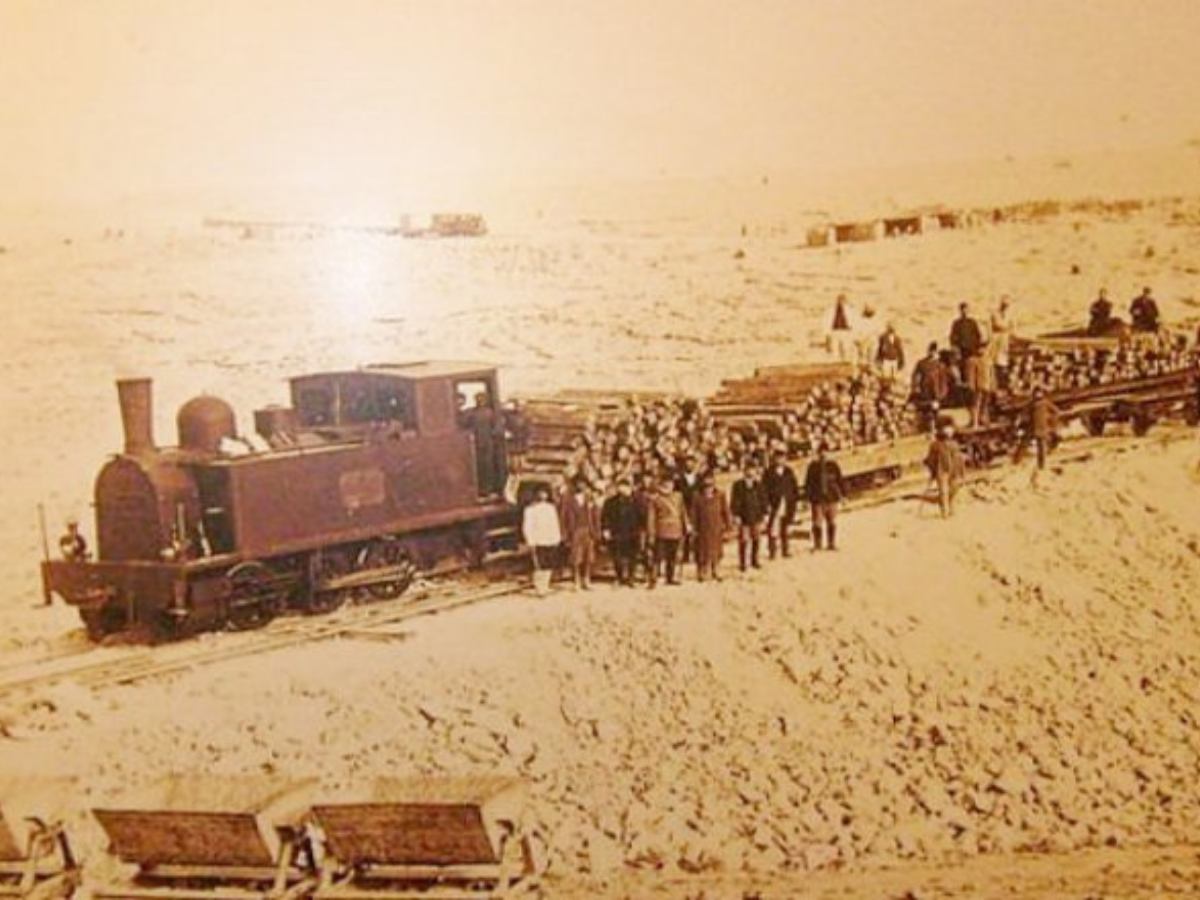
Construction officially began on May 1, 1900. Work on the section between Damascus and Daraa started on September 1 of the same year, in a ceremony marking the 25th anniversary of Sultan Abdul Hamid II’s accession to the throne.
Engineering work was headed by a German engineer, under whom 34 German and Ottoman engineers worked, alongside Italian, French and Belgian specialists.
Labor on the line depended mainly on soldiers of the Ottoman army. The number of workers is estimated at between 5,000 and 7,000 Ottoman soldiers, with some volunteers coming from other provinces.
At its peak, about 6,000 soldiers were working permanently on the railway, supported by some 200 engineers.
To reduce expenses, the state paid soldiers a low wage but compensated them by reducing their conscription period by one year if they participated in construction work.
In 1903, the Hejaz Railway reached Amman; in 1904 it reached Ma’an, and the first train journey between Damascus and Ma’an departed in 1905.
On August 31, 1908, the railway finally reached Medina. The section in Medina was built only by Muslim workers and engineers, without the participation of German engineers, in deference to the sanctity of the holy city.

Difficulties faced by the Hejaz Railway
The Hejaz Railway faced many natural and technical obstacles. The most serious problem was the shortage of water along long stretches of the route in the Hijaz desert.
This problem was addressed by drilling wells and using air and steam pumps to draw water. Some sections of the railway, once completed, were used temporarily to transport water tanks to construction sites.
Floods also posed a major challenge during both construction and operation. To deal with them, embankments and protective banks were built along parts of the line.
Another serious issue was moving sand, which threatened to bury the tracks. Ottoman engineers mitigated this by covering the ground under and around the tracks with a layer of clay and by building stone barriers parallel to the line in exposed areas.
Hejaz Railway stations
There were many stations along the Hejaz Railway. The distance between stations was usually around 20 kilometers, and sometimes less.
These relatively short distances were intended to protect the line, allow regular inspection and maintenance, and create small urban centers where trains could stop for rest, refueling and water. Many stations therefore had wells and reservoirs to ensure a reliable water supply.
Damascus station
The main Hejaz Railway station in Damascus was designed in an ornate style inspired by Andalusian architecture, symbolizing the cultural prestige of the project. It was the northern gateway of the line for pilgrims heading to the Two Holy Mosques.

Amman station
The Amman station, located about 222 km from the main starting station in Damascus, became one of the most important stops on the Hejaz line. It included five sub-lines, a workshop for the maintenance of locomotives and wagons, as well as administrative offices.
Tabuk station
Tabuk station was one of the main stations of the Hejaz Railway. It consists of 13 buildings arranged along a straight line parallel to the tracks, built on an area of about 80,000 square meters.
The station buildings, constructed of local stone, included a hospital, rest house and quarantine facility. As of 2025, the historic Tabuk railway station has been restored several times and functions as a museum and cultural attraction in the center of Tabuk city, open to visitors who wish to explore the heritage of the line.
Mada’in Saleh station
The Mada’in Saleh station occupied a strategic location. It contained an engine repair workshop, warehouses, guard buildings, staff housing and rest facilities, making it one of the most important technical and logistical hubs on the route.
Medina station
Medina was the last major station of the Hejaz Railway. It was built in a distinctive architectural style and included a depot capable of housing 12 steam locomotives, as well as the largest water tank along the line. The station lies only about 1 km from the Prophet’s Mosque.
The line was officially inaugurated in 1908. Today, the historic station building operates as the Hejaz Railway Museum in Medina. As of 2025, the museum comprises 19 halls that showcase the history of Medina from pre-Islamic times through the Prophet’s era, the Rightly Guided Caliphs, later Islamic dynasties and the Saudi period. It also features dedicated exhibitions on the Hejaz Railway, including artifacts, manuscripts and parts of the original trains.
Several historic train cars at the Medina station have been restored, and 12 of them have been converted into restaurants for visitors. The museum is open from Saturday to Thursday, with morning hours from 8:00 AM to 1:00 PM and evening hours from 4:00 PM to 9:00 PM, and admission is free.
Hejaz Railway bridges
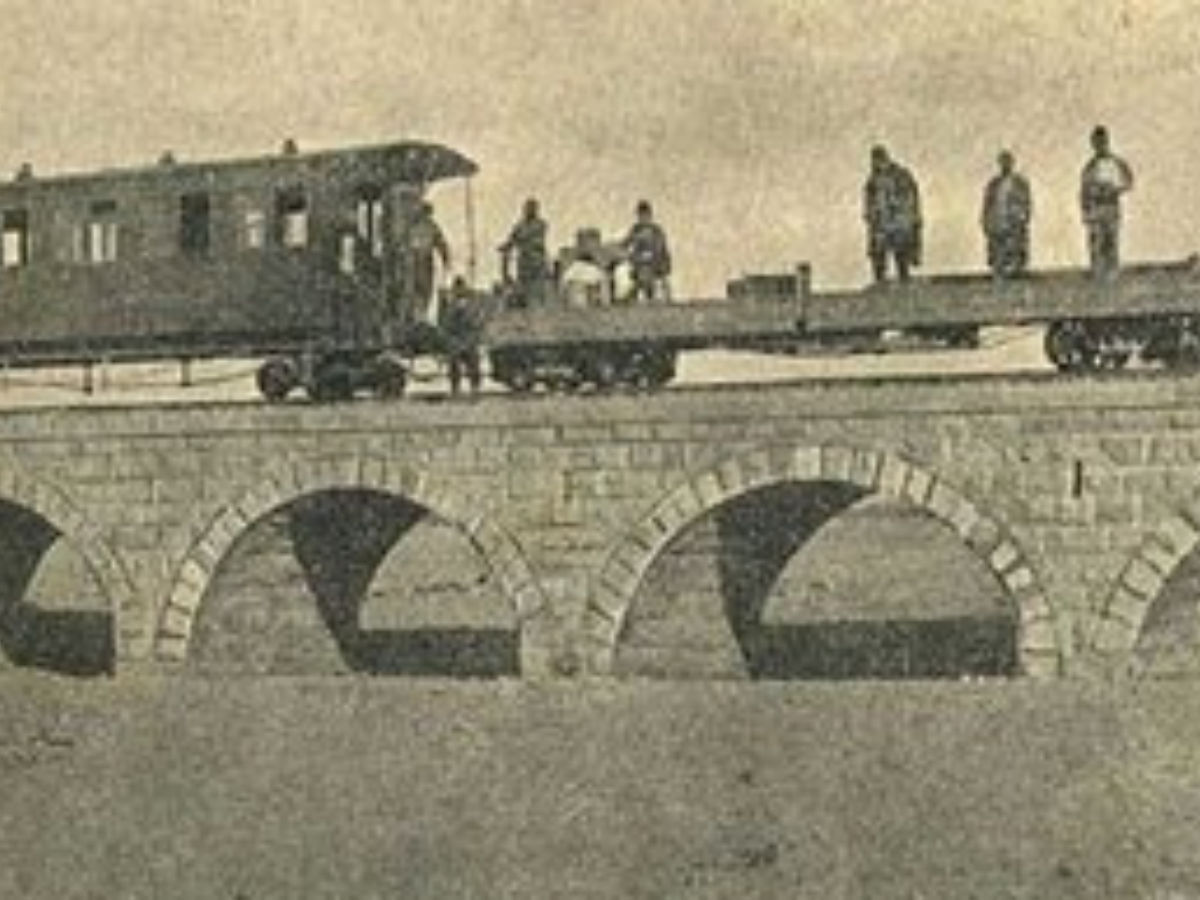
Around 2,000 bridges of various sizes were constructed along the Hejaz Railway. Local stone and granite were used, due to the difficulty of transporting and importing concrete over long distances in the desert.
The bridges were generally built in the form of arches, which provided strength and stability. The most famous of these are the rugged bridges located east of Amman, which remain among the most impressive surviving engineering works of the line.

Hejaz line trains and wagons
Many different companies built locomotives and rolling stock for the Hejaz Railway. Among the most prominent were the German companies “Sächsische Maschinenfabrik,” “August Borsig,” and “Arnold Jung Lokomotivfabrik.”
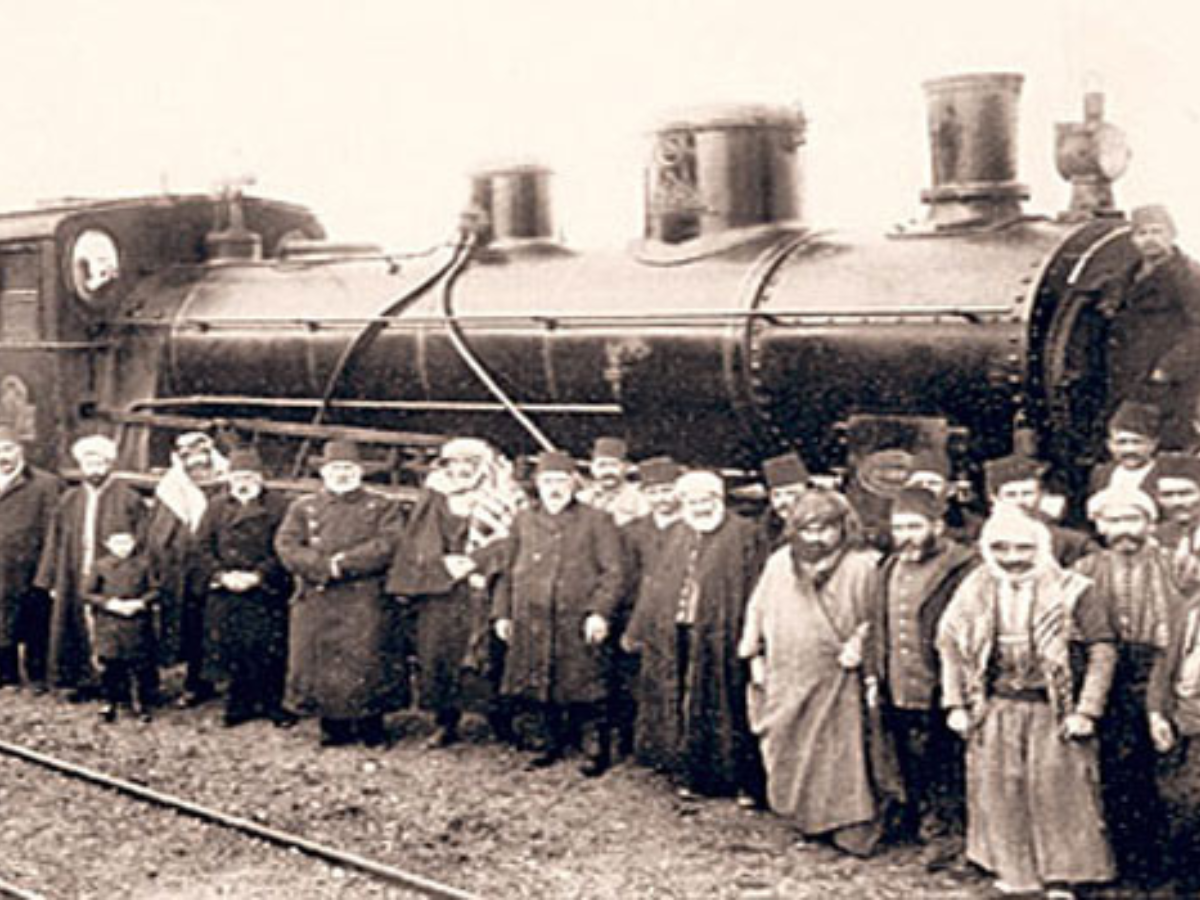
At its peak, the Hejaz Railway owned around 132 steam locomotives and about 1,700 carriages and wagons. Carriages were fitted with ablution facilities and a prayer area, as well as spaces for dining, in keeping with the religious nature of the route.
Over time, diesel locomotives were added on surviving sections of the line in Syria and Jordan. As of 2025, original Hejaz Railway locomotives and carriages are preserved mainly in museums and heritage sites, such as the Hejaz Railway Museum in Medina and the restored station in Tabuk, while modern trains operate over some rehabilitated segments of the historic route.
The opening ceremony of the Hejaz Railway
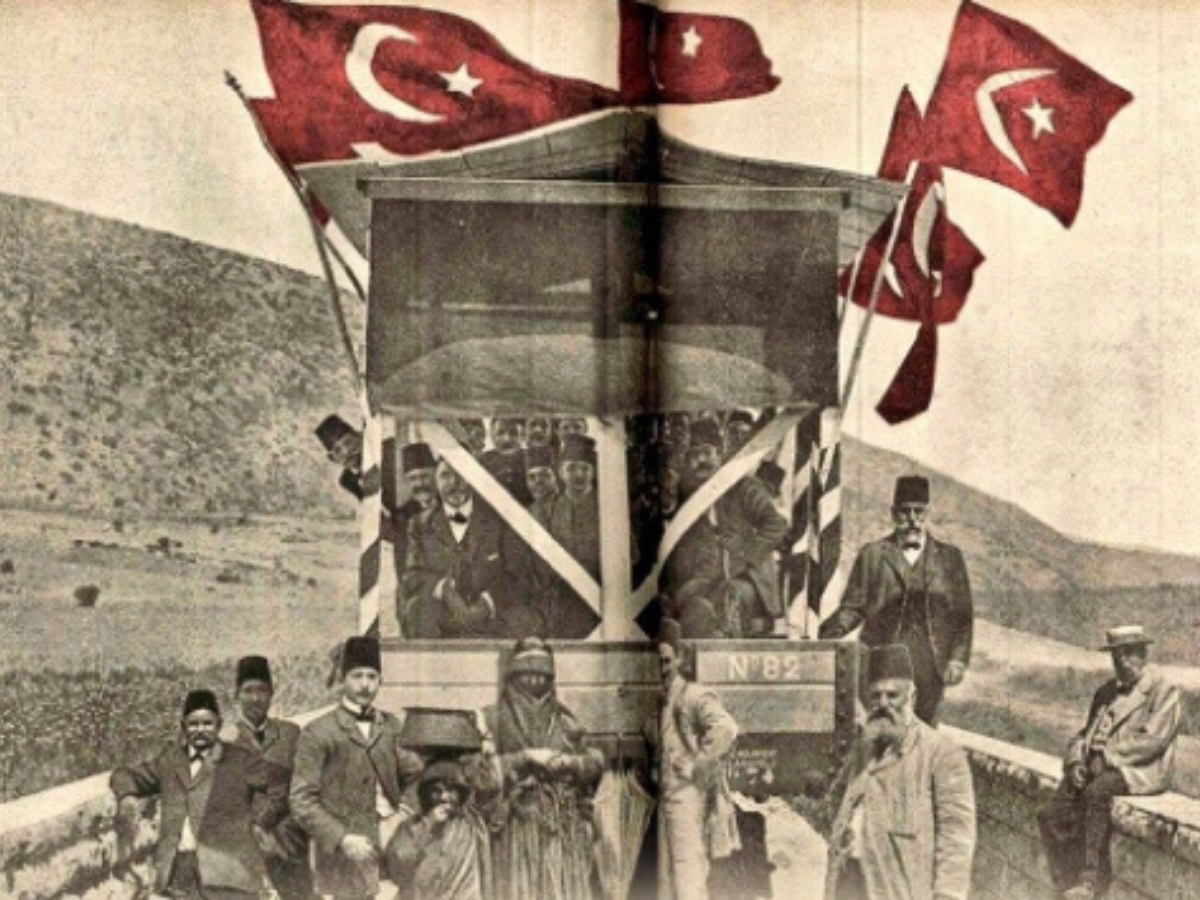
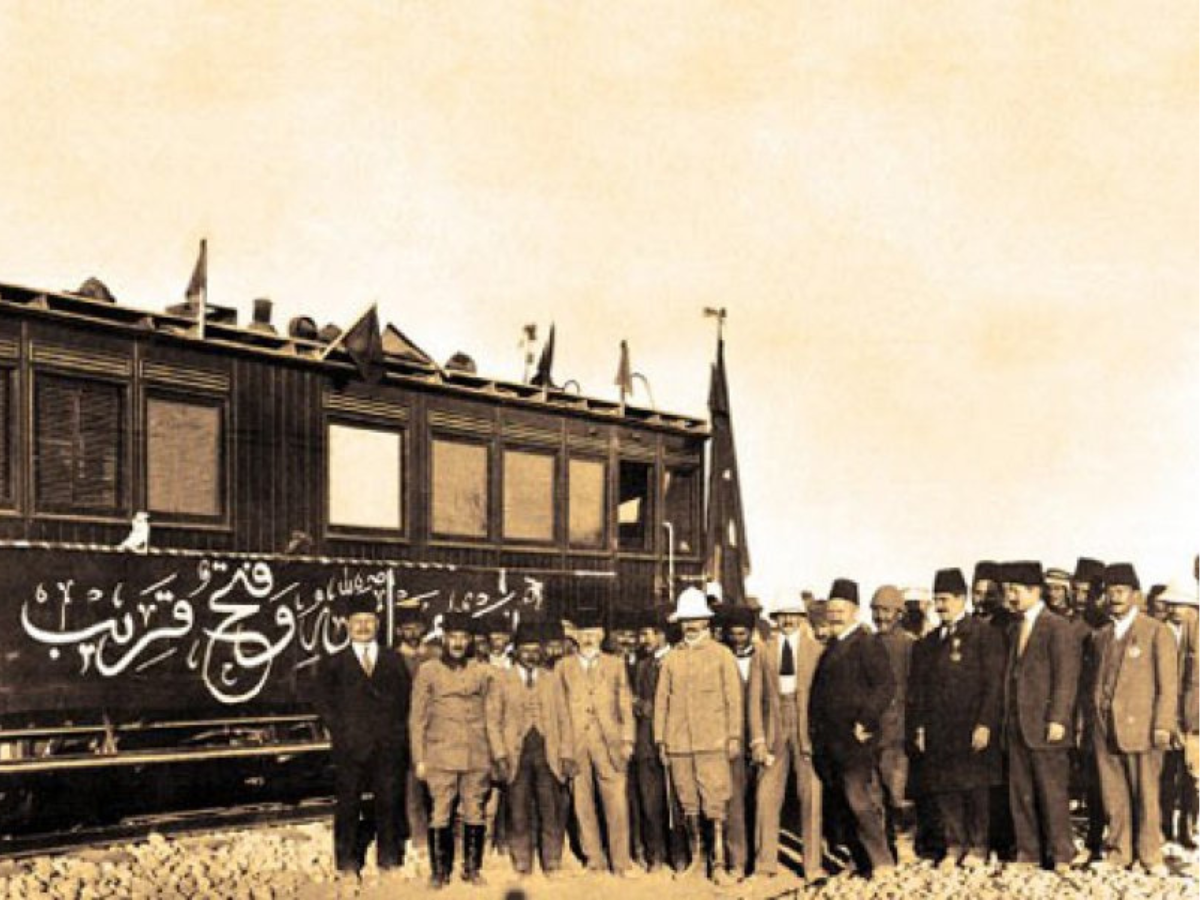
On the twenty-second of Rajab 1326 AH, corresponding to August 23, 1908 CE, the first official train arrived from Damascus to Medina after covering the distance in about 5 days.
The grand opening ceremony was postponed for a week after the arrival of the first train so that it would coincide with the anniversary of Sultan Abdul Hamid II’s accession to the Ottoman throne. The official ceremony therefore took place on September 1, 1908.
The celebrations were accompanied by the lighting of Medina with electricity for the first time. The Caliph ordered that the Prophet’s Mosque be illuminated on the day of the opening. Electricity and telegraph lines were extended alongside the railway, further integrating Medina into the modern world.
After that date, Medina became an independent governorate directly linked to the Ottoman Interior Ministry, reflecting its strategic and religious importance.
The working period of the Hejaz Railway
The Hejaz Railway had a profound impact on the regions it crossed. Its use was not limited to Muslims; non-Muslims were allowed to use most stations and trains, although entry to Medina itself remained prohibited for non-Muslims.
The line initially transported around 30,000 pilgrims per year, and by 1914 this number had risen to about 300,000 pilgrims annually, with three trains a week running between Medina and Damascus during the peak season.
In addition to pilgrims, the railway was used to transport money, soldiers and goods between regions and provinces, contributing to an economic boom in many of the towns and cities along its route. Cities such as Haifa gained particular importance due to their connection with the line and their ports.
The departure times and schedules of the Hejaz Railway took prayer times into account. Trains were scheduled to stop at appropriate times so that passengers could perform their prayers, and special cars were designated for prayer.
The Hejaz Railway shortened the journey between Damascus and Medina from about 40 days to only 5 days. In terms of pure travel time, the train could make the journey in roughly 72 hours, but frequent stops at stations and the need to change locomotives extended the trip by an additional two days.
The line also contributed to the gradual settlement of some Bedouin tribes, as new urban communities formed around stations and maintenance points.
The Hejaz Railway continued to operate effectively until 13 Jumada al-Awwal 1336 AH, corresponding to Wednesday, September 18, 1918, when the last train reached Medina under the command of Captain Mahboob Ali al-Husayni al-Madani.
For about a decade, the Hejaz Railway served the subjects of the Ottoman Empire, Muslims and pilgrims alike. The cities along the line witnessed significant prosperity, and the Hajj journey became easier, faster and less dangerous.

Destruction of the Hejaz Railway
With the beginning of the First World War, and following a decision by the Arab Bureau in the British Foreign Office, Sharif Hussein announced the so-called Arab Revolt, which played a major role in sabotaging and destroying the Hejaz Railway.
The British officer T. E. Lawrence provided explosives and demolition expertise to the rebels, enabling them to blow up tracks, bridges and tunnels in order to cut supply lines to the Ottoman forces besieged in Mecca and Medina.
Rebel operations targeted the railway to isolate the Ottoman garrison in Medina under the command of Fakhri Pasha. Medina endured a siege lasting about two years and seven months, one of the longest in modern history.
Rebel forces cooperating with the British also destroyed telegraph lines, cutting communication between Ottoman soldiers, allied Arab tribes and the rest of the empire.
The Ottoman government eventually ordered Fakhri Pasha to surrender in the context of the empire’s defeat in the First World War. He refused to obey for a long time and continued to defend Medina until hunger and disease severely affected his soldiers, who finally persuaded him to capitulate. He was taken by force to the tent prepared for the surrender ceremony, leaving Medina with deep sadness.
During the Second World War, sabotage operations in Palestine also targeted what remained of the Hejaz Railway and other lines, further contributing to its fragmentation and isolation from surrounding areas.
Hejaz Railway in 2025: heritage and revival
Although the original Hejaz Railway has not operated as a continuous international line for more than a century, its legacy continues in the form of museums, restored stations, and ambitious plans to revive or reuse parts of its route in Saudi Arabia, Jordan and Syria.
Saudi Arabia
In Saudi Arabia, major stations such as Medina and Tabuk have been preserved as historical and cultural landmarks. The Hejaz Railway Museum in Medina, located at the renovated Ottoman-era station on Bab al-Anbariya Street near the Prophet’s Mosque, offers visitors 19 halls covering the history of the city and the railway, with interactive displays and original artifacts. The museum grounds also host cultural events and festivals, blending heritage with contemporary activities.
In Tabuk, the historic station complex of 13 buildings on an area of about 80,000 m² has been restored and now serves as a museum that showcases tools, equipment and documents from the railway’s operational days. The site sits in the city center and is accessible to tourists exploring the wider Tabuk region, which is also being transformed by large-scale projects such as NEOM.
While the historic Hejaz line itself is not used for modern mass transport in Saudi Arabia, the Kingdom has invested heavily in new railways as part of Vision 2030. The most notable example is the Haramain High-Speed Railway, an electric high-speed line linking Mecca, Jeddah, King Abdulaziz International Airport, King Abdullah Economic City and Medina. By 2025, this railway was carrying millions of passengers annually, cutting the travel time between Mecca and Medina to about two hours and ten minutes and offering pilgrims a modern continuation of the vision that once inspired the Hejaz Railway.
Syria
In Syria, the wider national railway network, including parts of the old Hejaz line, suffered extensive damage during the conflict that began in 2011. The network once extended for about 2,500 km, but much of it went out of service, and historic sites such as the Al-Qadam station in Damascus were damaged and looted.
However, rehabilitation efforts have begun. On August 14, 2025, the first train journey from Aleppo to Damascus (Al-Qadam station) was launched after a 13-year suspension, marking a symbolic step towards reviving rail transport. The Syrian Ministry of Transport is working on a broader plan to rehabilitate economically viable lines and eventually reconnect the network to neighboring countries, including potential links to the Turkish railway via Gaziantep and the revival of sections of the historic Hejaz route.
The Minister of Transport has estimated that Syria needs about US$5.5 billion in investments to repair and modernize its railway infrastructure to international standards, with full restoration expected to take several years.
Jordan
In Jordan, the Hejaz Railway remains both a historical monument and a basis for future projects. Jordan is engaged in tripartite discussions with Syria and Turkey to revive the historic line, with the aim of boosting regional trade and passenger movement.
The existing Hejaz Railway infrastructure is also being considered for integration into new transport schemes, such as the proposed Amman–Zarqa light rail project, which aims to alleviate traffic congestion and provide high-quality public transportation between the two cities.
Separately, Jordan announced in 2025 a national railway project to connect the industrial port of Aqaba with major mining areas such as the Shidiya phosphate mines and potash plants in Ghor al-Safi. The long-term vision is for this network to connect the country from north to south and eventually link Jordan with Saudi Arabia and Iraq, complementing any revival of the historic Hejaz route.
Tourism and cultural heritage
Across all three countries, the Hejaz Railway increasingly serves as a focus for heritage tourism rather than a continuous transport corridor. Museum projects in Medina and Tabuk, restored stations in Jordan, and the historic Hejaz station buildings in Damascus attract visitors interested in the late Ottoman era, including the reigns from Osman I to Sultan Abdul Hamid II, the story of Ottoman Jerusalem, and even the early ties between the Ottoman Empire and The USA.
As of 2025, large-scale plans to fully restore the Hejaz Railway from Damascus to Medina remain a long-term aspiration. Nevertheless, each preserved station, museum and rehabilitated track segment keeps the memory of this ambitious project alive and connects today’s travelers with one of the most remarkable infrastructure achievements of the Ottoman age.
Facts about the Hejaz Railway
- There were special prayer cars inside some trains.
- Train schedules were arranged to take daily prayer times into account.
- The Hejaz Railway shortened the journey between Damascus and Medina from about 40 days to around 5 days.
- The railway brought prosperity to many cities and towns along its route.
- The construction of the Hejaz Railway is often estimated to have cost the equivalent of about 30,000 kg of gold.
- At its peak, the Hejaz Railway carried roughly 300,000 pilgrims annually.
- Non-Muslims were allowed to use the railway, but they were prohibited from entering Medina.
- The line was planned to be connected with the Baghdad and Anatolian railways and, through them, to Istanbul, creating an integrated network across the Ottoman state.
- During the First World War, rebel operations and allied sabotage campaigns severely damaged the railway, leading to its decline as a unified line.