Yunus Emre Institute: Cultural Centres and the TYS Exam
What the Yunus Emre Institute (Yunus Emre Enstitüsü) is, its Turkish cultural centres abroad and how the Turkish Proficiency Exam (TYS) is set up.
Table of Contents
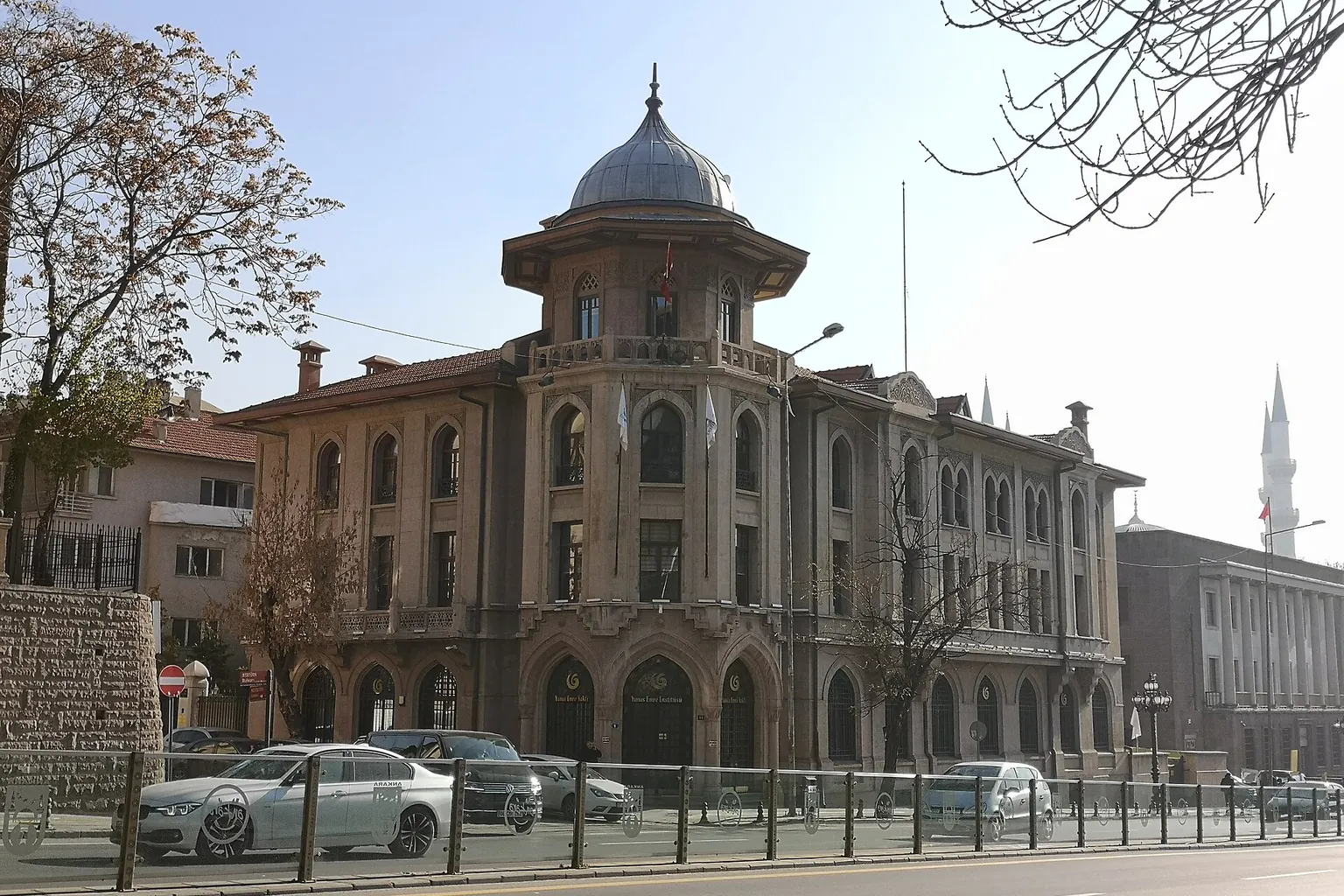
The Yunus Emre Institute (Yunus Emre Enstitüsü) is the unit of the Yunus Emre Foundation (Yunus Emre Vakfı) that does its teaching and research. The Foundation is a public foundation set up under a law of 2007 to present Türkiye, its heritage, its language, culture and art, and it has its seat in Ankara. Its cultural centres abroad teach Turkish to foreigners, and the Institute developed the Turkish Proficiency Exam (Türkçe Yeterlik Sınavı, TYS).
In short · checked 08.11.2026
A public foundation that teaches Turkish abroad. This is what it is, where it works and how its exam is set up.
- Law: the Foundation was set up by law no. 5653, adopted on 05.05.2007, with its seat in Ankara.
- Institute: the Foundation’s unit for teaching, training and scientific research.
- Centres abroad: two state pages give two totals, 93 centres in 69 countries and 58 centres in 46 countries.
- Exam: the TYS has three sessions of 105, 60 and 15 minutes, 180 in all.
- Certificate: level B2 or C1 by score; holders who start study in Türkiye are exempt from the Turkish preparatory class.
TYS promotional text · checked 08.11.2026
One pencil, three sessions
The Turkish Proficiency Exam (Türkçe Yeterlik Sınavı, TYS) has three sessions and runs 180 minutes in all. The pencil is drawn to scale: one colour for each session, its length the session’s minutes. Press a part of the exam on the pencil, on a drawing under it or on a chip. The card shows which session holds it, what that session involves and its minutes, with one Turkish line to copy.
ReadingWhich session has the reading part?
- Session
- Sessions 1 and 2 hold the reading, listening and writing parts.
- Format
- Group exam (grup sınavı).
- Minutes
- Session 1: 105 minutes in all. Session 2: 60 minutes in all.
ListeningWhich session do I sit for listening?
- Session
- Sessions 1 and 2 hold the reading, listening and writing parts.
- Format
- Group exam (grup sınavı).
- Minutes
- Session 1: 105 minutes in all. Session 2: 60 minutes in all.
WritingIs the writing part a group exam?
- Session
- Sessions 1 and 2 hold the reading, listening and writing parts.
- Format
- Yes. The parts of sessions 1 and 2 are a group exam (grup sınavı).
- Minutes
- Session 1: 105 minutes in all. Session 2: 60 minutes in all.
SpeakingIs speaking held for each candidate?
- Session
- Session 3 holds the speaking part.
- Format
- Held for each candidate separately (her bir aday için ayrı ayrı).
- Minutes
- 15 minutes.
CertificateDoes the certificate exempt me from the prep class?
- Certificate
- Turkish Proficiency Certificate (Türkçe Yeterlik Belgesi), level B2 or C1 by score, for candidates who pass.
- Uses
- Holders who start study in Türkiye are exempt from the Turkish preparatory class (Türkçe hazırlık sınıfı). It is also asked of foreigners who want to teach Turkish, guide or interpret.
- Minutes
- 180 for the three sessions (105 + 60 + 15), as on the Council of Higher Education (Yükseköğretim Kurulu, YÖK) page updated 26.03.2026.
What it is a foundation, its institute and the law
The Yunus Emre Foundation was set up by law no. 5653, adopted on 05.05.2007 and published on 18.05.2007. The law sets its aims: to present Türkiye, its heritage, the Turkish language, culture and art, to develop friendship with other countries and to increase cultural exchange. It also sets out to serve people who want to be educated in these fields abroad.
The Foundation
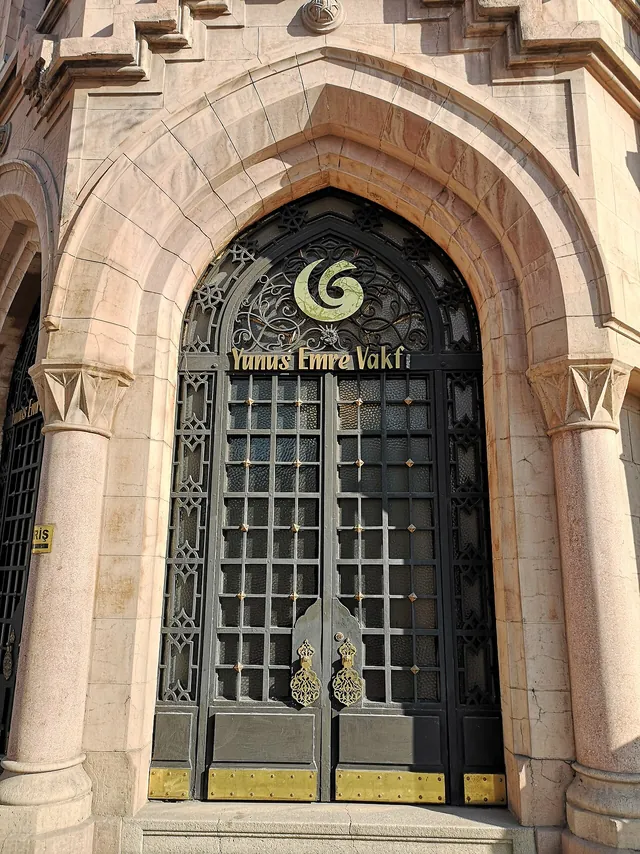
Yunus Emre Foundation
- Law
- No. 5653, adopted 05.05.2007, published 18.05.2007
- Seat
- Ankara
- Institute
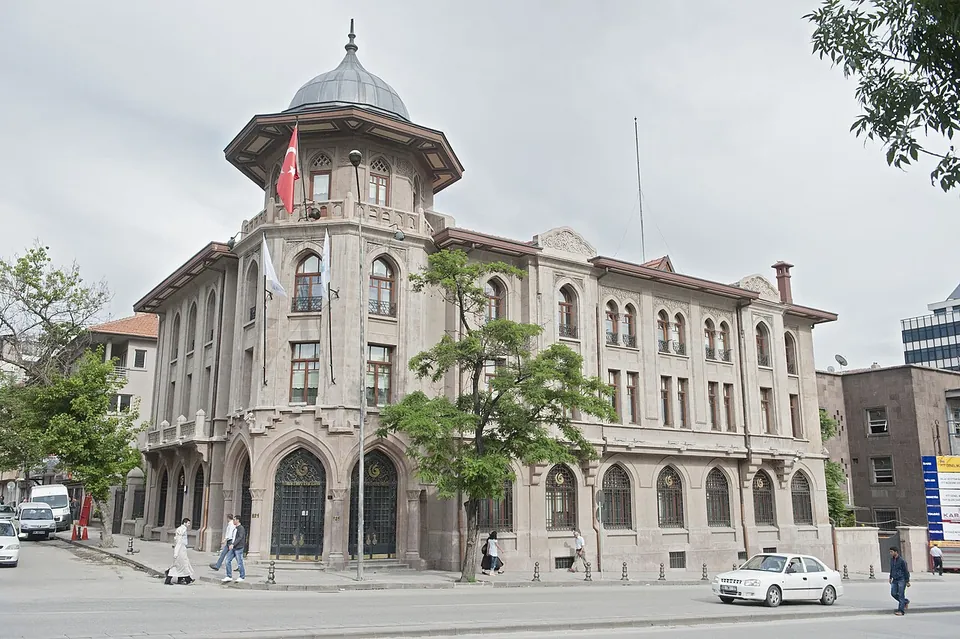
- The Yunus Emre Institute (Yunus Emre Enstitüsü) is the Foundation’s affiliated unit for teaching, training and scientific research and application.
- Centres abroad
- Named Yunus Emre Turkish Cultural Centre (Yunus Emre Türk Kültür Merkezi) in the law.
- Started
- Activities began in 2009.
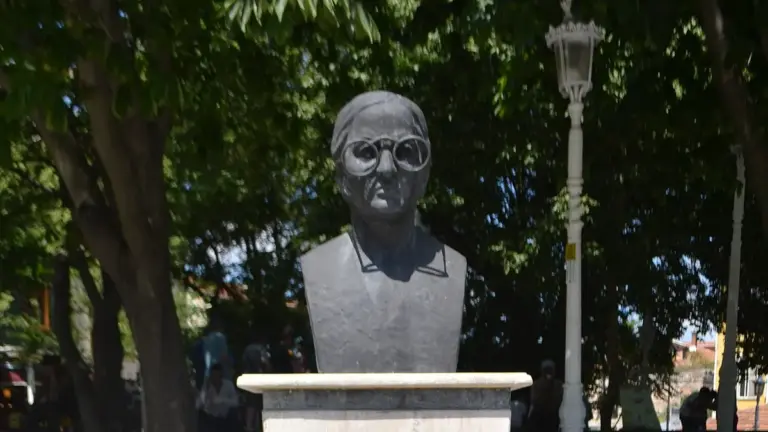
The Foundation and the Institute carry the name of the poet Yunus Emre; his verses are on the page Yunus Emre Poems.
What the law lists the Foundation’s tasks
Article 3 of the law, in plain words
- Centres: set up and run cultural centres abroad.
- Teaching: paid or free education abroad on Türkiye, its heritage, the Turkish language, culture and art, with certificates.
- Research and events: research, events and joint projects with universities, civil-society bodies and others, and publications in written and visual media.
- Partners: cooperation with similar bodies and international organisations abroad, and with research bodies and data banks.
- Information: information offices, institutes and documentation centres, and information work in Türkiye.
- Universities: involve universities and non-governmental bodies and support academic work.
- Contests: contests and awards.
- Where there is no centre: work with other public bodies abroad.
Centres abroad two pages, two totals
Under the law the centres abroad are called Yunus Emre Turkish Cultural Centres (Yunus Emre Türk Kültür Merkezleri). Two state pages give a total for them, and the two totals differ.
93 centres in 69 countries
“Since beginning its activities in 2009, the Yunus Emre Institute has established 93 Yunus Emre Turkish Cultural Centers in 69 countries worldwide.”
58 centres in 46 countries
“YEE … today serves with a total of 58 centers in 46 different countries.”
The two pages give different totals.
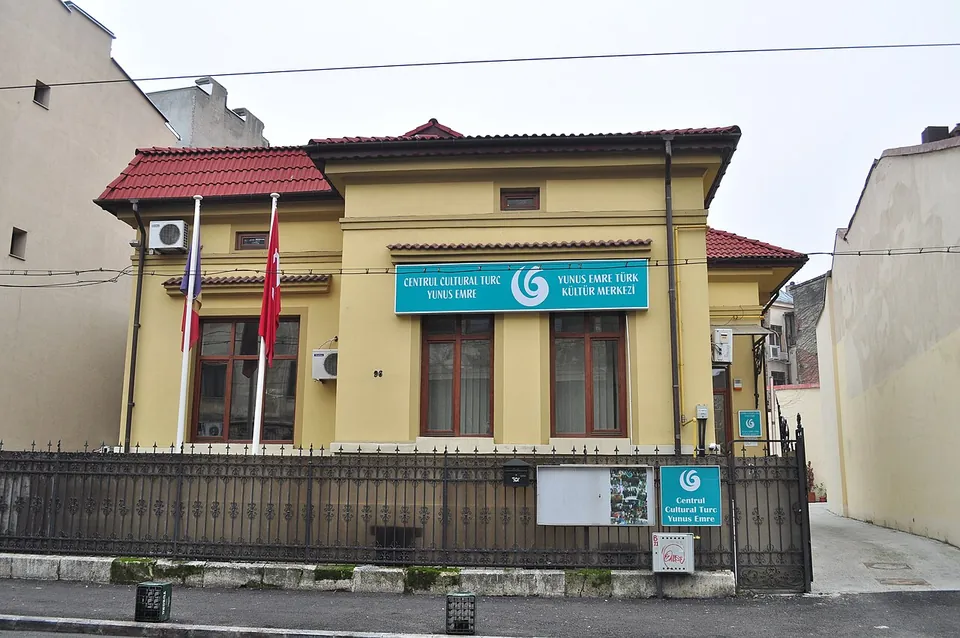
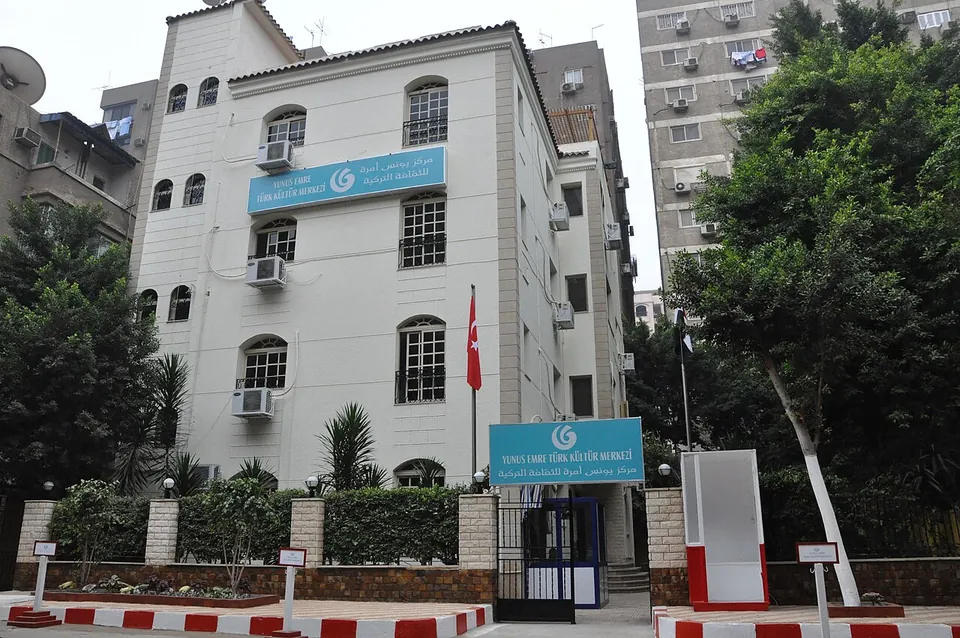
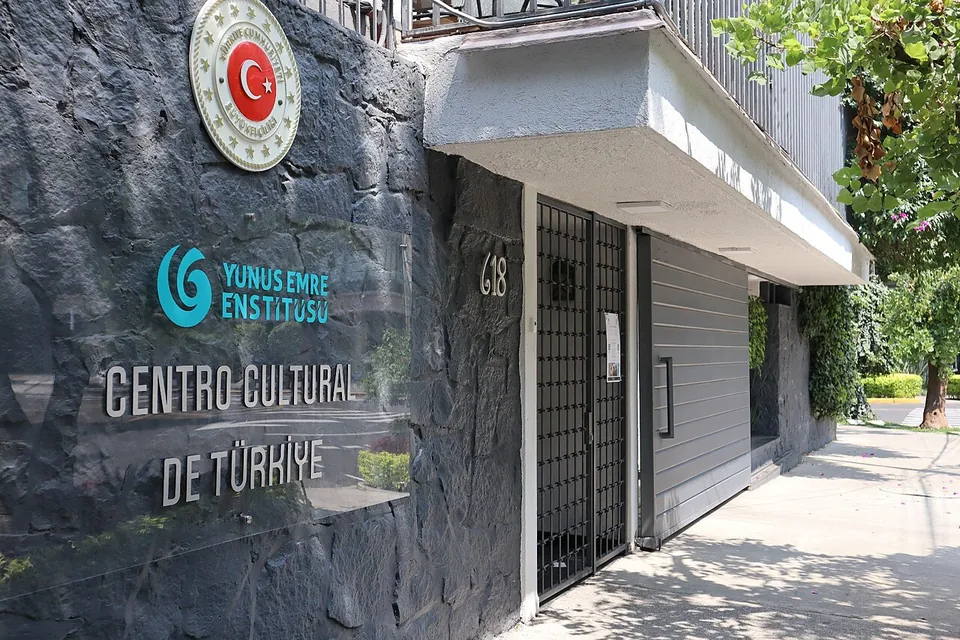
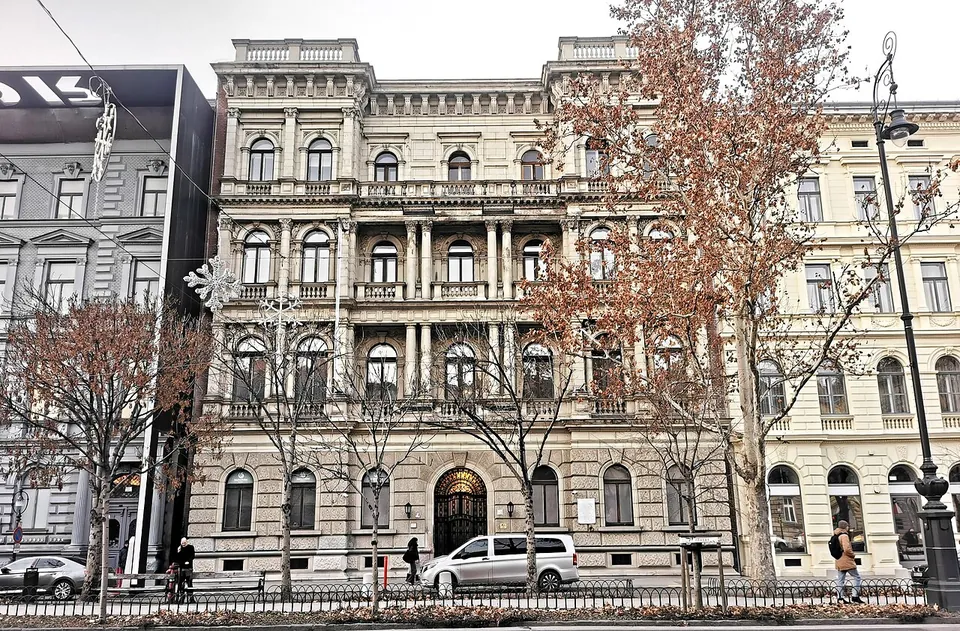
Turkish teaching abroad and at universities
The Institute teaches Turkish to foreigners in the cultural centres abroad, runs cultural and artistic activities and supports scientific studies. The Ministry of Foreign Affairs supports the setting up and the work of the centres.
Turkish for foreigners
Paid or free education abroad on Türkiye, its heritage, the Turkish language, culture and art, with certificates. The law lists it among the Foundation’s tasks.
Turkology and Turkish teaching
The Institute supports Turkology departments and Turkish language teaching through protocols. Turkish departments and courses at universities abroad are supported with teaching materials and lecturers.
Turkish Proficiency Exam
The TYS is held three times a year, in Türkiye and abroad, and gives the B2 or C1 certificate.
The Institute’s own website is yee.org.tr.
The Turkish Proficiency Exam three sessions, one certificate
The Institute developed the TYS for people who learn Turkish as a foreign or second language. It tests reading, listening, writing and speaking against the proficiency definitions of the Common European Framework of Reference for Languages (CEFR). Since 2013 it has been held three times a year, at the same time in Türkiye and in all countries that have Yunus Emre Institutes.
- Session 1 · 105 minutesGroup exam. With session 2 it holds the reading, listening and writing parts.
- Session 2 · 60 minutesGroup exam. With session 1 it holds the reading, listening and writing parts.
- Session 3 · 15 minutesThe speaking part, held for each candidate separately.
In all
Three sessions, 180 minutes.
105 + 60 + 15 minutes, from the TYS promotional text hosted by YÖK. The announcement that carries it was updated on 26.03.2026.
Candidates who pass get a Turkish Proficiency Certificate (Türkçe Yeterlik Belgesi) at level B2 or C1, by score. Holders who start study at an institution in Türkiye are exempt from the Turkish preparatory class. Foreigners who want to teach Turkish, guide or interpret are asked for the certificate.
The Institute states that the TYS holds the quality mark (Q-mark) of the Association of Language Testers in Europe (ALTE). On the Study in Türkiye portal, the TYS is a central exam valid for the admission of international students to a university in Türkiye.
The YÖK list of countries and exam centres for the TYS of 17.05.2026 has 58 numbered rows; cities in it include Washington D.C., Berlin, Tokyo, Dakar, Kuala Lumpur and Ankara. Details of the exam are on tys.yee.org.tr.
The distance portal Turkish on the web, as described in 2017 and 2018
Two pages of the Ministry of National Education (Millî Eğitim Bakanlığı) describe the Institute’s web portal for learning Turkish, the Distance Turkish Teaching Portal (Uzaktan Türkçe Öğretim Portalı).
- 11.04.2017The lifelong learning directorate presents the portal: 63 activity templates in the four skills, membership options, points and ranks. On request a trainer is assigned who follows the learner’s work and assesses the open writing and speaking tasks. It runs on computers and mobile devices.
- 01.06.2018The innovation and educational technologies directorate says the portal can be reached through EBA, the education ministry’s online learning platform, from 30.06.2018. It lists word lists and grammar structures by level, activities in the four skills, a word module with 11 templates, a pronunciation tool, a question bank, an exam module, discussion sections, points, contests and ranks.
Sources and dates
Every fact here comes from the state pages below, checked on the date shown. Pages without a date of their own are marked undated.
- Grand National Assembly of Türkiye, Law no. 5653 on the Yunus Emre Foundation (Yunus Emre Vakfı Kanunu), printed text — adopted 05.05.2007, published 18.05.2007, checked 08.11.2026
- Ministry of Foreign Affairs, Turkish cultural centres and Turkish education centres — undated, checked 08.11.2026
- Council of Higher Education (Yükseköğretim Kurulu, YÖK), announcement on the Turkish Proficiency Exam (TYS) — updated 26.03.2026, checked 08.11.2026
- TYS promotional text (TYS Tanıtım Metni), hosted by YÖK — checked 08.11.2026
- Countries and exam centres of the TYS of 17.05.2026 (TYS Ülke ve Sınav Merkezleri), hosted by YÖK — checked 08.11.2026
- Study in Türkiye, Learning Turkish — undated, checked 08.11.2026
- Ministry of National Education, lifelong learning directorate, introduction of the Distance Turkish Teaching Portal — 11.04.2017, checked 08.11.2026
- Ministry of National Education, innovation and educational technologies directorate, the Turkish teaching portal on EBA — 01.06.2018, checked 08.11.2026
The photographs are from Wikimedia Commons, each with its author, date, licence and file page. The pencil is a drawing.