Things to Do in Ankara: Sights, Opening Days and Transport
How Ankara is laid out, which sights are open on which day, how the metro, Ankaray and buses run, the day trip to Gordion and the weather.
Table of Contents
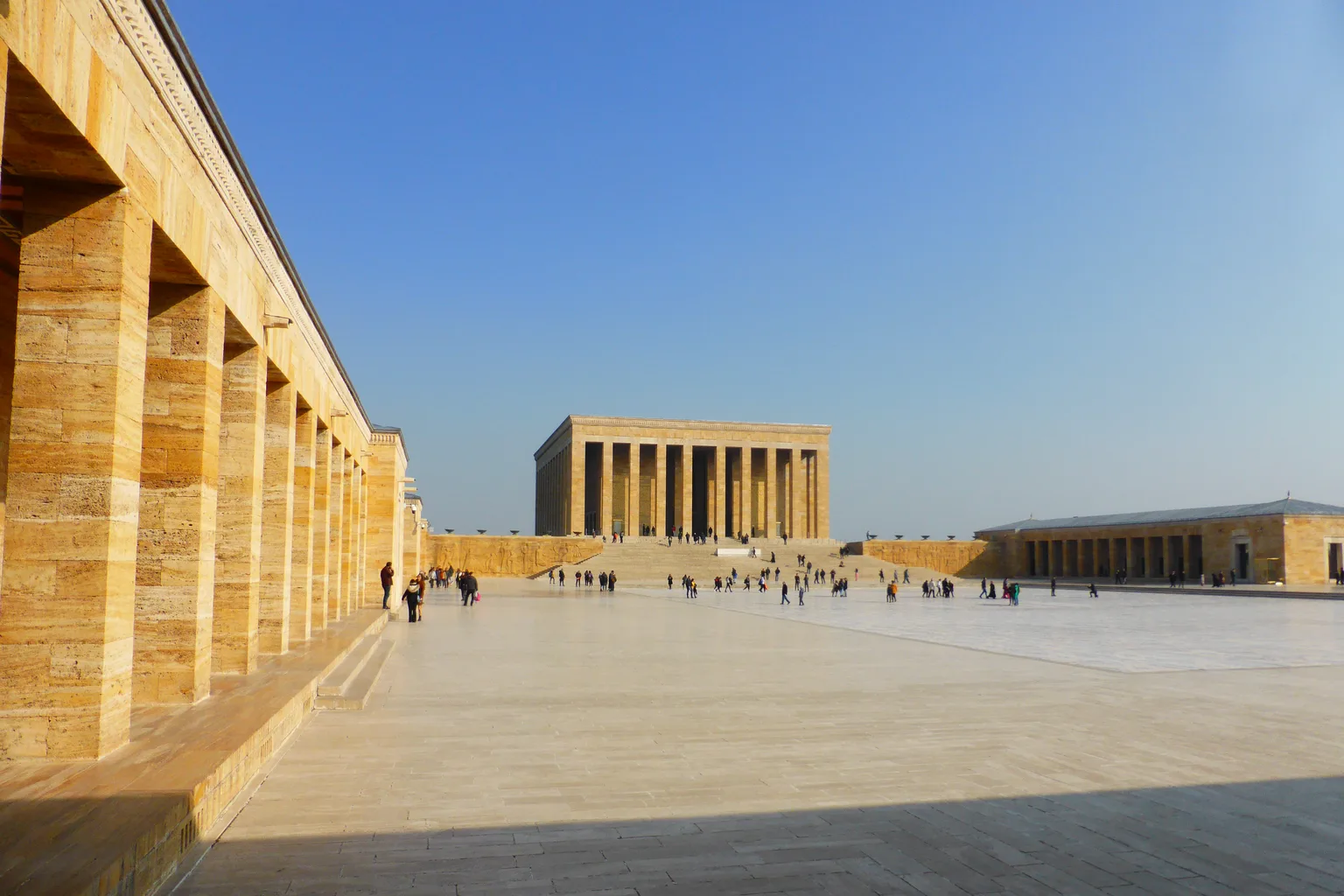
Ankara is the capital of Türkiye, and its sights stand on separate hills. Anıtkabir, the mausoleum of Atatürk, is open every day, with closing times that change in three seasons. The state museums keep their own days and hours: pick a day on the sheet to see them.
In short · checked 27.10.2026
Open every day, with hours that change by season.
- Anıtkabir is open every day: 09:00–16:30 from 1 February to 14 May, 09:00–17:00 from 15 May to 31 October, 09:00–16:00 from 1 November to 31 January.
- Four state museums are open every day, each with a ticket-office time before closing. The First Assembly building is closed to visitors.
- Two halls of the Museum of Anatolian Civilizations are closed from 14.09.2026 to 02.03.2027.
- EGO runs the metro, Ankaray and the buses; the M1 and M2 metro lines both end at Kızılay, the city’s central district.
Tool · checked 27.10.2026
A sheet of stamps for Ankara
Pick the day you plan to go. A place closed to visitors is torn off the sheet. Tap a stamp to turn it over: hours, last ticket, the source and the date checked. The strip at the foot is the day line in English and Turkish, ready to copy.The table lists each place’s days, hours, last ticket and source.
| Place | Open | Last ticket | Source and fees |
|---|---|---|---|
| AnıtkabirAnıtkabirAtatürk’s mausoleum: Turkish anıt = monument, kabir = tomb. | Every day:1 Feb–14 May 09:00–16:3015 May–31 Oct 09:00–17:001 Nov–31 Jan 09:00–16:00 | – | anitkabir.tsk.tr · Visiting hours, checked 27.10.2026 |
| Museum of Anatolian CivilizationsAnadolu Medeniyetleri MüzesiGözcü Sokak No:2, Ulus. In the old Mahmutpaşa covered bazaar and the Kurşunlu Han. | Every day 08:30–17:30Ankara Hall and Classical Hall are closed to visitors for maintenance and repair, 14.09.2026–02.03.2027. | 16:45 | muze.gov.tr · Museum of Anatolian Civilizations, checked 27.10.2026MüzeKart (for Turkish citizens): validFees: Turkey museum ticket prices |
| Roman BathsRoma HamamıAn ören yeri, an open-air archaeological site. Altındağ, Anafartalar Mahallesi. | Every day 08:30–18:45 | 18:00 | muze.gov.tr · Roman Baths and Open Air Museum, checked 27.10.2026MüzeKart (for Turkish citizens): validFees: Turkey museum ticket prices |
| Republic MuseumCumhuriyet MüzesiThe second Grand National Assembly building. Cumhuriyet Bulvarı, II. Meclis Binası No: 2/10, Ulus. | Every day 09:00–17:00 | 16:45 | muze.gov.tr · Museum of Republic of Ankara, checked 27.10.2026MüzeKart (for Turkish citizens): validFees: Turkey museum ticket prices |
| First Assembly buildingKurtuluş Savaşı MüzesiThe first Grand National Assembly building, the Independence War Museum. Hacıbayram Mah., Cumhuriyet Cad. No: 2/1, Ulus, Altındağ. | Closed to visitors (Ministry page, checked 27.10.2026) | – | muze.gov.tr · Independence War Museum, checked 27.10.2026Fees: Turkey museum ticket prices |
| Gordion MuseumGordion MüzesiYassıhöyük village, Polatlı. The museum beside the ancient city of Gordion.Day trip · Polatlı | Every day 09:00–18:00 | 17:30 | muze.gov.tr · Gordion Museum, checked 27.10.2026MüzeKart (for Turkish citizens): validFees: Turkey museum ticket prices |
Tear-off strip · day line
Hours as the pages printed them on 27.10.2026. State museums switch to a winter schedule each year (last: 01.10.2025–01.04.2026, announced on 05.11.2025 by the Ankara Culture and Tourism Directorate); for another date, open the museum’s own page. Nothing you pick is stored or sent.
The city: Ulus, Kızılay and Çankaya
Ankara has an old town, a modern centre and a southern district, and each has a name a visitor meets on signs, stops and addresses. The sights stand on separate hills between them.
Ulus
Ulus is the Turkish word for nation. It is the district round the old town under the castle, and it appears in the addresses of the Museum of Anatolian Civilizations and the Republic Museum. The city’s business centre was once concentrated here, before it shifted to Kızılay.
Kızılay
Kızılay means Red Crescent. The business centre shifted here from Ulus. By 1970 Ulus and Kızılay had grown into one centre. The M1 and M2 metro lines both end at Kızılay.
Çankaya
Çankaya is the district south of the centre. Atatürk lived there for many years, and this drew the city’s growth southward. It was also the most favoured site for the mausoleum until Rasattepe was proposed.
Drawing · not to scale, not a map
Three hills
The castle hill
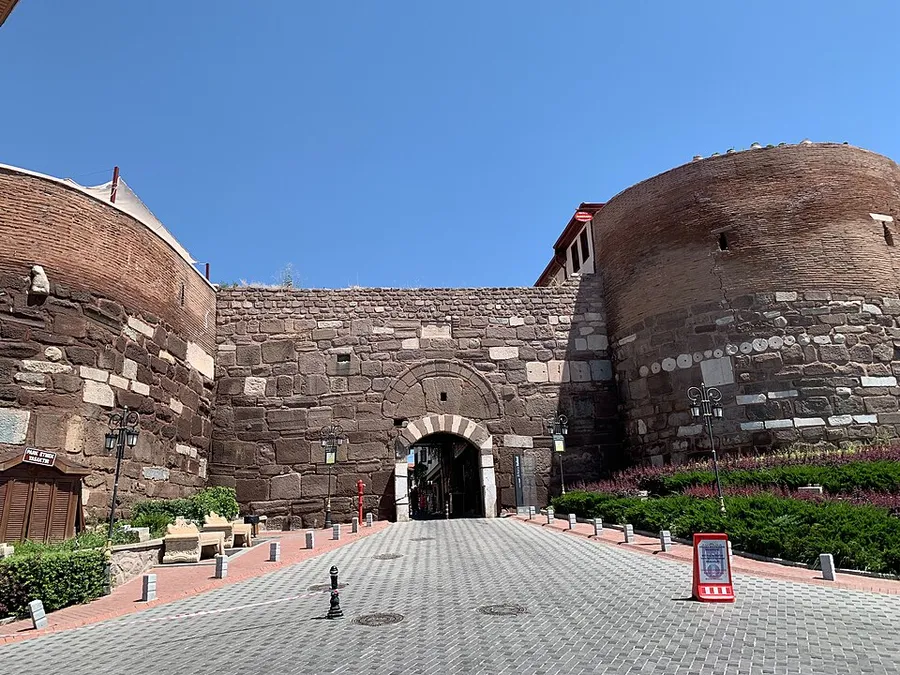
Ankara Kalesi, the castle, stands at the highest point of the rise on which the old town grew. The first settlement lay in and around it.
TDV İslâm Ansiklopedisi · Ankara entry
Hacıbayram hill
The summit of the old Phrygian mound that ran from the Hal area to Çankırıkapı and Dışkapı. The Hacı Bayram Mosque, dated 1427, carries the name of the hill.
TDV İslâm Ansiklopedisi · Ankara entry
Rasattepe, now Anıttepe
Anıtkabir stands here. The hill was called Rasattepe after the weather station (rasat) on top of it; its altitude is 907 m.
Anıtkabir · Anıtkabir Yerinin Seçimi
The drawing shows no heights and no distances. It only puts the three buildings on their hills.
How the city was planned
- 1928The Ankara Planning Directorate (İmar Müdürlüğü) was founded and a competition for the city plan opened. H. Jansen won it.
- 1932His plan was approved and guided growth until the 1950s. The Grand National Assembly, the ministries, Gençlik Parkı, the Hippodrome, Yenişehir and Cebeci were built under it.
- 1957A new plan, by Nihat Yücel and Raşit Uybadin, was approved after a new competition and stayed in force into the 1970s. In those years the business centre, until then in Ulus, shifted to Kızılay, and by 1970 the two had grown together into one.
TDV İslâm Ansiklopedisi, Ankara · checked 27.10.2026 · source
Shops and the streets of Ulus have their own guide: Shopping in Ankara.
Anıtkabir: the mausoleum on Rasattepe
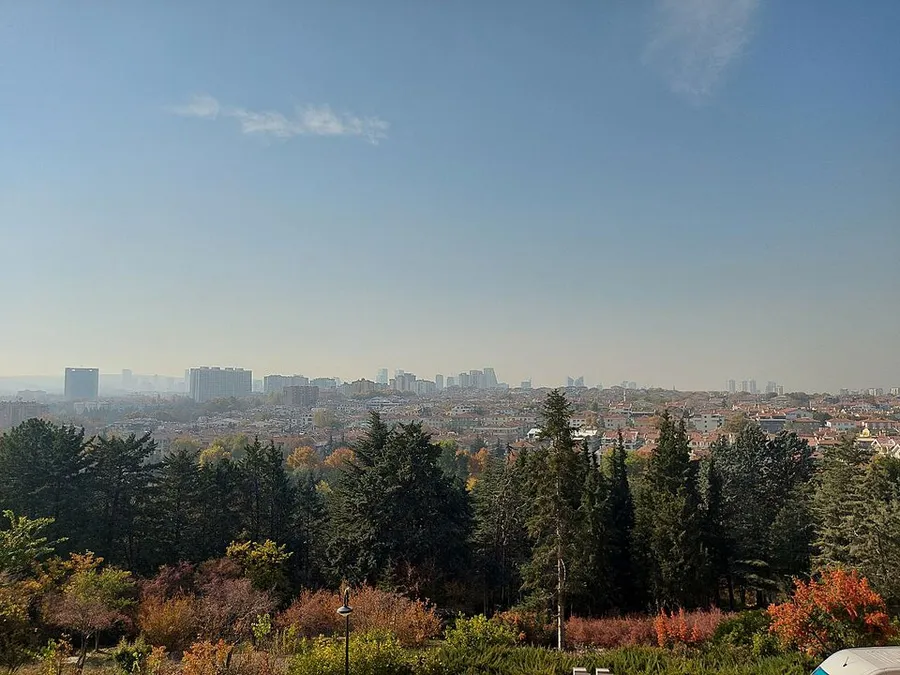
Anıtkabir (anıt = monument, kabir = tomb) is the mausoleum of Mustafa Kemal Atatürk, the founder of the Republic. It is open every day, with three seasons of different closing times.
| Period | Opens | Closes |
|---|---|---|
| 1 February – 14 May | 09:00 | 16:30 |
| 15 May – 31 October | 09:00 | 17:00 |
| 1 November – 31 January | 09:00 | 16:00 |
Why Rasattepe
- 17 January 1939: Mithat Aydın, the deputy for Trabzon, proposed Rasattepe to the parliamentary commission, which had been about to choose Çankaya or the Ethnography Museum site. The vote for Rasattepe was by a large majority.
- The name: rasat means observation, and a weather station stood on the hill. Local people called it Beştepeler, «five hills», after its burial mounds (tümülüs).
- Under the hill: excavations found Phrygian chamber tombs like those at Gordion; the finds are in the Museum of Anatolian Civilizations.
- 907 m: the hill’s altitude in a geological report of 18 May 1945. Compulsory purchase of the land began on 7 July 1939.
Anıtkabir · checked 27.10.2026 · source
Built 1944–1953
The foundation ceremony was on 9 October 1944, the work ran in four stages and ended on 1 September 1953. The architects, Emin Onat and Orhan Arda, signed their contract on 4 July 1944.
A building of 1940–1950
Anıtkabir belongs to the Second National Architectural Period, 1940–1950, a time of large, symmetrical public buildings in stone.
Travertine and marble
Yellow travertine from Eskipazar for the walls of the Hall of Honour (Şeref Holü) and the colonnades round the Ceremonial Plaza (Tören Meydanı). The floor is cream, red and black marble, the inner walls green marble from Bilecik. Two single blocks of 40 tonnes each were brought for the sarcophagus.
The museum inside
- Atatürk ve Kurtuluş Savaşı Müzesi, the Atatürk and War of Independence Museum, lies inside Anıtkabir.
- Its sections are Atatürk’s personal belongings; panoramas and oil paintings; the vaulted galleries; the work office and Atatürk’s private library; İsmet İnönü’s tomb and exhibition hall; and the Alagöz Headquarters Museum.
- Services: guided visits, a visit certificate and access for visitors with disabilities (Engelsiz Anıtkabir).
Anıtkabir · checked 27.10.2026 · museum · services
Who Atatürk was and how he got the name: How Mustafa Kemal became Atatürk and his early life.
The old town under the castle
The old town holds the castle (kale), the Museum of Anatolian Civilizations, the Roman Baths and the Temple of Augustus.
Ankara Kalesi, the castle
- The highest point of the rise on which the old town grew; the first settlement lay in and around it.
- Seljuk and Ottoman use: the castle was repaired under the Seljuk sultans Alâeddin Keykubad and II. Keykâvus, and the Akkale was added to the inner fortress. The Ottomans called the two parts the inner and the outer fortress.
- Until 1831 guards served under a commander (dizdar) and his deputy. The castle also stored guns and ammunition, and the Zindankale was a prison. The walls round the town, built in 1604–1607, had ten gates.
TDV İslâm Ansiklopedisi, Ankara · checked 27.10.2026 · source
Museum of Anatolian Civilizations
- Where
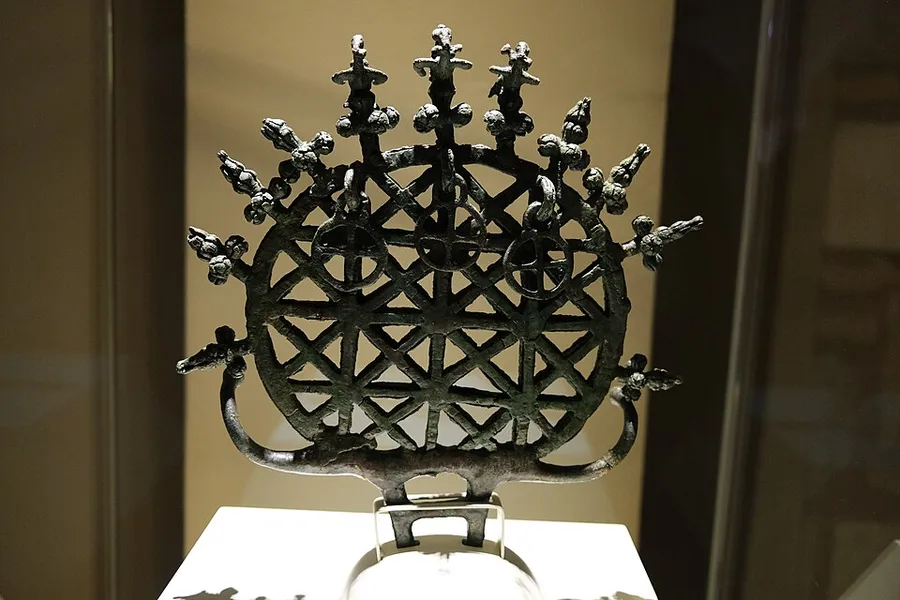
- Gözcü Sokak No:2, Ulus, in two Ottoman buildings: the Mahmutpaşa covered bazaar (bedesten) and the Kurşunlu Han, an inn round a courtyard.
- Open
- Every day 08:30–17:30, ticket office until 16:45. The Ankara Hall and Classical Hall are closed for maintenance and repair from 14.09.2026 to 02.03.2027.
- Inside
- The upper hall runs from the Palaeolithic to the Urartian kingdom; the lower hall holds the Classical periods and Ankara through the Ages. An audio guide is offered.
Ministry of Culture and Tourism · checked 27.10.2026 · source · fees: Turkey museum ticket prices
History
Ankara’s first museum was set up in 1921 in the Akkale bastion of the castle, with the Augustus Temple and the Roman Bath. The bazaar and the inn were restored from 1938 to 1968, and the centre of the bazaar opened to visitors in 1943. In 1997, in the museum’s own words, it was named «Museum of the year in Europe».
Ministry of Culture and Tourism · checked 27.10.2026 · source
Roman Baths
Open every day 08:30–18:45, ticket office until 18:00 (Altındağ, Anafartalar Mahallesi). The ruins cover about 65,000 m², and works in 1997–2001 gave them the look of an open-air museum. Coins and inscriptions date the baths to the reign of Caracalla, 212–217 AD; they were in use for about 500 years.
The Columned Road
Found when Çankırı Avenue was built in the early years of the Republic. Built about the 3rd century AD, it leads to the Temple of Augustus.
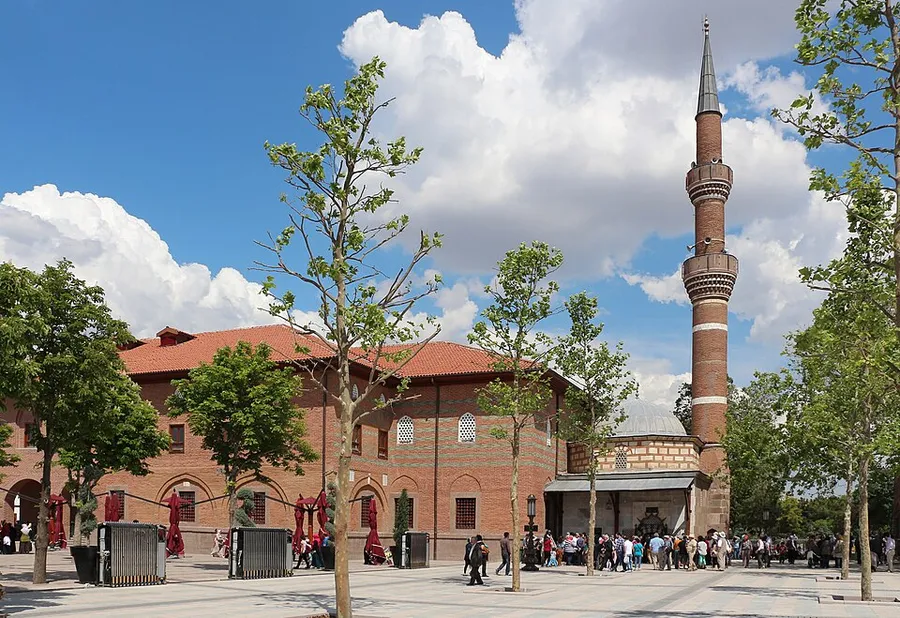
Temple of Augustus, Hacı Bayram Mosque
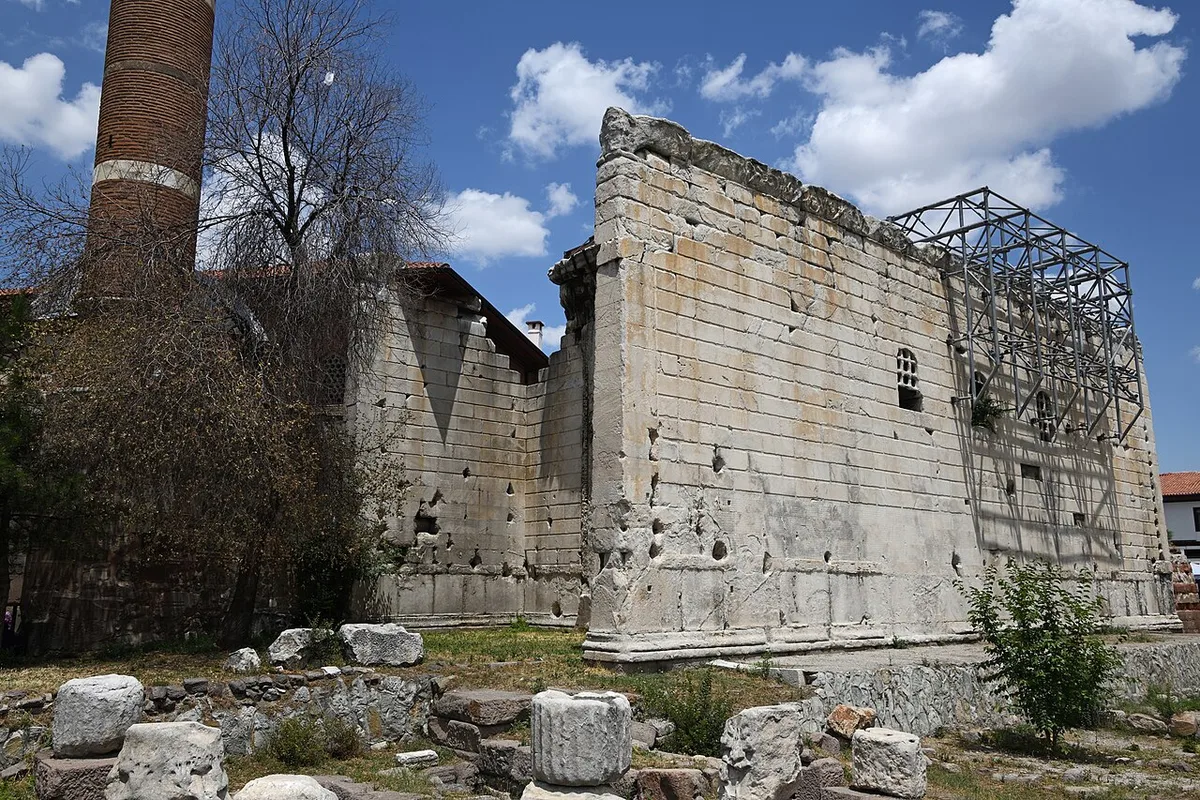
The Temple of Augustus was the holy place of the ancient city of Ancyra, as Ankara was called then. The Hacı Bayram Mosque (cami), dated 1427, carries the name of Hacıbayram hill.
Related: Turkey prayer times and, for a hamam (a Turkish bath), A day at a Turkish hammam.
Republic-era Ankara: two Assemblies and a library
The Grand National Assembly, Türkiye’s parliament, met in two buildings in Ulus before it moved to the building it uses now. Both are museums today.
Republic Museum
Vedat Tek designed and built it in 1923 as a meeting hall for a political party; because the first Assembly building was too small it became the Parliament building, in service from 18 October 1924. The Assembly sat here for 36 years, until 27 May 1960; the hall has 116 rows of seats and held up to 610 deputies in election periods. CENTO, the Central Treaty Organization, had its headquarters here from 1961 to 1979, and the museum opened on 30 October 1981. Open every day 09:00–17:00, ticket office until 16:45.
Independence War Museum
The Grand National Assembly met here from 23 April 1920 to 15 October 1924. It opened as a museum on 23 April 1961 and took the name War of Independence Museum on 23 April 1981. Closed to visitors, checked 27.10.2026.
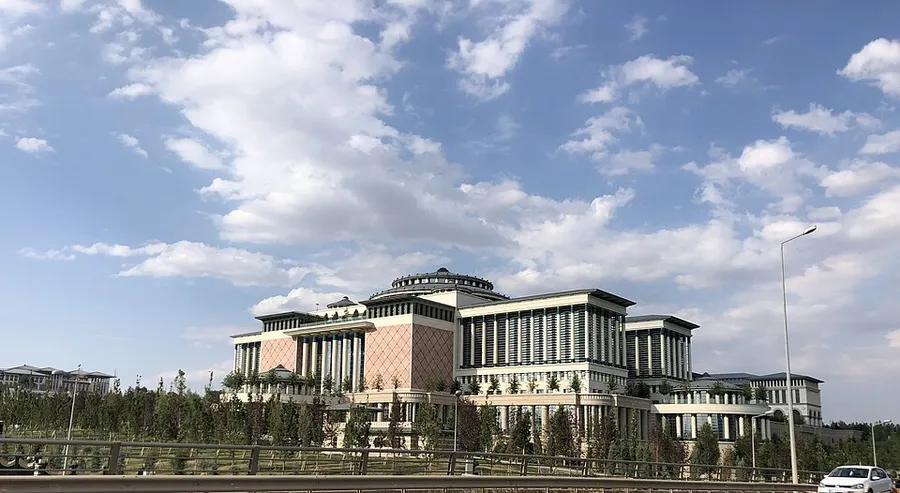
Presidential Library
In Turkish Cumhurbaşkanlığı Millet Kütüphanesi: millet means nation.
- The last building finished in the Presidential Complex (Külliye); the library seats 5,500 readers on 125,000 m².
- Its holdings: 2,168,302 books in 134 languages, and 5,048,493 printed sources in all.
Presidency of the Republic · checked 27.10.2026 · source
Ethnography Museum
Turkpidya’s museum platform has a page for the Ankara Ethnography Museum: Ankara Ethnography Museum.
Painting and Sculpture Museum
The platform also has a page for the Ankara Painting and Sculpture Museum: Ankara Painting and Sculpture Museum. All Ankara museums: Ankara museums.
MüzeKart and Museum Pass
MüzeKart is the card Turkish citizens use at most ministry museums. Foreign visitors buy tickets at a separate tariff or use a Museum Pass. What each costs is in Turkey museum ticket prices.
Getting around: metro, Ankaray, buses and the airport
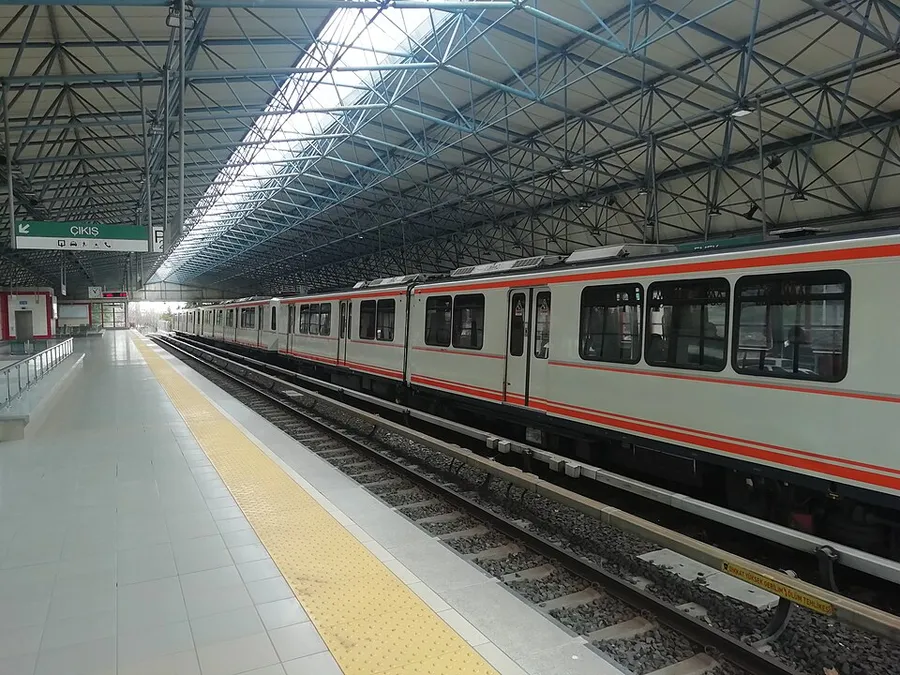
EGO, the transport directorate of Ankara Metropolitan Municipality, runs the city’s buses and rail lines.
What do you want to know?
- The lines
- M1 Batıkent–Kızılay · M2 Çayyolu–Kızılay · M3 Batıkent–Sincan/Törekent · M4 Keçiören–AKM · A1 (Ankaray) AŞTİ–Dikimevi. EGO · checked 27.10.2026 · source
- The metro
- The Kızılay–Batıkent line opened for commercial service on 28.12.1997. EGO · checked 27.10.2026 · source
- Ankaray
- The light-rail line opened on 30 August 1996. It is 8,527 m long with 11 stations between AŞTİ, the intercity bus terminal, and Dikimevi, and can carry 27,000 passengers an hour one way. EGO · checked 27.10.2026 · source
- The stops
- Each line has its own EGO page with its stops: Raylı Sistemler (rail systems).
- The buses
- EGO runs them. The night lines have their own page: Gece Hatları (night lines).
- The card
- EGO’s card is the Başkent Kart, the capital card, headed «Başkent Kart Ulaşım» on its page. The Kızılay card centre is open 08:00–20:00 on weekdays, 11:00–16:00 on Saturday and closed on Sunday. EGO · checked 27.10.2026 · source
- Fares
- EGO keeps them on one page: Ücret ve Tarifeler (fares and tariffs).
- Taxis
- Ranks, apps and what to expect: Taxis in Turkey.
- Esenboğa Airport
- Reached by EGO bus line 442 (AŞTİ – 15 Temmuz Kızılay Milli İrade Meydanı – Havalimanı) and by taxi; the taxi ranks on the arrival and departure floors serve seven days, 24 hours. EGO · checked 27.10.2026 · source
- Bus times
- Departure times for line 442: Hareket Saatleri (departure times).
- YHT
- The Yüksek Hızlı Tren, the high-speed train. Tickets and timetables are on the ticket site of TCDD Taşımacılık, the state railways’ passenger company: tcddtasimacilik.gov.tr.
Day trips in Ankara province
Gordion lies about 90 km south-west of Ankara, near the district town of Polatlı.
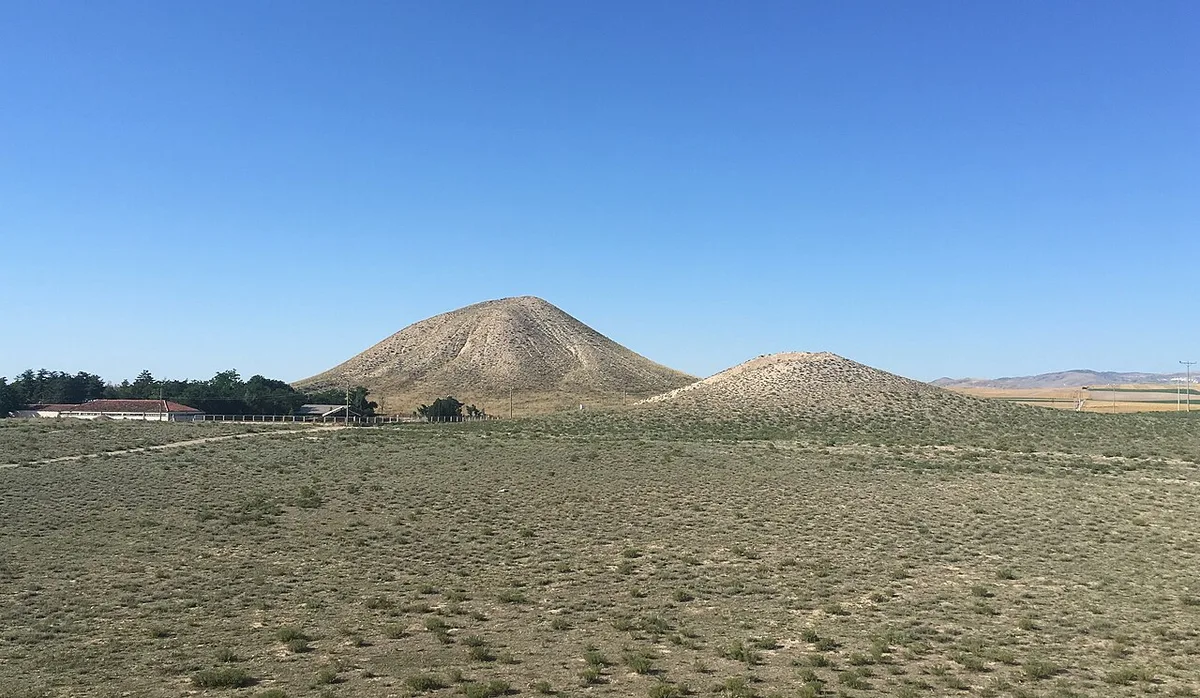
Gordion
- World Heritage
- UNESCO inscribed Gordion in 2023: the remains of the capital of Phrygia, an Iron Age kingdom, with a citadel mound, a lower town and burial mounds (tumuli).
- The Midas Mound
- Tumulus MM is 53–55 m high and 300 m across. Inside is the oldest known standing wooden building, from about 740 BCE.
- The museum
- Built in 1963 in Yassıhöyük village, Polatlı. Open every day 09:00–18:00, ticket office until 17:30. The reconstructed tomb Tumulus O in its garden opened in 1999.
UNESCO · checked 27.10.2026 · source · Ministry of Culture and Tourism · checked 27.10.2026 · source
Kızılcahamam, Haymana and more
Ankara province has thermal springs at Kızılcahamam, Haymana, Ayaş, Sincan and Sey Hamamı: Thermal springs in Turkey.
Eskişehir
The guide to the city and its sights is What to see in Eskişehir; the university has its own: Anadolu University.
The weather: a year of MGM figures
MGM, the state weather service (Meteoroloji Genel Müdürlüğü), measured Ankara from 1927 to 2025. January is the coldest month, August the hottest and May the wettest.
MGM · measurement period 1927–2025 · checked 27.10.2026
0.4 °C in January, 23.6 °C in August.
The mean daily lowest and highest: −3.1 °C and 4.4 °C in January, 16.1 °C and 30.6 °C in August.
The record low is −24.9 °C (January) and the record high 41.0 °C (July). Rain averages 12.5 mm in August and 52.1 mm in May.
Ayaz
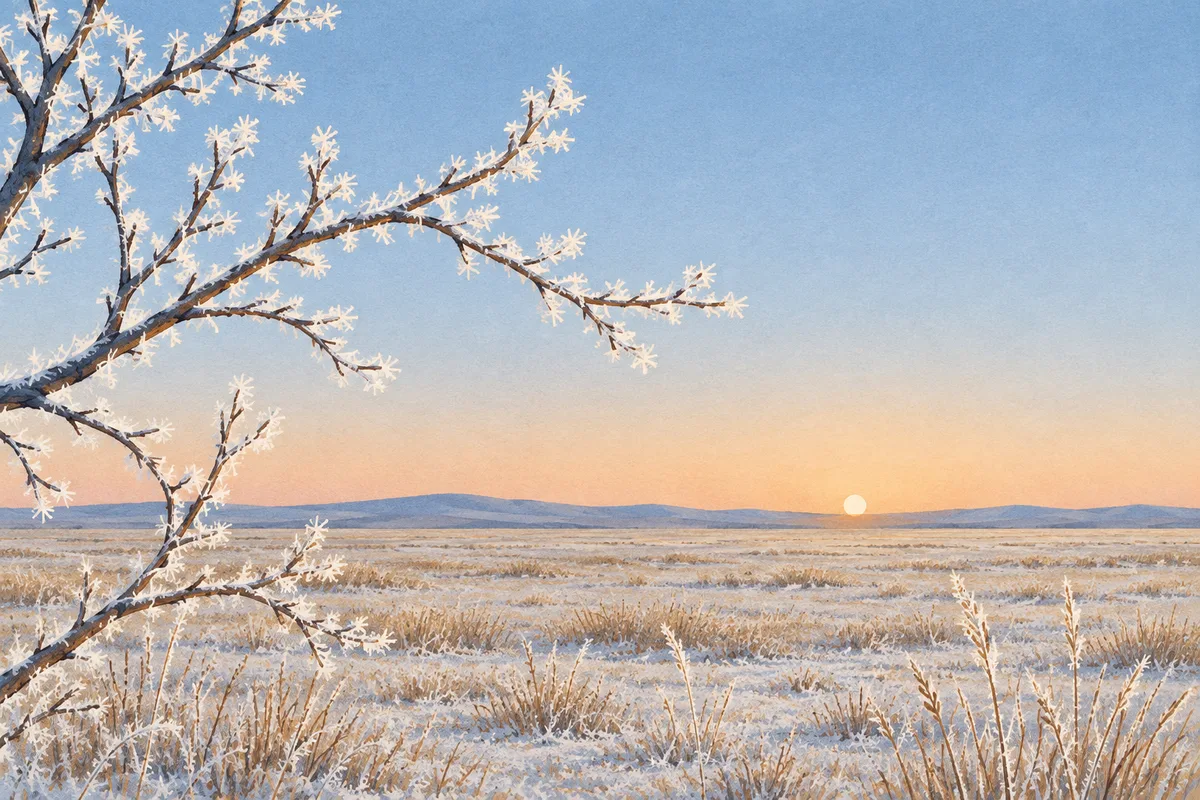
Ayaz is the Turkish word for the cold of a clear, still day. The dictionary of the Turkish Language Association defines it as «the dry cold that comes in clear, calm weather» and as «very cold weather».
TDK Güncel Türkçe Sözlük · checked 27.10.2026 · source
All twelve months
| Month | Mean °C | Lowest, mean °C | Highest, mean °C | Rain, mm | Rainy days | Sunshine, hours a day |
|---|---|---|---|---|---|---|
| Jan | 0.4 | −3.1 | 4.4 | 39.8 | 12.17 | 2.6 |
| Feb | 1.8 | −2.2 | 6.5 | 34.7 | 10.98 | 3.8 |
| Mar | 5.8 | 0.8 | 11.6 | 39.2 | 10.72 | 5.1 |
| Apr | 11.3 | 5.5 | 17.4 | 42.3 | 11.07 | 6.4 |
| May | 16.1 | 9.7 | 22.4 | 52.1 | 12.31 | 8.1 |
| Jun | 20.1 | 13.0 | 26.7 | 36.8 | 8.80 | 9.8 |
| Jul | 23.5 | 15.9 | 30.4 | 14.5 | 3.55 | 11.0 |
| Aug | 23.6 | 16.1 | 30.6 | 12.5 | 2.71 | 10.5 |
| Sep | 19.0 | 11.9 | 26.1 | 17.9 | 4.00 | 9.1 |
| Oct | 13.2 | 7.2 | 20.0 | 26.9 | 6.86 | 6.7 |
| Nov | 7.4 | 2.6 | 13.1 | 31.4 | 8.12 | 4.6 |
| Dec | 2.6 | −0.6 | 6.6 | 44.1 | 11.70 | 2.6 |
Quick answers in a few lines
Is Anıtkabir open every day?
Yes: 09:00 to 16:30 from 1 February to 14 May, to 17:00 from 15 May to 31 October and to 16:00 from 1 November to 31 January.
Which museums are open every day?
The Museum of Anatolian Civilizations (08:30–17:30), the Roman Baths (08:30–18:45), the Republic Museum (09:00–17:00) and the Gordion Museum (09:00–18:00), checked 27.10.2026. The First Assembly building is closed to visitors.
Is the Museum of Anatolian Civilizations fully open?
No. The Ankara Hall and Classical Hall are closed for maintenance and repair from 14.09.2026 to 02.03.2027.
Which metro line goes to Kızılay?
Both M1 (from Batıkent) and M2 (from Çayyolu) end at Kızılay.
What is the transport card called?
Başkent Kart, the capital card, EGO’s transport card. Fares are on EGO’s fares page, Ücret ve Tarifeler.
Where is Gordion?
About 90 km south-west of Ankara; the museum is in Yassıhöyük village, Polatlı.
What does the MüzeKart do?
It is the card Turkish citizens use at most ministry museums. Foreign visitors can use a Museum Pass. Fees: Turkey museum ticket prices.
How cold does Ankara get?
The January mean is 0.4 °C and the record low −24.9 °C. Ayaz is the Turkish word for the cold of a clear, still day.
Sources and limits
Show the sources
- Anıtkabir Ziyaret Saatleri — Anıtkabir, Ministry of National Defence and General Staff site, checked 27.10.2026
- Anıtkabir Yerinin Seçimi — Anıtkabir site, checked 27.10.2026
- İnşaat Aşamaları — Anıtkabir site, checked 27.10.2026
- Mimari Özellikleri — Anıtkabir site, checked 27.10.2026
- Atatürk ve Kurtuluş Savaşı Müzesi — Anıtkabir site, checked 27.10.2026
- Hizmetlerimiz — Anıtkabir site, checked 27.10.2026
- Museum of Anatolian Civilizations — Ministry of Culture and Tourism, muze.gov.tr, checked 27.10.2026
- Roman Baths and Open Air Museum — Ministry of Culture and Tourism, muze.gov.tr, checked 27.10.2026
- Museum of Republic of Ankara — Ministry of Culture and Tourism, muze.gov.tr, checked 27.10.2026
- Independence War Museum — Ministry of Culture and Tourism, muze.gov.tr, checked 27.10.2026
- Gordion Museum — Ministry of Culture and Tourism, muze.gov.tr, checked 27.10.2026
- Müzelerimizin Kış Dönemi Ziyaret Saatleri Hakkında Duyuru (05.11.2025) — Ankara Provincial Culture and Tourism Directorate, checked 27.10.2026
- Gordion — UNESCO World Heritage Centre, checked 27.10.2026
- ANKARA — TDV İslâm Ansiklopedisi, checked 27.10.2026
- Millet Kütüphanesi — Presidency of the Republic of Türkiye, checked 27.10.2026
- Raylı Sistemler — EGO, checked 27.10.2026
- Ankara Metrosu — EGO, checked 27.10.2026
- Ankaray — EGO, checked 27.10.2026
- Başkent Kart Ulaşım — EGO, checked 27.10.2026
- Esenboğa Hava Alanına Ulaşım — EGO, checked 27.10.2026
- İller ve ilçeler istatistik, Ankara — MGM, the state weather service, checked 27.10.2026
- Güncel Türkçe Sözlük: ayaz — Turkish Language Association, checked 27.10.2026
Hours and days are as the pages printed them on 27.10.2026 and change by season and by year. Fees are on Turkey museum ticket prices.