
Notary Public in Turkey: 2026 Fees, Process & Insider Expat Tips
Table of Contents
If you are planning to build a life in Turkey, you will quickly meet an institution that holds more power over your daily existence than any other government body: the Noter (Notary Public). Whether you are buying a car, renting an apartment, or simply needing a document translated nothing moves in the Turkish legal system without the red stamp of the Notary.
Most expats underestimate the costs and the rigid rules. For instance, did you know that if you don’t speak fluent Turkish, you are legally required to hire a sworn translator? Or that vehicle sale fees are set to change drastically starting in 2026? In this guide, we break down the reality of the process, the costs for late 2025, and the critical changes coming in 2026 so you don’t get blindsided.
What Does the Noter Actually Do?
The “Noter” is omnipresent in Turkey. Unlike in the US or UK, where notaries might only verify a signature, the Turkish Notary is involved in almost every major transaction. From my seven years of experience in Istanbul, I can tell you: The Notary is the ultimate gatekeeper of legal security here.
Here are the main areas where you will need them:
- Document Legalization: Foreign passports, birth certificates, or diplomas must be “translated and validated” here for the Turkish state. For a deep dive on this, check our guide on Legalization of Foreign Documents in Turkey.
- Real Estate & Rent: A simple paper lease isn’t enough for a residence permit applicationit must be notarized.
- Vehicle Sales: Buying or selling a car happens directly at the Notary, not at a dealership or DMV. This makes the process incredibly fast (often under 30 minutes), but highly bureaucratic.
- Power of Attorney (Vekaletname): If you can’t be present personally for a transaction, you can’t just write a letter. You need a specific, notarized Power of Attorney.

How to Find a Notary
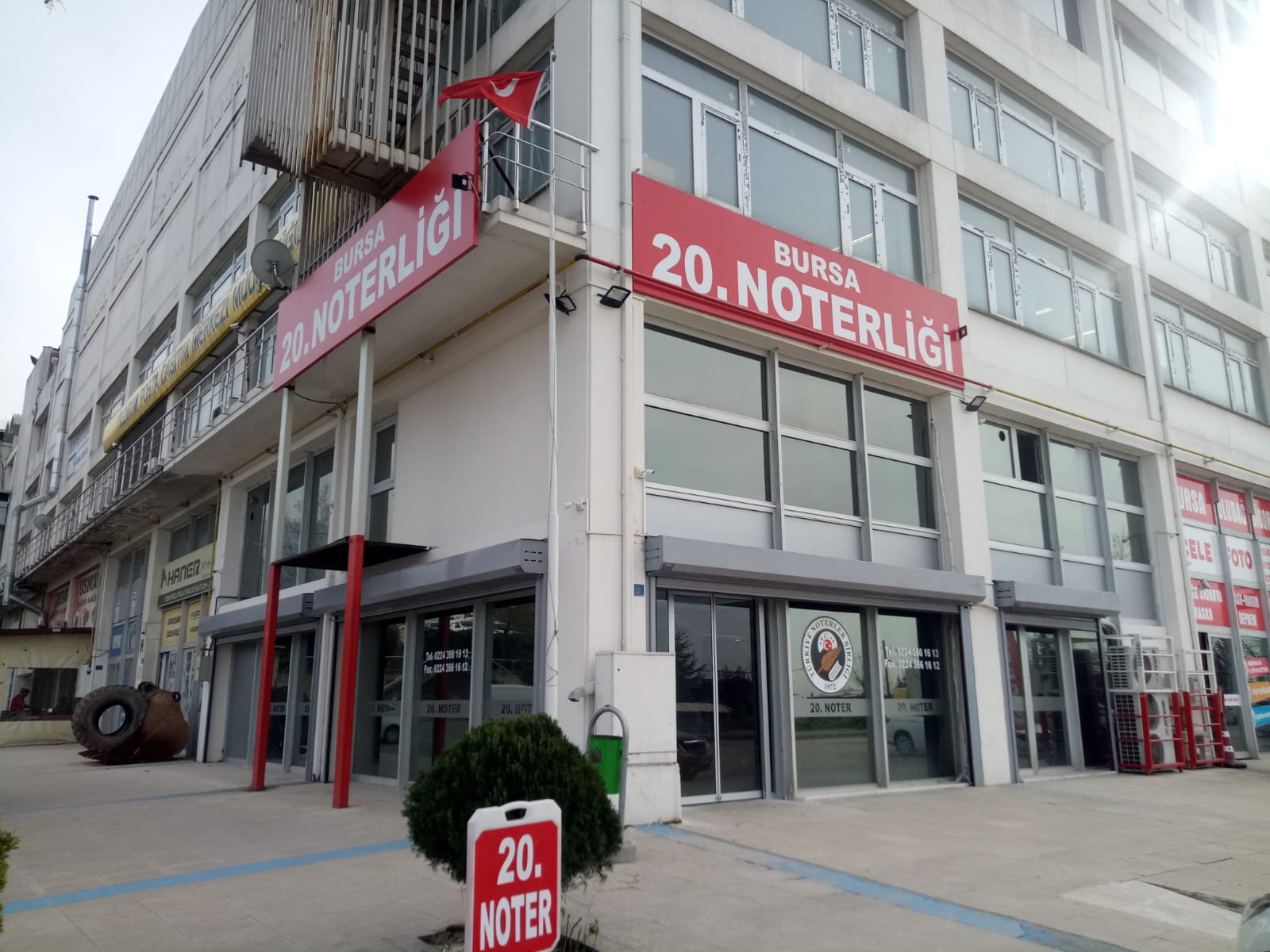
Finding a notary is surprisingly easy. Look for the large, usually red signs reading “T. C. [City Name] [Number]. NOTERLİĞİ” (e. g., İSTANBUL 20. NOTERLİĞİ). Every notary office is numbered.
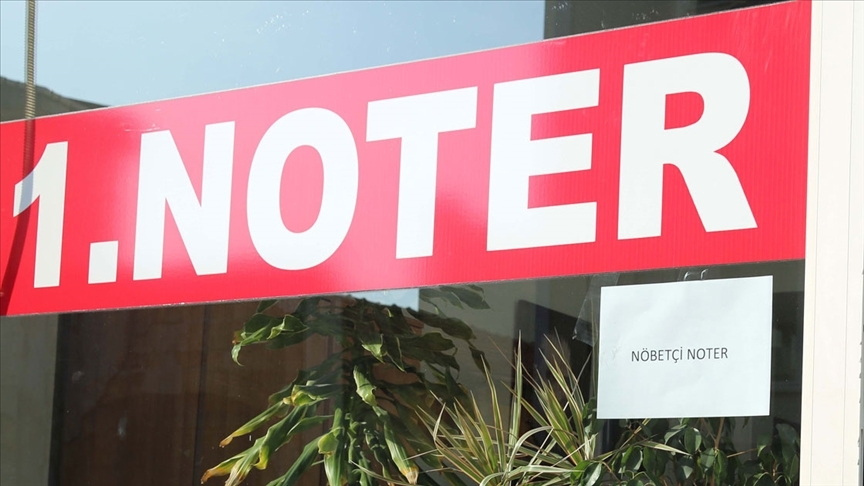
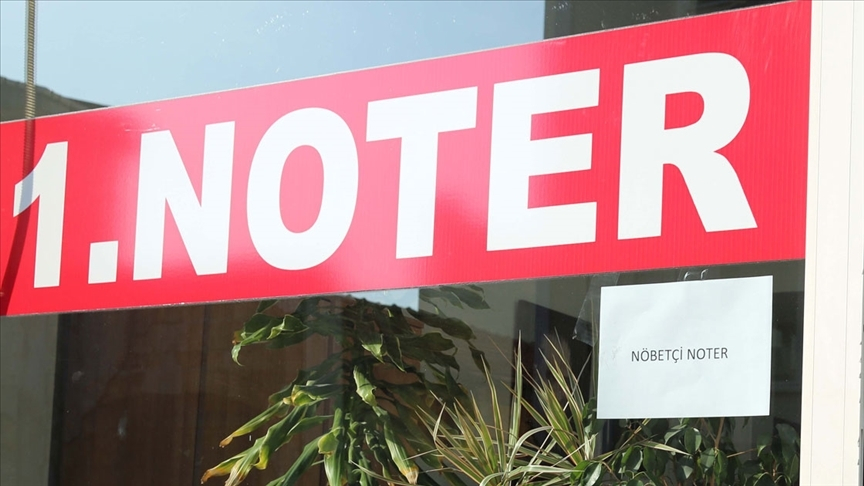
Pro Tip: Don’t just rely on Google Maps. The official Union of Notaries of Turkey (TNB) website offers a “Nöbetçi Noter” (Duty Notary) search, which is a lifesaver if you need urgent paperwork done on a weekend.
Operating Hours: Avoid the Lunch Trap
Bureaucracy doesn’t sleep, but it definitely takes a lunch break. Here are the verified hours for late 2025:
- Weekdays (Mon Fri): 09:00 to 17:00.
- The Lunch Break Zone: Almost strictly between 12:30 and 13:30. During this hour, systems often shut down completely. Do not plan your visit for this window; you will just end up waiting outside.
Weekend Service (Nöbetçi Noter)
The “Duty Notary” system allows you to complete transactions on weekendsa huge relief for car buyers. The standard hours for 2025 are:
- Saturday: 09:00-16:00
- Sunday: 10:00-14:00
Warning: Notaries are generally closed on religious and national holidays (Bayram). Check our Public Holidays in Turkey 2025 calendar to ensure you don’t face a closed door.

The Cost of Business: Notary Fees 2025 / 2026
Fees in Turkey are adjusted annually. Below is the reality for December 2025. While prices may seem low to foreigners due to exchange rates (approx. 1 USD = 42.78 TL / 1 EUR = 50.23 TL), they add up quickly.
| Service | Fee (TL) | Approx. in EUR (€) |
|---|---|---|
| Vehicle Sale (Used) | 2.600 TL + satış bedelinin binde 2’si (asgari 1.000 TL) | Değere bağlı |
| New Vehicle Registration | 1,138.00 TL | ~ 23.00 € |
| Power of Attorney (General) | 2.500 – 5.000 TL | ~ 50.00 – 100.00 € |
| Power of Attorney (Lawyer) | 834 – 1,200 TL | ~ 17.00 – 24.00 € |
| Certified Copy (per page) | approx. 61.12 TL (+ processing) | ~ 1.20 € |
| Rental Contract (Residence) | approx. 4,000 – 6,000 TL (incl. translator) | ~ 80.00 – 120.00 € |
| Minimum Transaction Fee | 58.82 TL | ~ 1.15 € |
⚠️ Insider Warning for Car Buyers (2026 Update)
If you are planning to buy a high value car, do it before the end of 2025! Starting January 1, 2026, the government plans to introduce a “nispi harç” (proportional fee). Currently, you pay a flat fee (around 1,500 TL) regardless of whether you buy a Fiat or a Ferrari.
Under the new 2026 rules, the fee will be calculated as a percentage of the vehicle’s value. For a car worth 1 Million TL, the notary fees could easily jump to over 2,000 TL. For more on vehicle ownership, read our guide on Buying a Car in Turkey as a Foreigner.
The Language Barrier: Why You Need a Sworn Translator
This is where most expats fail on their first visit. According to Article 75 of the Notary Law, if you do not speak fluent Turkish, you are legally required to have a Sworn Translator (Yeminli Tercüman) present.
The Reality on the Ground:
- You cannot simply bring a Turkish friend to translate for you. It must be an official, sworn translator.
- The translator must be registered at that specific notary branch. A translator sworn in at Notary No. 20 is often not authorized to translate at Notary No. 21.
- Cash is King: Expect to pay the translator an additional 1,000 to 2,000 TL in cash, directly to them. This is separate from the official notary fees.
The Process: Step-by-Step
Don’t be intimidated by the chaos in the waiting room. The workflow is almost always identical:
- Get a Number: There is usually a kiosk at the entrance. Select your transaction type to get a ticket.
- Submit Documents: Go to the counter (Vezne) when your number is called. Hand over your ID (Kimlik or Passport) and your papers.
- Preparation: The clerk prepares the official documents. If you need a translator, this is when they will step in to explain the document’s content to you verbally.
- Sign & Pay: You only sign after everything is verified. Payment is usually made at a separate cashier window. Tip: While many notaries now accept credit cards, system outages are common. Always carry cash as a backup.

The Bottom Line: A trip to the Turkish Notary is less of a legal hurdle and more of a test of patience. With your documents ready, a sworn translator arranged in advance, and some cash in your pocket, you can usually get in and out in under an hour.