Yunus Emre Poetry: Timeless Wisdom for the Modern Soul
Table of Contents
Why, as we approach 2026, should we pause to read the verses of a man who walked the dusty steppes of Central Anatolia over 700 years ago? The answer is simple: Yunus Emre was not just a poet; he was a physician for the human soul. In an era where we often feel adrift in digital noise, his words act as a compass, guiding us back to what truly matters: love, tolerance, and our own inner selves.
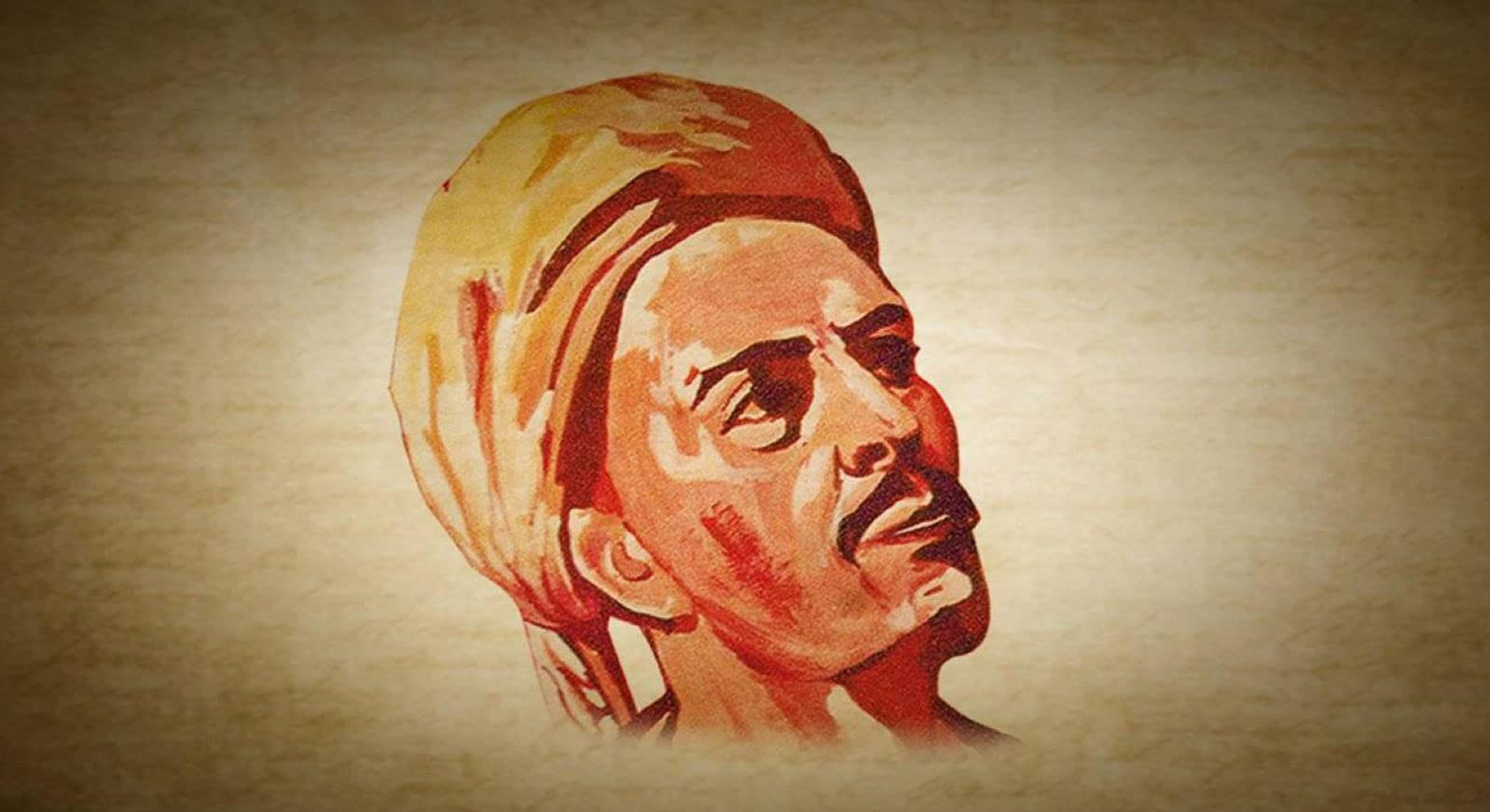
Yunus Emre (ca. 1240-1320) remains the most significant voice in the Turkish Sufi tradition. While his contemporaries often wrote in the elite languages of Persian or Arabic, Yunus chose the simple Turkish spoken by the common people. He brought high mystical philosophy down to the street level. His message was radical then, and it remains revolutionary today: The path to the Divine is not found through rigid dogmas, but through the human heart.
A Personal Note on Translation
I live in Eskişehir, the very city where Yunus Emre rests (in the village of Sarıköy). Living on this land, breathing the same air, I have made it my mission to translate his thoughts for a wider audience. My goal is not an academic, word for-word translation, which often suffocates the spirit of poetry. Instead, I have attempted to capture the rhythm and the heartbeat of his message.
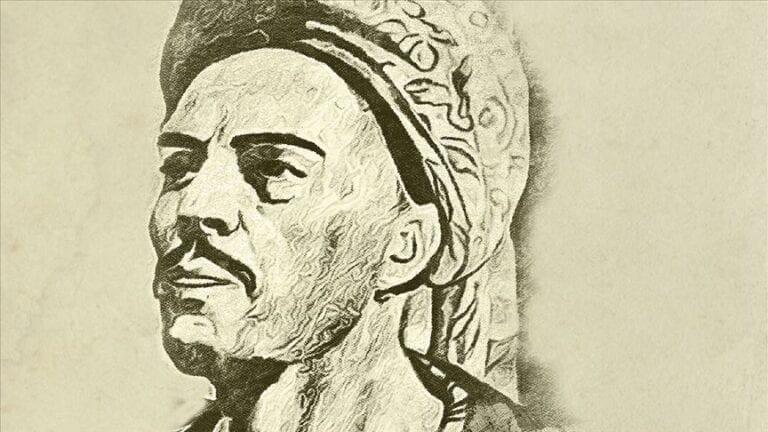
Based on works from the Ministry of Culture and Tourism, I have interpreted these verses to be accessible to the modern reader without losing their mystical depth. Whether you are taking a break from the industrial hustle of cities like Kocaeli or searching for inner peace, these texts are accompanied by illustrations inspired by his visions.
1. The Soul’s Exile
This poem reminds us that we are all travelers and that our true home is not found in the material world.
God’s radiance fills the world, both near and far,
Yet His true essence remains hidden behind the veil of time.
Do not search outside; look deep within,
For the truth in the heart is where wisdom begins.
The Great Beyond remains unseen by mortal eyes,
So let our deeds on Earth be pure and wise.
This exile brings pain, heavy as stone,
Once we leave, there is no return to the flesh and bone.
So let us be friends, let us sweeten this life,
Share our burdens, end the strife.
Love and be loved, cherish the sunlight’s worth,
For no single owner possesses this Earth.
Yunus speaks clearly, for all to hear,
Words fed by the heart, ringing true and clear:
Live well and justly on this spinning ball,
For no one remains forever in this earthly hall.

2. The Moon in the Heart
When I bow my face to the earth below,
I see the crescent moon in the heavens glow.
Be it winter or summer, yearning for spring,
Every day is a festival, a joyous thing.
Let no cloud dare to cover the light,
The moonlit glow, the will so bright.
From the ground to the sky, a shimmer awakes,
Like stars dancing for the moon’s own sake.
In the chamber of the heart, the light is born,
Banishing darkness, never to be torn.
How can there be room in a space so pure,
For shadows and gloom to ever endure?
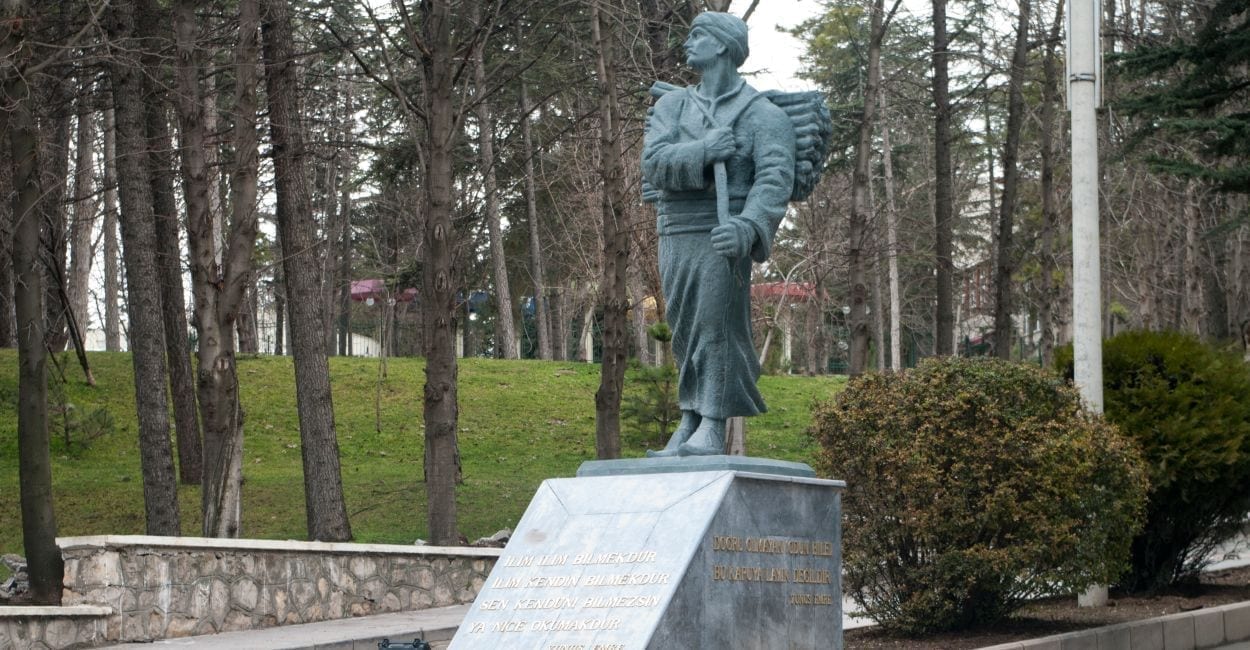
3. True Knowledge (İlim İlim Bilmektir)
This is one of Yunus Emre’s most famous poems. It critiques empty book knowledge that does not lead to self awareness.
Knowledge means to understand the world,
But true knowledge is to understand yourself.
If you do not know who you are within,
What is the value of the knowledge you win?
You read and study to find the truth,
But you only bind yourself with words, in sooth.
If you read but do not feel the meaning deep,
It is in vain, a promise you cannot keep.
Do not say: “I have read, I am learned,”
If your heart has not yet to the truth turned.
If you do not recognize the Essence, pure and fine,
Your journey remains empty, a small design.
Four holy books, heavy with wisdom’s weight,
Yet a single letter often holds a greater fate.
If you do not see the One in the Many,
Tell me, why do you read at all, if any?
Yunus Emre speaks to you, loud and clear:
“Go on pilgrimages, year after year.
But if you ask me what God loves best?
It is the heart that gives itself to the rest.”
4. The Alchemical Power of Love
Listen closely, friends, so near and dear,
Love is what has driven us, year upon year.
A heart that has never felt love’s hand,
Is like a dead stone in a desert land.
What grows in hearts so hard and cold?
First gentle words, but soon anger unfolds.
A quiet whisper turns quickly to a cry,
A spark is enough, and war is nigh.
But love makes souls melt like wax in the sun,
Lets flowers bloom even when winter has won.
Only hearts of stone, dark and heavy with weight,
Never find the warming light, resigning to fate.
He who truly understands God’s wisdom deep,
Is like an ocean that promises to keep.
One must dive into depths, wide and vast,
To find pearls of eternity that forever last.

5. I Found Nations in Graves
A “Memento Mori” (Remember Death) that reminds us of the equality of all people before deathwhether King or beggar. Just as we prepare our bodies with rituals like a day at a Turkish Hammam, we must prepare our souls for the inevitable.
In graves, I found nations, once full of life,
Powerful and proud, amidst glory and strife.
Brave souls, stories blown away by the breeze,
Where now the wind whispers through the trees.
Ministers, teachers, and heroes of old,
Death makes no difference, truth be told.
Their days are now wrapped in the night,
Fate has fulfilled itself, extinguishing their light.
Straight was their path, they never swayed,
With pens, poetry and laws they made.
Like nightingales, their songs once rang,
Now they rest in silence, where no birds sang.
Horses kicked up dust, trumpets did sound,
With drums they marched to the battleground.
Once land and sea bowed before their might,
Now their power is but a legend, empty and light.

6. The Book of the Body
We entered the realm of understanding,
Recognized the secrets of earthly landing.
With the sky in a whirl, the earth as a layer,
Under thousands of veils, we found light in prayer.
Night and day, the planets’ trace,
Holy words opened up in this space.
The journey of Moses, the Temple’s might,
Everything Israfil’s horn brings to light,
All this wisdom, so true and so pure,
We found in the body, in the human cure.
Torah, Psalms, or Quranic song,
Their deepest meaning is never wrong.
Their truths, without veil or decoration,
We discovered in Man, the ultimate creation.
7. The Language of 72 Nations
Let us listen to the doves in silence deep,
When their souls in wisdom their vigil keep.
We understood without hearing a word,
For true understanding can never be deterred.
We embraced love, became lovers indeed,
In every moment, fulfilling the need.
God divided the people into seventy two tongues,
But in love, unity is sung by our lungs.
Humble Yunus fills the earth and the air,
Like a flower with its scent, beyond compare.
Under every stone, the light waits to be seen,
And the truth never lies, keeping us keen.
8. Beyond Rituals
Our laws are written in a different script,
No dogma can see our love ripped.
We do not divide into sects or the pious,
We wait for the Truth to come and try us.
Without water for the ritual washing duty,
We need neither hands nor feet for beauty.
For our prayer is an inner sound,
An eternal, silent praise we have found.
Whether Kaaba, Mosque, or silent plea,
Everyone walks their own path to be free.
Who is who? Who is right? Who is wrong?
Tomorrow we shall see to whom we belong.
Yunus, renew your soul with speed,
Keep friends in your heart, a gentle creed.
Recognize the strength that rests in you,
And hear the whisper of love, so true.
9. The River of Unity
From the source of Truth, we drink clear,
And shout in wonder: God is here.
On the ocean of Power, we row away,
With strength, we reach the safe bay.
Beyond the hills, the forests, and leas,
We learn to trust the Divine decrees.
Our journey is blessed, step by step,
We take the Creator’s praise we have kept.
Like a river, we have shaped the plain,
Flowed into the sea, where waves remain.
Then in abundance, like the heavy rain,
We became one with the vast main.
Finding the path is not about a GPS or the correct Turkish address format; it is an internal migration. As a servant at Taptuk’s door he stands,
Yunus the Poor, reaching for Your hands.
Once he was raw, now he is “cooked” and pure,
In perfection, his soul shall endure.