Buying a TV in Turkey: The 2026 Guide to Prices & Warranties
Table of Contents
Walking into an electronics store in Istanbul or Ankara today feels vastly different than it did just a few years ago. The days of simply grabbing a global brand off the shelf and heading to the register are over. Inflation, shifting distribution strategies, and rapid technological leaps have reshuffled the deck. If you are looking to buy a TV in Turkey in late 2025, it’s not just about pixel countit’s about knowing which brands are still officially supporting the market and how to protect your wallet.
In this guide, we strip away the nostalgia and look at the hard facts: which models are actually available, what they really cost, and the specific traps foreign buyers need to avoid.
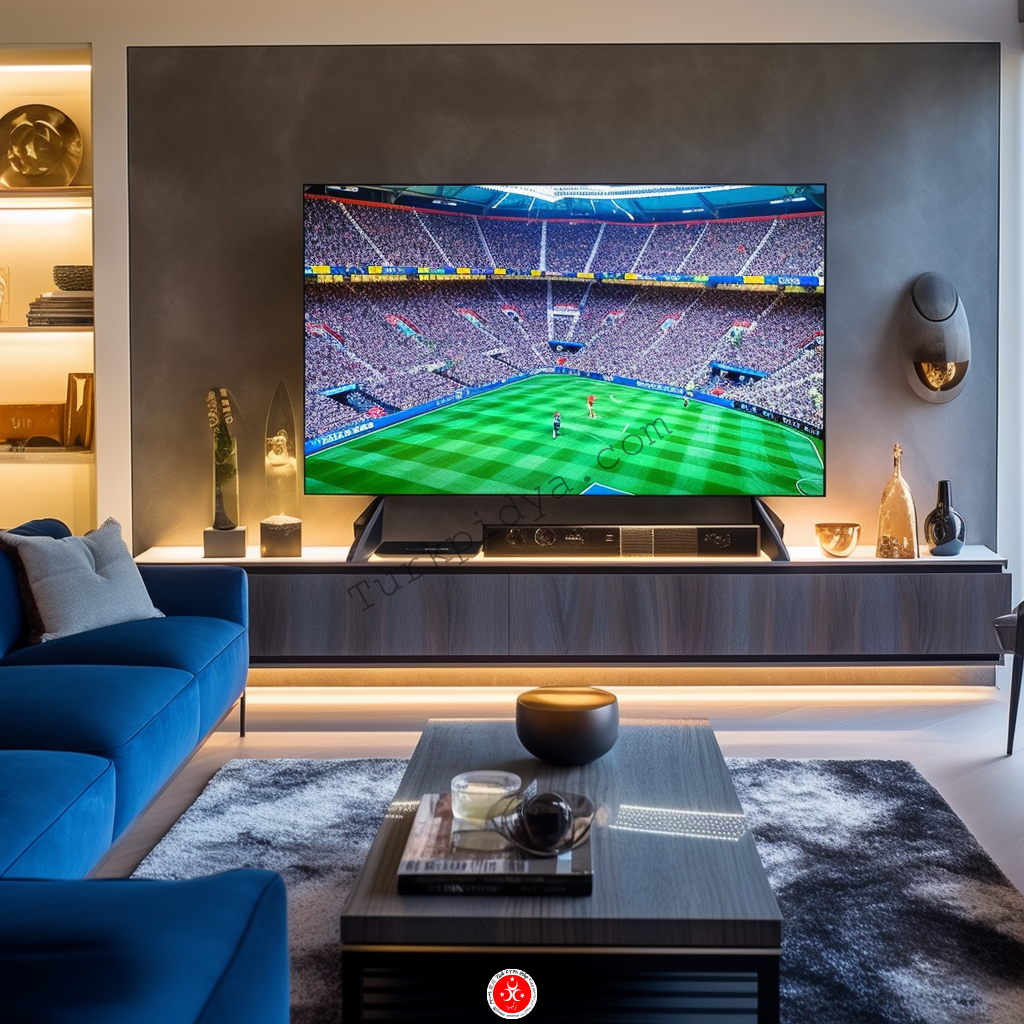
Reality Check: The End of the Plasma Era
Let’s clear up a common misconception right away: New Plasma TVs do not exist. Not in Turkey, and not anywhere else. This technology has been out of production for years, and in 2025, its market share is exactly 0%.
If you see Plasma units on second-hand platforms like Sahibinden or in small corner shops, these are either used relics or ancient dust gathering stock. The successors you should be hunting for today are OLED (for that perfect black level Plasma once promised) and Mini LED/Neo QLED (for brightness). These technologies have inherited the benefits of Plasma without the drawbacks of high power consumption or burn in.
Brand Radar: Who is Still in the Game?
This is where it gets critical for buyers in Turkey. Not every brand you recognize is officially represented here anymore. This has massive implications for warranty and service.
- The Market Leaders (Samsung & LG): These two giants dominate the landscape. Samsung holds nearly half of the market share. You will find authorized service centers and spare parts everywhere, making them the safest bet for long-term ownership.
- The Local Hero (Vestel): Vestel is the undisputed champion of price to-performance. As a domestic Turkish manufacturer, they are more immune to heavy import taxes, keeping their prices significantly lower than the competition.
- Proceed with Caution (Sony & Panasonic): You need to be very careful here. Sony no longer has an aggressive retail presence in Turkey, and many units sold are limited stock or parallel (grey market) imports. Sony Eurasia continues to provide service only for officially imported products. The same largely applies to Panasonic. If you buy these brands, you must verify exactly who is providing the warranty coverage in case of failure.
Price Update December 2025: What Does Quality Cost?
With the dollar exchange rate reaching approximately 42.95 TRY at the end of December 2025, we need to discuss prices in the context of local purchasing power. While rates fluctuate, here is the baseline for late 2025:
Entry and Mid Range (Vestel & Co.)
Forget the old days of 5,000 TL pricing. A solid Vestel 58-inch 4K Smart TV (e. g., model 58UT9850) now sits at approximately 33,499 TL in official stores. During campaigns at third-party retailers, you might snag similar models between 28,000 TL and 35,000 TL.
If you are planning a full living room makeover, it is worth exploring top Turkish furniture brands to ensure your new entertainment center matches the aesthetic of your home.
Premium Segment (Samsung & LG)
We are in a different league here. For cutting-edge technology, you will need to dig deeper into your pockets:
- Samsung Neo QLED (65 inch): The 65QN70F model starts around 63,940 TL.
- LG OLED (65 inch): A current C5 model (OLED65C54LA) costs roughly 104,078 TL. The smaller 55-inch B5 series can be found for about 61,500 TL.
- 8K Ultra High End: If money is no object, Samsung offers 98-inch 8K monsters for over 800,000 TL.
Much like the situation with iPhone 16 prices in Turkey, high-end electronics carry a significant premium due to the Special Consumption Tax (ÖTV), often making them more expensive here than in Europe or the US.
The New Standard Sizes
The definition of “big” has shifted. The 55-inch panel is the new standard for Turkish living rooms. Anything smaller (32-43 inches) is now typically relegated to the kitchen or bedroom.
- 55-65 Inch: The “Sweet Spot” for most apartments in Istanbul or Izmir.
- 75-85 Inch: The fastest growing segment. Since bezels have almost disappeared, these massive panels physically fit into the same wall space that old 60-inch units used to occupy.
- 98 Inch+: Brands like Samsung and TCL are aggressively pushing these sizes as a viable alternative to home cinema projectors.
Insider Tips: How to Buy Smart
1. The Warranty Trap (Critical!)
When shopping online in Turkey, you will encounter two very different terms: “Ithalatçı Garantili” (Importer Guaranteed) and “Distribütör Garantili” (Distributor Guaranteed). For expensive electronics, always verify it is “Distribütör Garantili.”
If a listing for a Sony or Panasonic TV says “Ithalatçı,” it means a third-party companynot the brand itselfis responsible for repairs. This is a common risk with grey market imports and can lead to nightmares if you need service.
2. Timing is Money
Prices often fluctuate weekly alongside the currency exchange rate. Major chains like Vatan or Teknosa frequently run “Night Bird” discounts (Gece Kuşu) on their websites late at night. It pays to track the price of your desired model for a few days before pulling the trigger.
3. The Tech Check
Don’t get blinded by marketing jargon. If you are a gamer, you strictly need HDMI 2.1 and a 120Hz refresh rate. If you only watch Turkish TV series or news, a 60Hz panel is perfectly adequate. Many budget 4K TVs cut costs exactly here.
For PC gamers planning to hook their rig up to the big screen: keep an eye on Nvidia graphics card prices as well, as they often suffer from the same volatility as high-end displays.
The Verdict
Buying a TV in Turkey in late 2025 requires vigilance. Ignore outdated advice about Plasma screens. If your budget is tight, a current Vestel model is the safest, most reliable choice. If you want high-end performance, stick to Samsung or LG, but ensure you are getting an official distributor warranty. The prices are high, but the visual fidelity of modern OLED and QLED generations justifies the investment for the years to come.