
Turks in France: The Hidden History and Modern Life of a Vibrant Community
Table of Contents
Have you ever walked through the bustling streets of Strasbourg Saint-Denis in Paris? If you close your eyes, the aroma of freshly baked simit (sesame crusted bread) and charcoal grilled meat might make you think you’ve landed in Istanbul. But you are in the heart of one of Europe’s most vibrant diasporas. This isn’t just about foodit is about a deep rooted history that has linked France and Turkey for over half a century.
Forget the dry history textbooks. We are diving into the real story of Turks in France: Who are they, how did they get here, and how are they silently shaping the economy and culture of the “Grande Nation” today?

More Than Just Guests: The Franco Turkish Identity
The Franco Turkish community is a demographic powerhouse in Europe. While migration to Germany began slightly earlier, the major wave to France officially kicked off in the mid-1960s. Today, experts estimate the number of people of Turkish origin in France to be between 800,000 and 1 million. This makes France home to the second largest Turkish community in Europe, right after Germany.
But statistics only tell half the story. What truly defines this community is its unique ability to synthesize cultures. These are Franco Turks—citizens who navigate the values of the French Republic and its strict secularism (laïcité) while fiercely preserving their Anatolian roots.
The Origin Story: The 1965 Agreement
While Germany signed its famous recruitment deal in 1961, France wasn’t far behind. The pivotal moment was the Bilateral Labor Force Agreement of April 8, 1965. Post-war France was hungry for labor to fuel its industrial boom, and thousands of workers from rural Turkey answered the call.
What began as temporary “guest work” quickly evolved into permanent settlement. By the 1970s, family reunification laws changed the game. Worker dormitories turned into family neighborhoods, and the first generation laid the foundation for what would become a community of business owners and entrepreneurs.
Why France? The Drivers of Migration
The reasons for moving have shifted over the decades, but the core motivations remain consistent:
- Economic Ambition: Originally, it was about factory jobs. Today, high skilled professionals and entrepreneurs move to Paris or Lyon to tap into dynamic European markets.
- Educational Prestige: Institutions like the Sorbonne have a global reputation. Many Turkish families and students specifically choose France for its academic rigor.
- Family Ties: With a million strong community already established, the social safety net for new arrivals is strong.
- Bureaucratic Reality: Moving countries involves a mountain of paperwork. If you are dealing with cross border residency or citizenship requirements, understanding the process is crucial. Our guide on the legalization of foreign documents is an essential resource for navigating these legal hurdles.
Where Do They Live? The Geographic Strongholds
The Turkish diaspora isn’t scattered randomly; it is concentrated in France’s industrial heartlands:
- Alsace (Eastern France): Cities like Strasbourg and Mulhouse have some of the highest densities of Turkish residents, partly due to the proximity to Germany. The town of Bischwiller is even affectionately nicknamed “Turkwiller” by locals because the community is so integral to the town’s identity.
- Paris & Île de-France: The 10th Arrondissement, specifically around Rue du Faubourg Saint Denis, is known as “La Petite Turquie.” This is where you go for the best baklava or to find a reminder of home.
- Rhône Alpes: Lyon and Grenoble serve as major hubs with highly active cultural associations.
Economy & Culture: The “BTP” Kings
The economic footprint of the Turkish community has evolved dramatically. While the grandfathers worked on assembly lines, their grandsons now own the construction companies. The Turkish community in France has a massive presence in the Construction and Public Works sector (BTP). In regions like Alsace, a significant percentage of masonry and facade companies are Franco Turkish owned.
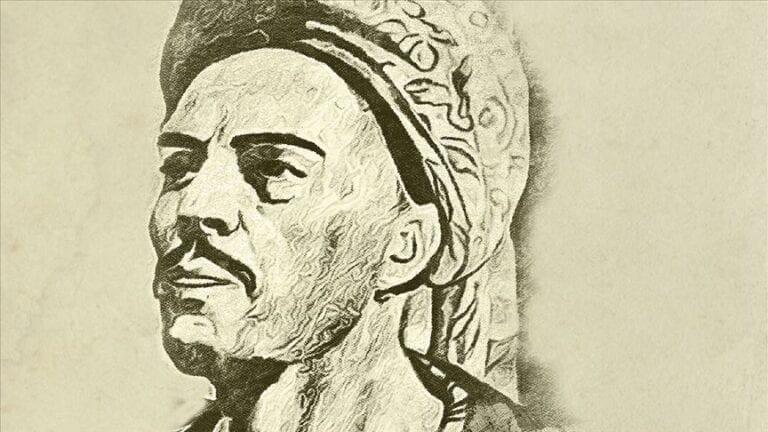
Culturally, the influence is just as palpable. It’s not just about Döner Kebab anymore (though it remains a staple). It’s about a synthesis of art and philosophy. Just as the poet Yunus Emre bridged spiritual gaps centuries ago, today’s Franco Turkish artists and associations bridge the cultural gap between the East and the West.
Key Organizations and Networks
If you are looking to connect, these organizations are the pillars of the community:
- Union des Associations Turques de France (UATF): An umbrella organization that coordinates local associations and advocates for cultural integration.
- Fédération des Entrepreneurs Franco Turcs (FEDIF): A vital network for business owners, fostering trade and helping entrepreneurs navigate both French and Turkish markets.
- Association Culturelle Turquie France: These local clubs, often found in Paris, promote dialogue through language classes and shared events.
- Chambre de Commerce Franco Turque (CCFT): With offices in Marseille and Paris, this is the go-to for import export inquiries. If you need to send official parcels or gifts back to relatives, make sure you check the correct Turkish address format to avoid shipping delays.
The Turkish Embassy in Paris
For visa issues, passports, or official representation, the Embassy in Paris is your primary resource. It is housed in a historic building in the prestigious 16th Arrondissement.
Contact Information
Address:
16, Avenue de Lamballe
75016 Paris, France
Communication:
Phone: +33 1 53 92 71 11
Email: [email protected]
Tip: Most consular services (like power of attorney or passport renewals) now require an appointment booked online in advance. Do not just show up!
The story of Turks in France is one of resilience and reinvention. From the construction sites of the 1960s to the boardrooms of 2026, they have proven that integration doesn’t mean erasing your identity. Whether it’s a contractor in Alsace or an artist in Paris, the Franco Turkish mark on the country is indelible.