Agriculture in Turkey: 2026 Outlook, Harvest Statistics & New Incentives
Table of Contents
If you walked through a Turkish market in late 2025, you likely noticed a paradox: the produce was as vibrant as ever, but the prices told a story of struggle. Agriculture in Turkey remains the economy’s backbone, yet the sector just weathered a perfect storm. Historic drought, skyrocketing labor costs, and a complete overhaul of state subsidies defined the year.
This wasn’t just a bad weather year; it was a wake up call. While productivity per hectare is high, the rules of the game have changed. In this report, we cut through the noise to analyze the 2025 harvest results, the winners and losers, and the new government “Production Planning Model” that will dictate where and what you can farm in 2026.
The Triple Threat: Climate, Water, and Labor
- A Historic Drought: 2025 will go down in the books as one of the driest years in recent memory. Meteorological data reveals that the critical growing window from October to March saw the lowest rainfall in 65 years. From the industrial hub of Marmara to the plains of Southeast Anatolia, no region was spared. In breadbasket provinces like Konya and Şanlıurfa, rain fed crops barely stood a chance.
- The Sinkhole Crisis: The hydrological drought forced authorities to turn off the tap. Strict irrigation bans were enforced, but the damage below ground is visible. In Central Anatolia, the number of obruks (massive sinkholes) accelerated as groundwater levels plummeted further. Experts are no longer just warning about desertification; in some areas, it is already here.
- The Cost of Hands: Turkey has a vast labor pool, but inflation has driven the price of sweat to new highs. By late 2025, the monthly cost for a permanent farmhand hovered between 22,000 and 26,000 TL. But the real shock came in seasonal labor: in the fertile Çukurova region, daily wages for mevsimlik işçi (seasonal workers) hit 1,000 TL—effectively doubling year over-year. For labor intensive crops like cotton and fruit, this erased margins overnight.
- The New Rulebook (2025-2027): The era of “plant whatever you want” is over. 2025 marked the launch of the government’s “Production Planning Model.” Subsidies are now strictly tied to state approved planting schedules. The goal? Force a reduction of water guzzling crops in arid zones while boosting strategic staples like grain and oilseeds.
- Logistics as a Lifeline: Despite production hiccups, Turkey remains a critical logistics hub feeding Europe, Russia, and the Middle East. For investors looking at the bigger commercial picture, our analysis of the Top 10 Largest Companies in Turkey highlights the heavyweights moving these goods.
2025 By The Numbers: A Reality Check
Agriculture’s slice of the GDP pie is shrinking, but its strategic importance is growing. The 2025 data shows clear braking marks caused by the climate crisis.
- Land Use: Turkey cultivates roughly 24 million hectares, with 77% dedicated to arable crops like cereals. While state mega projects are expanding irrigated land, they couldn’t offset the lack of rain in 2025.
- GDP Contribution: While the broader Turkish economy posted moderate growth, the agricultural sector contracted in value during the first three quarters. Its share of GDP currently sits between 5.5% and 5.8%.
- Export Power: Turkey remains a food export giant. Interestingly, while export volumes dropped for raw commodities, total revenue held steady thanks to higher global prices and processed goods. For a deeper dive into these flows, check our report on Turkey’s Foreign Trade Indices.
- The Harvest Gap: Early estimates from the Turkish Statistical Institute (TÜİK) indicate a 5% drop in grain production and a staggering 25% drop in fruit yields. The only outlier? Corn, which defied the odds.
- Structural Reform: To combat inefficiencies, the government has started forcibly leasing state owned fallow land. If you are looking to enter the land market, understanding the legalities is keystart with our guide to the Notary Public in Turkey, as they handle the critical lease contracts.
Harvest Report: The Winners and Losers
The weather created a sharp divide in 2025: irrigated crops survived, while dry farmed crops and sensitive fruits suffered.
Cereals & Grains
Wheat: The Empty Breadbasket
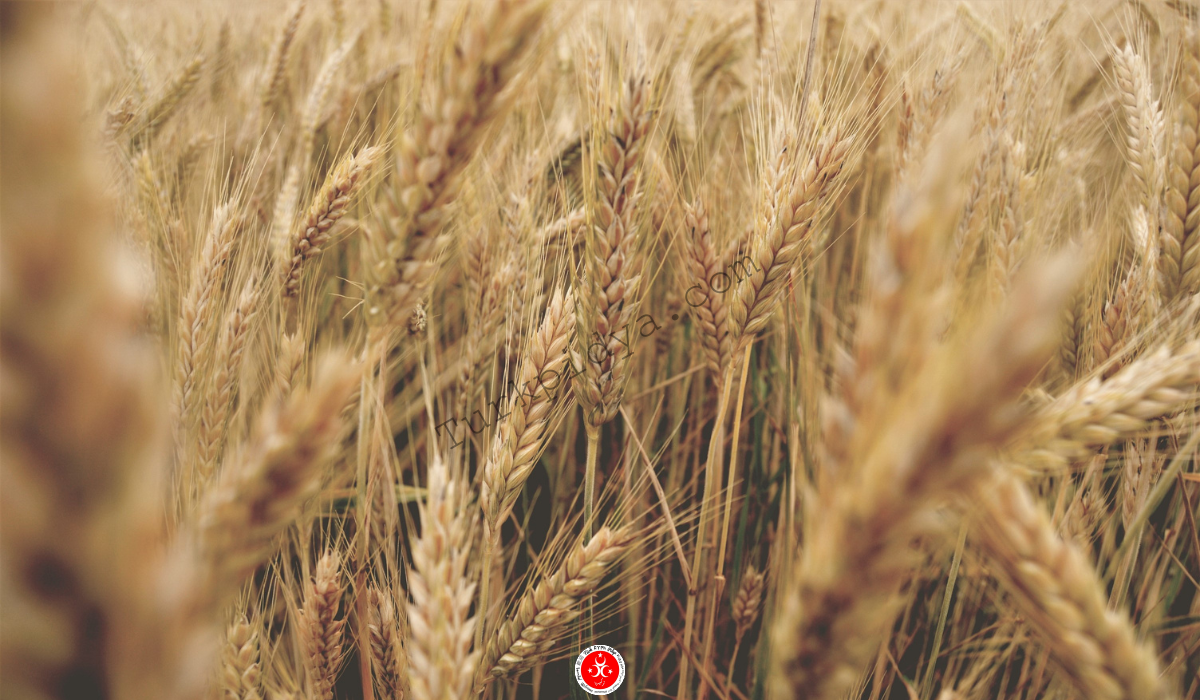
Wheat is Turkey’s food security lifeline. The 2025 harvest came in at an estimated 19.6 million tons, a painful drop from the previous year’s 21 million. Central Anatolia took the hardest hit, with drought stunting growth in the critical spring months. To keep the massive flour and pasta industries running, Turkey will remain heavily dependent on imports, even as it chases a long-term goal of 30 million tons.
Barley: Feed Shortages
Barley is essential for Turkey’s livestock sector. Production crashed to roughly 7.5 million tons in 2025. This shortfall is driving up feed costs, which inevitably impacts dairy prices. For context on why this matters to the consumer, see our analysis of Turkish Milk Production Trends.
Corn: The Irrigated Winner
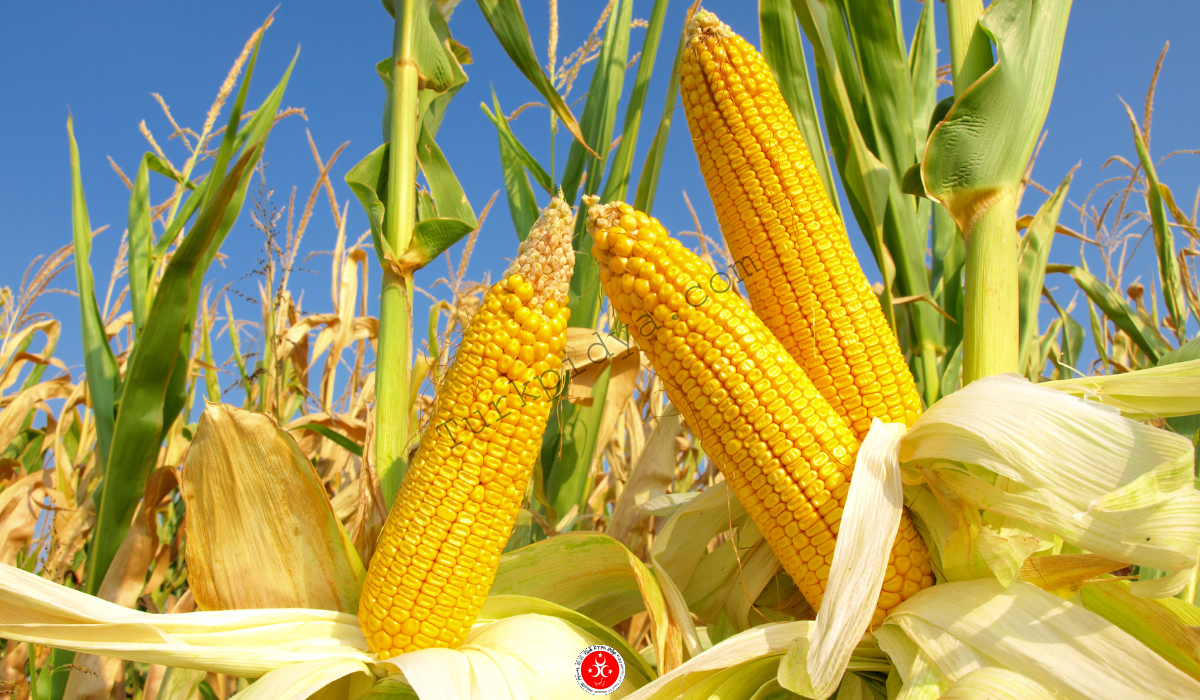
While wheat withered, corn thrived. Because corn is predominantly grown in irrigated fields, it was shielded from the drought. Production rose nearly 5% to an estimated 8.5 million tons. This is good news, but Turkey still needs about 12 million tons annually to satisfy demand, keeping the import door wide open.
Industrial Crops
Cotton: The White Gold Struggle
Cotton feeds Turkey’s massive textile engine. The 2025/26 season saw fiber cotton production settle between 700,000 and 800,000 tons. Growers were squeezed by high water costs and the labor wage spike mentioned earlier. Despite the friction, Turkey remains a global textile heavyweight. You can see the end result of this supply chain in our guide to LC Waikiki, the retail giant built on Turkish cotton.
Sugar Beets
Production remained relatively stable at over 21 million tons. State owned Türkşeker acted as a stabilizer, guaranteeing purchases to prevent any sugar shortages despite a slight dip in yield compared to 2024.
Tea
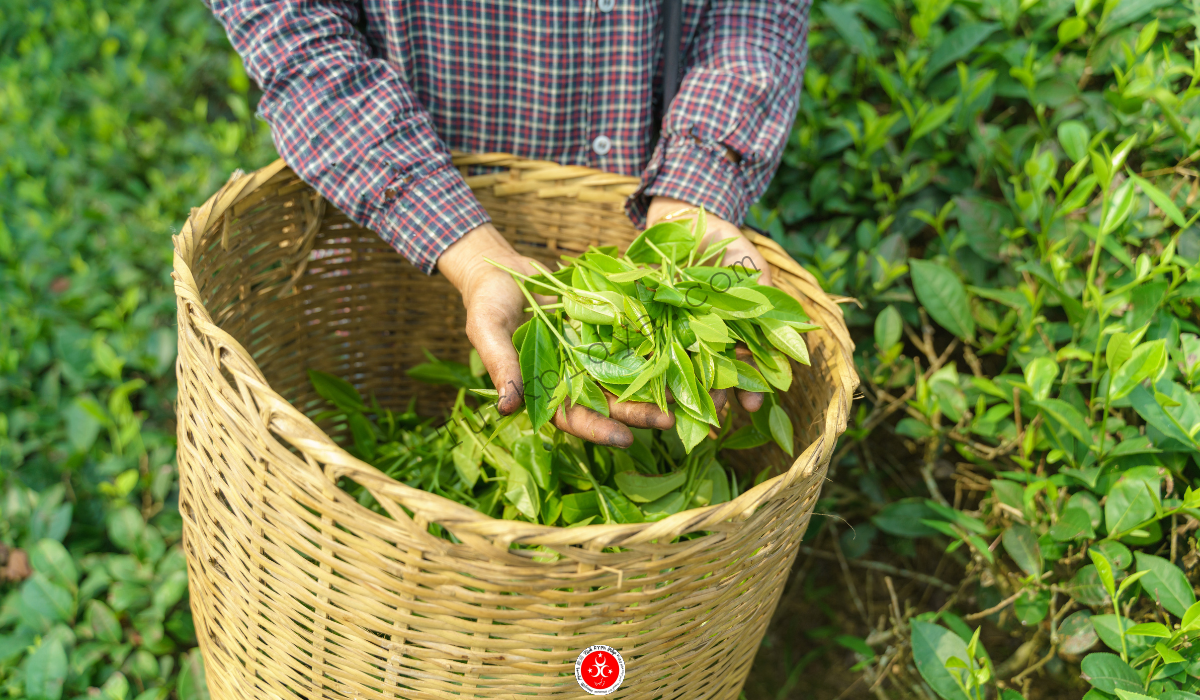
The humid Black Sea coast is immune to the droughts plaguing the south. Tea production held firm at around 200,000 tons of dry tea, almost entirely satisfying the thirst of the world’s highest per capita tea drinkers.
Oilseeds & Fruits
Olives: The “Yok” Year
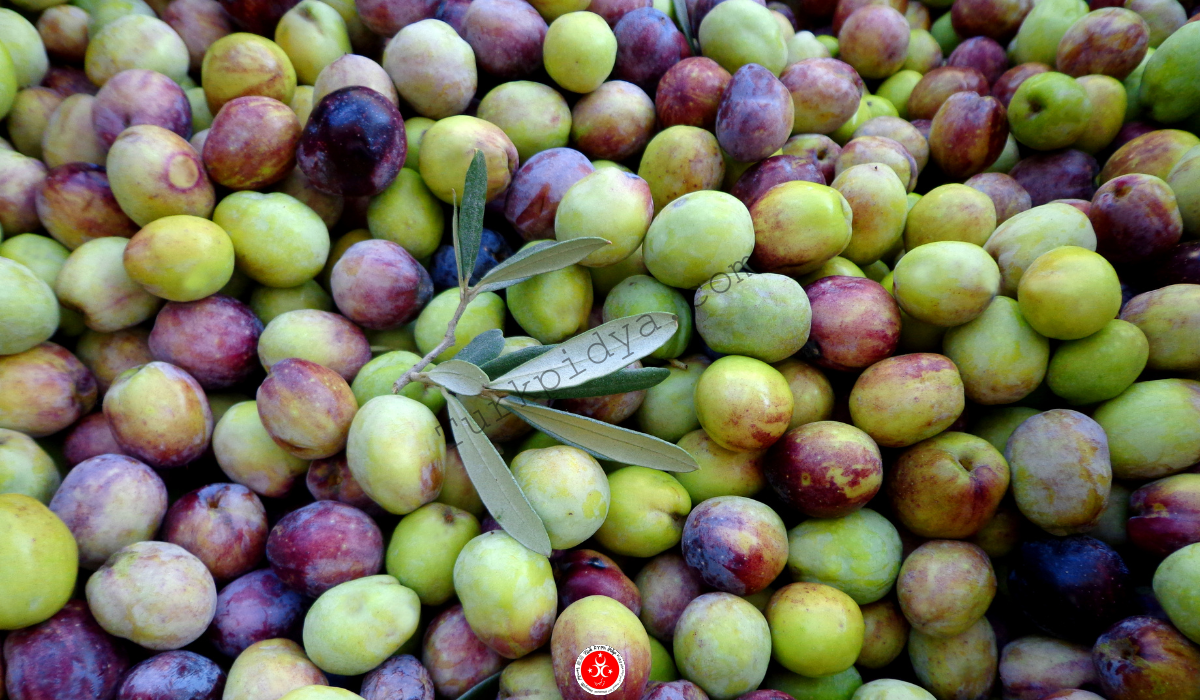
Olive trees follow a biological cycle of “on” and “off” years (known locally as a Yok year). After a record breaking 2024, 2025 was a natural rest year. The harvest dropped to an estimated 2.45 million tons. While this is a sharp correction, carry over stocks are healthy enough to keep exports flowing.
Hazelnuts: The Nutella Crisis
Turkey controls 70% of the global hazelnut market, but 2025 was a crisis year. A combination of late frosts and an invasion of the Brown Marmorated Stink Bug pushed yields below 500,000 tons. This shortage has sent global prices rallying, squeezing margins for confectioners worldwide.
The Lay of the Land: Key Agrarian Zones
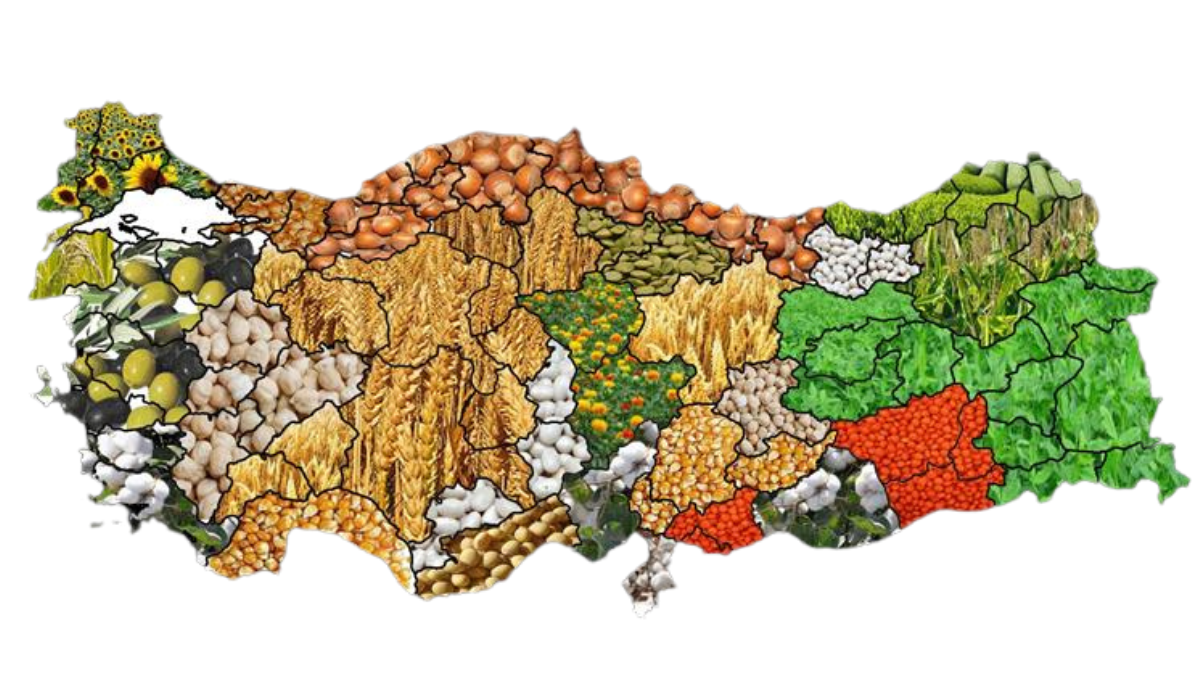
Understanding Turkey’s agriculture requires looking at its diverse climate zones:
- Central Anatolia (The Breadbasket): The heartland for wheat and sugar beets. This region is ground zero for the new water conservation policies.
- Aegean & Mediterranean (The Export Hubs): Home to greenhouses, citrus, and olives. If you’re buying Turkish produce in a European supermarket, it likely came from here.
- Black Sea (The Green Belt): Wet and steep, perfect for hazelnuts and tea. It’s also a stronghold for dairy farming.
- Southeast Anatolia (The GAP Region): Massive dams irrigate this semi arid zone, making it the king of cotton, corn, and red lentils.
New Government Incentives (2025-2027)
The government has realized that throwing money at farmers isn’t enough; they need to direct where that money goes. The new subsidy model is radical:
- Basic Support: For strategic crops (wheat, barley, oilseeds), the state now covers a flat 50% of diesel costs and 25% of fertilizer costs.
- Planned Production Bonus: This is the game changer. Farmers who follow the Ministry’s specific planting mapespecially by avoiding water intensive crops in dry basinsget “Platinum” support. This covers up to 100% of diesel and 50% of fertilizer costs.
- Use It or Lose It: In a controversial move, the state can now forcibly lease out land that has been left fallow for two years, ensuring no hectare goes to waste.
- Financing: The state backed Ziraat Bank continues to offer subsidized loans, but the focus has shifted entirely to modern irrigation tech and efficiency upgrades.
The Bottom Line: Turkish agriculture is in a painful but necessary transition. The cheap, abundant yields of the past are being replaced by a managed, resource conscious system. For investors and partners in 2026, the opportunities lie not in traditional farming, but in the technologiesdrip irrigation, drought resistant seeds, and automation that will save it.