Turkish Ministry of Agriculture: 2026 Guide for Expats & Investors
Table of Contents
Forget the boring bureaucracy for a second. If you are planning to buy a vineyard in Izmir, bring your Golden Retriever to Istanbul, or export hazelnuts to Germany, the Turkish Ministry of Agriculture and Forestry (T. C. Tarım ve Orman Bakanlığı) is the single most important authority you will deal with.
It is not just about tractors and wheat fields. This ministry holds the keys to food safety, water resources, and crucially for foreignersland zoning permits. With a budget skyrocketing to nearly 438 billion TL for 2025, it is a financial powerhouse driving the Turkish economy.
What is the Ministry of Agriculture?
The Ministry manages Turkey’s vast agricultural ecosystem, from the tea gardens of the Black Sea to the greenhouses of Antalya. Founded originally on March 6, 1924, it has evolved into a modern super agency following its merger with the Forestry Ministry in 2018.
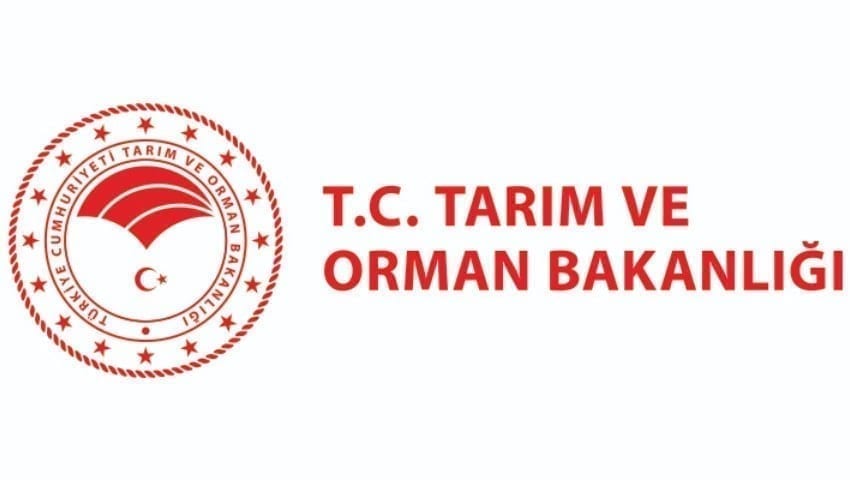
The Hidden Meaning in the Logo
Take a closer look at the Ministry’s emblem. It features 16 stars, symbolizing the 16 Great Turkish Empires throughout history. The three curved lines in the center aren’t just design elements; they represent the holy trinity of agriculture: Water, Air, and Soil.
The 2025 Budget: A Massive Jump
Money talks, and the Turkish government is shouting. While the 2023 budget was around 133.7 billion TL, the allocated budget for 2025 has surged to approximately 438 billion TL.
Why does this matter to you? This massive injection covers subsidies for farmers, irrigation projects, and rural development grants. If you are a foreign investor with a registered Turkish company, you may be eligible for some of these incentives, particularly under the IPARD programs which offer up to 50% grants for specific rural investments.
The “Street Smarts”: Why Expats Need This Ministry
Most general guides just list the departments. As an expat or investor, you need to know where the friction points are. Here is how you will actually interact with them:
- Buying Land (The “SİT” Trap): Before you buy that dream plot with a sea view, visit the local District Agriculture Office (İlçe Tarım). If the land is classified as a “protected agricultural zone” (Tarım SİT alanı), you might be legally banned from building a house there, no matter what the real estate agent tells you.
- Bringing Pets to Turkey: The Ministry’s veterinarians at customs are the ones who check your cat or dog’s paperwork. Without their seal of approval on your titer test, your furry friend isn’t entering the country.
- Bureaucracy & Permits: Whether you are starting a boutique cheese factory or just a hobby farm, you will need permits. This often involves the legalization of foreign documents to prove your status or capital origin.
Key Responsibilities & Departments
The Ministry is divided into specific General Directorates. Knowing which one to contact saves you hours of holding on the phone.
- Food & Control (Gıda ve Kontrol): The enforcers. They inspect restaurants, approve food imports, and manage animal disease control. If you are interested in the booming dairy sector, read our deep dive on Turkish milk production trends.
- Plant Production (Bitkisel Üretim): Oversees everything that grows in the ground, including seed certification.
- General Directorate of Forestry (OGM): The guardians of Turkey’s green lungs. They manage forest fires, reforestation, andimportantly for hikersnational parks.
- State Hydraulic Works (DSİ): The water masters. They build the dams and manage the irrigation channels that keep Anatolia green.
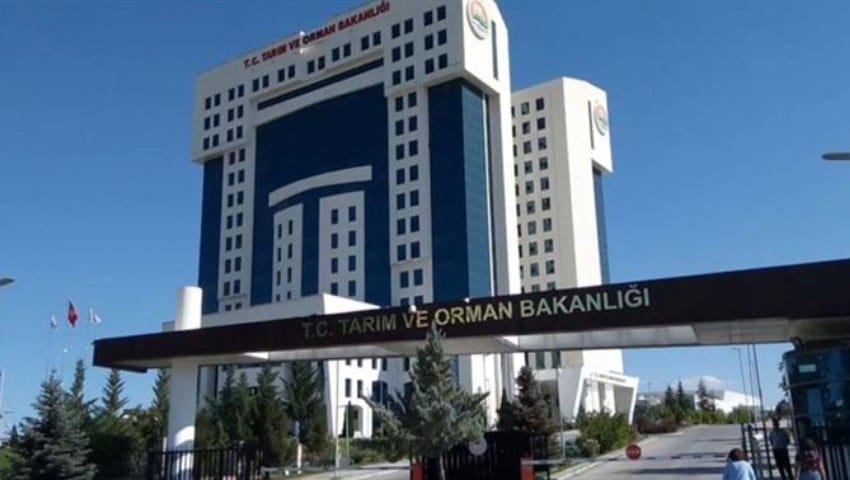
How to Contact the Ministry
Dealing with Turkish bureaucracy requires precision. If you are sending physical mail, ensuring the correct format is vital to avoid your parcel getting lost. Check our guide on the Turkish address format before sending any official applications.
Official Contact Details:
Address:
T. C. Tarım ve Orman Bakanlığı
Üniversiteler Mah. Dumlupınar Bulvarı, No: 161, 06800
Çankaya / ANKARA
Phone:
+90 312 287 33 60
For more details, you can visit their official English website here.