Turkish Cheese Guide: Varieties, Protected Names and How to Buy
Name the cheese you see, read the label, know what you cannot pack: 20 Turkish cheeses, two EU-protected names and the phrases for the counter.
Table of Contents
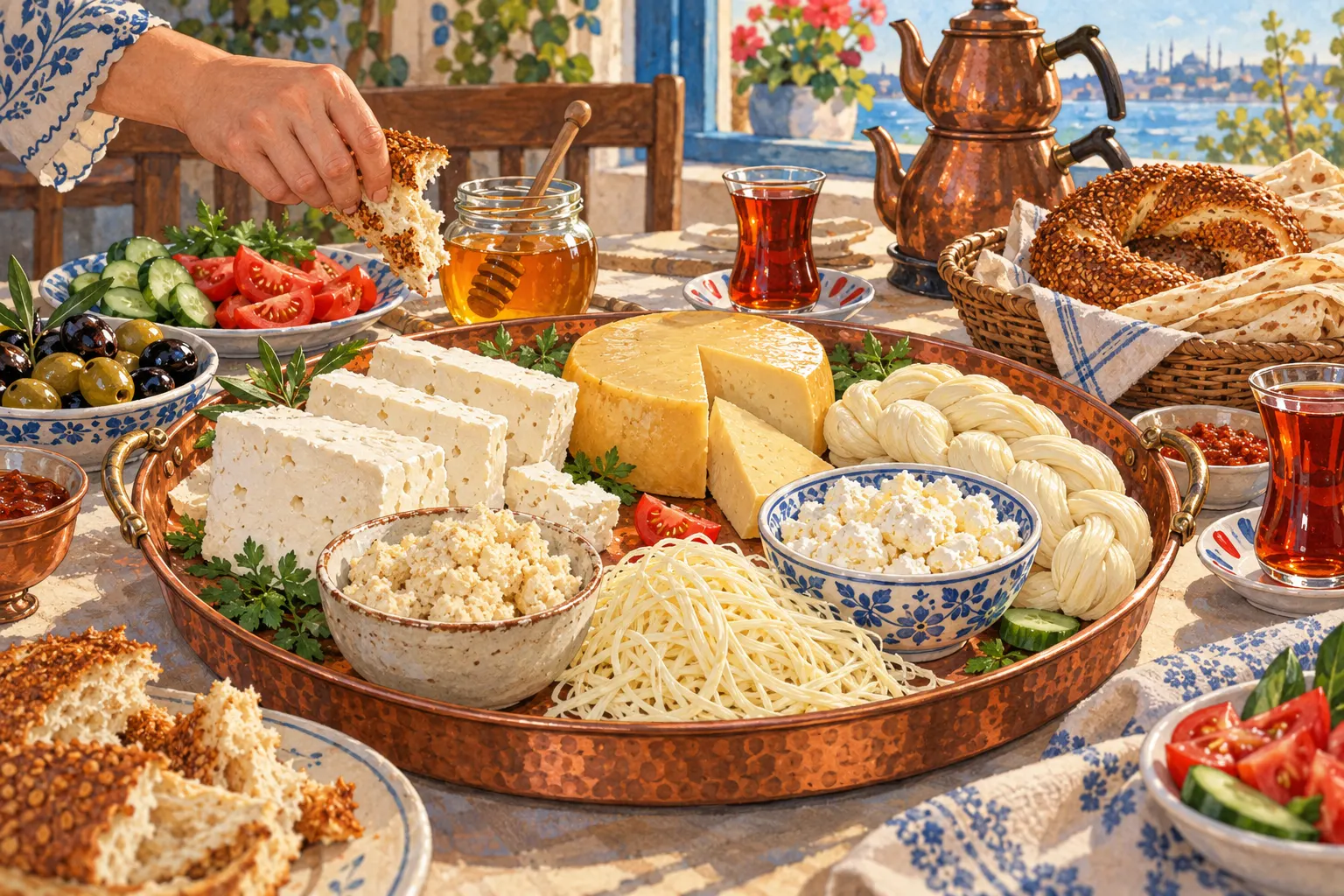
Most Turkish cheese you meet is one of four: beyaz peynir, white and brined; kaşar, yellow and scalded; tulum, pressed into a skin or pot; or lor, fresh whey curds. The regional types add stringy tel and örgü, holed gravyer, blue-veined küflü and herb-flecked otlu. Two names are protected in the EU, Ezine Peyniri and Erzincan Tulum Peyniri, and cheese is one thing you cannot carry home in your luggage.
Turkish cheese, in short · checked 17.10.2026
Four families, two EU-protected names, one thing you cannot pack.
- Beyaz peynir – brined white cheese, fresh or ripened; the label says which.
- Kaşar – scalded-curd yellow cheese; “eski” on a label means at least 120 days of ripening.
- Tulum and lor – tulum is crumbled curd pressed into a skin or pot and ripened; lor is fresh whey curds.
- Protected names – TÜRKPATENT lists 45 cheese names from Türkiye; two of them, Ezine and Erzincan Tulum, are also EU protected designations of origin (PDO).
- Taking it home – milk products cannot go into the EU or Great Britain in your luggage; honey can, up to 2 kg.
Cheese counter · 20 cheeses
What do you see on the cheese?
Twenty cheeses on one counter, each slip written from the registry text of its name. Pick what you see on the cheese and the ones that have it light up.
Tap a feature to light the cheeses that have it. Tap a cheese for its slip.
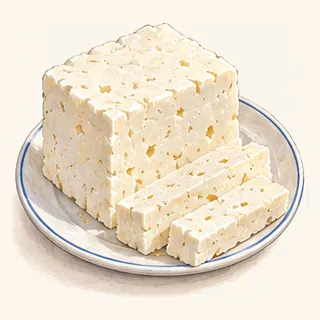
Menşe adı · No. 86 · Çanakkale
Ezine Peyniri
EU PDO
On the slipHolesGoat milkEU-protected
- Milk
- Sheep 35–45 %, goat at least 40 %, cow at most 25 %
- Look
- Off-white to light yellow, medium-firm and not crumbly, with a few small holes
- Made
- Brined and sealed in tins; matured at least 8 months at 2–4 °C
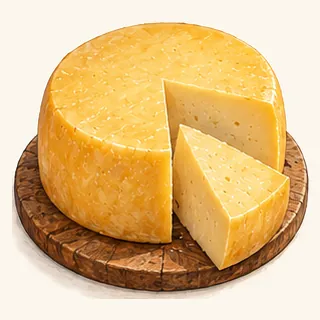
Menşe adı · No. 190 · Kars
Kars Kaşarı
On the slipnone of the eight features
- Milk
- Mostly cow; sheep and goat milk may be added
- Look
- White when it leaves the mould, yellowish within a week as the rind forms
- Made
- Curd scalded, kneaded and shaped by hand; mature kaşar rests at least 90 days before sale
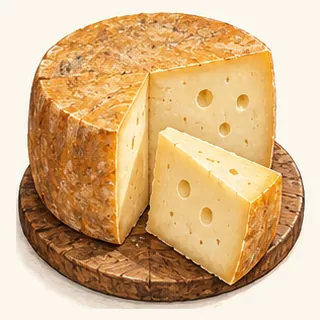
Mahreç işareti · No. 1640 · Kars
Kars Gravyer Peyniri
On the slipHoles
- Milk
- Cow, raw or pasteurised
- Look
- Hard golden-brown rind; ivory inside with round holes, at most 4 in a 15 × 15 cm cut and none over 1 cm
- Made
- Ripened 6–12 months; creamy and nutty
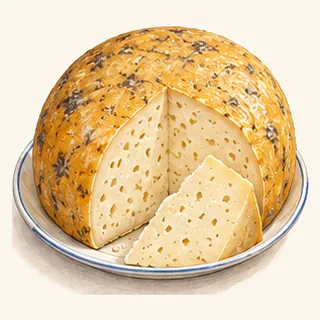
Mahreç işareti · No. 1405 · Balıkesir
Savaştepe Mihaliç Kelle Peyniri
On the slipHoles
- Milk
- Sheep and cow (sheep at least 40 %), or cow alone
- Look
- Hard rind; yellow to white inside with even small holes, none over 10 mm
- Made
- Curd hung in cloth and pierced into a “kelle” (head) shape; ripened in brine at least 120 days
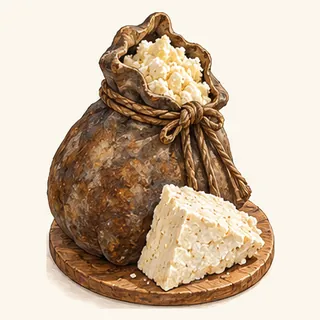
Menşe adı · No. 30 · Erzincan
Erzincan Tulum Peyniri
EU PDO
On the slipSkin, pot or woodEU-protected
- Milk
- At least 95 % Akkaraman sheep’s milk, raw
- Look
- White to cream, semi-hard, clearly sour
- Made
- Salted, crumbled curd pressed into goat or sheep skins; raw milk, so at least 4 months’ ripening
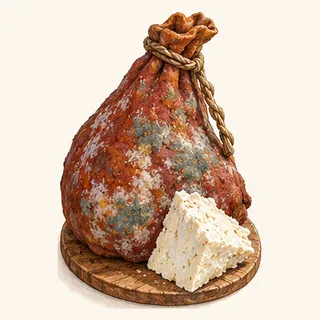
Menşe adı · No. 270 · Karaman
Karaman Divle Obruğu Tulum Peyniri
On the slipSkin, pot or woodMouldGoat milk
- Milk
- Raw goat, cow and sheep milk, mixed 1 : 1 : 8
- Look
- A skin that grows blue, then white, then brick-red mould
- Made
- Pressed into goat or lamb skins and ripened 5–6 months in the Divle cave, at about 4 °C
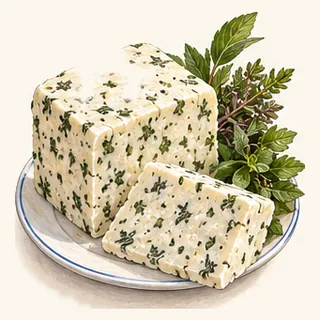
Menşe adı · No. 405 · Van
Van Otlu Peyniri
On the slipHolesHerbs or seedsSkin, pot or wood
- Milk
- Mostly sheep; cow, goat or a mix
- Look
- White to yellowish with small holes and herb flecks all through; garlic and thyme aroma
- Made
- About 2 % herbs (around 20 kinds) mixed into the curd; ripened 3–7 months in pots or tubs buried in the ground
- At the table
- Eaten at every meal of the day in Van
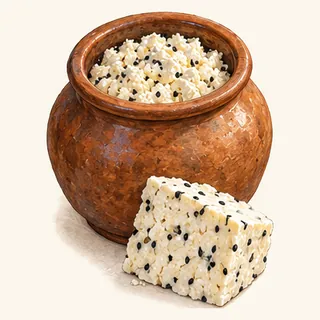
Mahreç işareti · No. 1560 · Kayseri
Talas Çörekotlu Çömlek Peyniri
On the slipHerbs or seedsSkin, pot or wood
- Milk
- Cow; at least 25 % sheep or goat milk is optional
- Look
- Firm and close-textured, no holes, black nigella seeds all through
- Made
- Crumbled, salted curd pressed into clay pots and ripened at least 4 months; at most 50 g of nigella per kg
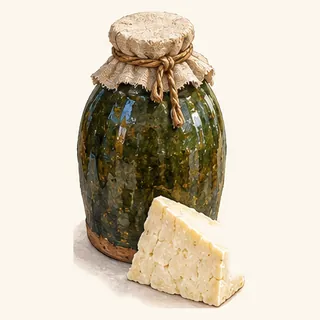
Menşe adı · No. 679 · Hatay
Antakya Carra Peyniri
On the slipSkin, pot or wood
- Milk
- Cow or goat cheese, layered with cow-milk çökelek curd
- Look
- Salty; bites the tongue slightly and leaves a lasting aroma
- Made
- Pressed in layers into a clay jar (carra), sealed, buried mouth down and matured at least 4 months; Hatay jars have a dark green glaze
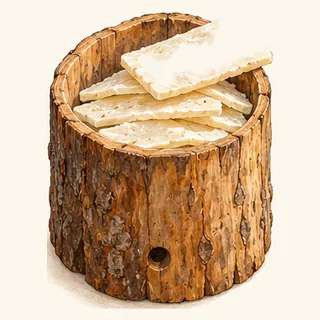
Menşe adı · No. 1199 · Rize
Çayeli Koloti Peyniri
On the slipSkin, pot or wood
- Milk
- Jersey and cross-bred cows
- Look
- Dirty-white, flat and thin; low fat (5–12 %)
- Made
- Ripened in a hollowed pine log with a drain hole; the wood gives the aroma
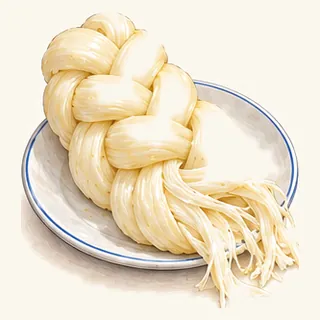
Mahreç işareti · No. 170 · Diyarbakır
Diyarbakır Örgü Peyniri
On the slipStrands & plaits
- Milk
- Mostly raw sheep milk in spring; goat or cow milk when sheep milk is short
- Look
- Cream-white plait that pulls into threads by hand; no gas holes, no rind
- Made
- Elastic scalded curd shaped like a hair plait
Menşe adı · No. 1563 · Ardahan
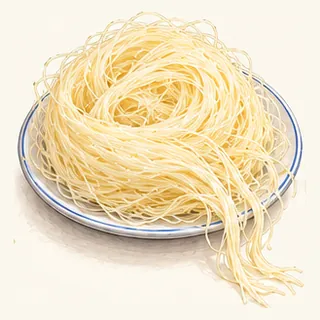
Hanak Tel Peyniri
On the slipStrands & plaits
- Milk
- Cow (Anadolu Esmeri), June–September milk
- Look
- Bright pale-yellow threads 0.6–3.8 mm thick, up to about 6 m long, that do not stick together
- Made
- Curd kneaded and stretched into threads, then brined
Mahreç işareti · No. 116 · Erzurum
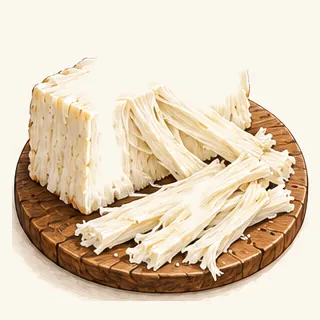
Erzurum Civil Peyniri
On the slipStrands & plaits
- Milk
- Skimmed cow’s milk
- Look
- White block about four fingers wide with strands running through it
- Made
- Curd heated, kneaded and hung until it forms strands; a scalded-curd cheese, kept in brine
Mahreç işareti · No. 746 · Sakarya
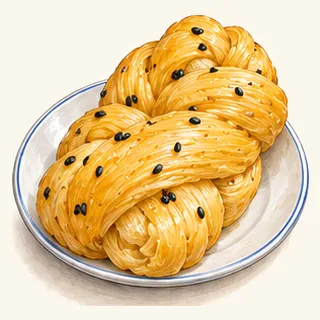
Sakarya Abhaz (Abaza) Peyniri
On the slipStrands & plaits
- Milk
- Animal not fixed in the registry text
- Look
- Amber-yellow, fibrous, usually plaited; it stretches in hot water
- Made
- Scalded twice in whey; ripened 2 months at 3–6 °C; nigella or thyme may be added
Mahreç işareti · No. 164 · Erzurum
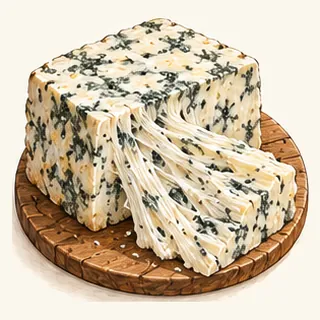
Erzurum Küflü Civil Peyniri (Göğermiş Peynir)
On the slipMould
- Milk
- Civil (skimmed cow’s milk), with or without lor
- Look
- Shredded civil that moulds naturally
- Made
- Shredded civil, alone or mixed with lor, pressed into drums so the whey drains, then left to mould naturally
- At the table
- Erzurum’s breakfast trio: küflü civil, lavaş bread and tea
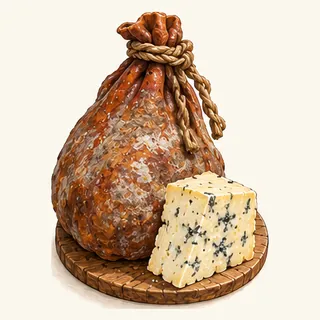
Mahreç işareti · No. 1683 · Balıkesir
Kepsut Bükdere Küflü Katık Peyniri
On the slipMouldSkin, pot or woodGoat milk
- Milk
- Goat and sheep milk yoghurt, 1 : 1 or 1 : 2
- Look
- Yellowish cream to white with thin blue mould veins; breaks apart under pressure
- Made
- Salted, strained yoghurt pressed into kid or goat skins treated with oak bark; about 9 months in a cellar at 10–20 °C
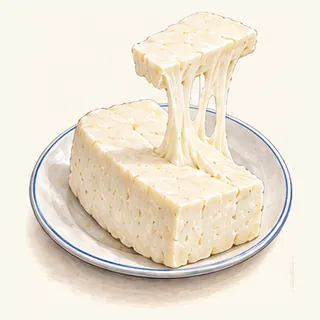
Mahreç işareti · No. 979 · Hatay
Antakya Künefelik Peyniri
On the slipMelts or fries
- Milk
- Cow’s milk today (once small ruminants)
- Look
- Smooth; unsalted (keeps a few days) or salted “kestane” type (keeps months)
- Made
- Made to stretch in künefe: it turns stringy above 65 °C
- At the table
- Goes inside Antakya künefe
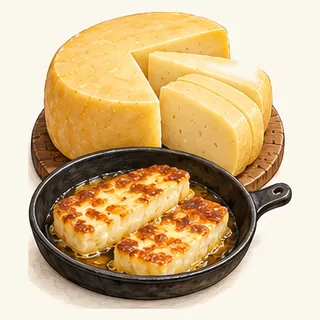
Mahreç işareti · No. 1482 · Bolu
Mengen Peyniri
On the slipMelts or fries
- Milk
- Cow or sheep
- Look
- Pale-yellow cylinder that looks like kaşar; low-fat and semi-hard
- Made
- Milk pasteurised at 63 °C or more for 30 minutes, then set with rennet (about 10 L per kg)
- At the table
- Fresh, or fried in a pan or grilled
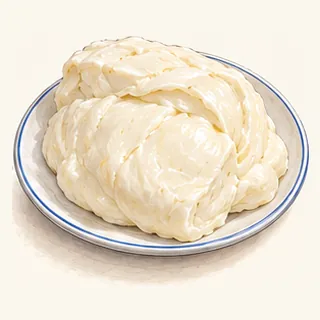
Mahreç işareti · No. 694 · Gümüşhane
Gümüşhane Deleme Peyniri
On the slipMelts or fries
- Milk
- Cow’s milk
- Look
- Smooth, soft and slippery, no holes; mildly sour
- Made
- Soured curd (no rennet) scalded in fatty milk, kneaded and shaped; melts when heated; eaten fresh or ripened
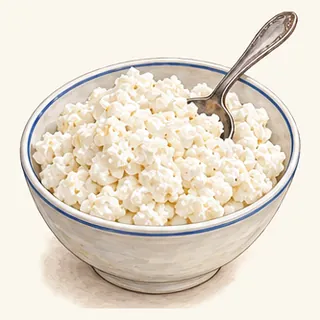
No registered name · a type defined in the Peynir Tebliği
Lor peyniri
On the slipnone of the eight features
- Milk
- Whey (a whey cheese)
- Look
- Fresh, wet, soft curds
- Made
- Whey proteins set by heat at the right acidity, then strained; eaten fresh; the legal ceiling is 75 % moisture
Menşe adı: every step happens in the named area. Mahreç işareti: at least one step does (TÜRKPATENT). A feature lights only where the registry text states it; lor is a type defined in the Peynir Tebliği, not a registered name.
The breakfast table five cheeses, named
On a Turkish breakfast table the white block is beyaz peynir, the yellow wheel kaşar, the plait örgü, the crumbs tulum and the wet curds lor. Tap a number to see what each one is.
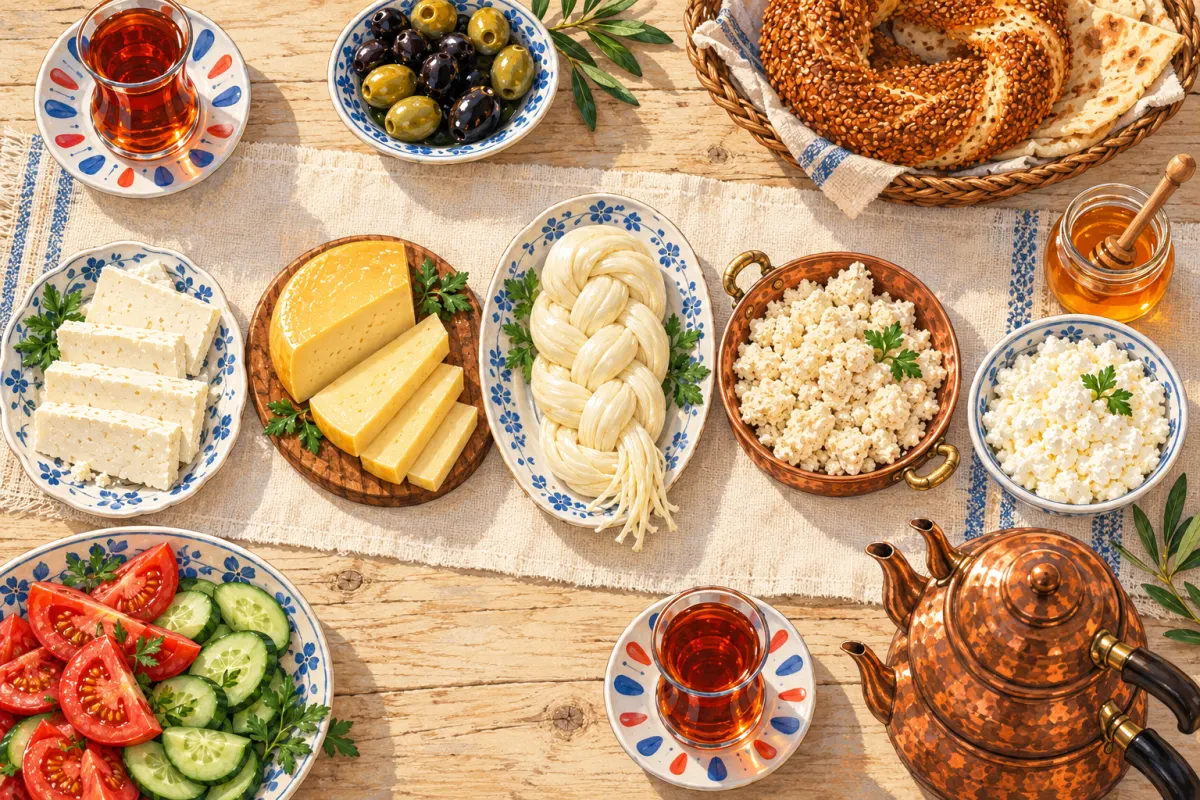
- Beyaz peynirA brined white cheese, sold fresh or ripened. The label has to say which (Peynir Tebliği, art. 4 and 14).
- KaşarCurd kneaded in hot water or whey, then moulded. “Eski” on a label means at least 120 days of ripening (art. 14).
- Örgü peyniriScalded curd plaited like hair; you pull it apart into strands. Diyarbakır örgü is a registered name.
- TulumCrumbled, salted curd pressed into a skin or other food-safe packaging, and sold ripened (art. 4).
- LorFresh whey cheese, wet curds, eaten fresh (art. 4).
- Lavaş and teaIn Erzurum people eat mould-ripened civil with lavaş bread and tea, says the registry text of Erzurum küflü civil.
These names are not just kitchen talk. The Peynir Tebliği (Turkish Food Codex, Communiqué 2015/6) defines beyaz peynir, kaşar, tulum, örgü and whey cheeses such as lor, and sets what a label has to say.
Four families by how they are made
The Peynir Tebliği sorts cheese by how it is made: brined, scalded, pressed into a skin, set from whey, or ripened with mould. Pick one to see how it is made, whether it is fresh or ripened, and how wet and salty the law lets it be.
The four families, and mould
Beyaz peynir
Rennet-set curd, salted in brine and kept there. It is sold fresh or ripened.
- Made
- Curd from rennet, worked and kept in brine (art. 4).
- Fresh or ripened
- Both exist and the label says which. Ripening in brine takes at least 90 days (annex Ek-2).
- Legal ceiling
- Ripened: moisture 60 %, salt 6.5 % of the dry matter. Fresh: 65 % and 6.5 %.
Kaşar
Curd scalded in hot water or whey, kneaded, then moulded. No emulsifying salts are allowed.
- Made
- Scalded curd: kneaded in water of at least 72 °C or in hot whey (art. 4). No emulsifying salts (art. 5).
- Fresh or ripened
- Both. Ripened kaşar: at least 90 days if the block is over 1.5 kg, 45 days if it is 1.5 kg or less (Ek-2). “Eski” needs 120 days (art. 14).
- Legal ceiling
- Ripened: moisture 40 %, salt 4.0 % of the dry matter. Fresh: 45 % and 3.0 %.
Tulum
Crumbled, salted curd pressed into a skin or other food-safe packaging, and sold ripened.
- Made
- Curd crumbled and salted after fermentation, then pressed in (art. 4). Skins come from sheep, goat or calf (art. 13).
- Fresh or ripened
- Ripened. Tulum from raw milk cannot be sold before it is 4 months old (art. 5).
- Legal ceiling
- Moisture 45 %, salt 5.0 % of the dry matter; low-fat tulum up to 50 % moisture (Ek-4).
Lor
A whey cheese: the proteins left in the whey are set by heat and strained into soft, wet curds.
- Made
- From whey, by heat at the right acidity (art. 4).
- Fresh or ripened
- Eaten fresh.
- Legal ceiling
- Whey cheeses: moisture 75 %, salt 6.0 % of the dry matter.
Küflü peynir
A cheese ripened with permitted mould cultures. The label has to name them.
- Made
- Ripened with mould cultures (art. 4); the label says which (art. 14).
- Ripening
- At least 90 days if the block is over 1.5 kg, 45 days if it is 1.5 kg or less (Ek-2).
- Legal ceiling
- Moisture 45 %, salt 5.0 % of the dry matter.
Moisture and salt are legal ceilings from annex Ek-4 of the Tebliğ, not what a given cheese contains. Salt is counted as a share of the dry matter.
Two names the EU protects Ezine and Erzincan Tulum
Two Turkish cheeses are protected designations of origin (PDO) in the EU: Ezine Peyniri, registered on 7 December 2023, and Erzincan Tulum Peyniri, registered on 27 May 2025. Both are on the European Commission’s eAmbrosia register. Under the Tebliğ, a registered cheese is sold to the written specification of its registration.
Peynir Tebliği · art. 5
A registered name is a written recipe.
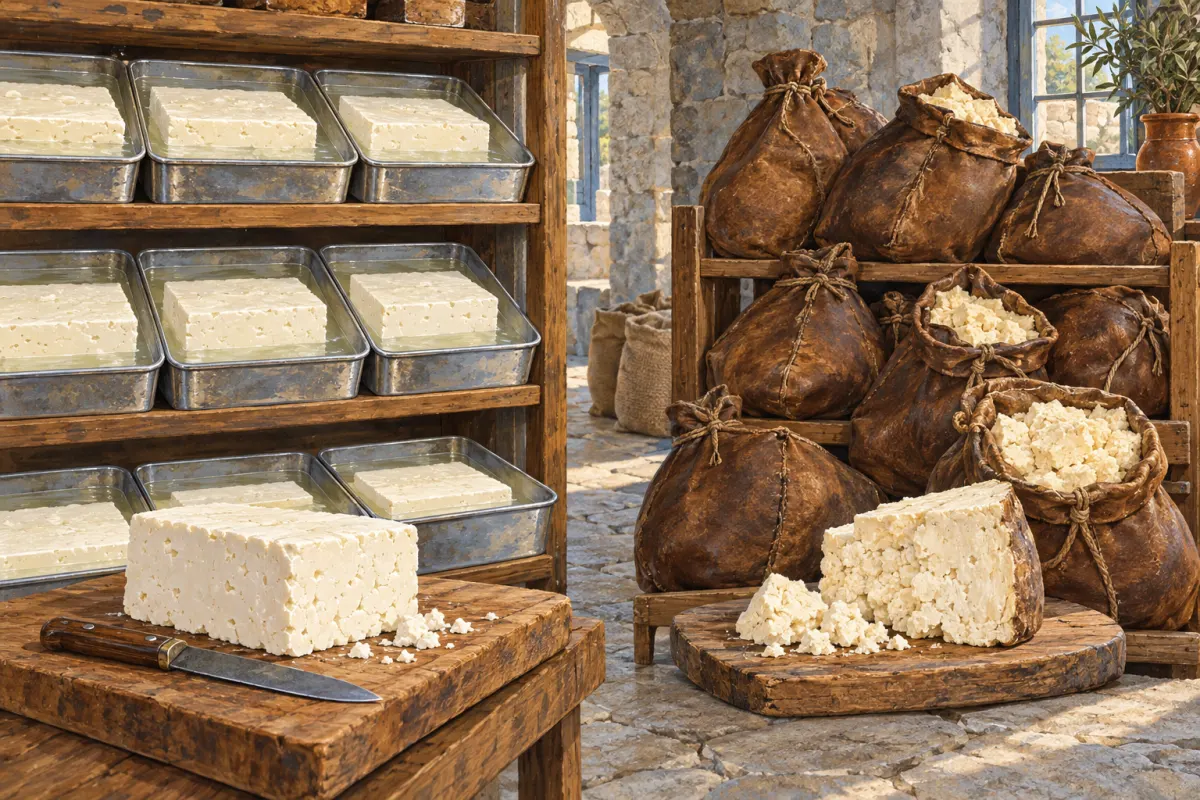
«Coğrafi işaret olarak tescil edilmiş peynirler… coğrafi işaret tescilinde belirtilen özelliklere göre piyasaya arz edilir.»
“Cheeses registered as geographical indications are sold according to the characteristics stated in the registration,” as long as that does not breach the general food codex rules. That is why the registry texts below say what the milk is, where the cheese is made and how long it ripens.
Ezine Peyniri
A white cheese matured in tins, from sheep, goat and cow milk (sheep 35–45 %, goat at least 40 %, cow at most 25 %) from the Ezine, Bayramiç and Ayvacık districts of Çanakkale and some villages of the Çan and central districts. It is brined, sealed in tins and matured at least 8 months at 2–4 °C.
Erzincan Tulum Peyniri
At least 95 % Akkaraman sheep’s milk, raw, pressed into goat or sheep skins and ripened at least 4 months. Semi-hard, white to cream, not easily crumbled and clearly sour.
The wider registry is bigger. On 17 October 2026, TÜRKPATENT’s registry listed 45 cheese names from Türkiye: 14 as menşe adı, where every step happens in the named area, and 31 as mahreç işareti, where at least one step does. Nineteen of the twenty cheeses on the counter above are registered names; lor is a type the Tebliğ defines.
Read the label what the law makes it say
Article 14 of the Tebliğ decides what a cheese label has to show: the name, the fat class, fresh or ripened, the milk, the dates and, for raw-milk cheese, a statement in letters at least 3 mm tall. Open a sample label and tap its numbers.
Three sample labels
ÖRNEK SÜT ÜRÜNLERİ · 400 g
1Beyaz peynir
2Tam yağlı
3Olgunlaştırılmış
4Koyun sütünden üretilmiştir.
5Üretim tarihinden itibaren en az 90 gün olgunlaştırılarak piyasaya arz edilmiştir.
6Üretim: 12/08/2026 · Son tüketim: 12/08/2027
Sample, not a real label. The wording is ours; the items are the ones the Tebliğ asks for. Real labels vary.
- 1Name. The name the Tebliğ gives (beyaz peynir, kaşar, tulum) or a registered name (art. 14).
- 2Fat class. Shown with the name in the same size. Tam yağlı is at least 45 % fat in the dry matter (Ek-3).
- 3Fresh or ripened. Shown with the name (art. 14).
- 4Milk. One species may be named; a mix must list its species (art. 14).
- 5Ripening time. The label gives the days; brine-ripened cheese needs at least 90 (Ek-2).
- 6Dates. Ripened cheese shows its production date as day/month/year, besides the use-by date (art. 14).
ÖRNEK SÜT ÜRÜNLERİ · 500 g
1Tulum peyniri · tam yağlı
2Olgunlaştırılmış
3Çiğ sütten üretilmiştir
4Koyun ve keçi sütlerinden üretilmiştir.
5Üretim tarihinden itibaren en az 180 gün olgunlaştırılarak piyasaya arz edilmiştir.
6Üretim: 12/05/2026 · Son tüketim: 12/05/2027
Sample, not a real label. The wording is ours; the items are the ones the Tebliğ asks for. Real labels vary.
- 1Name and fat class, as on any cheese.
- 2Ripened. Tulum is sold ripened (art. 4).
- 3Raw milk. On the same side of the pack as the name, in letters at least 3 mm tall (art. 14, Ek-5): for unscalded cheese made from raw milk, or milk heated only to thermisation.
- 4Mixed milk. The species are listed and the label may not show animal pictures (art. 14).
- 5At least 4 months. Unscalded raw-milk cheese cannot be sold fresh (art. 5); the label gives the days.
- 6Dates. Day/month/year, as on any ripened cheese.
ÖRNEK SÜT ÜRÜNLERİ · 200 g
1Eski kaşar peyniri · tam yağlı
2Olgunlaştırılmış
3Üretim tarihinden itibaren en az 120 gün olgunlaştırılarak piyasaya arz edilmiştir.
4Rendelenmiştir
5Üretim: 03/09/2026 · Son tüketim: 03/09/2027
Sample, not a real label. The wording is ours; the items are the ones the Tebliğ asks for. Real labels vary.
- 1Name and fat class. “Eski” is allowed only for kaşar ripened at least 120 days (art. 14).
- 2Ripened. Shown with the name.
- 3Ripening time. The days on the label back up the word “eski”.
- 4Treatment. Slicing, grating or crumbling is stated on the label (art. 14). Cheeses grated or crumbled at an approved plant cannot be sold mixed with each other (art. 5).
- 5Dates. Day/month/year.
Three myths about cheese labels:
“Köy peyniri on the label means it is village-made”
The rules ban those words. A cheese label may not say köy peyniri, geleneksel peynir, doğal peynir or çiftlik peyniri (Peynir Tebliği, art. 14). Look for the milk, the dates and the registered name instead.
“Eski kaşar is just a name”
Only kaşar ripened at least 120 days may say eski, and the label must state the days of ripening (art. 14).
“Beyaz peynir is always aged”
Beyaz peynir can be fresh or ripened, and the label says which (art. 4 and 14). Brine-ripened cheese needs at least 90 days (annex Ek-2).
Taking cheese home what the rules say
Do not pack it. Milk products, cheese included, cannot go into the EU or Great Britain in your luggage from Türkiye, and the EU rule covers post too. Honey can go, up to 2 kg per person. Pick your destination to see its rule.
Where are you flying to?
- Cheese and other milk products – Travellers may not bring meat, milk or their products into the EU from outside it. Türkiye is not among the countries the Commission lists as exempt: Andorra, Iceland, Liechtenstein, Norway, San Marino, Switzerland, and up to 10 kg from the Faroe Islands and Greenland.
- Post and online orders – The Commission names goods “sent by post or carried in the baggage of travellers”. Your Europe adds that the rules also apply if you order the items online or have them sent by mail.
- Honey – Up to 2 kg per person.
- The one exception – Powdered infant milk, infant food and special foods needed for medical reasons: under 2 kg, no refrigeration needed, branded, packaging unbroken.
- If you carry it anyway – Undeclared dairy is confiscated and destroyed, and you may be fined or face criminal prosecution (Your Europe).
- Milk or milk-based products – From a country outside the EU you cannot bring meat or meat products, or milk or milk-based products. A cheese is made of milk.
- Honey – Up to 2 kg per person.
- The one exception – Up to 2 kg of powdered infant milk, infant food or special food needed for medical reasons, if it needs no refrigeration and is in branded, unopened packaging.
Plan for this
Buy cheese to eat in Türkiye. If you are flying anywhere else, read that country’s rules before you buy: we checked only the EU and Great Britain on 17 October 2026, and rules change. Sources: the European Commission, Your Europe and GOV.UK.
At the counter what to say
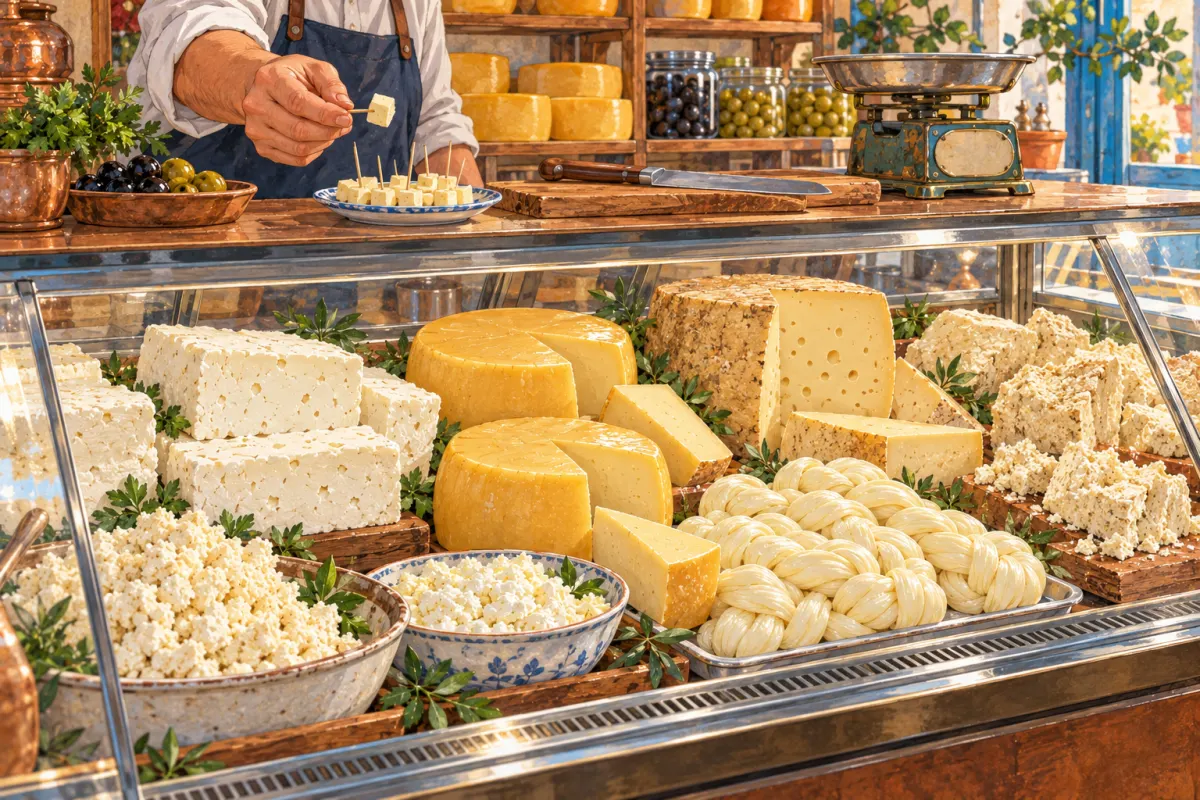
At a şarküteri, the deli counter, say which cheese you want, ask to taste it, then give the amount. Tap Show to hand your phone over, Listen to hear the Turkish, or Copy to paste it.
Bu hangi peynir?
boo hahn-gee pay-neer
Which cheese is this?
Tadına bakabilir miyim?
tah-duh-nah bah-kah-bee-leer mee-yeem
Can I taste it?
Bu hangi sütten yapılmış?
boo hahn-gee sewt-ten yah-puhl-muhsh
Which milk is it made from?
Çiğ sütten mi?
chee sewt-ten mee
Is it made from raw milk?
Kaç ay olgunlaşmış?
kahch eye ol-goon-lahsh-muhsh
How many months has it matured?
Bundan 250 gram alabilir miyim?
boon-dahn ee-kee yewz el-lee grahm ah-lah-bee-leer mee-yeem
Can I have 250 grams of this?
İnce dilimleyebilir misiniz?
een-jeh dee-leem-leh-yeh-bee-leer mee-see-neez
Can you slice it thin?
Tuzu az olan var mı?
too-zoo ahz oh-lahn vahr muh
Is there one with less salt?
Eski kaşar var mı?
es-kee kah-shahr vahr muh
Do you have eski kaşar?
Kilosu ne kadar?
kee-loh-soo neh kah-dahr
How much is a kilo?
Prices change every month, so this guide gives none. Ask for the price per kilo at the counter, and check the weight on the scale before you pay.
Sources and limits
We read the Peynir Tebliği and its annexes, the TÜRKPATENT registry and the certificate of every name on the counter, the EU delegation’s and TÜRKPATENT’s announcements, and the Commission, Your Europe and GOV.UK pages on carrying food, all on 17 October 2026. We leave out prices, brands and health claims, and any cheese whose registry text we could not read. A cheese lights a feature only where its registry text states it.
- Türk Gıda Kodeksi Peynir Tebliği (Tebliğ No: 2015/6) – Ministry of Agriculture and Forestry, via mevzuat.gov.tr, checked 17.10.2026
- Annexes Ek-1 to Ek-5 of the Peynir Tebliği (gazette of 08.02.2015, no. 29261) – Gazette issue, scanned pages, checked 17.10.2026
- Geographical indications registry and certificates (cheeses) – TÜRKPATENT, checked 17.10.2026
- What is a geographical indication? – TÜRKPATENT, checked 17.10.2026
- eAmbrosia, the EU geographical indications register: Ezine Peyniri (PDO-TR-02889) and Erzincan Tulum Peyniri (PDO-TR-03056) – European Commission, checked 17.10.2026
- “Ezine Peyniri” cheese of Çanakkale wins EU recognition – EU Delegation to Türkiye (EEAS), 26.12.2023, checked 17.10.2026
- Erzincan Tulum Peyniri receives European Union registration – TÜRKPATENT, 27.05.2025, checked 17.10.2026
- Products with geographical indication – EU Delegation to Türkiye (EEAS), updated 05.06.2026, checked 17.10.2026
- Personal imports – European Commission, DG SANTE, checked 17.10.2026
- Taking animal products, food or plants with you in the EU – Your Europe, checked 17.10.2026
- Bringing food into Great Britain: meat, dairy, fish and animal products – GOV.UK, checked 17.10.2026
The illustrations were made for this page and show no real person.