
Dropshipping in Turkey 2026: The Ultimate Guide (And What to Avoid)
Table of Contents
Forget everything you’ve heard about dropshipping in Turkey from three years ago. The market has radically shifted. If you try to run the old “AliExpress to Istanbul” playbook today, you won’t just fail — you will lose money.
Why? Because the rules of the game tightened drastically in late 2024. Aggressive new customs thresholds for imports and the persistent PayPal ban have dismantled the classic model. But here is the twist: This friction has created a massive opportunity for those who know how to pivot. Turkey is no longer just a consumer marketit is one of the world’s premier sourcing hubs.
The Reality Check: Why Turkish Dropshipping is Different
Before we dive in, let’s kill a myth: Dropshipping here is not a “get rich quick” scheme. It is a logistics business. If you are reading this, you are likely looking at one of two paths:
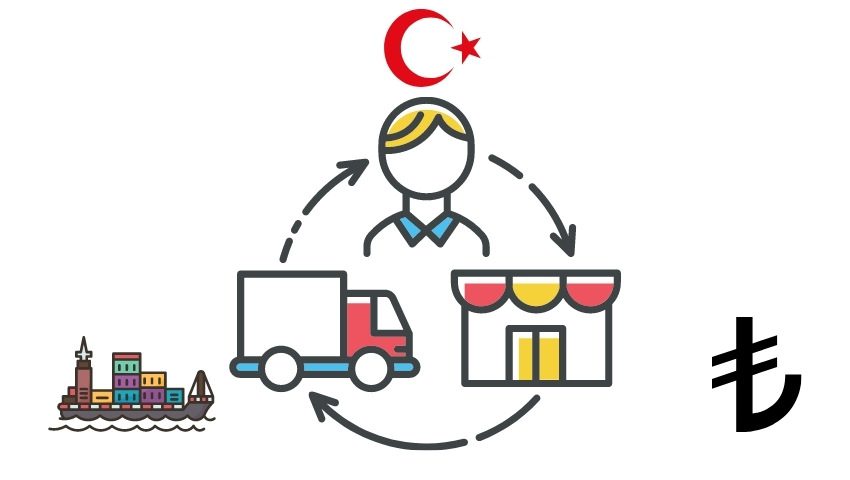
- Model A (The Importer): You want to sell products from abroad (China/USA) to Turkish customers. (Warning: This is now extremely difficult due to the new customs wall.)
- Model B (The Exporter): You use Turkish suppliers to sell high-quality textiles or furniture to customers in Europe or the USA. (This is where the real money is right now.)
The 3 Biggest Hurdles (Practitioner Lens)
Before you launch a Shopify store, you must solve these three specific friction points. Most beginners wash out here because the “gurus” conveniently forget to mention them.
1. The Payment Problem (No PayPal)
This is the elephant in the room: PayPal does not operate in Turkey. It has been banned for years. Furthermore, Stripe is not directly available. If you open a Turkey based Shopify store, you cannot simply toggle these standard gateways on.
The Fix: You must use local infrastructure or incorporate abroad.
- Iyzico & PayTR: These are the “Turkish Stripes.” They are reliable and widely trusted but typically require a registered Turkish company entity.
- Shopier: A favorite for social media sellers (Instagram/Etsy) that is easier to set up but less robust for full scale e-commerce.
- Foreign LLC: Many serious Turkish dropshippers form an LLC in the US or a Ltd in the UK specifically to gain access to Stripe.
2. The Customs Wall (The €30 Limit)
In August 2024, the customs duty exemption limit was slashed. Previously, Turkish customers could import goods up to €150 tax-free. That era is over.
The limit for private imports via mail or courier is now just €30 (approx. $33 USD). Worse, the tax rates have hiked often 30% for goods from the EU and a staggering 60% for non EU countries (like China). If you try to dropship cheap gadgets from China directly to a customer in Istanbul, that customer will get hit with a customs bill at their door that costs more than the product itself. They will refuse the package, and you will eat the cost.
3. The Legal Requirement
Dropshipping is legal, but the tax authorities are watching. A “hobby” side hustle becomes a liability quickly without structure. To use professional payment gateways like Iyzico, you generally need a Şahıs Şirketi (Sole Proprietorship). For a deeper look into the setup costs and capital requirements, check our guide on Starting a Company in Turkey: The Investor’s Practical Guide.
Why Turkey is Still a Goldmine
Don’t let the regulations scare you off. They are simply filters that remove the amateurs. Turkey offers massive leverage if you flip the strategy:
- Young, Digital First Population: With a median age of roughly 33–34 and a clearly mobile‑first shopping culture, the domestic market remains hungry for local brands.
- Export Potential: This is your biggest asset. Instead of importing cheap plastic, use Turkey as your factory. Turkish textiles, denim, and home goods hold a premium reputation globally compared to generic Asian manufacturing. Recent data from Turkey’s Foreign Trade Indices confirms that export sectors are resilient despite economic shifts.

Step-by-Step: How to Launch Correctly (2025 Update)
Forget complex 50-page business plans. Here is the pragmatic execution path:
1. Choose Your Niche (Strategically)
Avoid electronics (high return rates, customs nightmares). Focus on what Turkey does best:
- Textiles & Fashion: Turkey is a global heavyweight here. This is perfect for building a Private Label brand. Even giants started smalljust look at the trajectory of retail leaders in our LC Waikiki Guide.
- Home Textiles: Towels, bedding, and rugs offer excellent profit margins and lower return rates.
- Jewelry & Handicrafts: Unique, artisan designs perform exceptionally well on Etsy or boutique stores targeting Western buyers.
2. Find Real Suppliers (Ignore the Marketplaces)
Many outdated guides still recommend “GittiGidiyor.” Stop. This platform closed down in 2022. If a guide mentions it, the information is worthless.
Trendyol & Hepsiburada:
These are marketplaces (like Amazon), not dropshipping suppliers. You can sell on them, but do not use them to source products for arbitrage. They will ban you. The better path: Use them for market research to see what is trending, then go offline to find the manufacturers.
If you are serious about sourcing, you need to visit the wholesale districts in Istanbul, such as Merter (for textiles), or hire a specialized local sourcing agent.
3. The Technical Setup
Build your store on Shopify or WooCommerce. When paying suppliers, avoid expensive bank transfers which eat into your margins. If you are dealing with paperwork for foreign entities, you might need to handle document verification; refer to our guide on the Legalization of Foreign Documents in Turkey to navigate the bureaucracy.
Verdict: Is It Still Worth It?
Yes, but only if you operate like a professional. The days of making “easy money” by shipping cheap items past customs are overthe €30 wall has sealed that route. The future belongs to entrepreneurs who export Turkish quality to the world or build authentic local brands for the digital savvy Turkish generation.