Dining Like a Sultan: The Real History Behind Ottoman Food
Table of Contents
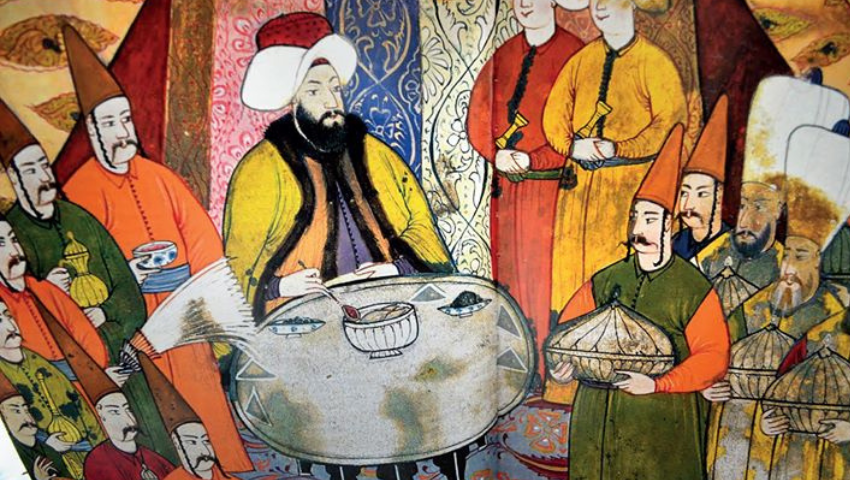
Long before Michelin stars or industrial catering existed, there was the Topkapi Palace. It wasn’t just the Sultan’s residence; it was the most sophisticated culinary machine of the 15th century. Picture this: over 1,000 chefs preparing up to 4,000 meals every single daywithout electricity, refrigeration, or blenders.
They had something better: unlimited access to the finest ingredients from three continents. The result wasn’t just sustenance; it was an imperial art form that fused Balkan, Middle Eastern, and Central Asian influences into something entirely new.
But here is the reality check: Ottoman gastronomy wasn’t a free for-all buffet. It was a strict military hierarchy. There weren’t just “cooks.” There were specialists for everythingfrom the Halva Master to the stuffed vegetable expert. In this guide, we strip away the myths and look at what the Sultans actually ate (Spoiler: It wasn’t always caviar).
The Power Center: The Palace Kitchen (Matbah ı Amire)
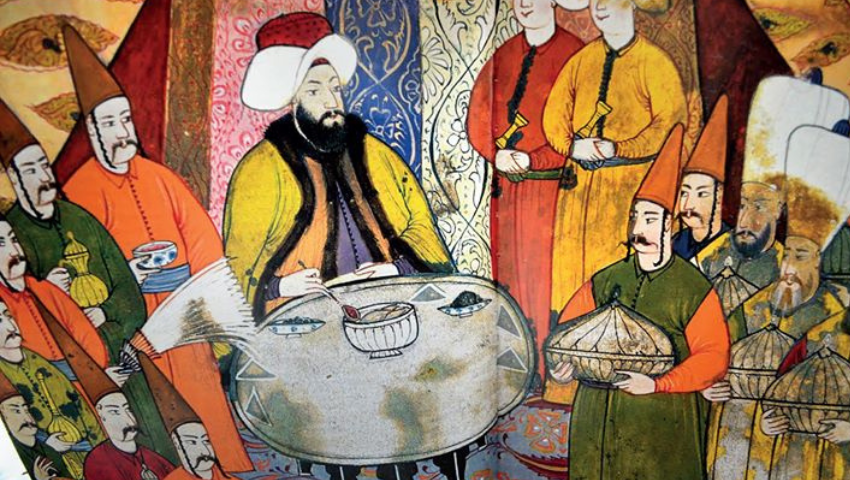
Ottoman cuisine as we know it was born in the fires of the Topkapi Palace. You have to view the system like an army division. At the top was the Matbah ı Amire Emini (the Kitchen Trustee), who wasn’t a chef, but a high ranking bureaucrat. Why? Because in the Ottoman Empire, food was political power.
The loyalty of the elite Janissary troops was literally bought with soup and pilaf. If the Janissaries overturned their soup cauldrons in the courtyard, the Sultan knew immediately: A coup was starting.
Ingredients flowed in from every corner of the realm: honey from Wallachia, butter from Crimea, spices from Egypt. If you go haggling in the Grand Bazaar today, you are walking the same trade routes that once fed the Sultan’s table. The spice market wasn’t just a shop; it was the empire’s pantry.
What Sultans Actually Ate: Facts Over Fiction
Contrary to popular belief, the Sultans didn’t indulge in wild, excessive feasts every day. Their preferences were often surprisingly specific and, dare we say, humble.
1. Sultan Mehmed II (The Conqueror) The Seafood Lover
After conquering Constantinople, Mehmed II adopted many Byzantine habits, including a taste for shellfish. Kitchen registers show regular orders for oysters, shrimp, and eel. However, his absolute comfort food was Mutancana—a rich lamb stew cooked with dried apricots, figs, almonds, and honey. It is the perfect example of the 15th century palate: a delicate balance of savory and sweet.
Historical Note: Mehmed II introduced the law of solitary dining. He abolished communal banquets to maintain the “distant majesty” of the ruler. He ate alone, in silence.
2. Sultan Abdulhamid II Eggs Over Gold
One of the last Sultans, Abdulhamid II, was known for his modesty at the table. His favorite dish? Soğanlı Yumurta (Eggs with Onions). Sounds simple? Think again. This wasn’t a quick scramble.
The onions had to be caramelized over low heat for up to three hours until they dissolved into a sweet, marmalade like paste before the eggs were added. Achieving this without burning the sugar in the onions requires consistent, heavy duty heat retention. It is the kind of precision cooking that reminds us why Turkey’s iron casting industry remains a heavyweight in culinary equipment today.
3. Sultan Abdulaziz The French Connection
You may know the dish Hünkâr Beğendi. Literally translated, it means “The Sultan Liked It.” Legend has it that this dish was born in 1869 during a visit by the French Empress Eugénie. Her French chef prepared a Béchamel sauce, and the Ottoman chef improvised by adding smoked eggplant. Sultan Abdulaziz was flawed by the result. Today, this lamb stew on a bed of smoky eggplant puree is a litmus test for any traditional Istanbul restaurant.
The Hierarchy of Taste
Meat: Beyond the Kebab
While kebab is ubiquitous today, in the palace it was just one of many techniques. Meat was often slow cooked in Tandoor ovens (Tandır Kebabı) or stewed with fruits. A notable favorite was Çöp Şiş—small cubes of spiced lamb on wooden skewers, often serving as a “snack” for Sultans on the move.
Pilav: The True Status Symbol
In the Ottoman Empire, you didn’t judge a chef by their meat; you judged them by their rice. The pilaf had to be so fluffy that “one grain did not touch the other.” There were hundreds of variations: with saffron, with eggplant, or even with mussels. A simple but perfectly executed buttery rice was often the centerpiece of the feast.
The “Helvahane”: Sweets as Science
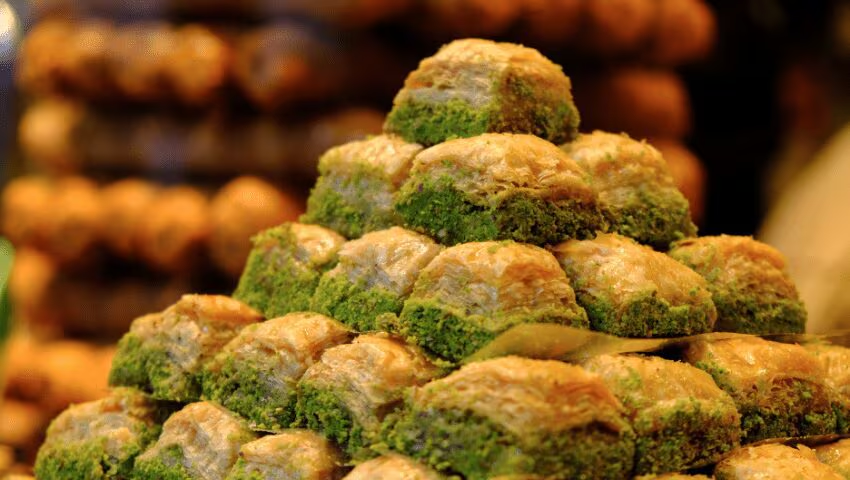
The Helvahane (House of Halva) was a separate department in the palace, producing both confectioneries and pharmaceuticals. This is where Baklava, Lokum (Turkish Delight), and Sherbet were mastered. Sugar was expensivea symbol of extreme wealth. If you are exploring culinary history, a trip to the former capital is essential; shopping in Edirne today still offers a glimpse into these traditional almond pastes and fruit soaps that once graced the palace.
The Unsung Heroes: Kitchen Specialists
In a modern kitchen, the head chef does a bit of everything. In the Ottoman palace, specialization was extreme:
- Aşçıbaşı: The Head Chef who oversaw the entire operation.
- Kebapçı: Responsible exclusively for grilling meat.
- Tatlıcı / Helvacı: The Dessert Masters. They held a rank almost as high as pharmacists.
- Çeşnicibaşı: The Taster. His job was vitalhe was the human shield against poison.
- Börekçi: Specialized solely in rolling paper thin dough for Börek and Baklava.
Tips for Your Own Ottoman Table
Want to bring a touch of Topkapi to your kitchen? Here are three rules to follow:
- Patience is the Main Ingredient: Whether it is caramelized onions or slow braised lamb, Ottoman cuisine refuses to be rushed. Low heat and long hours are the secret.
- Mix Fruit and Meat: Be brave with your flavor profiles. Add dried apricots, plums, or raisins to your next savory stew (just like Mehmed’s Mutancana). The sweetness cuts through the fat of the lamb perfectly.
- Don’t Skip Breakfast: The Ottomans revered cheese and simple, high-quality ingredients to start the day. A true Ottoman breakfast isn’t about quantity; it’s about the specific quality of the olives, cheese, and bread.
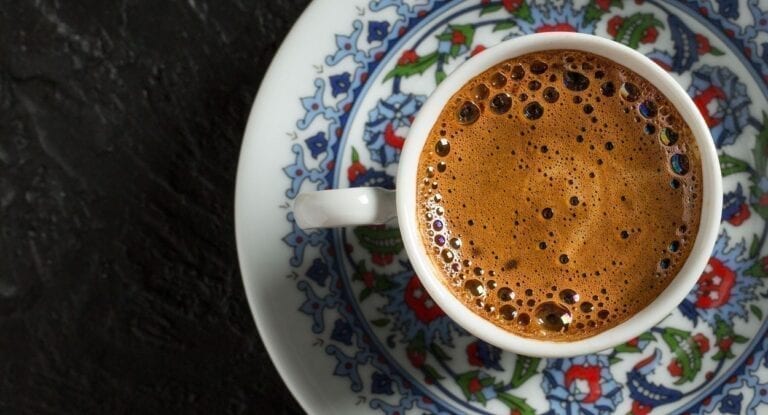
Ottoman cuisine is a living heritage. Every time you bite into a piece of Baklava or sip a strong Turkish coffee, you are participating in a ritual that has outlasted empires. Afiyet olsun (Bon Appétit)!