

Turkey’s Ministry of Trade: Customs, Prices and Complaints
Traveller customs rules, price labels, consumer complaints and company registration: what Türkiye's Ministry of Trade handles and how to reach it.
Table of Contents
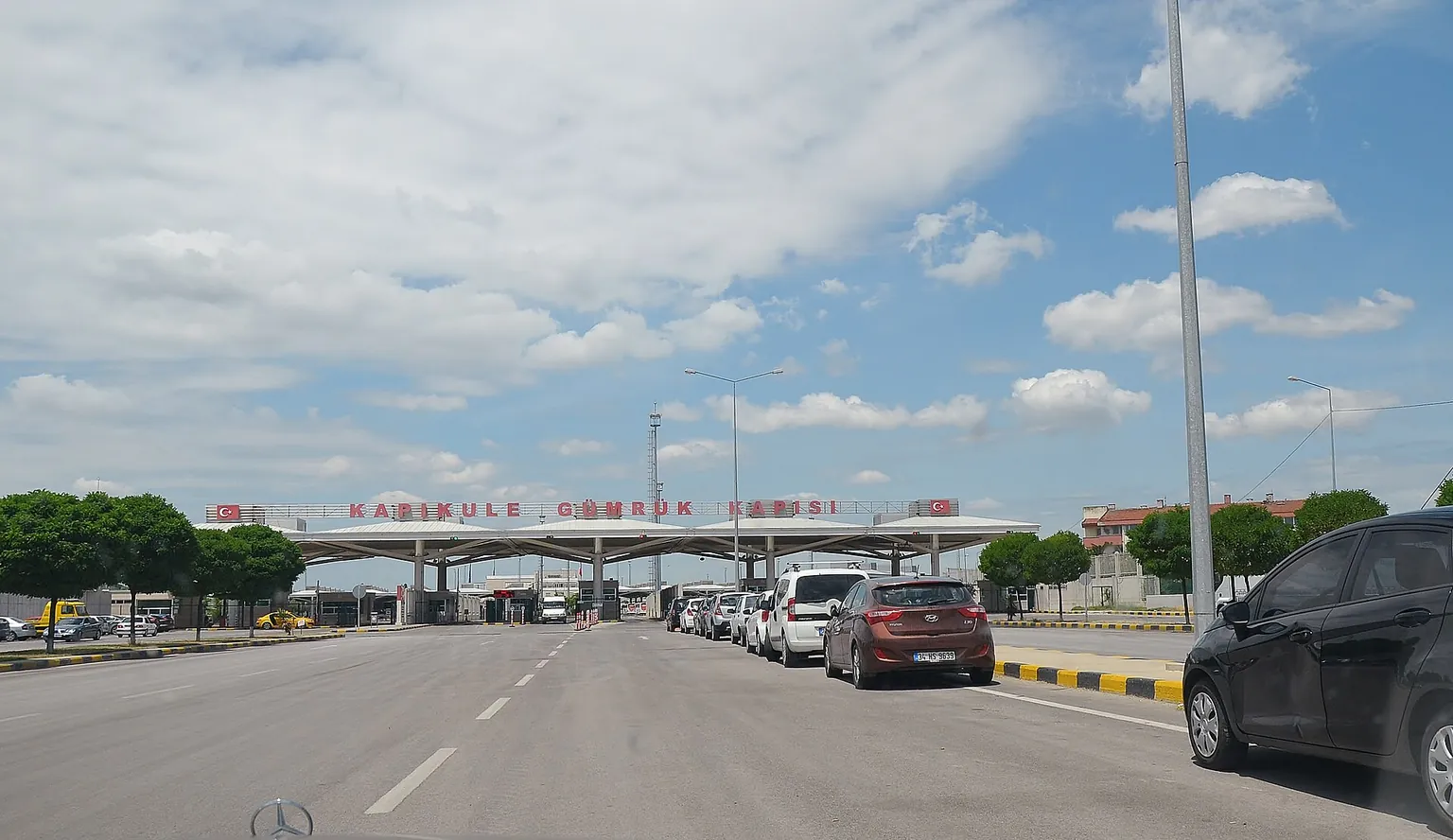
Türkiye’s Ministry of Trade (Ticaret Bakanlığı) runs the customs service at the border, sets the price-label rules for shops, cafés and restaurants, runs the consumer arbitration committees and the consumer line ALO 175, and supervises the trade registry where companies are entered. Its head office is in Ankara. Its site names Prof. Dr. Ömer Bolat as minister (checked 06.11.2026).
In short · checked 06.11.2026
One ministry for the border gate, the shop counter and the company registry. This is what it covers for a visitor or a resident.
- Customs: a traveller can bring gifts and goods for personal or family use worth up to 430 € (150 € under age 15) without duty, besides the personal items on the ministry’s list.
- Cash: on leaving Türkiye, more than 25,000 TL or 10,000 € (or the equivalent) has to be declared to customs.
- Prices: restaurants, cafés and pastry shops may not ask for a compulsory service, table or cover charge (announced 30.01.2026).
- Complaints: ALO 175 is the ministry’s consumer line. Below 186,000 TL, a dispute goes to a consumer arbitration committee.
- Companies: the ministry’s booklet says a company can be set up within an hour once the papers are in, free of the state fee.
Consumer complaints · checked 06.11.2026
The committee table
A consumer arbitration committee (tüketici hakem heyeti) settles a dispute between a buyer and a seller from the papers. It sits with a chair and representatives of four bodies, drawn here as five seats. Slide the value of a dispute in Turkish lira (TL), or press a preset. Below the red line the seats fill and the file goes to the committee. At the line or above, the door to the court opens. Then follow the file, stage by stage.
ApplicationWhere and how to apply
- Rule
- Below 186,000 TL, applying to a committee is required.
- Where
- The committee where the consumer lives or where the purchase was made. In a province it works at the provincial trade directorate (Ticaret İl Müdürlüğü), in a district at the district governor’s office (kaymakamlık). Not every district has one; some committees also cover districts without their own.
- How
- In person or through a lawyer, by hand or by post, or online through TÜBİS, the consumer system on e-Devlet, the state’s online services portal. A spoken application is not possible.
PapersThe committee reads the file
- Work
- It decides from the file. If it sees a need, it also hears the two sides and an expert.
- Papers
- It can ask either side, and anyone else, for information and papers. They get at most 30 days from the notice to hand them in; the chair can extend this on request.
- Late
- Papers that do not come in time are not waited for: the committee decides on what is in the file.
DecisionThe decision
- Time
- Within six months of the application, in the order applications came in. A case that needs it can take up to three months more. If the sides ask for urgent handling and the chair agrees, it can be taken first.
- Binding
- A decision binds both sides. If it is not carried out, the enforcement office (icra dairesi) can be asked to enforce it.
ObjectionIf a side disagrees
- Time
- Two weeks from the notice of the decision.
- Where
- At the consumer court (tüketici mahkemesi) where the committee sits or where the consumer lives. Where there is no consumer court, at the civil court of first instance (asliye hukuk mahkemesi). The committee itself cannot be asked again.
- Cost
- At this stage a consumer pays no court fee (harç), but an expense advance is due. The court’s decision on the objection is final.
At 186,000 TL or moreThe committees cannot take it
- Route
- A dispute of this size goes first to mediation, a step the law makes a condition of suing (dava şartı arabuluculuk), and then to the consumer court, or to the civil court of first instance where there is none.
- Basis
- Article 73/A of the Consumer Protection Law, No. 6502.
- Limit
- It is reset every year by the revaluation rate that the Ministry of Treasury and Finance announces. 186,000 TL is the limit for 2026.
- 1The chair: in a province the provincial trade director, in a district the district governor (kaymakam), or a civil servant they name
- 2A representative of the municipality (belediye)
- 3A representative of the bar (baro), the lawyers’ professional body
- 4A representative of traders and artisans (tacir ve esnaf)
- 5A representative of a consumer organisation (tüketici örgütü)
Application skeleton · built from the ministry’s list of what an application has to contain
Tüketici hakem heyetine başvuru
- Adı, soyadı: [ ]Your first name and surname
- Pasaport numarası veya yabancı kimlik numarası: [ ]Passport number or foreign identity number (a citizen of Türkiye gives the T.C. identity number)
- Adresi ve varsa diğer iletişim bilgileri: [ ]Address and any other contact details
- Şikâyet edilen: [ ]The seller or business complained about
- Uyuşmazlık konusu: [ ]What the dispute is about
- Talebi: [ ]What is asked for
- Uyuşmazlık değeri (Türk Lirası): [ ]Value of the dispute in Turkish lira. A value in another currency is converted at the Central Bank’s effective selling rate on the day of the application.
- Ekler (varsa belgeler): [ ]Papers attached, if there are any
The brackets stay empty: nothing personal is typed into this page. The list comes from the ministry’s page on the committees, dated 22.01.2026.
What the ministry is its job, its history and who runs it
The Ministry of Trade was set up on 10 July 2018 by Presidential Decree No. 1. It joined two ministries that had existed since 2011, the Economy Ministry and the Customs and Trade Ministry. Its job has four parts:
- Trade: manage national trade and Türkiye’s trade relations with other countries.
- Exports: raise Türkiye’s share of world exports of goods and services.
- Home market: carry out and coordinate the policies for fair, competitive and stable domestic trade.
- Customs: make customs procedures faster, easier, more effective and traceable.
From the first trade ministry to today, in seven steps:
- 1838 and 1840A commission for agriculture and trade is formed in 1838. After the Tanzimat Edict, the Ministry of Trade and Agriculture (Umur-ı Ticaret ve Ziraat Nezareti) is set up in İstanbul in 1840.
- 1920 and 1924The parliament in Ankara forms an Economy Ministry (İktisat Vekâleti) on 2 May 1920. On 6 March 1924 it is replaced by two ministries, one for agriculture and one for trade.
- 30.12.1929Customs get a ministry of their own, Customs and Monopolies, and with it the task of fighting smuggling.
- 27.05.1939A Ministry of Trade is formed again, by Law 3614, apart from the Economy Ministry.
- 1971 and 1983Trade is joined with industry on 26 March 1971, and the Ministry of Trade is formed again on 11 December 1971. In 1983 trade and industry are joined once more.
- 2011Two ministries appear: Economy (Decree 637 of 8 June 2011) and Customs and Trade (Decree 640 of 3 June 2011).
- 10.07.2018Presidential Decree No. 1 joins the two into the Ministry of Trade. Decree No. 27 of 10 January 2019 reshapes its structure.
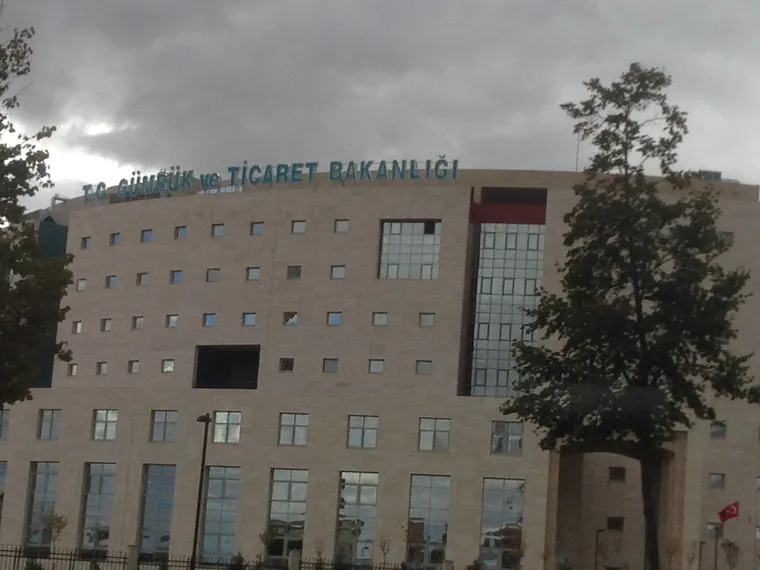
Who runs it · checked 06.11.2026
The minister and four deputies
- Minister
- Prof. Dr. Ömer Bolat (Ticaret Bakanı), as the ministry’s site prints it
- Deputies
- Mahmut Gürcan, Mustafa Tuzcu, Ö. Volkan Ağar and Sezai Uçarmak, each printed as deputy minister (Bakan Yardımcısı)
- Emblem
- The crescent and star of the flag in the middle, with 16 stars around them for the 16 great independent Turkic states of history (the ministry’s identity guide, file of 24.09.2024)
- Campuses
- Two in Ankara: Söğütözü and Eskişehir Yolu (addresses in the last chapter)
- Sites
- ticaret.gov.tr in Turkish; trade.gov.tr in English, titled “Republic of Türkiye – Ministry of Trade”
Customs for a traveller what may come in, what is declared
Customs (gümrük) is where the state checks goods that cross the border. A traveller is anyone who comes to Türkiye by road, rail, sea or air, for any reason and for any length of stay: a visitor, or a resident coming home. What a traveller carries and does not trade is “goods that travel with the traveller” (yolcu beraberi eşya). The part that pays no duty is the exemption (muafiyet).
The gift allowance · traveller page of 03.03.2026
430 € for each traveller, 150 € under age 15.
Gifts and goods for personal or family use, not for trade, up to that total real value. Customs reads the value from the invoice, the sales slip or a proof of payment. With none of these, or if the written value looks too low, customs sets the value.
- Up to 1,500 €: the part above the allowance pays one flat duty, 30 % for goods that come directly from EU countries and 60 % for goods from other countries. Goods on list IV of the special consumption tax law (ÖTV) pay 20 % more.
- Over 1,500 €: for goods worth more than that on their own, the ordinary import duty rates apply.
- Land gates: the allowance can be used at most 10 times a month. There is no limit on how long the traveller was abroad.
- Goods that come separately: personal goods from the ministry’s list that are sent by post or cargo from one month before to three months after the traveller arrives pay no duty and have no weight or value limit. The traveller shows a passport at the customs office that holds them.
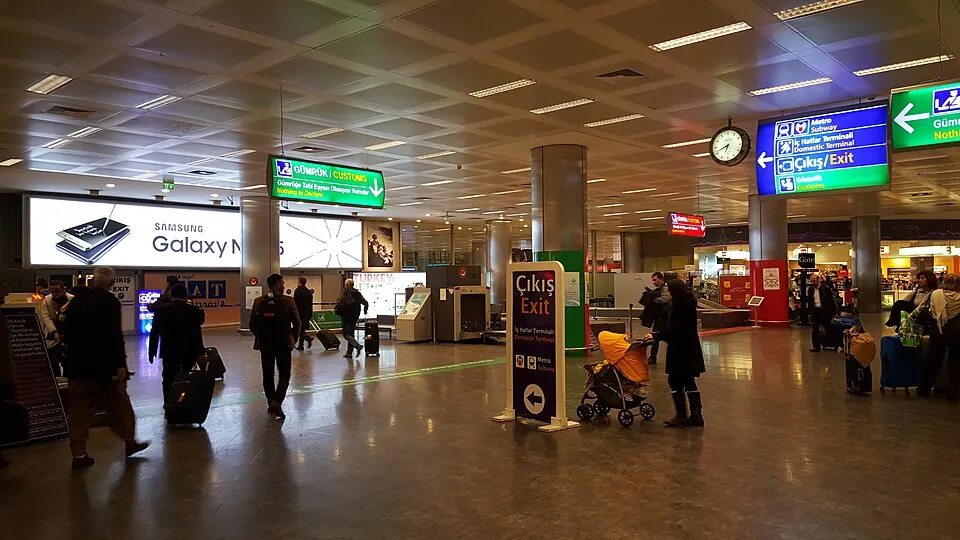
The two lanes · customs enforcement FAQ, 22.03.2023
- Green lane (yeşil hat): for a traveller with nothing to declare to customs.
- Red lane (kırmızı hat): for a traveller who has goods to declare, or is not sure whether something has to be declared.
- Neither lane lets in goods that are banned or need a permit. Officers can check a traveller in either lane, and goods over the limits lead to a penalty.
The ministry sets these amounts for food, cosmetics and tobacco that travel with the traveller:
| Goods | What the list allows |
|---|---|
| Tea, instant coffee, coffee | 1 kg of each |
| Chocolate, sweets | 1 kg of each. A traveller can use the whole 2 kg for only one of the two. |
| Cologne, perfume, lavender water, essence or lotion | Up to 600 ml in all, plus 5 skin-care or make-up items |
| Fresh and dried fruit and vegetables | Up to 3 kg. Any more is treated as trade. |
| Other plant products | Up to 1 kg. Any more is treated as trade. |
| Meat and dairy products | Cannot come as a personal shipment (Agriculture and Forestry Ministry notice 2012/11) |
| Tobacco, for travellers aged 18 and over | Cigarettes 600, small cigars (each up to 3 g) 100, cigars 50, cut tobacco 250 g, pipe tobacco 250 g. Each product is used up to its own amount. |
One phone in three years
A phone is exempt from tax, for one phone in three calendar years, used on lines registered to the traveller’s identity number. A fee of 54,258 TL (2026) is paid at a tax office or an authorised bank before the phone’s IMEI, its electronic identity number, is registered with the Information and Communication Technologies Authority (BTK) or a mobile operator. A phone cannot come under the gift allowance or by post; one brought that way is not handed to its owner.
A reasonable amount
Medicines for the traveller’s own treatment, in an amount that fits the length of the stay. Customs asks for a document that the traveller has to take them during the trip: a report from a health institution, a doctor’s report or a prescription.
Two animals or ten fish
Cats, dogs and birds only: two in all, or 10 aquarium fish. The traveller shows a vet’s health report, papers on origin and vaccines and, where there is one, an identity paper. A vet checks the animal.
One of each
One television up to 55 inches, one laptop or PC, one camera, one video camera, one GPS device, one radio and one games console, among others. The stamp fee of the state broadcaster (TRT bandrol ücreti) is collected once on electronic devices. It depends on the device type and, for a television, on the screen size.
Clothes, sport and baby goods
Clothes and travel items; a camping tent, a diving set or a bicycle; for a child, one pram and toys; one iron; up to three hand-held musical instruments, one of each kind; books and printed matter for personal use.
Cash when leaving · customs enforcement circular 2024/01, file dated 26.12.2024
- Declare: more than 25,000 TL, or more than 10,000 € in foreign cash (or the equivalent), carried out of Türkiye. Cheques, notes, traveller’s cheques and payment orders count as cash.
- How: on the cash declaration form (Nakit Beyan Formu). A traveller can also declare cash of their own accord.
- If not declared: cash found above these figures is held, reported to the public prosecutor and passed to the Financial Crimes Investigation Board (MASAK).
Refunds of VAT for visitors (tax-free shopping) are a separate procedure, not part of these customs rules. The Turkpidya guide to US Polo in Türkiye shows how it works in a shop.
Who is at the gate customs, customs enforcement and the regions
Two units of the ministry deal with customs. The General Directorate of Customs (Gümrükler Genel Müdürlüğü) is the customs side; the ministry’s customs section lists the customs offices and the border gates. The General Directorate of Customs Enforcement (Gümrükler Muhafaza Genel Müdürlüğü) is the guard side. Its first form dates from 1859.
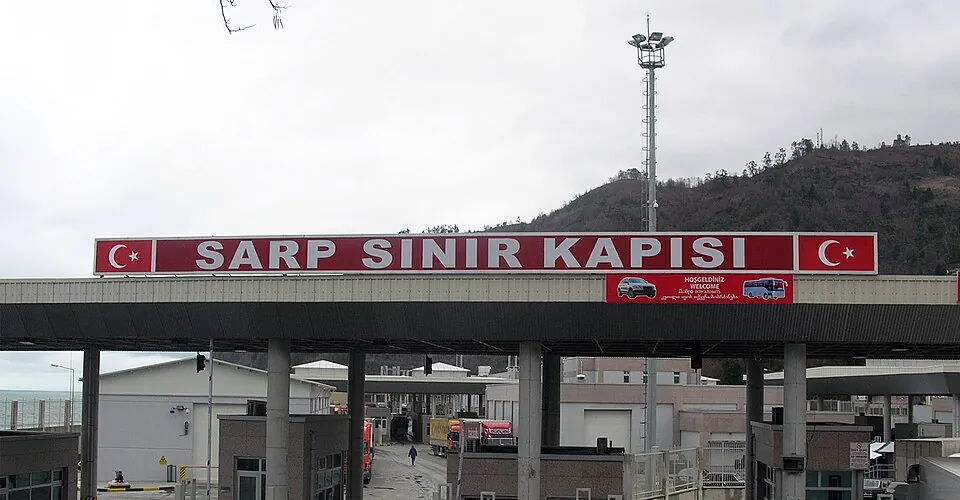
Customs enforcement · Presidential Decree No. 1, Article 451
- Order: take measures against disorder in customs areas, keep watch over them and, where needed, hand a matter to the courts.
- Gates: see that people, goods and vehicles entering or leaving at sea and air ports and land gates are sent to customs, and stop them leaving before the customs work is finished.
- Smuggling: prevent, follow and investigate it, in customs areas and across the customs territory, with other bodies where needed.
- ALO 136
- The smuggling report line of the customs enforcement directorate: free, 7 days a week, 24 hours, from anywhere in Türkiye (customs enforcement FAQ, 22.03.2023).
Eighteen customs and foreign-trade regional directorates (Gümrük ve Dış Ticaret Bölge Müdürlükleri) cover the country. Their seats, as of 06.11.2026:
| Regional directorate | Seat |
|---|---|
| Western Mediterranean | Antalya |
| Western Marmara | Tekirdağ |
| Eastern Mediterranean | Hatay |
| Eastern Anatolia | Van |
| Eastern Black Sea | Trabzon |
| Eastern Marmara | Kocaeli |
| Aegean | İzmir |
| Fırat | Malatya |
| GAP | Gaziantep |
| Gürbulak | Ağrı |
| İpekyolu | Şırnak |
| İstanbul | İstanbul |
| Kaçkar | Artvin |
| Central Mediterranean | Mersin |
| Central Anatolia | Ankara |
| Central Black Sea | Samsun |
| Thrace | Edirne |
| Uludağ | Bursa |
Prices, labels and menus what a shop or café may show and charge
Price rules sit in the ministry’s Price Label Regulation (Fiyat Etiketi Yönetmeliği), made under the Consumer Protection Law, No. 6502. The ministry announced changes to it on 13.10.2025 and on 30.01.2026.
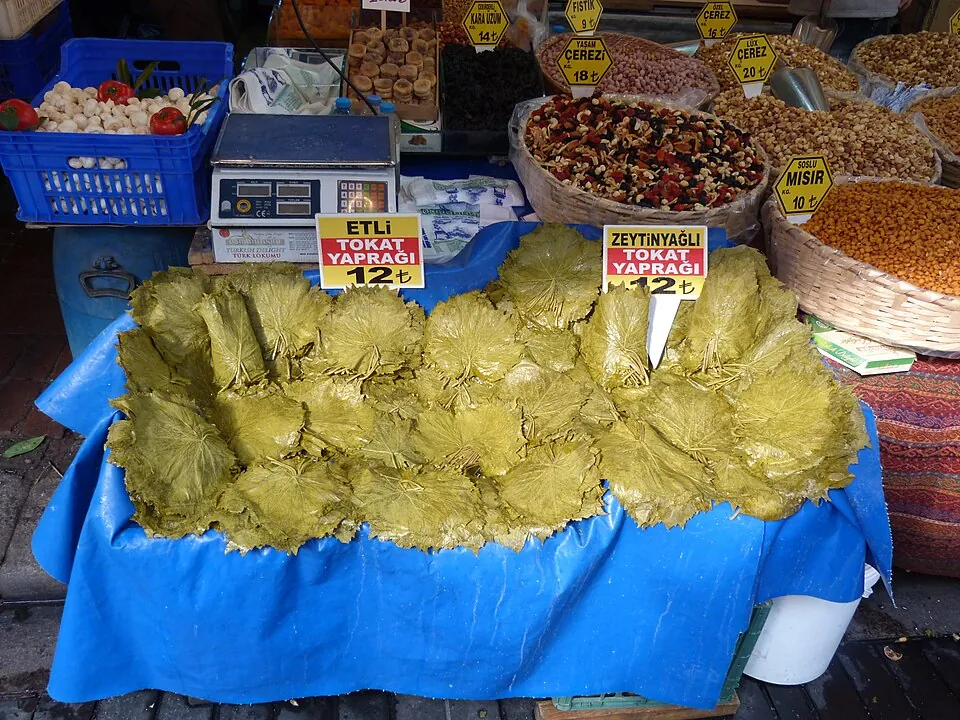
What a shop’s price label shows · a provincial trade directorate’s page, checked 06.11.2026
- Origin: the country where the good was made.
- Kind: what the good is, such as a shirt, a pen or a glass.
- Price: the sale price with all taxes included, and the unit price (per piece, metre, kilo, square metre or cubic metre). A unit price that equals the sale price is left out. For loose goods, the label may show the unit price alone.
- Date: the day the prices started to apply.
- Türkiye mark: for goods made in Türkiye, the shape, logo or mark that the ministry sets.
- Deposit: any deposit for returning the packaging.
- Language: all of this is in Turkish.
Lira on the label
The sale price is written as “Türk Lirası”, “TL” or “₺”. Package tours, schooling and transport and lodging abroad are exempt from this.
The lower price counts
If the price on the shelf and the price at the till differ, the one that favours the consumer applies.
Before and after
A discounted good shows the price before and the price after the discount. The “before” price is the lowest price of the 30 days before the discount started. For fruit and vegetables, it is the price just before.
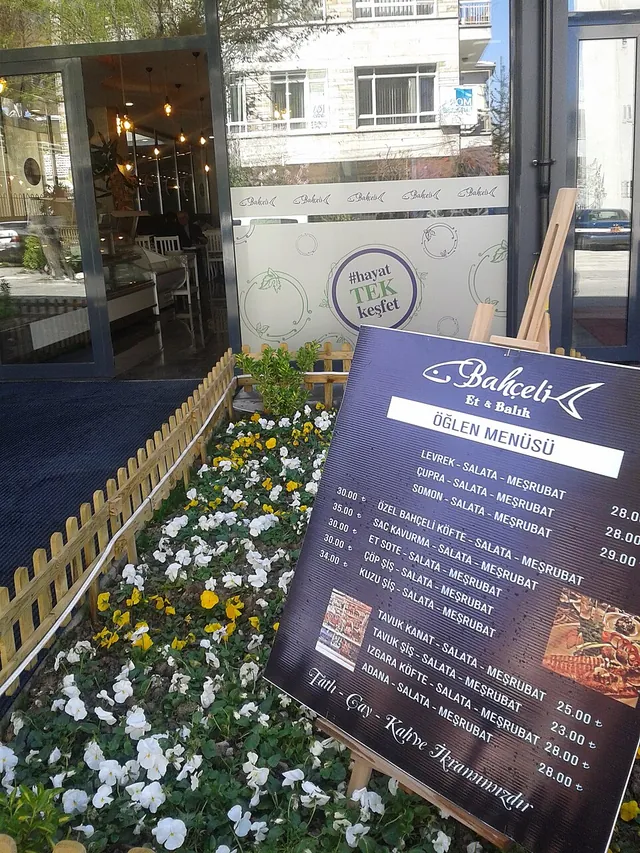
Restaurants and cafés · announced 30.01.2026 and 13.10.2025
- No compulsory extra: restaurants, cafés, pastry shops and similar places may not ask for a service, table or cover charge (kuver), or an extra charge under any other name. Their menus may not even state one.
- Tips: a customer can still leave a tip (bahşiş) of their own accord. It is voluntary.
- Starters: a cover item, such as a starter served before the order and not asked for, is not charged.
- The menu: a price list or menu has to show only the prices of the items a customer can order.
- QR code: a place can let customers reach its price list by QR code (karekod). If a customer asks, it has to show the list on paper too.
- Loose goods: where a seller weighs goods in front of the buyer, the weight of the container or wrapping (dara) has to be taken off. The change was published on 11.10.2025.
- Price data: restaurants and cafés that meet the criteria the ministry sets pass their price lists to the ministry electronically. The ministry can make these data public.
- Books and magazines: shops that sell them can now show prices on electronic devices as well as on labels.
Complaints and the committees who handles what
The consumer advice line
The ministry’s Consumer Advice Line (Tüketici Danışma Hattı) is a call centre. Dial 175 from a Turkish line. It gives ways to solve the problems consumers meet, points them to the body that settles a dispute, and gives information on products that carry a risk to human health, life or property.
What the table above leaves out
If the two sides settle before the committee decides, the papers that prove it go to the committee. A value in another currency is converted into Turkish lira at the Central Bank’s effective selling rate on the day of the application. The ministry’s site has an application form for the committees.
| The problem | Where it goes |
|---|---|
| A question or a problem as a consumer | ALO 175, the consumer advice line |
| A dispute below 186,000 TL (the 2026 limit) | The consumer arbitration committee where the consumer lives or where the purchase was made |
| A dispute of 186,000 TL or more | Mediation first, then the consumer court |
| A shop that breaks the price-label rules | The ministry’s provincial trade directorates, the municipalities and the chambers carry out and watch these rules (a provincial trade directorate’s page, checked 06.11.2026) |
| A smuggling report | ALO 136 (customs enforcement FAQ, 22.03.2023) |
For goods bought online, the Turkpidya guide to Trendyol sets out the right to withdraw and returns. Turkish online shopping and shipping covers delivery.
Setting up a company the trade registry and the ministry’s booklet
The ministry’s booklet “Türkiye’de Şirket Kurmak” (Setting up a company in Türkiye, file of 12.11.2025) says the setup can be finished within an hour once the papers reach the trade registry office (ticaret sicili müdürlüğü). It is free of the state fee (harç). Foreign persons and companies follow the same rules as local investors.
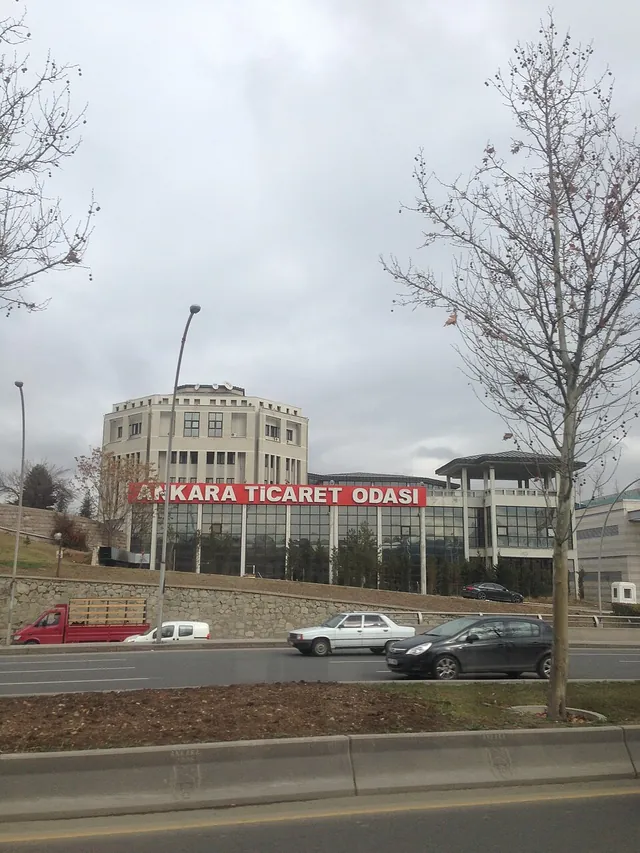
The registry · MERSİS page of 12.05.2026
- Who keeps it: 238 trade registry offices, inside the chambers of commerce and under the ministry’s supervision.
- How: the setup runs electronically in MERSİS (Merkezi Sicil Kayıt Sistemi, the Central Registry Recording System). The registry office is the single point of contact.
- Dates: pilot in the Mersin registry on 08.10.2010; all 238 offices on 01.01.2015; a new version on 06.03.2017; a mobile app on 29.12.2023, with every web function from 10.01.2025.
- Contract and signaturesThe founders draw up the company contract in MERSİS, in Turkish. A foreign partner is added by passport number, after getting a tax number from a tax office and registering at the trade registry office. The founders sign, and a competent body approves the signatures: the registry for limited companies and cooperatives, the registry or any notary for other companies.
- Signature declarationsThe people who can sign for the company prepare signature declarations at any trade registry office.
- Payments0.04 % of the capital goes to the Competition Authority (Rekabet Kurumu), and can be paid at the registry with the other fees. For a joint-stock company, at least 25 % of the cash shares is paid into a company bank account before registration.
- RegistrationThe founders apply to the registry with the papers, and the registry completes the entry. For joint-stock and limited companies and cooperatives it also approves the account books and hands them over after the entry.
| Company type | What the booklet says |
|---|---|
| Joint-stock company (anonim şirket) | Capital of at least 250,000 TL; 500,000 TL as the starting capital for non-listed companies in the registered-capital system. At least a quarter of the cash shares is paid in before registration, the rest within 24 months. One shareholder is enough. |
| Limited company (limited şirket) | Capital of at least 50,000 TL, all of the cash capital payable within 24 months after registration. One partner is enough, and up to 50 are allowed. |
| Other types | General and limited partnerships (kollektif and komandit şirket) and cooperatives (kooperatif). A foreign company can also register a branch in Türkiye or move its seat there; the papers come with Turkish translations. |
How to reach it addresses and lines
- Söğütözü campus
- Söğütözü Mahallesi, Nizami Gencevi Caddesi 63/1, 06530 Çankaya, Ankara
- Eskişehir Yolu campus
- Dumlupınar Bulvarı No: 151, Eskişehir Yolu 9. Km, 06800 Çankaya, Ankara
- Telephone
- +90 312 204 75 00
- Call centre
- +90 312 444 8 482. Callers inside Türkiye dial it without the area code (contact page dated 23.06.2025).
- Registered e-mail
- [email protected], the ministry’s registered electronic mail address (KEP)
- General registry fax
- +90 312 449 18 18
- Consumer line
- ALO 175 (dial 175 from a Turkish line)
- Smuggling reports
- ALO 136 (customs enforcement FAQ, 22.03.2023)
- Sites
- ticaret.gov.tr in Turkish; trade.gov.tr in English
- In the provinces
- Each province has a trade directorate (Ticaret İl Müdürlüğü). The ministry’s site lists them and the regional directorates.
Sources and dates
Every figure and rule here comes from the pages below, read on 06.11.2026, with the page’s own date where it prints one. Limits, fees and lists change; the pages carry the current version.
- Ministry of Trade, home page — minister, deputies, regional directorates; checked 06.11.2026
- Ministry of Trade, history (Tarihçe) — page dated 24.12.2019
- Ministry of Trade, mission (Misyon & Vizyon) — checked 06.11.2026
- Ministry of Trade, corporate identity (Kurumsal Kimlik) and its identity guide — page dated 14.07.2025, guide file of 24.09.2024
- Ministry of Trade, traveller exemptions (Yolcu Muafiyetleri) — page dated 03.03.2026
- Ministry of Trade, customs enforcement FAQ (Sıkça Sorulan Sorular) — page dated 22.03.2023
- General Directorate of Customs Enforcement, about us (Hakkımızda) — page dated 23.02.2021
- Customs enforcement circular 2024/01 on cash controls (Nakit Kontrolleri Genelgesi) — file dated 26.12.2024
- Ministry of Trade, customs procedures (Gümrük İşlemleri) — checked 06.11.2026
- Ministry of Trade, news: change to the Price Label Regulation — dated 30.01.2026
- Ministry of Trade, news: a new period for price labels — dated 13.10.2025
- Ardahan Provincial Trade Directorate, information on price labels (Fiyat Etiketi Hakkında Bilgilendirme) — undated, checked 06.11.2026
- Ministry of Trade, ALO 175 Consumer Advice Line — page dated 31.12.2024
- Ministry of Trade, information on the consumer arbitration committees — page dated 22.01.2026
- Ministry of Trade, Central Registry Recording System (MERSİS) — page dated 12.05.2026
- Ministry of Trade, booklet “Türkiye’de Şirket Kurmak” — file dated 12.11.2025
- Ministry of Trade, head office units and contact (Merkez Teşkilatı) and call centre (Çağrı Merkezi) — call centre page dated 23.06.2025
- Ministry of Trade, English site — checked 06.11.2026
The photographs are from Wikimedia Commons, each with its author, date, licence and file page. The committee table is a drawing.