Ottoman Jerusalem: A Personal Historical Study
Table of Contents
Jerusalem spent almost four centuries under Ottoman rule—a stretch longer than many modern states have existed. From 1517 until 1917, the city was governed from Istanbul, shaped by imperial policy, local customs, and the daily rhythms of its people.
This article brings together the results of my research into life in Jerusalem during the Ottoman period, covering administration, urban development, religious relations, and everyday experiences.
Introduction
I’ve long been drawn to Ottoman history, especially its presence in Jerusalem. My name is Abdullah, and this research grew out of a personal effort to understand how the city functioned under Ottoman administration.
By reading court records, travel accounts, and Ottoman chronicles, one thing became clear: the Ottomans left a durable imprint on Jerusalem’s institutions, streets, and social order. Below are the key questions that guided my work.
- What did daily life look like in Ottoman Jerusalem?
- What buildings and services did the Ottomans establish?
- How were non-Muslim communities governed?
- Which Ottoman sultans shaped Jerusalem the most?
To tie it all together, I also imagined what an ordinary day might have felt like for Jerusalem’s residents.
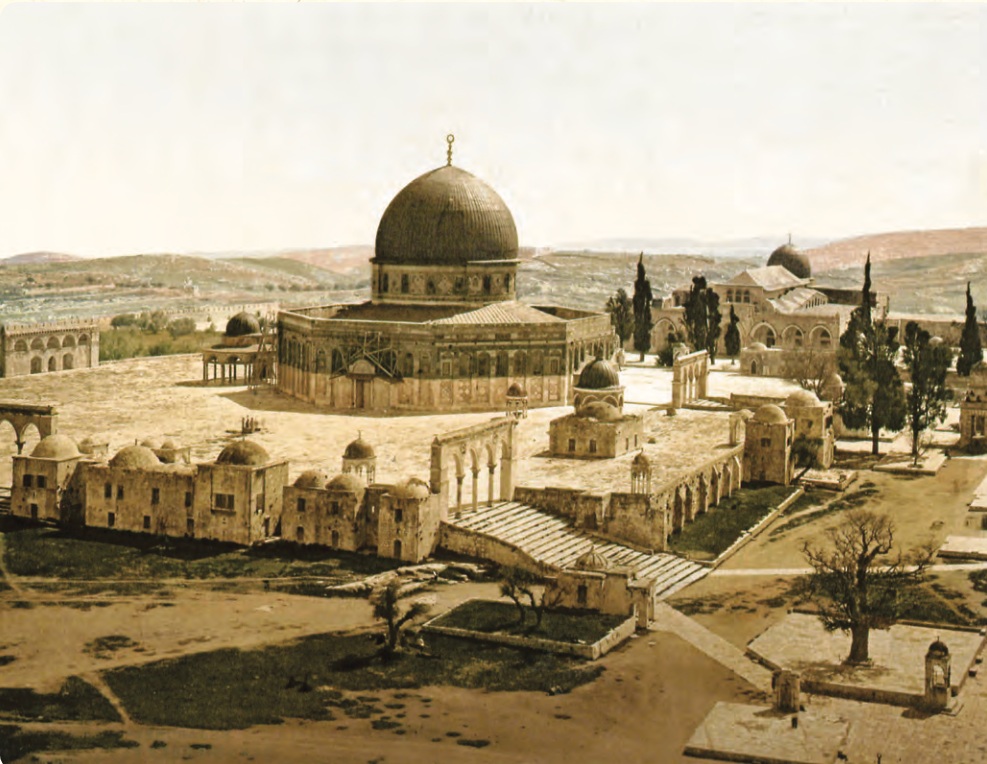
Public Services, Demographics, and Economics in Ottoman Jerusalem
During the nineteenth century, Jerusalem underwent visible administrative and infrastructural change as Ottoman reforms intersected with growing European involvement.
Municipal Services
The Jerusalem Municipality, founded in 1863, focused on basic urban management:
- Street cleaning, sewage management, paving, and lighting
- Tree planting and limited public landscaping
- The opening of a municipal hospital
- The establishment of a local police force
The city also saw theaters and cultural venues operating in Turkish, Arabic, and French.
Population Changes
Nineteenth-century population figures remain estimates, but they show steady growth. In the mid-1800s, Jerusalem had roughly 11,700 residents, divided among Muslims, Christians, and Jews.
By the late nineteenth century, the population exceeded 40,000, with Jewish residents forming the largest single group, followed by Muslims and Christians.
Economic Conditions
Jerusalem was not an industrial hub. Its economy depended heavily on pilgrimage, small workshops, and religious endowments.
- Local crafts included textiles, soap, leather, and metalwork
- Trade routes connected the city to Egypt, Syria, and Anatolia
- Pilgrims created constant demand for lodging, food, and souvenirs
- Imperial stipends known as surre supported religious institutions
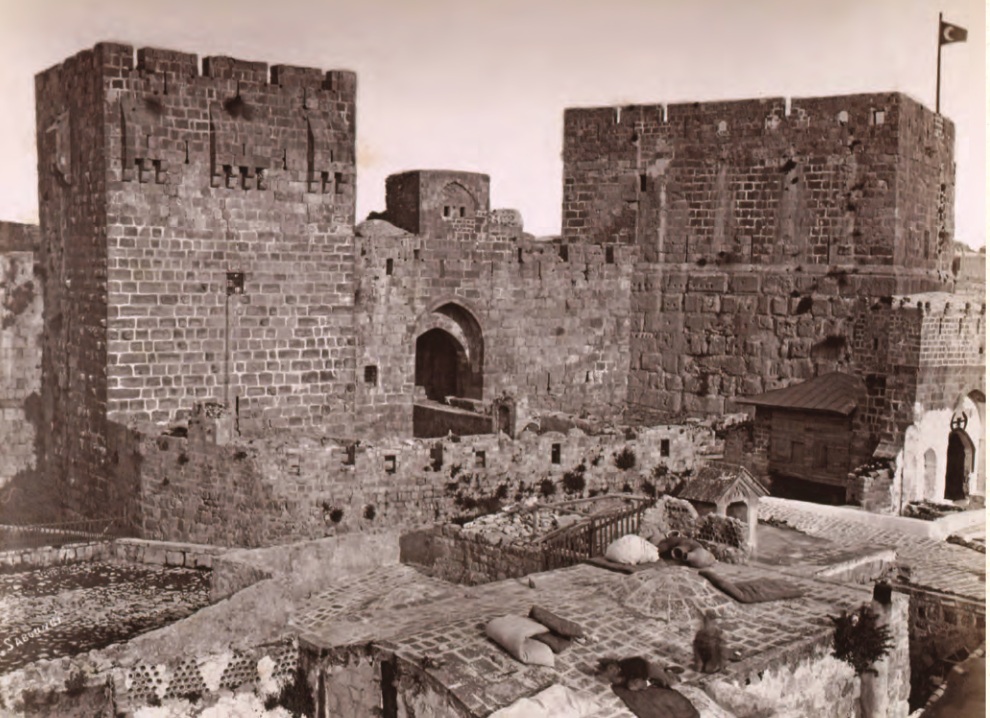
Transportation
Improved transport tied Jerusalem more closely to the wider empire:
- The telegraph connected the city to regional centers
- The Jaffa–Jerusalem road reduced travel time from the coast
- The railway further increased pilgrimage and commerce
Education and Culture
- Traditional madrasas relied on religious endowments
- Sufi lodges provided religious teaching and lodging
- State and missionary schools expanded in the late Ottoman period
Ottoman Rule in Jerusalem: 1517–1917
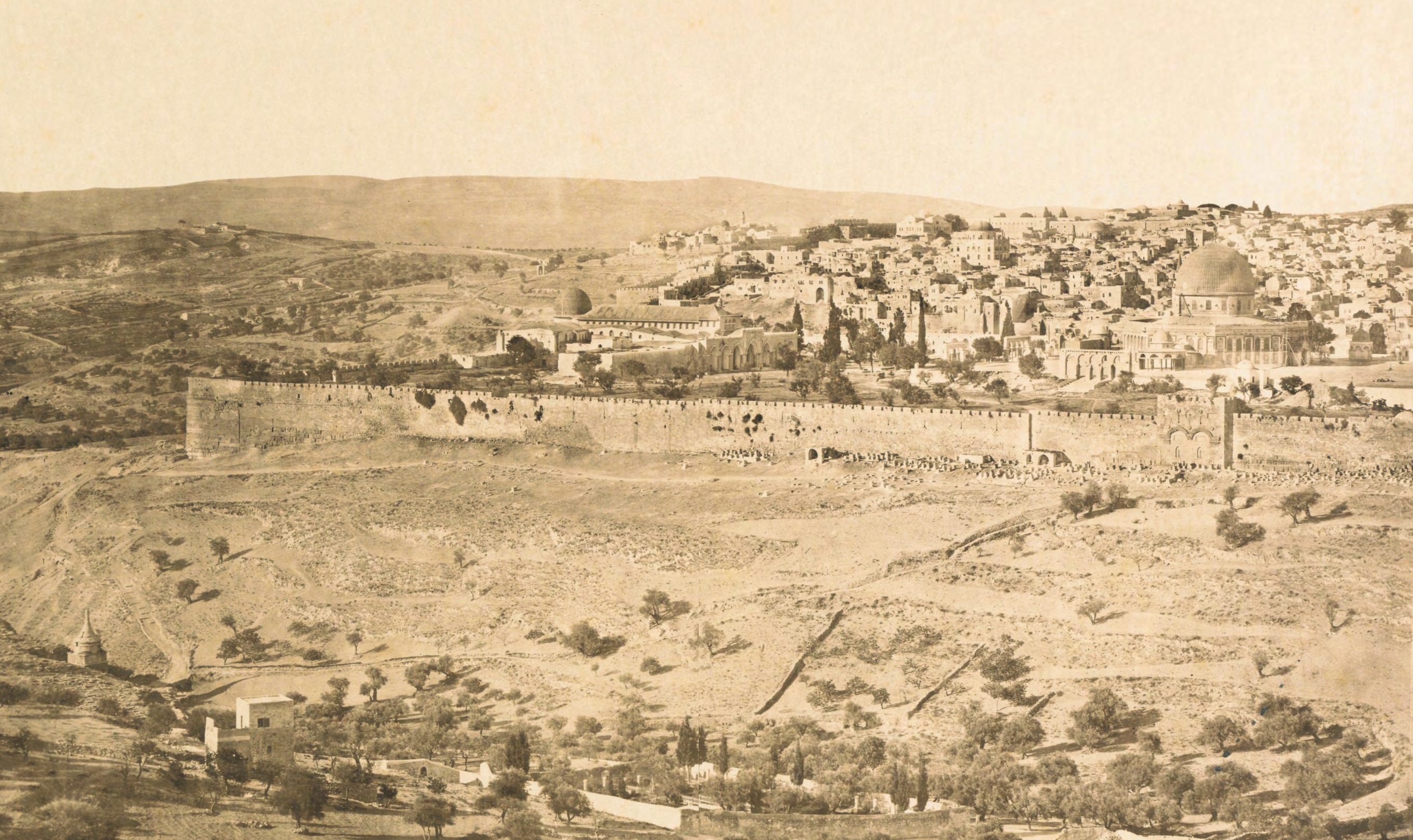
For four centuries, Jerusalem remained under Ottoman sovereignty, governed with relative continuity despite regional unrest.
Suleiman the Magnificent stands out for reshaping the city’s physical form, especially through the rebuilding of the walls that still define the Old City today.
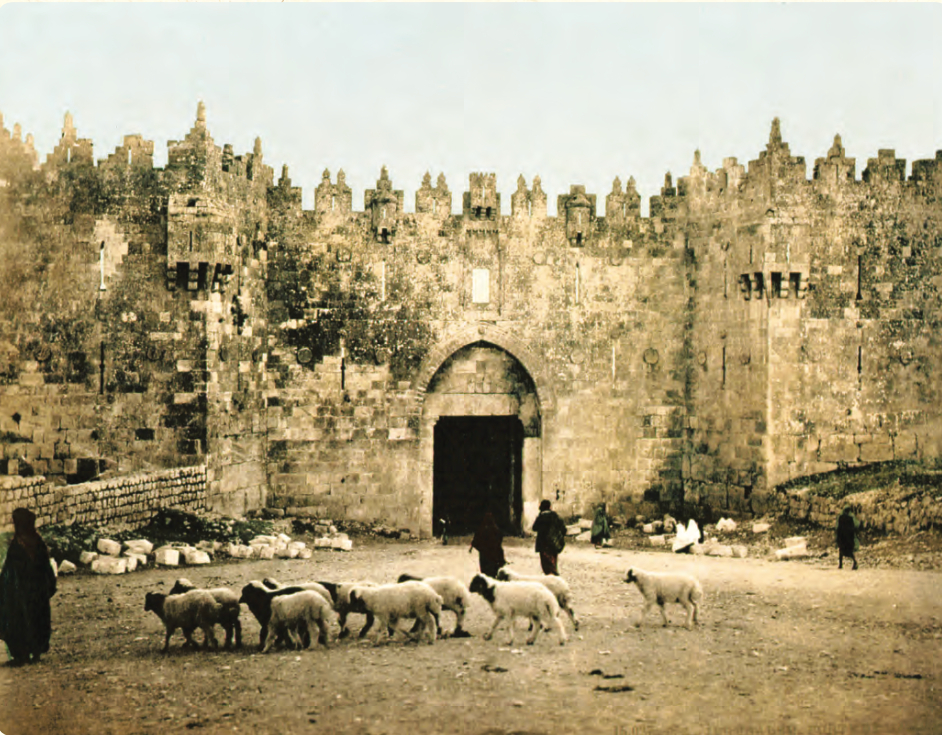
Governing a Holy Mosaic
Jerusalem required careful administration. Muslims, Christians, and Jews all viewed the city as sacred, and the Ottomans ruled through compromise and precedent.
Rights and Privileges
Non-Muslim communities were organized under the millet system, allowing religious autonomy in exchange for loyalty and taxation.
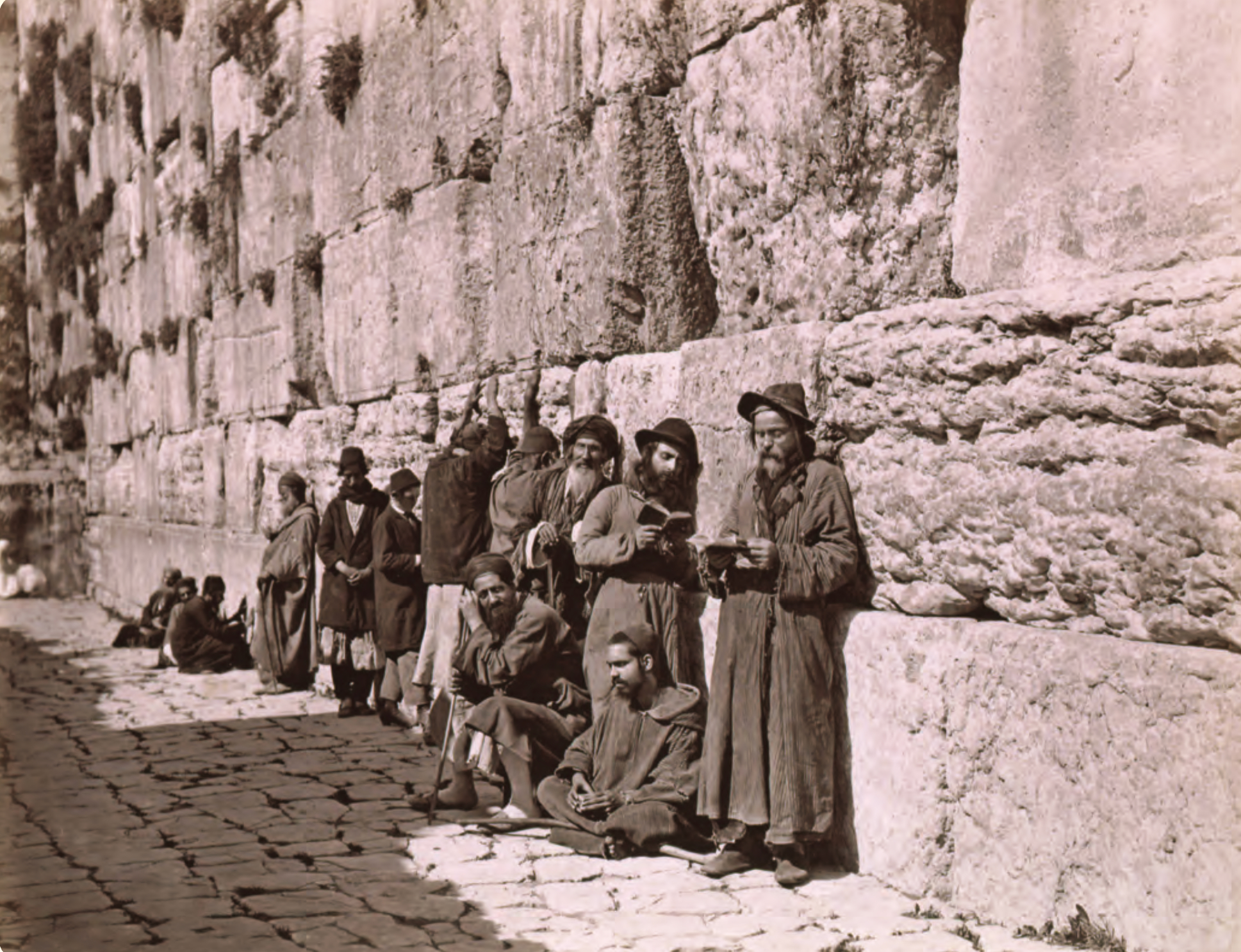
Daily Life for Ottoman Jerusalemites
The following vignettes are fictional, inspired by historical sources, and meant to reflect everyday life rather than specific individuals.
Yusuf’s Day (Muslim)
Yusuf opens his textile shop after morning prayer, trading fabrics with locals and pilgrims. Coffee from Yemen fuels conversation, while the rhythm of prayers structures the day.
Elias’ Day (Christian)
Elias works as a stonemason near the Church of the Holy Sepulchre, sharing meals with fellow craftsmen and navigating a city where sacred space is carefully negotiated.
Rebecca’s Day (Jew)
Rebecca prepares for Shabbat, shops in shared markets, and lives under imperial protection that—while imperfect—offers stability compared to many parts of Europe.
References
The research draws on Ottoman court records, travel accounts, and modern academic studies listed in the original bibliography.