Turkish Ministry of Health 2026: Budget, Services & Expat Guide
Table of Contents
- Public Health Shield: Controlling epidemics and managing vaccination programs.
- Border Security: Ensuring health threats don’t enter via airports or land borders (General Directorate of Borders and Coasts).
- Drug Safety: Regulating every pill and vaccine sold in the country.
- Healthcare Equality: Assigning doctors and equipment to ensure a patient in rural Anatolia gets similar care standards to one in Istanbul.

Staffing & Infrastructure: The Recruitment Drive
If you are looking for work in the sector, the Ministry is in aggressive expansion mode. For 2025, the target is to hire roughly 37,000 new healthcare staff (excluding doctors). Over 15,000 positions have already been filled through the KPSS-2025/5 placement round.
Looking ahead to 2026, the plan includes recruiting an additional 26,673 personnel, including nearly 23,000 specialist doctors, to fill gaps in underserved regions. For those navigating the local job market, understanding these recruitment cycles is crucialcheck out our guide on Finding a Job in Turkey for broader tips on landing a position.
The Rise of “City Hospitals”
The physical landscape of Turkish healthcare is defined by City Hospitals (Şehir Hastaneleri)—massive medical complexes often built as Public Private Partnerships (PPPs). New mega projects are underway in earthquake affected and strategic zones like Hatay, Kahramanmaraş, and Şanlıurfa. These projects are often spearheaded by the country’s industrial giants (see: Largest Companies in Turkey).
Strategic Goals 2024-2028
The Ministry isn’t just maintaining the status quo; it is pivoting toward self sufficiency.
- Local Production: A major goal for 2026 is to produce high cost drugs, such as those for Spinal Muscular Atrophy (SMA), domestically to reduce reliance on imports.
- Addiction Fighting: In the first half of 2025 alone, addiction programs (covering everything from gambling to digital media) reached nearly 900,000 people.
- R&D Ecosystem: The Ministry is funding 1,600 R&D projects to build a local vaccine development ecosystem.
Practitioner’s Guide: Medicine & Emergencies
Drug Pricing & Availability
One of the biggest friction points for expats is finding specific medicines. The government sets a fixed “Euro Reference Rate” to control costs. In October 2024, this was raised to 21.67 TL for the 2025 period. While this keeps prices lower for consumers, the gap between this fixed rate and the real street exchange rate can sometimes cause stock shortages.
Pro Tip: If you rely on chronic medication, always have a buffer stock. For more on how pharmacies operate here, read our deep dive on Pharmacists in Turkey.
Emergency & Weekend Care
Sickness doesn’t follow a 9-to-5 schedule. Here is what you need to know:
- Emergencies (Acil): Dial 112. Emergency rooms in state hospitals are open 24/7, including weekends and holidays.
- Routine Appointments: Polyclinics are generally closed on weekends and national holidays. Always check the calendarour guide to Turkey Public Holidays 2026 can save you a wasted trip.
Contact the Ministry
For official inquiries, complaints, or feedback, you can reach the Ministry directly.
Address:
Bilkent Yerleşkesi, Üniversiteler Mah. Dumlupınar Bulvarı 6001. Cad. No: 9
Çankaya / Ankara 06800
Phone: +90 (312) 585 1000
Website: https://www.saglik.gov.tr
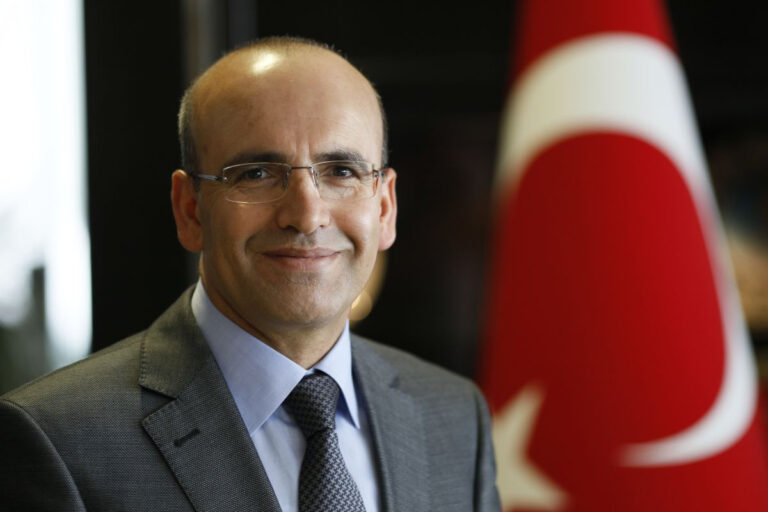
- Minister of Health: Prof. Dr. Kemal Memişoğlu has held the reins since mid-2024. A general surgeon by training (born in Trabzon, 1966), he brings decades of hospital management experience to the table.
- Key Deputies:
- Doç. Dr. Şuayıp Birinci: The tech visionary behind Turkey’s digital health revolution (including e Nabız) and pharmaceutical regulation.
- Hüseyin Kürşat Kırbıyık: Manages the strategic development and massive health investments.
What the Ministry Actually Does
Beyond the administrative paperwork, the Ministry’s daily responsibilities directly impact life in Turkey:
- Public Health Shield: Controlling epidemics and managing vaccination programs.
- Border Security: Ensuring health threats don’t enter via airports or land borders (General Directorate of Borders and Coasts).
- Drug Safety: Regulating every pill and vaccine sold in the country.
- Healthcare Equality: Assigning doctors and equipment to ensure a patient in rural Anatolia gets similar care standards to one in Istanbul.
Staffing & Infrastructure: The Recruitment Drive
If you are looking for work in the sector, the Ministry is in aggressive expansion mode. For 2025, the target is to hire roughly 37,000 new healthcare staff (excluding doctors). Over 15,000 positions have already been filled through the KPSS-2025/5 placement round.
Looking ahead to 2026, the plan includes recruiting an additional 26,673 personnel, including nearly 23,000 specialist doctors, to fill gaps in underserved regions. For those navigating the local job market, understanding these recruitment cycles is crucialcheck out our guide on Finding a Job in Turkey for broader tips on landing a position.
The Rise of “City Hospitals”
The physical landscape of Turkish healthcare is defined by City Hospitals (Şehir Hastaneleri)—massive medical complexes often built as Public Private Partnerships (PPPs). New mega projects are underway in earthquake affected and strategic zones like Hatay, Kahramanmaraş, and Şanlıurfa. These projects are often spearheaded by the country’s industrial giants (see: Largest Companies in Turkey).
Strategic Goals 2024-2028
The Ministry isn’t just maintaining the status quo; it is pivoting toward self sufficiency.
- Local Production: A major goal for 2026 is to produce high cost drugs, such as those for Spinal Muscular Atrophy (SMA), domestically to reduce reliance on imports.
- Addiction Fighting: In the first half of 2025 alone, addiction programs (covering everything from gambling to digital media) reached nearly 900,000 people.
- R&D Ecosystem: The Ministry is funding 1,600 R&D projects to build a local vaccine development ecosystem.
Practitioner’s Guide: Medicine & Emergencies
Drug Pricing & Availability
One of the biggest friction points for expats is finding specific medicines. The government sets a fixed “Euro Reference Rate” to control costs. In October 2024, this was raised to 21.67 TL for the 2025 period. While this keeps prices lower for consumers, the gap between this fixed rate and the real street exchange rate can sometimes cause stock shortages.
Pro Tip: If you rely on chronic medication, always have a buffer stock. For more on how pharmacies operate here, read our deep dive on Pharmacists in Turkey.
Emergency & Weekend Care
Sickness doesn’t follow a 9-to-5 schedule. Here is what you need to know:
- Emergencies (Acil): Dial 112. Emergency rooms in state hospitals are open 24/7, including weekends and holidays.
- Routine Appointments: Polyclinics are generally closed on weekends and national holidays. Always check the calendarour guide to Turkey Public Holidays 2026 can save you a wasted trip.
Contact the Ministry
For official inquiries, complaints, or feedback, you can reach the Ministry directly.
Address:
Bilkent Yerleşkesi, Üniversiteler Mah. Dumlupınar Bulvarı 6001. Cad. No: 9
Çankaya / Ankara 06800Phone: +90 (312) 585 1000
Website: https://www.saglik.gov.tr
- Local Production: A major goal for 2026 is to produce high cost drugs, such as those for Spinal Muscular Atrophy (SMA), domestically to reduce reliance on imports.
- Addiction Fighting: In the first half of 2025 alone, addiction programs (covering everything from gambling to digital media) reached nearly 900,000 people.
- R&D Ecosystem: The Ministry is funding 1,600 R&D projects to build a local vaccine development ecosystem.
Practitioner’s Guide: Medicine & Emergencies
Drug Pricing & Availability
One of the biggest friction points for expats is finding specific medicines. The government sets a fixed “Euro Reference Rate” to control costs. In October 2024, this was raised to 21.67 TL for the 2025 period. While this keeps prices lower for consumers, the gap between this fixed rate and the real street exchange rate can sometimes cause stock shortages.
Pro Tip: If you rely on chronic medication, always have a buffer stock. For more on how pharmacies operate here, read our deep dive on Pharmacists in Turkey.
Emergency & Weekend Care
Sickness doesn’t follow a 9-to-5 schedule. Here is what you need to know:
- Emergencies (Acil): Dial 112. Emergency rooms in state hospitals are open 24/7, including weekends and holidays.
- Routine Appointments: Polyclinics are generally closed on weekends and national holidays. Always check the calendarour guide to Turkey Public Holidays 2026 can save you a wasted trip.
Contact the Ministry
For official inquiries, complaints, or feedback, you can reach the Ministry directly.
Address:
Bilkent Yerleşkesi, Üniversiteler Mah. Dumlupınar Bulvarı 6001. Cad. No: 9
Çankaya / Ankara 06800
Phone: +90 (312) 585 1000
Website: https://www.saglik.gov.tr
- Minister of Health: Prof. Dr. Kemal Memişoğlu has held the reins since mid-2024. A general surgeon by training (born in Trabzon, 1966), he brings decades of hospital management experience to the table.
- Key Deputies:
- Doç. Dr. Şuayıp Birinci: The tech visionary behind Turkey’s digital health revolution (including e Nabız) and pharmaceutical regulation.
- Hüseyin Kürşat Kırbıyık: Manages the strategic development and massive health investments.
What the Ministry Actually Does
Beyond the administrative paperwork, the Ministry’s daily responsibilities directly impact life in Turkey:
- Public Health Shield: Controlling epidemics and managing vaccination programs.
- Border Security: Ensuring health threats don’t enter via airports or land borders (General Directorate of Borders and Coasts).
- Drug Safety: Regulating every pill and vaccine sold in the country.
- Healthcare Equality: Assigning doctors and equipment to ensure a patient in rural Anatolia gets similar care standards to one in Istanbul.
Staffing & Infrastructure: The Recruitment Drive
If you are looking for work in the sector, the Ministry is in aggressive expansion mode. For 2025, the target is to hire roughly 37,000 new healthcare staff (excluding doctors). Over 15,000 positions have already been filled through the KPSS-2025/5 placement round.
Looking ahead to 2026, the plan includes recruiting an additional 26,673 personnel, including nearly 23,000 specialist doctors, to fill gaps in underserved regions. For those navigating the local job market, understanding these recruitment cycles is crucialcheck out our guide on Finding a Job in Turkey for broader tips on landing a position.
The Rise of “City Hospitals”
The physical landscape of Turkish healthcare is defined by City Hospitals (Şehir Hastaneleri)—massive medical complexes often built as Public Private Partnerships (PPPs). New mega projects are underway in earthquake affected and strategic zones like Hatay, Kahramanmaraş, and Şanlıurfa. These projects are often spearheaded by the country’s industrial giants (see: Largest Companies in Turkey).
Strategic Goals 2024-2028
The Ministry isn’t just maintaining the status quo; it is pivoting toward self sufficiency.
- Local Production: A major goal for 2026 is to produce high cost drugs, such as those for Spinal Muscular Atrophy (SMA), domestically to reduce reliance on imports.
- Addiction Fighting: In the first half of 2025 alone, addiction programs (covering everything from gambling to digital media) reached nearly 900,000 people.
- R&D Ecosystem: The Ministry is funding 1,600 R&D projects to build a local vaccine development ecosystem.
Practitioner’s Guide: Medicine & Emergencies
Drug Pricing & Availability
One of the biggest friction points for expats is finding specific medicines. The government sets a fixed “Euro Reference Rate” to control costs. In October 2024, this was raised to 21.67 TL for the 2025 period. While this keeps prices lower for consumers, the gap between this fixed rate and the real street exchange rate can sometimes cause stock shortages.
Pro Tip: If you rely on chronic medication, always have a buffer stock. For more on how pharmacies operate here, read our deep dive on Pharmacists in Turkey.
Emergency & Weekend Care
Sickness doesn’t follow a 9-to-5 schedule. Here is what you need to know:
- Emergencies (Acil): Dial 112. Emergency rooms in state hospitals are open 24/7, including weekends and holidays.
- Routine Appointments: Polyclinics are generally closed on weekends and national holidays. Always check the calendarour guide to Turkey Public Holidays 2026 can save you a wasted trip.
Contact the Ministry
For official inquiries, complaints, or feedback, you can reach the Ministry directly.
Address:
Bilkent Yerleşkesi, Üniversiteler Mah. Dumlupınar Bulvarı 6001. Cad. No: 9
Çankaya / Ankara 06800Phone: +90 (312) 585 1000
Website: https://www.saglik.gov.tr
- Public Health Shield: Controlling epidemics and managing vaccination programs.
- Border Security: Ensuring health threats don’t enter via airports or land borders (General Directorate of Borders and Coasts).
- Drug Safety: Regulating every pill and vaccine sold in the country.
- Healthcare Equality: Assigning doctors and equipment to ensure a patient in rural Anatolia gets similar care standards to one in Istanbul.
Staffing & Infrastructure: The Recruitment Drive
If you are looking for work in the sector, the Ministry is in aggressive expansion mode. For 2025, the target is to hire roughly 37,000 new healthcare staff (excluding doctors). Over 15,000 positions have already been filled through the KPSS-2025/5 placement round.
Looking ahead to 2026, the plan includes recruiting an additional 26,673 personnel, including nearly 23,000 specialist doctors, to fill gaps in underserved regions. For those navigating the local job market, understanding these recruitment cycles is crucialcheck out our guide on Finding a Job in Turkey for broader tips on landing a position.
The Rise of “City Hospitals”
The physical landscape of Turkish healthcare is defined by City Hospitals (Şehir Hastaneleri)—massive medical complexes often built as Public Private Partnerships (PPPs). New mega projects are underway in earthquake affected and strategic zones like Hatay, Kahramanmaraş, and Şanlıurfa. These projects are often spearheaded by the country’s industrial giants (see: Largest Companies in Turkey).
Strategic Goals 2024-2028
The Ministry isn’t just maintaining the status quo; it is pivoting toward self sufficiency.
- Local Production: A major goal for 2026 is to produce high cost drugs, such as those for Spinal Muscular Atrophy (SMA), domestically to reduce reliance on imports.
- Addiction Fighting: In the first half of 2025 alone, addiction programs (covering everything from gambling to digital media) reached nearly 900,000 people.
- R&D Ecosystem: The Ministry is funding 1,600 R&D projects to build a local vaccine development ecosystem.
Practitioner’s Guide: Medicine & Emergencies
Drug Pricing & Availability
One of the biggest friction points for expats is finding specific medicines. The government sets a fixed “Euro Reference Rate” to control costs. In October 2024, this was raised to 21.67 TL for the 2025 period. While this keeps prices lower for consumers, the gap between this fixed rate and the real street exchange rate can sometimes cause stock shortages.
Pro Tip: If you rely on chronic medication, always have a buffer stock. For more on how pharmacies operate here, read our deep dive on Pharmacists in Turkey.
Emergency & Weekend Care
Sickness doesn’t follow a 9-to-5 schedule. Here is what you need to know:
- Emergencies (Acil): Dial 112. Emergency rooms in state hospitals are open 24/7, including weekends and holidays.
- Routine Appointments: Polyclinics are generally closed on weekends and national holidays. Always check the calendarour guide to Turkey Public Holidays 2026 can save you a wasted trip.
Contact the Ministry
For official inquiries, complaints, or feedback, you can reach the Ministry directly.
Address:
Bilkent Yerleşkesi, Üniversiteler Mah. Dumlupınar Bulvarı 6001. Cad. No: 9
Çankaya / Ankara 06800
Phone: +90 (312) 585 1000
Website: https://www.saglik.gov.tr
- Minister of Health: Prof. Dr. Kemal Memişoğlu has held the reins since mid-2024. A general surgeon by training (born in Trabzon, 1966), he brings decades of hospital management experience to the table.
- Key Deputies:
- Doç. Dr. Şuayıp Birinci: The tech visionary behind Turkey’s digital health revolution (including e Nabız) and pharmaceutical regulation.
- Hüseyin Kürşat Kırbıyık: Manages the strategic development and massive health investments.
What the Ministry Actually Does
Beyond the administrative paperwork, the Ministry’s daily responsibilities directly impact life in Turkey:
- Public Health Shield: Controlling epidemics and managing vaccination programs.
- Border Security: Ensuring health threats don’t enter via airports or land borders (General Directorate of Borders and Coasts).
- Drug Safety: Regulating every pill and vaccine sold in the country.
- Healthcare Equality: Assigning doctors and equipment to ensure a patient in rural Anatolia gets similar care standards to one in Istanbul.
Staffing & Infrastructure: The Recruitment Drive
If you are looking for work in the sector, the Ministry is in aggressive expansion mode. For 2025, the target is to hire roughly 37,000 new healthcare staff (excluding doctors). Over 15,000 positions have already been filled through the KPSS-2025/5 placement round.
Looking ahead to 2026, the plan includes recruiting an additional 26,673 personnel, including nearly 23,000 specialist doctors, to fill gaps in underserved regions. For those navigating the local job market, understanding these recruitment cycles is crucialcheck out our guide on Finding a Job in Turkey for broader tips on landing a position.
The Rise of “City Hospitals”
The physical landscape of Turkish healthcare is defined by City Hospitals (Şehir Hastaneleri)—massive medical complexes often built as Public Private Partnerships (PPPs). New mega projects are underway in earthquake affected and strategic zones like Hatay, Kahramanmaraş, and Şanlıurfa. These projects are often spearheaded by the country’s industrial giants (see: Largest Companies in Turkey).
Strategic Goals 2024-2028
The Ministry isn’t just maintaining the status quo; it is pivoting toward self sufficiency.
- Local Production: A major goal for 2026 is to produce high cost drugs, such as those for Spinal Muscular Atrophy (SMA), domestically to reduce reliance on imports.
- Addiction Fighting: In the first half of 2025 alone, addiction programs (covering everything from gambling to digital media) reached nearly 900,000 people.
- R&D Ecosystem: The Ministry is funding 1,600 R&D projects to build a local vaccine development ecosystem.
Practitioner’s Guide: Medicine & Emergencies
Drug Pricing & Availability
One of the biggest friction points for expats is finding specific medicines. The government sets a fixed “Euro Reference Rate” to control costs. In October 2024, this was raised to 21.67 TL for the 2025 period. While this keeps prices lower for consumers, the gap between this fixed rate and the real street exchange rate can sometimes cause stock shortages.
Pro Tip: If you rely on chronic medication, always have a buffer stock. For more on how pharmacies operate here, read our deep dive on Pharmacists in Turkey.
Emergency & Weekend Care
Sickness doesn’t follow a 9-to-5 schedule. Here is what you need to know:
- Emergencies (Acil): Dial 112. Emergency rooms in state hospitals are open 24/7, including weekends and holidays.
- Routine Appointments: Polyclinics are generally closed on weekends and national holidays. Always check the calendarour guide to Turkey Public Holidays 2026 can save you a wasted trip.
Contact the Ministry
For official inquiries, complaints, or feedback, you can reach the Ministry directly.
Address:
Bilkent Yerleşkesi, Üniversiteler Mah. Dumlupınar Bulvarı 6001. Cad. No: 9
Çankaya / Ankara 06800Phone: +90 (312) 585 1000
Website: https://www.saglik.gov.tr
- Local Production: A major goal for 2026 is to produce high cost drugs, such as those for Spinal Muscular Atrophy (SMA), domestically to reduce reliance on imports.
- Addiction Fighting: In the first half of 2025 alone, addiction programs (covering everything from gambling to digital media) reached nearly 900,000 people.
- R&D Ecosystem: The Ministry is funding 1,600 R&D projects to build a local vaccine development ecosystem.
Practitioner’s Guide: Medicine & Emergencies
Drug Pricing & Availability
One of the biggest friction points for expats is finding specific medicines. The government sets a fixed “Euro Reference Rate” to control costs. In December 2025, this was raised to 25.33 TL for the 2026 period. While this keeps prices lower for consumers, the gap between this fixed rate and the real street exchange rate can sometimes cause stock shortages.
Pro Tip: If you rely on chronic medication, always have a buffer stock. For more on how pharmacies operate here, read our deep dive on Pharmacists in Turkey.
Emergency & Weekend Care
Sickness doesn’t follow a 9-to-5 schedule. Here is what you need to know:
- Emergencies (Acil): Dial 112. Emergency rooms in state hospitals are open 24/7, including weekends and holidays.
- Routine Appointments: Polyclinics are generally closed on weekends and national holidays. Always check the calendarour guide to Turkey Public Holidays 2026 can save you a wasted trip.
Contact the Ministry
For official inquiries, complaints, or feedback, you can reach the Ministry directly.
Address:
Bilkent Yerleşkesi, Üniversiteler Mah. Dumlupınar Bulvarı 6001. Cad. No: 9
Çankaya / Ankara 06800
Phone: +90 (312) 585 1000
Website: https://www.saglik.gov.tr
- Public Health Shield: Controlling epidemics and managing vaccination programs.
- Border Security: Ensuring health threats don’t enter via airports or land borders (General Directorate of Borders and Coasts).
- Drug Safety: Regulating every pill and vaccine sold in the country.
- Healthcare Equality: Assigning doctors and equipment to ensure a patient in rural Anatolia gets similar care standards to one in Istanbul.
Staffing & Infrastructure: The Recruitment Drive
If you are looking for work in the sector, the Ministry is in aggressive expansion mode. For 2025, the target is to hire roughly 37,000 new healthcare staff (excluding doctors). Over 15,000 positions have already been filled through the KPSS-2025/5 placement round.
Looking ahead to 2026, the plan includes recruiting an additional 26,673 personnel, including nearly 23,000 specialist doctors, to fill gaps in underserved regions. For those navigating the local job market, understanding these recruitment cycles is crucialcheck out our guide on Finding a Job in Turkey for broader tips on landing a position.
The Rise of “City Hospitals”
The physical landscape of Turkish healthcare is defined by City Hospitals (Şehir Hastaneleri)—massive medical complexes often built as Public Private Partnerships (PPPs). New mega projects are underway in earthquake affected and strategic zones like Hatay, Kahramanmaraş, and Şanlıurfa. These projects are often spearheaded by the country’s industrial giants (see: Largest Companies in Turkey).
Strategic Goals 2024-2028
The Ministry isn’t just maintaining the status quo; it is pivoting toward self sufficiency.
- Local Production: A major goal for 2026 is to produce high cost drugs, such as those for Spinal Muscular Atrophy (SMA), domestically to reduce reliance on imports.
- Addiction Fighting: In the first half of 2025 alone, addiction programs (covering everything from gambling to digital media) reached nearly 900,000 people.
- R&D Ecosystem: The Ministry is funding 1,600 R&D projects to build a local vaccine development ecosystem.
Practitioner’s Guide: Medicine & Emergencies
Drug Pricing & Availability
One of the biggest friction points for expats is finding specific medicines. The government sets a fixed “Euro Reference Rate” to control costs. In October 2024, this was raised to 21.67 TL for the 2025 period. While this keeps prices lower for consumers, the gap between this fixed rate and the real street exchange rate can sometimes cause stock shortages.
Pro Tip: If you rely on chronic medication, always have a buffer stock. For more on how pharmacies operate here, read our deep dive on Pharmacists in Turkey.
Emergency & Weekend Care
Sickness doesn’t follow a 9-to-5 schedule. Here is what you need to know:
- Emergencies (Acil): Dial 112. Emergency rooms in state hospitals are open 24/7, including weekends and holidays.
- Routine Appointments: Polyclinics are generally closed on weekends and national holidays. Always check the calendarour guide to Turkey Public Holidays 2026 can save you a wasted trip.
Contact the Ministry
For official inquiries, complaints, or feedback, you can reach the Ministry directly.
Address:
Bilkent Yerleşkesi, Üniversiteler Mah. Dumlupınar Bulvarı 6001. Cad. No: 9
Çankaya / Ankara 06800
Phone: +90 (312) 585 1000
Website: https://www.saglik.gov.tr
- Minister of Health: Prof. Dr. Kemal Memişoğlu has held the reins since mid-2024. A general surgeon by training (born in Trabzon, 1966), he brings decades of hospital management experience to the table.
- Key Deputies:
- Doç. Dr. Şuayıp Birinci: The tech visionary behind Turkey’s digital health revolution (including e Nabız) and pharmaceutical regulation.
- Hüseyin Kürşat Kırbıyık: Manages the strategic development and massive health investments.
What the Ministry Actually Does
Beyond the administrative paperwork, the Ministry’s daily responsibilities directly impact life in Turkey:
- Public Health Shield: Controlling epidemics and managing vaccination programs.
- Border Security: Ensuring health threats don’t enter via airports or land borders (General Directorate of Borders and Coasts).
- Drug Safety: Regulating every pill and vaccine sold in the country.
- Healthcare Equality: Assigning doctors and equipment to ensure a patient in rural Anatolia gets similar care standards to one in Istanbul.
Staffing & Infrastructure: The Recruitment Drive
If you are looking for work in the sector, the Ministry is in aggressive expansion mode. For 2025, the target is to hire roughly 37,000 new healthcare staff (excluding doctors). Over 15,000 positions have already been filled through the KPSS-2025/5 placement round.
Looking ahead to 2026, the plan includes recruiting an additional 26,673 personnel, including nearly 23,000 specialist doctors, to fill gaps in underserved regions. For those navigating the local job market, understanding these recruitment cycles is crucialcheck out our guide on Finding a Job in Turkey for broader tips on landing a position.
The Rise of “City Hospitals”
The physical landscape of Turkish healthcare is defined by City Hospitals (Şehir Hastaneleri)—massive medical complexes often built as Public Private Partnerships (PPPs). New mega projects are underway in earthquake affected and strategic zones like Hatay, Kahramanmaraş, and Şanlıurfa. These projects are often spearheaded by the country’s industrial giants (see: Largest Companies in Turkey).
Strategic Goals 2024-2028
The Ministry isn’t just maintaining the status quo; it is pivoting toward self sufficiency.
- Local Production: A major goal for 2026 is to produce high cost drugs, such as those for Spinal Muscular Atrophy (SMA), domestically to reduce reliance on imports.
- Addiction Fighting: In the first half of 2025 alone, addiction programs (covering everything from gambling to digital media) reached nearly 900,000 people.
- R&D Ecosystem: The Ministry is funding 1,600 R&D projects to build a local vaccine development ecosystem.
Practitioner’s Guide: Medicine & Emergencies
Drug Pricing & Availability
One of the biggest friction points for expats is finding specific medicines. The government sets a fixed “Euro Reference Rate” to control costs. In October 2024, this was raised to 21.67 TL for the 2025 period. While this keeps prices lower for consumers, the gap between this fixed rate and the real street exchange rate can sometimes cause stock shortages.
Pro Tip: If you rely on chronic medication, always have a buffer stock. For more on how pharmacies operate here, read our deep dive on Pharmacists in Turkey.
Emergency & Weekend Care
Sickness doesn’t follow a 9-to-5 schedule. Here is what you need to know:
- Emergencies (Acil): Dial 112. Emergency rooms in state hospitals are open 24/7, including weekends and holidays.
- Routine Appointments: Polyclinics are generally closed on weekends and national holidays. Always check the calendarour guide to Turkey Public Holidays 2026 can save you a wasted trip.
Contact the Ministry
For official inquiries, complaints, or feedback, you can reach the Ministry directly.
Address:
Bilkent Yerleşkesi, Üniversiteler Mah. Dumlupınar Bulvarı 6001. Cad. No: 9
Çankaya / Ankara 06800Phone: +90 (312) 585 1000
Website: https://www.saglik.gov.tr
The Turkish Ministry of Health (T. C. Sağlık Bakanlığı) isn’t just a government building in Ankara; it is the engine behind every public hospital, family clinic, and emergency ambulance in the country.
For expats and citizens alike, this ministry determines the quality of care you receive, the price of your medicine, and how fast an ambulance arrives when you dial 112. It manages everything from disease prevention and mental health support to the massive logistics of disaster response.

The 2025 Landscape: A Trillion Lira Operation
Understanding the Ministry’s budget is the quickest way to understand the scale of Turkish healthcare. Established in 1920 during the republic’s founding days, the institution has grown into a behemoth.
For the 2025 fiscal year, the Ministry has been allocated a staggering 1,020,317,000,000 TL (approximately 1.02 trillion Lira). This represents a nominal increase of nearly 39% compared to the previous year. However, smart observersand groups like the Turkish Medical Associationlook at this number through the lens of inflation. While the raw number is huge, the real purchasing power is a constant battle against rising costs.
Where does the money go?
- 72% (Curative Services): Running hospitals, surgeries, and treatments.
- 27% (Preventive Health): Stopping diseases before they start (vaccinations, screenings).
Leadership & Structure (2025 Update)
The Ministry is led by a cabinet minister appointed directly by the President, supported by a network of deputy ministers who manage specific portfolios like digitalization or legal affairs.
- Emergencies (Acil): Dial 112. Emergency rooms in state hospitals are open 24/7, including weekends and holidays.
- Routine Appointments: Polyclinics are generally closed on weekends and national holidays. Always check the calendarour guide to Turkey Public Holidays 2026 can save you a wasted trip.
Contact the Ministry
For official inquiries, complaints, or feedback, you can reach the Ministry directly.
Address:
Bilkent Yerleşkesi, Üniversiteler Mah. Dumlupınar Bulvarı 6001. Cad. No: 9
Çankaya / Ankara 06800
Phone: +90 (312) 585 1000
Website: https://www.saglik.gov.tr
- Local Production: A major goal for 2026 is to produce high cost drugs, such as those for Spinal Muscular Atrophy (SMA), domestically to reduce reliance on imports.
- Addiction Fighting: In the first half of 2025 alone, addiction programs (covering everything from gambling to digital media) reached nearly 900,000 people.
- R&D Ecosystem: The Ministry is funding 1,600 R&D projects to build a local vaccine development ecosystem.
Practitioner’s Guide: Medicine & Emergencies
Drug Pricing & Availability
One of the biggest friction points for expats is finding specific medicines. The government sets a fixed “Euro Reference Rate” to control costs. In December 2025, this was raised to 25.33 TL for the 2026 period. While this keeps prices lower for consumers, the gap between this fixed rate and the real street exchange rate can sometimes cause stock shortages.
Pro Tip: If you rely on chronic medication, always have a buffer stock. For more on how pharmacies operate here, read our deep dive on Pharmacists in Turkey.
Emergency & Weekend Care
Sickness doesn’t follow a 9-to-5 schedule. Here is what you need to know:
- Emergencies (Acil): Dial 112. Emergency rooms in state hospitals are open 24/7, including weekends and holidays.
- Routine Appointments: Polyclinics are generally closed on weekends and national holidays. Always check the calendarour guide to Turkey Public Holidays 2026 can save you a wasted trip.
Contact the Ministry
For official inquiries, complaints, or feedback, you can reach the Ministry directly.
Address:
Bilkent Yerleşkesi, Üniversiteler Mah. Dumlupınar Bulvarı 6001. Cad. No: 9
Çankaya / Ankara 06800
Phone: +90 (312) 585 1000
Website: https://www.saglik.gov.tr
- Public Health Shield: Controlling epidemics and managing vaccination programs.
- Border Security: Ensuring health threats don’t enter via airports or land borders (General Directorate of Borders and Coasts).
- Drug Safety: Regulating every pill and vaccine sold in the country.
- Healthcare Equality: Assigning doctors and equipment to ensure a patient in rural Anatolia gets similar care standards to one in Istanbul.
Staffing & Infrastructure: The Recruitment Drive
If you are looking for work in the sector, the Ministry is in aggressive expansion mode. For 2025, the target is to hire roughly 37,000 new healthcare staff (excluding doctors). Over 15,000 positions have already been filled through the KPSS-2025/5 placement round.
Looking ahead to 2026, the plan includes recruiting an additional 26,673 personnel, including nearly 23,000 specialist doctors, to fill gaps in underserved regions. For those navigating the local job market, understanding these recruitment cycles is crucialcheck out our guide on Finding a Job in Turkey for broader tips on landing a position.
The Rise of “City Hospitals”
The physical landscape of Turkish healthcare is defined by City Hospitals (Şehir Hastaneleri)—massive medical complexes often built as Public Private Partnerships (PPPs). New mega projects are underway in earthquake affected and strategic zones like Hatay, Kahramanmaraş, and Şanlıurfa. These projects are often spearheaded by the country’s industrial giants (see: Largest Companies in Turkey).
Strategic Goals 2024-2028
The Ministry isn’t just maintaining the status quo; it is pivoting toward self sufficiency.
- Local Production: A major goal for 2026 is to produce high cost drugs, such as those for Spinal Muscular Atrophy (SMA), domestically to reduce reliance on imports.
- Addiction Fighting: In the first half of 2025 alone, addiction programs (covering everything from gambling to digital media) reached nearly 900,000 people.
- R&D Ecosystem: The Ministry is funding 1,600 R&D projects to build a local vaccine development ecosystem.
Practitioner’s Guide: Medicine & Emergencies
Drug Pricing & Availability
One of the biggest friction points for expats is finding specific medicines. The government sets a fixed “Euro Reference Rate” to control costs. In October 2024, this was raised to 21.67 TL for the 2025 period. While this keeps prices lower for consumers, the gap between this fixed rate and the real street exchange rate can sometimes cause stock shortages.
Pro Tip: If you rely on chronic medication, always have a buffer stock. For more on how pharmacies operate here, read our deep dive on Pharmacists in Turkey.
Emergency & Weekend Care
Sickness doesn’t follow a 9-to-5 schedule. Here is what you need to know:
- Emergencies (Acil): Dial 112. Emergency rooms in state hospitals are open 24/7, including weekends and holidays.
- Routine Appointments: Polyclinics are generally closed on weekends and national holidays. Always check the calendarour guide to Turkey Public Holidays 2026 can save you a wasted trip.
Contact the Ministry
For official inquiries, complaints, or feedback, you can reach the Ministry directly.
Address:
Bilkent Yerleşkesi, Üniversiteler Mah. Dumlupınar Bulvarı 6001. Cad. No: 9
Çankaya / Ankara 06800
Phone: +90 (312) 585 1000
Website: https://www.saglik.gov.tr
- Minister of Health: Prof. Dr. Kemal Memişoğlu has held the reins since mid-2024. A general surgeon by training (born in Trabzon, 1966), he brings decades of hospital management experience to the table.
- Key Deputies:
- Doç. Dr. Şuayıp Birinci: The tech visionary behind Turkey’s digital health revolution (including e Nabız) and pharmaceutical regulation.
- Hüseyin Kürşat Kırbıyık: Manages the strategic development and massive health investments.
What the Ministry Actually Does
Beyond the administrative paperwork, the Ministry’s daily responsibilities directly impact life in Turkey:
- Public Health Shield: Controlling epidemics and managing vaccination programs.
- Border Security: Ensuring health threats don’t enter via airports or land borders (General Directorate of Borders and Coasts).
- Drug Safety: Regulating every pill and vaccine sold in the country.
- Healthcare Equality: Assigning doctors and equipment to ensure a patient in rural Anatolia gets similar care standards to one in Istanbul.
Staffing & Infrastructure: The Recruitment Drive
If you are looking for work in the sector, the Ministry is in aggressive expansion mode. For 2025, the target is to hire roughly 37,000 new healthcare staff (excluding doctors). Over 15,000 positions have already been filled through the KPSS-2025/5 placement round.
Looking ahead to 2026, the plan includes recruiting an additional 26,673 personnel, including nearly 23,000 specialist doctors, to fill gaps in underserved regions. For those navigating the local job market, understanding these recruitment cycles is crucialcheck out our guide on Finding a Job in Turkey for broader tips on landing a position.
The Rise of “City Hospitals”
The physical landscape of Turkish healthcare is defined by City Hospitals (Şehir Hastaneleri)—massive medical complexes often built as Public Private Partnerships (PPPs). New mega projects are underway in earthquake affected and strategic zones like Hatay, Kahramanmaraş, and Şanlıurfa. These projects are often spearheaded by the country’s industrial giants (see: Largest Companies in Turkey).
Strategic Goals 2024-2028
The Ministry isn’t just maintaining the status quo; it is pivoting toward self sufficiency.
- Local Production: A major goal for 2026 is to produce high cost drugs, such as those for Spinal Muscular Atrophy (SMA), domestically to reduce reliance on imports.
- Addiction Fighting: In the first half of 2025 alone, addiction programs (covering everything from gambling to digital media) reached nearly 900,000 people.
- R&D Ecosystem: The Ministry is funding 1,600 R&D projects to build a local vaccine development ecosystem.
Practitioner’s Guide: Medicine & Emergencies
Drug Pricing & Availability
One of the biggest friction points for expats is finding specific medicines. The government sets a fixed “Euro Reference Rate” to control costs. In October 2024, this was raised to 21.67 TL for the 2025 period. While this keeps prices lower for consumers, the gap between this fixed rate and the real street exchange rate can sometimes cause stock shortages.
Pro Tip: If you rely on chronic medication, always have a buffer stock. For more on how pharmacies operate here, read our deep dive on Pharmacists in Turkey.
Emergency & Weekend Care
Sickness doesn’t follow a 9-to-5 schedule. Here is what you need to know:
- Emergencies (Acil): Dial 112. Emergency rooms in state hospitals are open 24/7, including weekends and holidays.
- Routine Appointments: Polyclinics are generally closed on weekends and national holidays. Always check the calendarour guide to Turkey Public Holidays 2026 can save you a wasted trip.
Contact the Ministry
For official inquiries, complaints, or feedback, you can reach the Ministry directly.
Address:
Bilkent Yerleşkesi, Üniversiteler Mah. Dumlupınar Bulvarı 6001. Cad. No: 9
Çankaya / Ankara 06800Phone: +90 (312) 585 1000
Website: https://www.saglik.gov.tr