Fish in Turkey: The 2026 Seasonal Guide (Names & Ordering)
Table of Contents
Picture this: You are sitting by the Bosphorus. The sun is setting, and the waiter hands you a menu that looks more like a biology textbook than a dinner list. In Turkey, eating fish isn’t just sustenance; it is a cultural ritual. But for the uninitiated traveler, it can also be a confusing (and expensive) experience.
Why is Lüfer three times the price of everything else? Is that “fresh” sea bass actually from a farm? And which fish should you absolutely avoid ordering in the summer?
Forget the generic travel advice. We are moving from theory to practice. Here is your essential guide to navigating Turkish fish varieties in 2026, understanding the local names, and knowing exactly when to order them.

The Classics: The Safe Bets
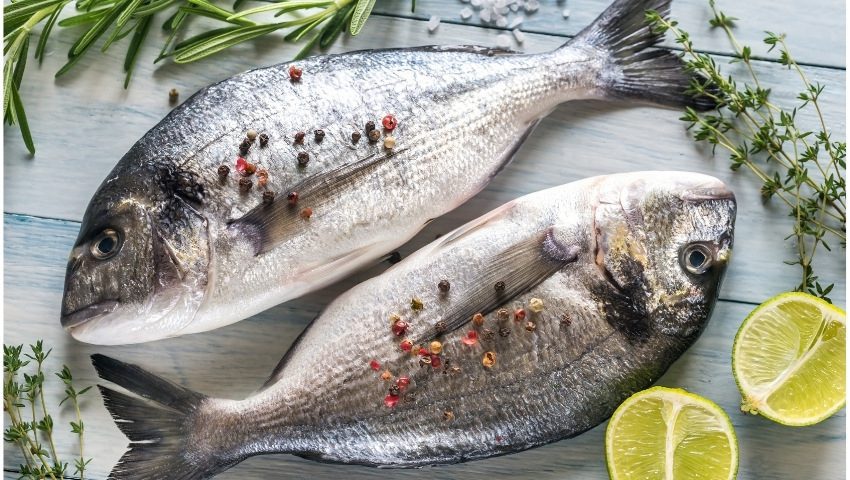
Sea Bream (Çipura)
If you are overwhelmed by the choices, order the Çipura. Consider this the “Toyota Corolla” of Turkish seafood: reliable, widely available, and generally consistent. With firm white meat and very few bones, it is the perfect choice for anyone who hates the surgical procedure often required to eat whole fish.
The Practitioner’s Truth: About 90% of the Sea Bream served in restaurants is farmed (aquaculture) in the Aegean. This isn’t a bad thingit ensures consistent quality and lower prices year round. However, if you see Lidaki on the menu, that is a small, wild caught Sea Bream. It will cost more, but the flavor is significantly more intense.
Pro Tip: Order it grilled (Izgara) and pair it with a simple arugula salad.

Sea Bass (Levrek)
The eternal rival to the Sea Bream is the Levrek. This is your go-to option during the scorching Turkish summers because the meat is lighter and less fatty than other varieties. It is harvested from the Mediterranean, the Black Sea, and the Aegean.
The texture is softer than Sea Bream and practically melts in your mouth. Just like Çipura, restaurant versions are predominantly farmed. If you are planning a dinner by the coast, having a reliable data connection to check reviews or translate menu items is crucialcheck our guide on Vodafone Turkey Prepaid & Roaming to stay connected.

The Specialties: For the Connoisseur
Scorpion Fish (İskorpit)
Do not let the appearance fool you. The İskorpit is red, covered in spikes, and looks genuinely terrifying. It is also one of the most delicious things you will ever eat. The spines are venomous, so this is strictly a “restaurant only” fishdo not try to clean this yourself unless you are an expert handler.
Why order it? It is the king of fish soup (Balık Çorbası). The meat is firm, sweet, and often compared to lobster in texture. If you see it on a menu as a stew or soup, order it immediately.
Red Mullet (Barbunya)
Let’s clear up a common confusion: The Turkish name for Red Mullet is Barbunya (or sometimes Tekir), not Kefal (which is Grey Mullet, a much inferior fish). You can spot Barbunya by its distinct reddish pink hue and yellow fins.
These are small (usually 17-20 cm) but packed with flavor. Unlike the mild farmed fish, Red Mullet has an intense, iodine rich taste of the sea. It is almost always served whole, fried to a crisp, and eaten with a squeeze of lemon. It serves as an excellent hot appetizer (Ara Sıcak) before your main course, perhaps alongside a platter of local Turkish cheeses.
Bluefish (Lüfer) The “Queen” of the Bosphorus
For Istanbul locals, the Lüfer is not just a fish; it is an obsession. It is widely considered the tastiest fish in Turkish waters. The season kicks off in autumn (September/October), and because it is an aggressive hunter, the meat is rich and flavorful.
The Curator’s Tip: Don’t get ripped off on the name. The Turks have different names for this fish depending on its size. The small ones are Çinekop (cheaper), the medium ones are Sarıkanat, and only the large, mature adults earn the title (and the price tag) of Lüfer.
Street Food & Home Cooking
Mackerel (Kolyoz & Uskumru)
There is a strict distinction here: Uskumru is the “true” Mackerel, while Kolyoz is the Chub Mackerel. In tourist areas, you might find imported Norwegian mackerel being served, but the local catch is prized in winter.
The Kolyoz is often dried (known as Çiroz) or fried because it holds less fat than its cousin. The prime season is winter (November to February). If you see locals fishing off the Galata Bridge, they are likely catching buckets of İstavrit (Horse Mackerel), which are fried whole and eaten like chips.
If you decide to brave the local fish markets to buy these fresh, be prepared to negotiate. It is an art form hereread our guide on mastering the art of Turkish market negotiation before you go.
Whiting (Mezgit)
Mezgit is the unsung hero of the Turkish household. Why? It is incredibly soft, white, and lacks that strong “fishy” smell that turns some people off. It is often called the “Chicken of the Sea” (similar to Haddock).
Usually 20-40 cm long, you will almost always find it breaded (often in corn flour) and fried. It is abundant in the Black Sea and Sea of Marmara, making it one of the most budget-friendly options on the menu.

Whether you are haggling at a chaotic market or dining by the water, knowing these names changes the experience. You stop ordering like a tourist and start eating like a local. Afiyet olsun! (Bon Appétit!)