Osman I: The Strategist Who Built an Empire from Nothing
Table of Contents
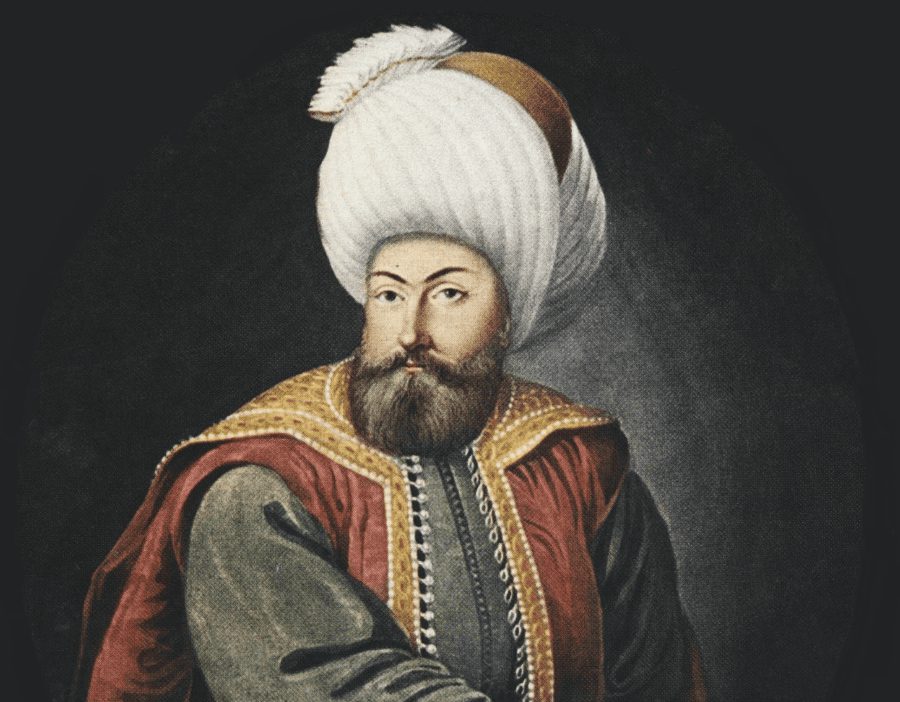
Osman I is not merely a historical footnote; he is the epicenter of a geopolitical earthquake that lasted six centuries. To understand the political fault lines of the modern Middle East and the Balkans, you must start here. He transformed a nomadic tribe on the Byzantine frontier into a dynasty that would eventually succeed the Roman Empire.
From survival in a lawless borderland to the foundation of a world power: We analyze not just what Osman did, but how and why he succeeded where so many others failed.
Origins and Strategic Location: Fortune Favors the Prepared
The Legacy of Ertugrul Bey
Born around 1258, in an era of total chaos, Osman inherited from his father, Ertugrul Bey, not just the leadership of the Kayi tribe, but something far more valuable: a brilliant geographical position. While other Turkish principalities (Beyliks) cannibalized each other in the interior of Anatolia, Osman’s tribe sat directly on the border of the decaying Byzantine Empire.
This frontier regionencompassing the hinterland of modern Kocaeli—was the perfect breeding ground for expansion. Osman didn’t have to fight his co religionists; he could build his reputation through victories against Byzantium. This was a crucial advantage for his legitimacy, attracting warriors seeking both spiritual reward and tangible spoils.
Education in the Field, Not the Palace
Forget the idea of a courtly education. Osman grew up in the saddle. His “university” was the borderland (Uç), where diplomacy was often sharper than the sword. He learned early on to forge alliances with local Byzantine fortress commanders (Tekfurs) who were dissatisfied with Constantinople. This wasn’t mindless conquest; it was pure Realpolitik.
The Rise to Power: From Tribal Leader to Sultan
Exploiting the Power Vacuum
When Osman took the helm, he recognized that Byzantium was a shadow of its former self. Instead of wasting energy on petty skirmishes, he focused on strategic expansion. He united disparate tribes under one bannernot just through force, but through the promise of stability and glory.
The Turning Point: The Battle of Bapheus (1302)
Historians often cite 1302 as the true founding date of the empire. Why? At the Battle of Bapheus (near modern Izmit), Osman defeated a Byzantine imperial army in open combat. This victory catapulted him from a local warlord to a serious political player.
- The Ripple Effect: The victory attracted thousands of Ghazi warriors (fighters for the faith) from across Anatolia to his cause.
- Territorial Consolidation: By capturing key supply routes and fortresses like Karacahisar, he effectively choked off major Byzantine cities from their capital.
Building a State, Not Just a Fiefdom
Institutions That Endure
The fatal flaw of many conquerors is that their empire dies with them. Osman prevented this by building robust institutions. He was pragmatic enough to promote talent regardless of background.
- The Imaret System: Osman established public soup kitchens that served the poor and travelers. This wasn’t just charity; it was a brilliant tool for social pacification and state building.
- Strategic Tolerance: He often allowed local administrative structures to remain in conquered territories, minimizing resistance from the local population.
The Myth: Osman’s Dream and Divine Legitimacy
No empire exists without a founding myth. The story of “Osman’s Dream” in the house of Sheikh Edebali is legendary, but it serves a distinct political function: it legitimized the Ottoman right to rule as divine will.

Symbolism of Power
In the dream, a tree grew from Osman’s chest, its shade covering the world. Centuries later, this narrative became state doctrine, explaining why the Ottomans were destined to rule over lands that would eventually stretch deep into Europe, including cities like Edirne and beyond.
It was a clear message to rivals: Our rule is not negotiable; it is destiny. This brand of historical narrative building is a tactic we still see today when nations rally around shared identities to project strength.
Conclusion: The Lesson of Osman I
Osman I did not leave behind a massive empirehis successors achieved thatbut he left the blueprint. He understood that military strength is worthless without social justice and strategic patience. He transformed raw tribal power into state order. His legacy is the reminder that massive historical shifts often begin quietly, on the fringes of established power.