
The 7 Best Turkish Tea Brands: The Ultimate Expert Guide (2026)
Table of Contents
September 2026 price update
Tea shelf prices change with retailer promotions. On 10 September 2026, the lowest observed online price for Çaykur Filiz 1 kg was 379.90 TL; this is a market observation, not a nationwide recommended price. Check the current retailer listing for Çaykur Filiz, Tiryaki, Doğuş and Lipton before buying. The December 2025 prices and USD conversions below are retained only as historical context.
If you step onto a ferry in Istanbul or walk into a shop in Anatolia, one sound will follow you everywhere: the distinct, rhythmic clink clink of a tiny steel spoon hitting glass. This is Turkish tea, or “Çay.” It isn’t just a hot beverage; it is the social glue of the country, a non negotiable act of hospitality, and frankly, more vital to the locals than water.
But for the uninitiated, the tea aisle in a Turkish supermarket is a minefield. You are faced with a wall of red and yellow bricks, cryptic words like “Filiz” or “Tiryaki,” and zero guidance. As someone who has consumed enough tea to float a Bosphorus ferryand knows the difference between a bitter sludge and a perfect “Tavşan Kanı” (rabbit’s blood red) brewI’ve done the heavy lifting for you.
Here is your curated list of the best Turkish tea brands, grounded in the reality of the market as we head into 2026.

1. Çaykur: The Government Giant
You cannot talk about Turkish tea without mentioning Çaykur. As a state owned enterprise, it is the spine of the industry, still dominating over 40% of the market in 2025. With a staggering processing capacity of 9,250 tons per day, this is the tea that powers the Turkish workforce.
The Insider Tip: Filiz vs. Tiryaki
Most foreigners grab the first package they see. Don’t make that mistake. Here is the code you need to crack the packaging:
- Çaykur Filiz (The Red Pack): This is the premium choice for the mass market. It contains the tea buds (filiz), resulting in a smoother, more aromatic brew. If you are hosting guests or trying to impress a local, this is the one you serve.
- Çaykur Tiryaki (The Brownish Pack): “Tiryaki” translates roughly to “addict” or “regular.” This blend is stronger, darker, and more forgiving if you mess up the brewing times. It’s the blue collar workhorse designed to be drunk all day long.
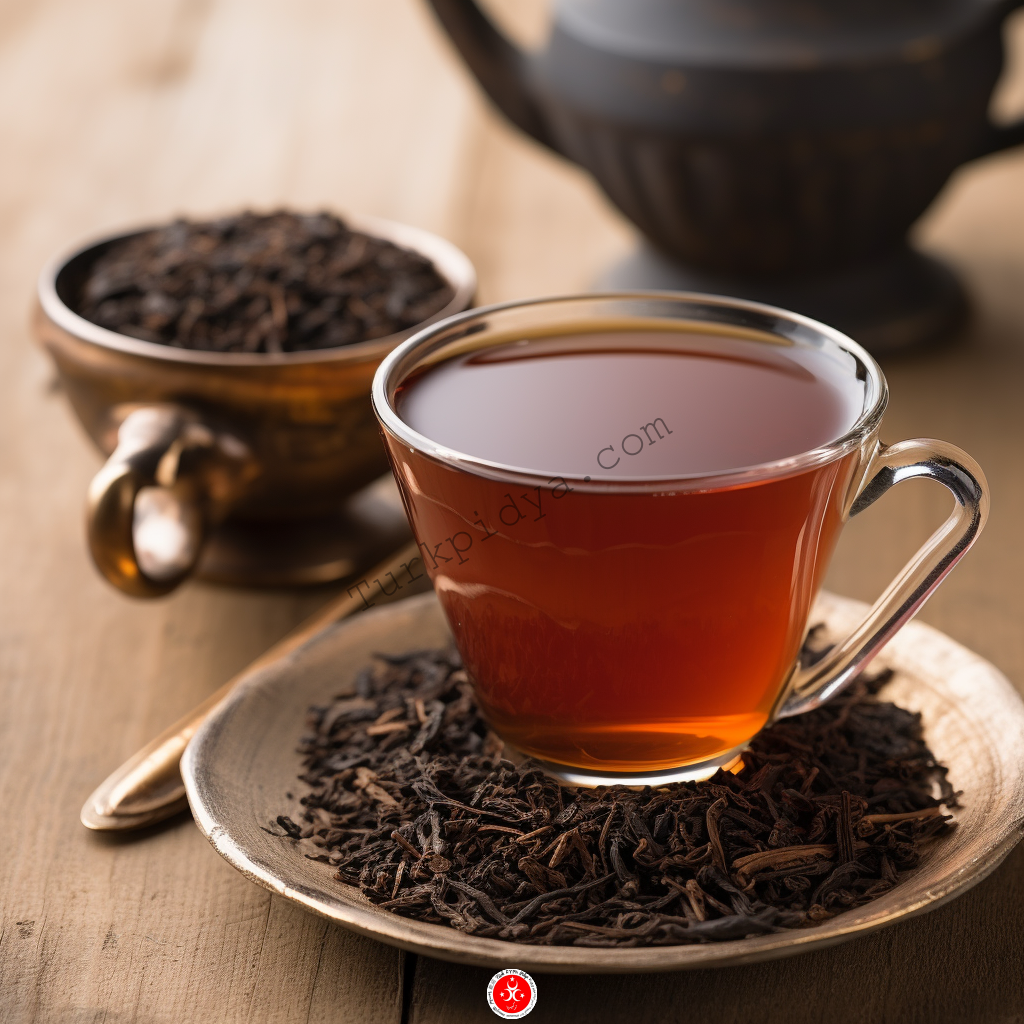
Expert Note: Look at the dried leaves. High-quality Çaykur should be curved and dark black. If it looks flat and dusty, put it back.
2. Tirebolu 42: The Cult Favorite
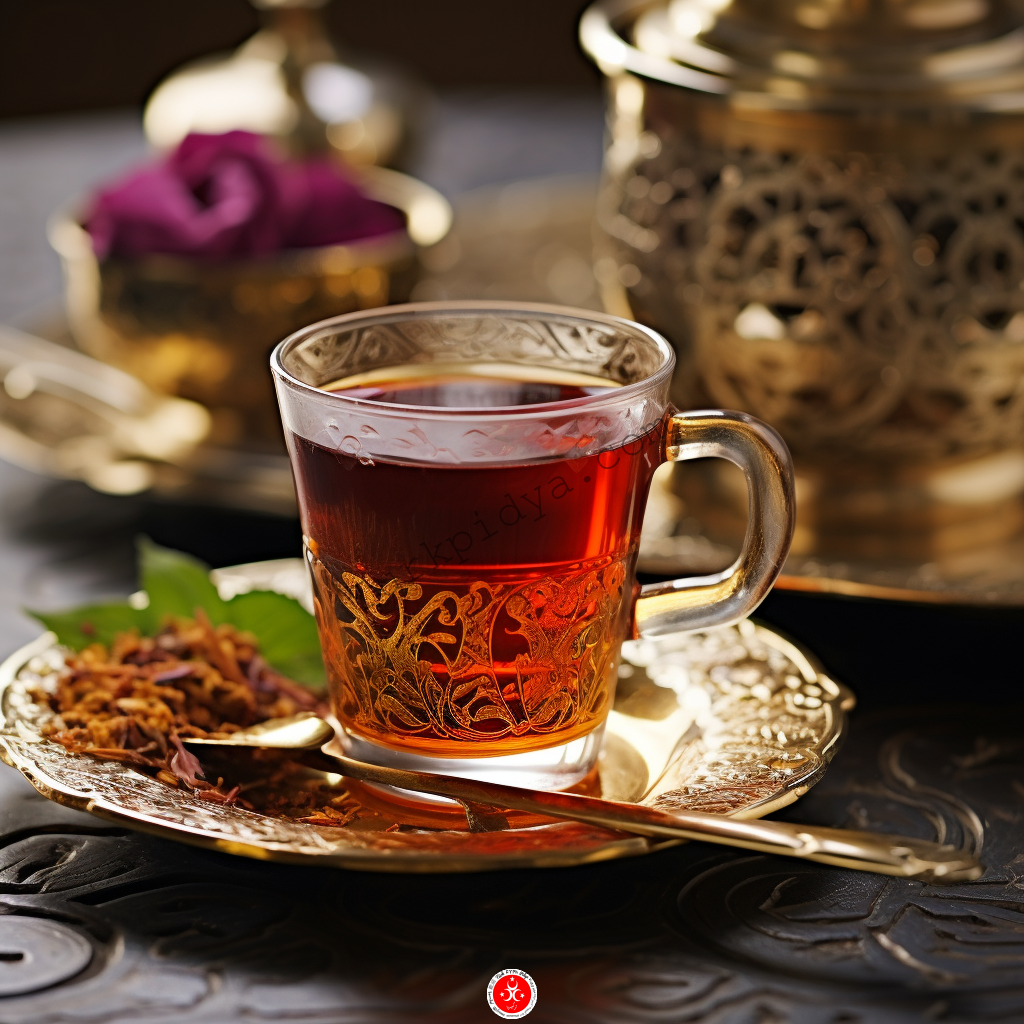
If Çaykur is the Ford of teasreliable and everywhere—Tirebolu 42 is the enthusiast’s choice. The “42” refers to the license plate code for the Giresun province, a region just west of the main tea hub in Rize.
Why it tastes different: It comes down to geography. The plantations here sit at higher altitudes. In winter, snow covers the tea bushes, which naturally kills off pests and bacteria. The result? A drastically reduced need for pesticides and a cleaner, purer flavor profile. Many drinkers swear this is the only tea that doesn’t turn bitter if you leave it on the stove too long.
3. Doğuş: The Bold Challenger
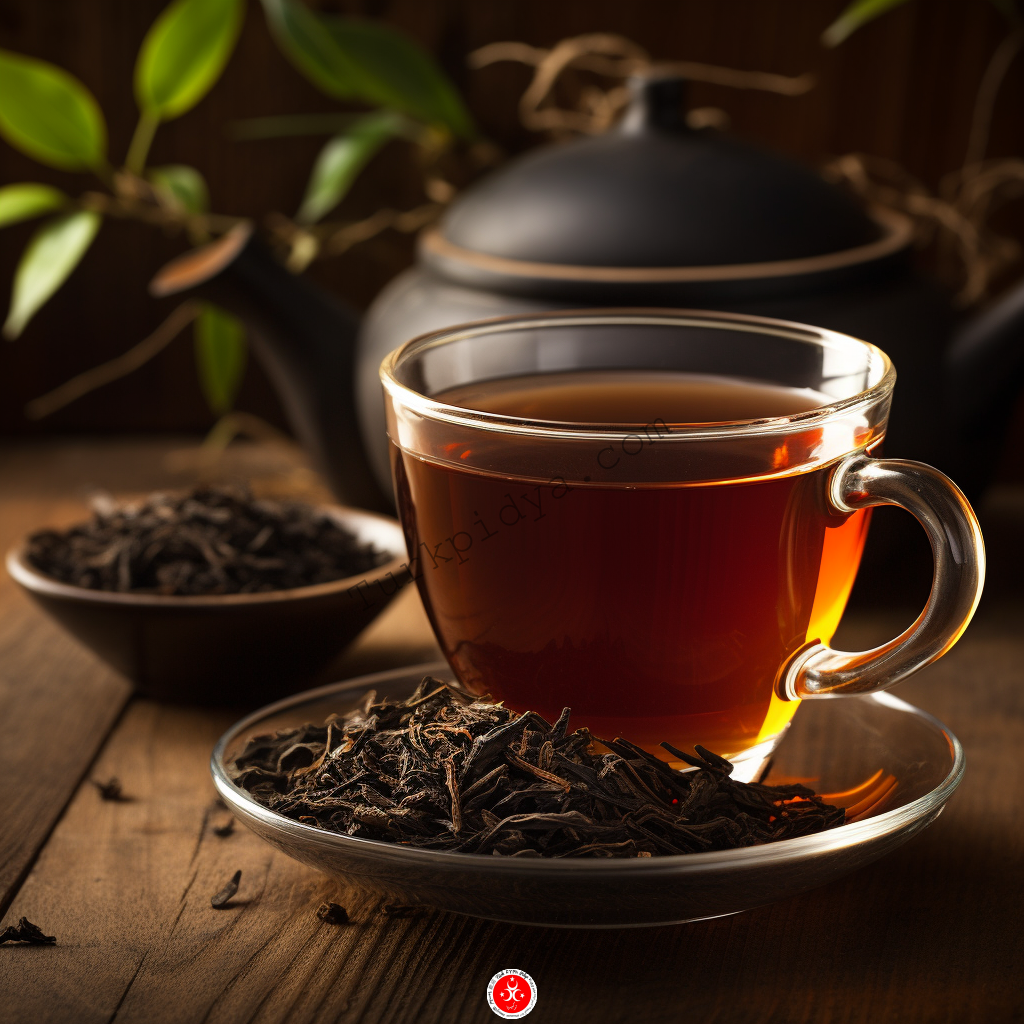
Holding a solid 20% of the market, Doğuş Çay is the undisputed number two. Headquartered in Maltepe, Istanbul, this brand has built its reputation on one thing: Color. If you want your glass to glow like a ruby in the sunlight, Doğuş is often the easiest way to achieve it.
Doğuş is particularly famous for its blends (“Harman”), which are engineered to work well with the varying tap water profiles across Turkey. They tend to steep faster than the traditional Çaykur varieties, making them a favorite for impatient mornings.
4. Ofçay (Efor): The Power Move of 2025
Here is the critical update for anyone following the industry: The landscape shifted massively in August 2025. Ofçay, a brand previously held by the global giant Jacobs (JDE Peet’s), was officially acquired by the Turkish Efor Holding.
This merger has catapulted Efor into the position of Turkey’s third largest tea producer. Why does this matter to your cup? Ofçay was already known for premium packaging innovationlike their “Hazine” series, where leaves are kept whole rather than crushed. Under new local leadership, the expectation is a return to traditional roots while keeping that high-end processing quality. It’s a brand to watch closely in 2026.
5. Lipton: The Global Local
Lipton might be a global behemoth, but their Turkish operation is surprisingly local, growing and producing right in Rize. They were the first private brand to enter the game when the state monopoly ended, and they found a specific niche.
When to buy Lipton: If you love Earl Grey (Bergamot). While purists might scoff, Lipton has perfected the art of flavored black tea for the Turkish palate. In many households, it is standard practice to buy a tin of Lipton Earl Grey and mix it 50/50 with regular bulk tea to create a custom “house blend.”
Pro Tip: How to Actually Buy It
If you don’t have a Turkish supermarket in your neighborhood, online shopping in Turkey is your best friend. For those looking to import significant quantitiessay, for a restaurant or shop—derzan.com has emerged as the reliable B2B platform. Think of it as the local answer to Alibaba, specifically for Turkish exports.
However, getting packages delivered here can be tricky. Make sure you understand the nuances of the system by reading our guide on the Turkish address format before you hit checkout. A single typo in the “Mahalle” (neighborhood) line can send your tea into the void.
Prices 2025: What Should You Pay?
Inflation has been a rollercoaster, but tea remains one of the few affordable luxuries. To give you a realistic baseline, we’ve tracked the average shelf prices as of December 2025 (assuming an exchange rate of roughly 1 USD = 42.72 TRY).
Compared to the eye watering cost of buying an iPhone in Turkey, high-quality tea is practically free:
| Product | Price (TRY) | Price (USD) approx. |
|---|---|---|
| Çaykur Filiz (1 kg) | 279.90 ₺ | $ 6.55 |
| Çaykur Tiryaki (1 kg) | 295.95 ₺ | $ 6.93 |
| Lipton Earl Grey (500 gr) | 229.95 ₺ | $ 5.38 |
| Doğadan Green Tea (20 bags) | 45.00 ₺ | $ 1.05 |
Note: Supermarkets run intense promotions, so prices can fluctuate wildly week to week.
The Gear You Need
Here is the hard truth: You can buy the most expensive tea on this list, but if you brew it in a single western style kettle, it will taste flat. Turkey uses the “Çaydanlık” systemtwo stacked kettles to steep a concentrate.
Once you have your tea sorted, the experience isn’t complete without the right food. Just as wine needs cheese, Turkish tea demands a savory partner. Check out our guide to the best 28 types of Turkish cheese to build the perfect breakfast spread.
The Verdict: Which One is For You?
To wrap up, here is my final curation based on what kind of drinker you are:
- The Traditionalist: Buy Çaykur Filiz (Red Pack). It is the gold standard for a reason.
- The Connoisseur: Hunt down Tirebolu 42. It offers the cleanest taste from the highlands.
- The Daily Grinder: Çaykur Tiryaki or Doğuş offer the best punch per-Lira for all day drinking.
- The Mixologist: A tin of Lipton Earl Grey or Tomurcuk is essential for blending your own secret recipe.