
Wheat Farming in Turkey: Varieties, Prices, and Market Analysis
Table of Contents
Why This Matters Now: Wheat in Turkey is more than just a staple crop; it is the barometer of the nation’s agricultural economy. While Turkey maintains its status as the world’s second largest pasta exporter, the sector is navigating a perfect storm of climate induced supply shocks and volatile pricing. This isn’t just about farming statisticsit’s about the economic reality facing investors and consumers alike.
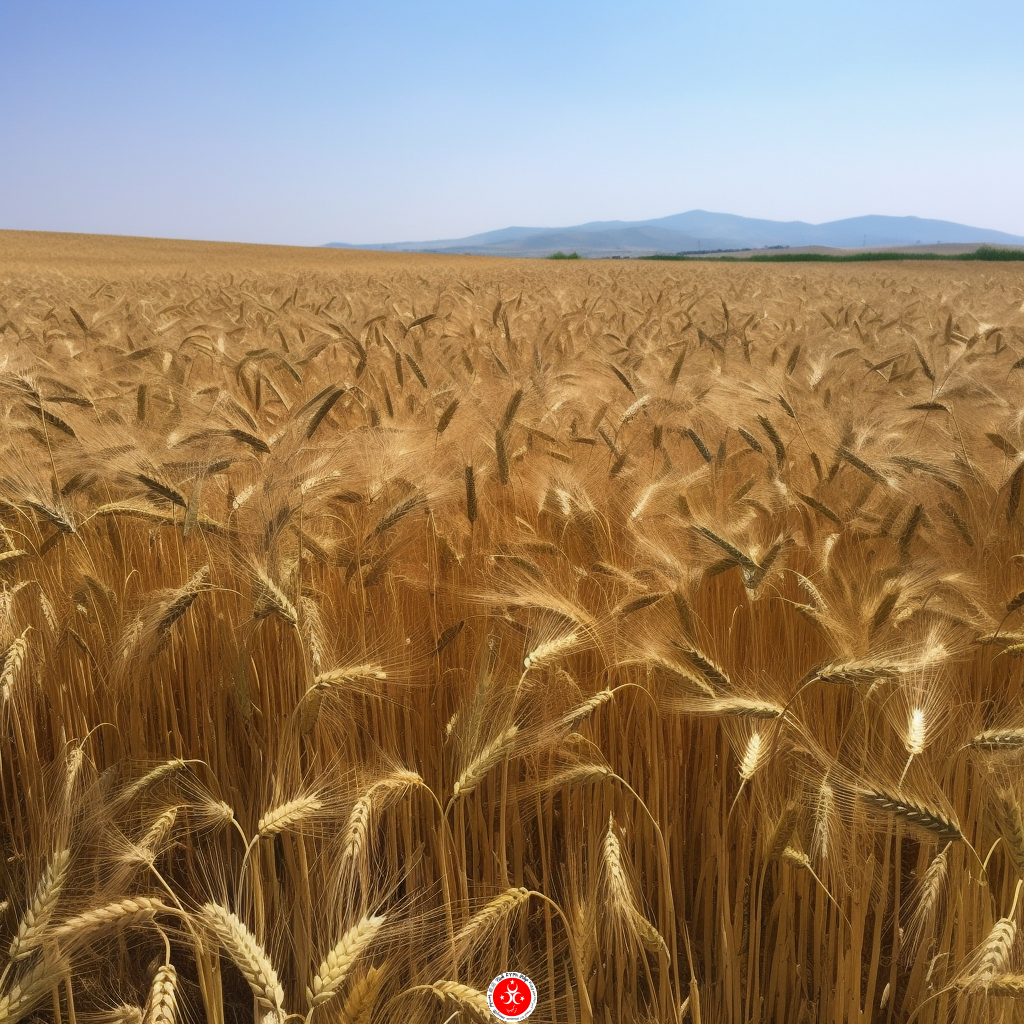
Introduction: Beyond the Flour Sack
Turkey is historically cited as a cradle of agriculture, and for good reason. The entire culinary identity of the nation—from the daily simit on the street corner to the finest baklava—relies on the quality of its grain. But stripping away the romanticism reveals a sector under pressure. While total wheat production stood at 17.9 million tons in 2025, forecasts for the 2025/26 marketing year point to a further decline toward 16.3 million tons, shifting the narrative from abundance to strategic management.
Market Analysis: Production & Prices (2025/2026 Snapshot)
Before analyzing specific grain varieties, we must understand the economic baseline. Turkey’s foreign trade indices are heavily influenced by agricultural performance. Here is the hard data shaping the current market:
- The Production Drop: According to TÜİK (Turkish Statistical Institute), wheat production contracted by 13.9% in 2025 due to severe drought, settling at 17.9 million tons.
- TMO Pricing Strategy: The Turkish Grain Board (TMO) set the base sales price for the 2025 season at 13,500 TL per ton for both Makarnalık (Durum) and Ekmeklik (Bread) wheat, with additional premiums raising effective farmer revenue. This price floor is critical for shielding farmers from market volatility.
- Export Resilience: Despite domestic production hurdles, Turkey remains a global processing powerhouse. In the first five months of 2025, the country exported approximately 581,000 tons of pasta, proving that its industrial capacity remains decoupled from local harvest fluctuations thanks to the Inward Processing Regime.
The takeaway: Turkey remains a heavyweight in global grain trade, but it is increasingly reliant on balancing imports with domestic yields to keep its factories running.
The Breadbaskets: Where the Wheat Grows
Geography dictates destiny in Turkish agriculture. While Central Anatolia remains the dominant force in 2025, regional roles are evolving:
- Central Anatolia (The Volume King): Producing 33-35% of the national total, this region is the backbone of the sector. Konya, in particular, defends its title as the country’s grain silo, primarily focusing on durum wheat for the industrial sector.
- Southeast Anatolia: Home to heavyweights like Şanlıurfa and Diyarbakır, this region is crucial for early harvests, often hitting the market before the Central Anatolian crop matures.
- Thrace: The European foothold offers more climatic stability. While smaller in volume, its consistent yields are essential for feeding the massive population center of Istanbul.

Varieties: From Industrial Scale to Ancient Grains
Turkey’s wheat market is bifurcated: there is the high yield industrial crop and the rapidly growing market for heritage grains. If you are looking to start a company in Turkey focused on premium food export, this is where the opportunity lies.
Durum Wheat: The Economic Engine
This is the commodity that pays the bills. High in protein and gluten, Turkish Durum is the foundation of the country’s multi billion dollar bulgur and pasta industry. It is primarily grown in Central Anatolia and drives the sector’s $12.5 billion export target.
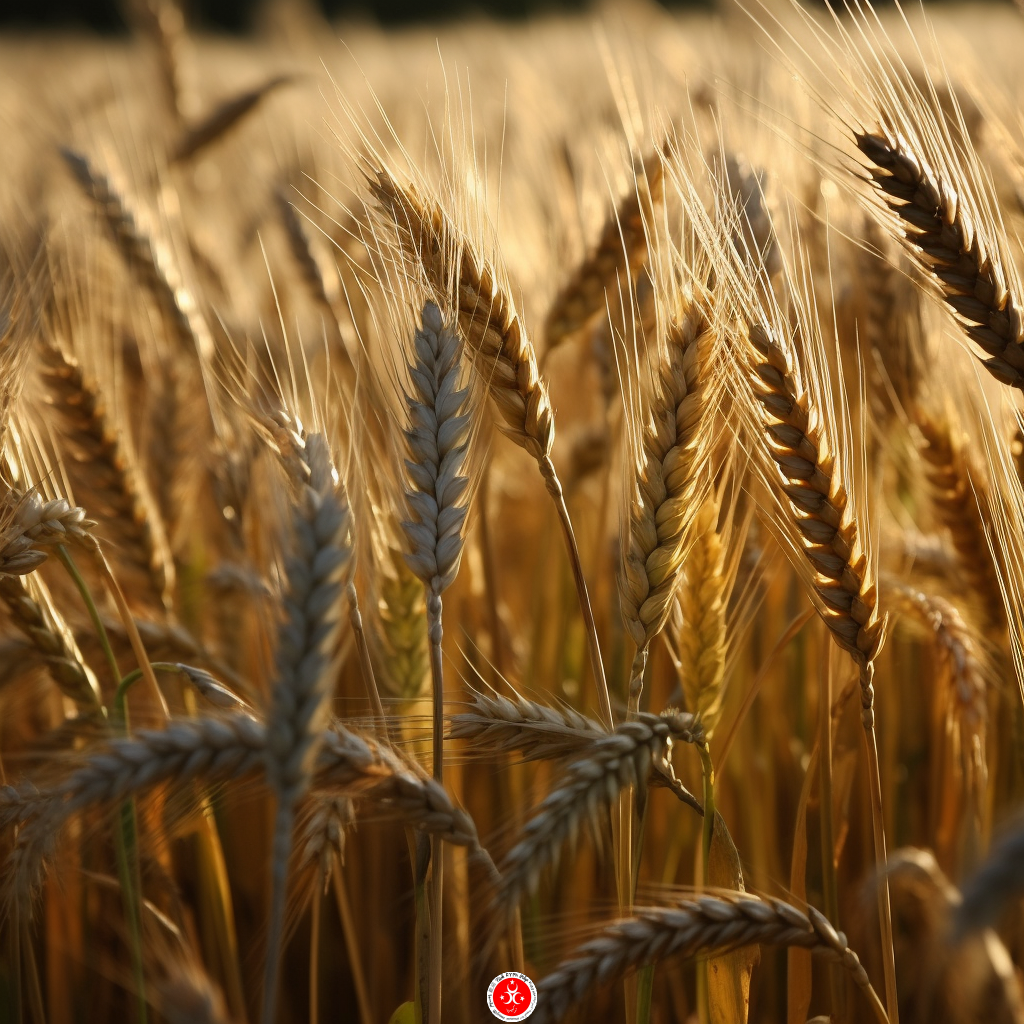
Siyez (Einkorn): The “Hittite” Supergrain
While Durum pays the bills, Siyez captures the imagination. This isn’t a mass market product; it is a premium ancient grain. The heart of Siyez production is the İhsangazi district in Kastamonu. In the 2024/2025 cycle, approximately 12,000 decares of land were dedicated to this crop.
Curator’s Tip Buying Authentic Siyez:
Not all “ancient wheat” is created equal. Genuine Siyez has a unique genetic makeup (2n=14 chromosomes) and hasn’t changed for millennia. When buying, look specifically for origin labels citing Kastamonu/İhsangazi. Beware of generic “village wheat” blends sold in tourist markets; real Siyez has a distinct, nutty flavor and a much lower glycemic index.
Gernik (Emmer): The Hardy Cousin
Similar to Siyez, Gernik (Emmer) is seeing a renaissance. It thrives in higher altitudes and colder climates where modern wheat varieties fail. Culinary experts favor it for soups and dense breads because it maintains its structure better than softer wheats.
Red Wheat & Spelt
These remain niche players. Red Wheat is often found in village bakeries for traditional dark breads, while Spelt is gaining traction in the urban centers of Istanbul and Izmir, catering to the health conscious demographic rather than the bulk export market.
Frequently Asked Questions (FAQ)
Does Turkey import wheat despite producing it?
Yes. Turkey operates under a “processing” model. For the 2025/26 cycle, imports are expected to reach up to 10.3 million tons. This imported grain is processed into flour and pasta for re export, allowing domestic production to serve local consumption. For a broader look at agricultural trends, our analysis of Turkish milk production highlights similar patterns of industrial scaling.
What do Turkish farmers actually earn?
For the 2025 harvest, the base purchase price was set at 13,500 TL per ton. However, when state subsidies and support payments are factored in, the effective revenue for the farmer rises to approximately 16,020 TL per ton.
Where can I find the best Siyez products?
Always check the label for Kastamonu/İhsangazi. This region is the gold standard. Products from here are less likely to be hybridized or diluted with cheaper grains.
Conclusion: Tradition Meets the Global Market
The story of Turkish wheat in 2025 and heading into 2026 is one of duality. On one side, there is the industrial battle against climate change and global price wars, where every cent per ton matters. On the other, there is a burgeoning pride in ancient varieties like Siyez that are reclaiming their place on the table.
For the consumer, this means access to world-class pasta and flour remains stable, but the real value lies in discovering the regional heritage grains. Whether you are an investor looking at the commodities market or a foodie searching for the best bulgur, the origin label matters today more than ever.