Sabiha Gökçen: The World’s First Female Combat Pilot & Atatürk’s Sky Daughter
Table of Contents
If you have ever booked a flight to Istanbul, you know the code SAW. For millions of travelers, Sabiha Gökçen is just the name of the city’s second airportthe hectic hub on the Asian side where low-cost carriers land. But reducing her name to a terminal building is a historical injustice.
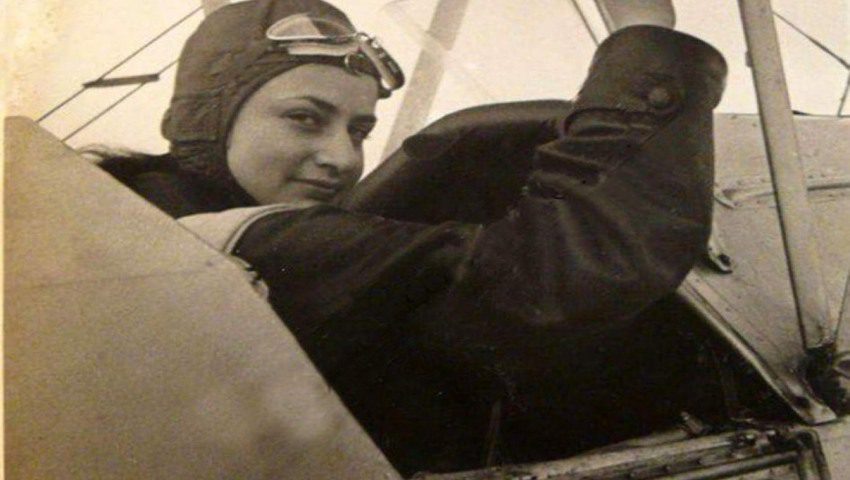
Decades before Top Gun or modern air forces opened their doors to women, Sabiha Gökçen was already in the cockpit. In an era when women across the globe were still fighting for basic voting rights, she was flying combat missions in open cockpit biplanes. She didn’t just break the glass ceiling; she shattered it at 10,000 feet to become the world’s first female combat pilot. This is the true story of the orphan who became a legend of the skies.

From Orphan to the President’s Daughter
Sabiha’s story begins in tragedy. Born on March 22, 1913, in Bursa, she lost both her parents at a young age and was raised by her older brother, Neşet. Her trajectory seemed set for a quiet, obscure life until a twist of fate in 1925 changed Turkish history.
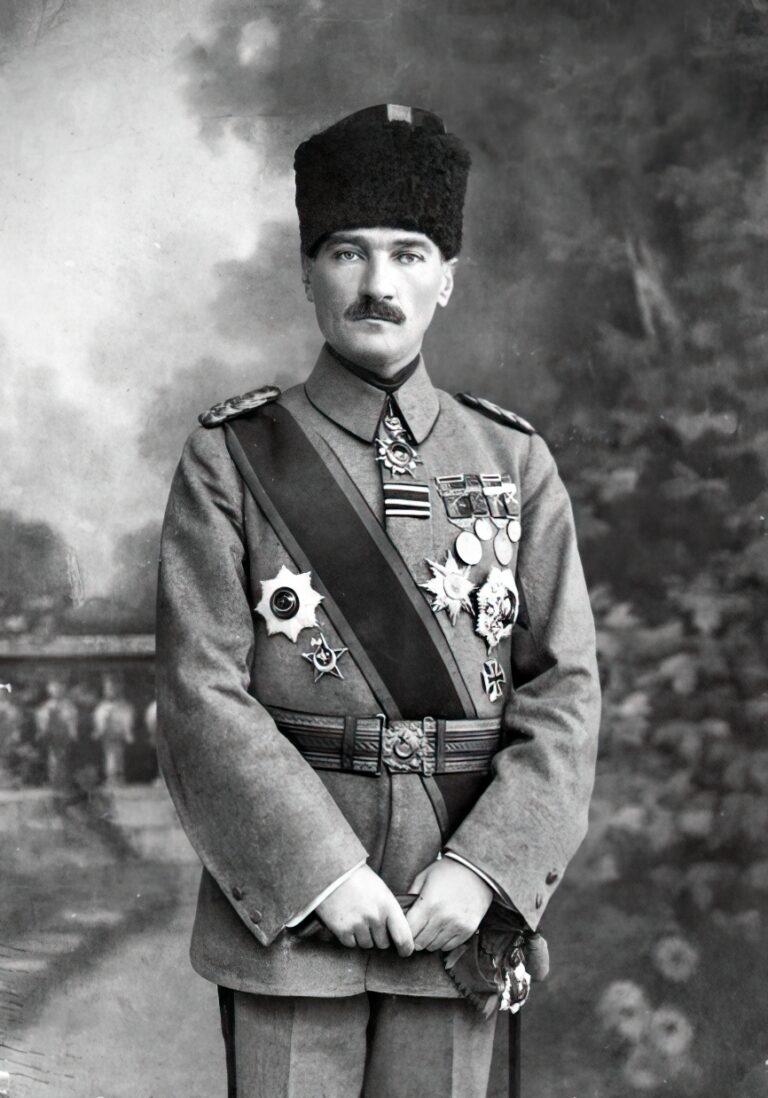
When Mustafa Kemal Atatürk, the founder of the Turkish Republic, visited Bursa, 12-year old Sabiha managed to approach him. She didn’t ask for money or toys; she looked the President in the eye and asked for an education. Impressed by her audacity and resilience, Atatürk adopted her (with her brother’s consent) and brought her to Ankara. She was enrolled in the prestigious Üsküdar American Academy, receiving the education she had fought for.
A Prophetic Name: On December 19, 1934—months before she ever sat in a cockpitAtatürk gave her the surname “Gökçen.” In Turkish, Gök means “Sky.” It was as if he knew exactly where her destiny lay.
The Call of the Sky
In May 1935, the path revealed itself. Atatürk took Sabiha to the opening of the Türkkuşu (Turkish Bird) Flight School. As she watched gliders and parachutists drift through the air, she was mesmerized. Noticing her fixation, Atatürk leaned over and famously said, “The sky suits you.”
She didn’t hesitate. Sabiha began her training immediately. Her natural talent was so evident that she was sent to the Crimea (then USSR) with seven male counterparts for advanced glider training. She planned to continue her motor flight training there, but the tragic death of her adopted sister, Zehra, forced her to return to Turkey prematurely. But her mission was far from over.

Becoming the World’s First Female Combat Pilot
Atatürk had a broader vision than just creating a skilled pilot; he wanted to prove that Turkish women could handle any role in society, including military defense. At the time, military academies were strictly men only clubs. Sabiha received a special dispensation to enter the Eskişehir Military Air School in 1936.
For eleven months, she endured the same grueling physical regimen as the men. On February 25, 1936, she flew a motorized aircraft for the first time. By 1937, she was ready for the real thing. Participating in military operations in Dersim (Tunceli), she flew combat sorties, officially cementing her title as the world’s first female combat pilot.
This achievement was more than a personal victory; it was a powerful signal to the world. Much like the modern challenges of finding a job in Turkey, where persistence is key, Sabiha proved that determination could unlock doors that were previously bolted shut.
A Life of Honors
Sabiha Gökçen didn’t stop after her military service. She logged over 8,000 flight hours and 32 combat missions throughout her career. Her legacy was recognized globally:
- FAI Gold Medal (1991): Awarded by the Fédération Aéronautique Internationale for her contributions to aviation.
- The Eagles (1996): At a ceremony at Maxwell Air Force Base in the USA, she was named one of the “20 Aviators Who Made History.” She was the only woman on that poster.
- Order of the White Eagle: Yugoslavia’s highest military honor.
Her passion never waned. At age 83, accompanied by French pilot Daniel Acton, she took the controls of a Falcon 2000, proving one last time that pilots never really retire.
The Legacy: Sabiha Gökçen International Airport

Sabiha passed away on her 88th birthday, March 22, 2001. Just months before her death, Istanbul honored her in the most fitting way possible. In January 2001, the city opened its second international gateway on the Asian side and named it after her.
Today, Sabiha Gökçen International Airport (SAW) is a critical lifeline for the city. It’s often the first touchpoint for expats arriving to start a new life. If you are landing here soon, make sure you’re prepared for the logisticsgrab a Vodafone Turkey prepaid SIM immediately upon arrival to avoid connection issues, and read up on the current market for renting in Istanbul before you leave the terminal.
The next time you see “SAW” on your ticket, remember the woman behind the code. She was a pioneer who proved that the sky has no limits.