Buying a Used Car in Turkey: The Expat Survival Guide (2026)
Table of Contents
Let’s be honest: navigating the Turkish automotive market can feel like walking through a minefield if you don’t know the local rules. In this guide (updated for late 2025), we aren’t just translating regulations; we are breaking down exactly how to buy a used car without losing your shirt. We will decode the jargon, show you why the technical check (Expertiz) is non negotiable, and lay out the exact costs for the notary, taxes, and insurance so there are no nasty surprises.
The Reality of the Market: Used Cars in Turkey (2025)
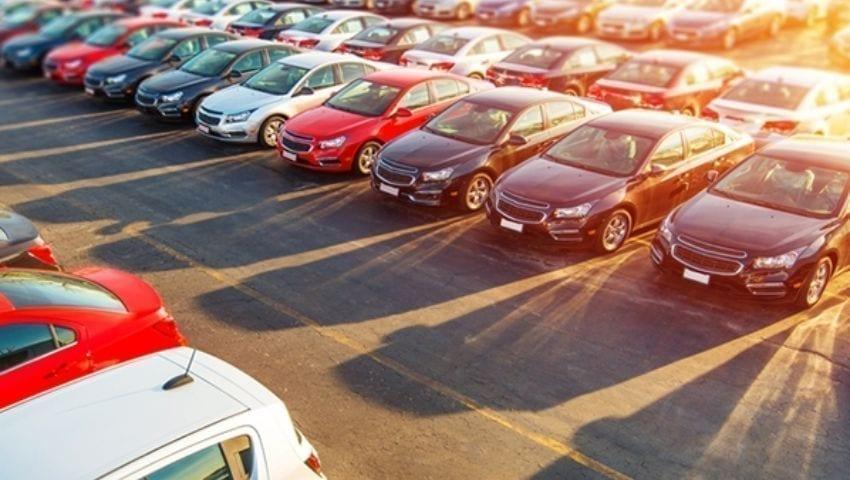
If you are coming from Europe or North America, prepare for sticker shock. The Turkish used car market behaves differently. Because new cars are subject to the heavy Special Consumption Tax (ÖTV) and VAT (KDV), the demand for second-hand vehicles is massive. Millions of cars change hands annually, and unlike in other countries, well maintained used cars here hold their value incredibly well, sometimes even appreciating.
The inventory is vast, ranging from budget city runners to luxury sedans. However, the price tag depends heavily on the “Tramer” record (accident history). A car with a clean record costs significantly more than one with a fender bender.
Pro Tip: Look at local heavyweights. Many of the top 10 biggest companies in Turkey, such as Tofaş (Fiat) and Ford Otosan, manufacture domestically. This often means parts are cheaper and mechanics know these engines inside out.
As a foreigner, you have full rights to buy a vehicle. In 99% of cases, you should aim for a standard Turkish license plate. While tax-free “Blue Plate” options exist for specific statuses (like diplomats or retirees), they come with heavy restrictions that we will discuss later.
Critical Rules for a Smart Purchase
- Gas vs. Diesel: The old rule was “Diesel for economy.” That rule is dead. As of January 2026, fuel prices in major cities like Istanbul average around 53–54 TL for Gasoline and 54–55 TL for Diesel per liter. The pump advantage is gone, so focus on the engine condition rather than fuel type.
- The License Plate Strategy: If you plan to live here, buy a car with a standard Turkish plate. Why? Liquidity. You can sell a standard car to anyonea Turk, an expat, or a dealer within hours. If you buy a “Blue Plate” (tax-free for foreigners), you can ONLY sell it to another eligible foreigner. You are essentially shrinking your pool of potential buyers by 99%. For a deeper dive into these regulations, check our guide on buying a car in Turkey as a foreigner.
- Payment Security: Never carry bags of cash. Use the “Güvenli Ödeme Sistemi” (Secure Payment System) offered by banks, or transfer the money simultaneously during the notary signing. Crucial: In the transfer description, always write the License Plate Number and “Araç satış bedeli” (Vehicle purchase price).
- Insurance is Mandatory: The Zorunlu Trafik Sigortası (Compulsory Traffic Insurance) is not optional. The moment you sign at the notary, the previous owner’s insurance is void. You must issue a new policy immediately to drive the car home legally.
- The Deal Breaker: The Expertiz: Never buy a car based on the seller’s word. Taking the car to an independent Oto Ekspertiz center is the standard here. They check everything: paint thickness (to reveal hidden accidents), engine health, and suspension. If a seller refuses an Expertiz, walk away.
- Local Favorites: The Fiat Egea and Renault Clio are the kings of the road here. They are robust, parts are everywhere, and they sell like hotcakes. If you want something different, Asian brands are gaining ground; you can read more about market trends and consumer choices in our other analyses.
- Tax Reality (ÖTV & MTV): While the painful ÖTV is included in the purchase price, you are responsible for the MTV (Motor Vehicle Tax). It’s paid twice a year (January and July). Before signing, verify that the seller has paid their share for the current period.
- Driver’s License: Your foreign license is valid for six months from your entry date. After that, you must convert it to a Turkish license. As of 2026, the government harç for a Class B driver’s license has increased to 7,122 TL. With paper fees and administrative costs included, total expenses often approach or exceed 9,000 TL.
Where to Find the Best Deals
1. The Online Giant: Sahibinden
Sahibinden is the Google of Turkish classifieds. It is the undisputed market leader. The filter system is powerfuluse it. Search for terms like “Boyasız” (No paint/accident free) or “Tramersiz” (No damage record). Arabam.com is a solid alternative focused purely on vehicles.
2. Open Auto Markets (Oto Pazarı)
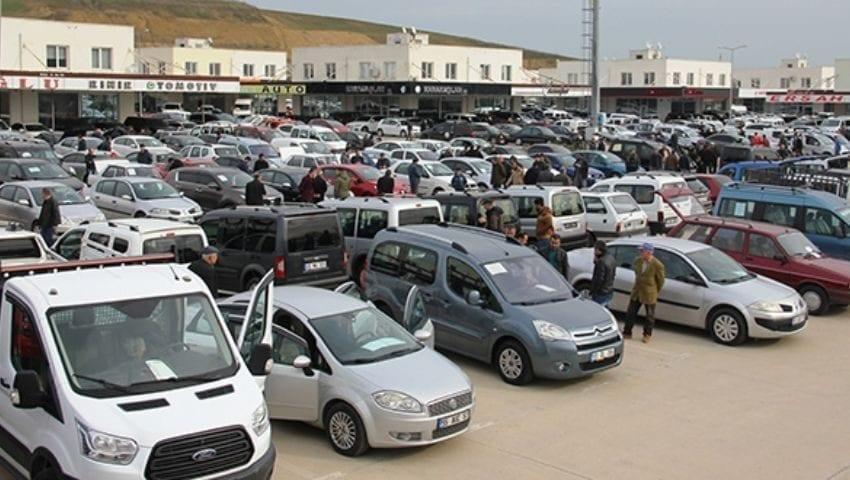
On weekends, designated lots in major cities turn into open air markets. It’s old school: you kick tires and haggle face-to-face. It’s an experience, but be cautious. High pressure sales tactics are common here. Always take a mechanic or expert with you.
3. Dealerships and Galleries
“Galericiler” (Gallery owners) often cluster in massive auto centers like İSTOÇ in Istanbul. While slightly more expensive than private sellers, they offer a layer of consumer protection and legal recourse that you don’t get when buying from a random person.
The Buying Process: A Step-by-Step Walkthrough
Found the car? Got a clean Expertiz report? Now it gets official. Here is how to close the deal.
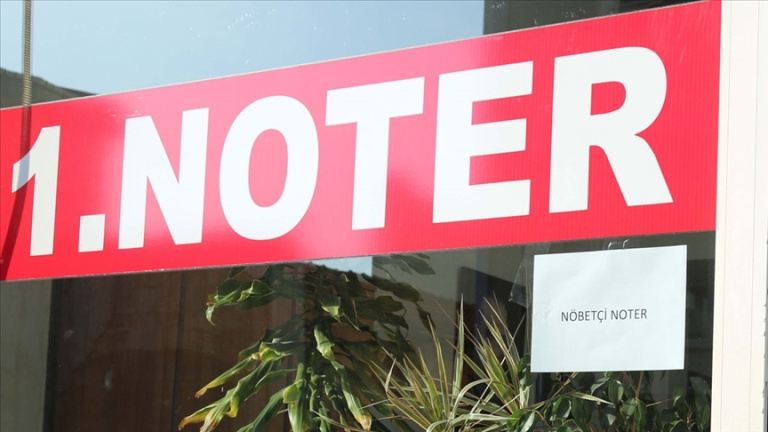
- The Notary (Noter): In Turkey, a vehicle sale is only valid if conducted at a Notary Public. A handshake or a private contract means nothing legally.
- The Language Barrier: If you don’t speak Turkish fluently, the Notary will legally require a sworn translator to be present. This isn’t optional. While translating a document might cost 400-600 TL, the oral interpretation for a vehicle sale usually runs between 1,500 and 2,500 TL depending on the location. For more details on this process, check our Notary Public and 2026 Survival Guide.
- The Costs: The official fee for the transfer of ownership (Araç Satış Bedeli) is set by the state. As of 1 January 2026, the old fixed fee system has been replaced. Notary costs now include a variable nispi harç of binde 2 (0.2%) of the vehicle’s sale or kasko value (whichever is higher), with a minimum of 1,000 TL, plus the notary service fee (typically bringing total costs into the several-thousand-TL range).
- Debt Check: The Notary’s system automatically blocks the sale if the car has unpaid taxes, traffic fines, or outstanding loans (Haciz). The seller must clear these before the system allows the signature.
- The Handoff: Once you sign and pay, you receive the Vehicle Registration Document (Ruhsat) immediately.
Don’t Forget: Insurance and Plates
Get your insurance sorted the same day. If you are changing the license plate (e. g., buying a car from Ankara while living in Istanbul), you must request this at the Notary before the paperwork is printed. In 2026, standard plate printing typically costs around 390 TL for a pair, paid separately at an authorized Şoförler Odası (prices may vary slightly by city).
The “Tax-Free” (Blue Plate) Option
Certain foreigners (Diplomats, NATO staff, retirees with residency, work permit holders) can buy “Blue Plate” cars exempt from ÖTV and VAT.
The Good: You save a fortune on taxes.
The Bad: You can only sell to other eligible foreigners, making the car much harder to get rid of when you leave. You also often have to deposit a substantial guarantee with the Turkish Touring and Automobile Club.
What are the notary fees for buying a car in 2025?
The official state fee for transferring ownership of a used vehicle in 2025 is exactly 1,489.36 TL. If you do not speak Turkish, factor in an extra 1,500-2,500 TL for a sworn translator.
Can a foreigner buy any car in Turkey?
Yes. If you have a valid Residence Permit (Ikamet), you can buy any standard Turkish vehicle. You are not restricted to “foreigner only” cars unless you specifically opt for the tax-free Blue Plate scheme.
What are the fuel prices in Turkey (Late 2025)?
As of late 2025, fuel prices in major cities are approximately 55 TL per liter for gasoline and 57-58 TL for diesel. Prices fluctuate daily based on currency exchange rates and global oil markets.