Ottoman Empire and the United States: Treaty and Envoys
How the Ottoman Empire and the United States dealt with each other: the 1830 treaty, the legation, the embassy, the 1917 break and the 1927 notes.
Table of Contents
On 11 February 1830 three American negotiators presented their credentials (the letters that show whom an envoy speaks for) to the Turkish Minister of Foreign Affairs, and the two states recognised each other. A treaty followed on 7 May 1830, a legation (an envoy’s office) opened at İstanbul (Constantinople) in 1831, and it became an embassy in 1906. Relations broke off on 20 April 1917 and were restored on 17 February 1927.
In short · checked 31.10.2026
Five steps, five dates.
- 11 February 1830, recognition. The Office of the Historian of the US Department of State dates the first formal act to the day James Biddle, David Offley and Charles Rhind presented their credentials to the Turkish Minister of Foreign Affairs.
- 13 September 1831, the legation. David Porter presented his credentials as chargé d’affaires, and the Office dates the American Legation at Constantinople to that day.
- 18 June and 5 October 1906, the embassy. The Office dates the raising of the Legation to an Embassy to 18 June 1906, and the credentials of John G.A. Leishman as ambassador to 5 October 1906.
- 20 April 1917, the break. Turkey severed diplomatic relations with the United States, after the United States declared war against Germany.
- 17 February 1927, the notes. The United States and Türkiye reestablished relations by an exchange of notes in Angora (Ankara).
Tool · Office of the Historian · checked 31.10.2026
The order dial, 1830–1927
Five dated steps, 1830 to 1927. Press a year or use the arrows.
Recognition
11 February 1830: the American negotiators present their credentials; no envoy on the list yet.
11 February 1830
Three American negotiators present their credentials
- Who
- James Biddle, David Offley and Charles Rhind for the United States; the Turkish Minister of Foreign Affairs.
- What
- “The first formal act of diplomatic engagement and recognition” (Office of the Historian). Recognition: one state accepts the other as a state to deal with.
Office of the Historian, Guide to Countries: Turkey · checked 31.10.2026
13 September 1831
David Porter presents his credentials as chargé d’affaires
- Who
- David Porter, appointed 15 April 1831; minister resident from 23 May 1840.
- What
- The American Legation at Constantinople (İstanbul). A legation is an envoy’s office; a chargé d’affaires is the first rank on the list below.
Office of the Historian, Guide to Countries: Turkey; David Porter · checked 31.10.2026
18 June and 5 October 1906
The legation becomes an embassy
- Who
- John G.A. Leishman, appointed ambassador on 18 June 1906.
- What
- The Office dates the raising of the Legation to an Embassy to 18 June 1906, and his credentials as ambassador to 5 October 1906. An embassy is the higher office.
Office of the Historian, Guide to Countries: Turkey; John G.A. Leishman · checked 31.10.2026
20 April 1917
Turkey severs diplomatic relations
- The page says
- “Turkey severed diplomatic relations with the United States on April 20, 1917, after the United States declared war against Germany on April 4, 1917.”
- On the list
- The mission of Abram Isaac Elkus ends on 20 April 1917; the next entry is Joseph Clark Grew, from 12 October 1927.
Office of the Historian, Guide to Countries: Turkey; Chiefs of Mission for Turkey · checked 31.10.2026
17 February 1927
Notes are exchanged in Angora (Ankara)
- Who
- Mark L. Bristol, the American High Commissioner, and Tevfik Rüştü Aras, the Turkish Minister for Foreign Affairs.
- What
- They agreed to “establish between themselves diplomatic and consular relations” and to appoint ambassadors “as soon as possible”.
Office of the Historian, Guide to Countries: Turkey; Foreign Relations of the United States, 1927, vol. III · checked 31.10.2026
Register · the 27 chiefs of mission on the Office of the Historian’s list, 1831–1932
Ambassador
Envoy and minister plenipotentiary
Minister resident
Chargé d’affaires
Each bar runs from the date a chief of mission began to the date the list gives as the end. The hatched stretch, 20 April 1917 to 12 October 1927, is a time with no entry on the list.
Show the 27 entries as a table
| Name | Rank | From | To |
|---|---|---|---|
| David Porter | Chargé d’affaires | 13 September 1831 | 23 May 1840 |
| David Porter | Minister resident | 23 May 1840 | 3 March 1843 |
| Dabney Smith Carr | Minister resident | 29 February 1844 | 20 October 1849 |
| George Perkins Marsh | Minister resident | 11 March 1850 | 19 December 1853 |
| Carroll Spence | Minister resident | 9 February 1854 | 12 December 1857 |
| James Williams | Minister resident | 27 May 1858 | 25 May 1861 |
| Edward Joy Morris | Minister resident | 22 October 1861 | 25 October 1870 |
| Isaac Wayne MacVeagh | Minister resident | 25 October 1870 | 10 June 1871 |
| George Henry Boker | Minister resident | 25 March 1872 | 1 May 1875 |
| Horace Maynard | Minister resident | 12 June 1875 | 15 July 1880 |
| James Longstreet | Minister resident | 14 December 1880 | 29 April 1881 |
| Lewis Wallace | Minister resident | 6 September 1881 | 4 September 1882 |
| Lewis Wallace | Envoy extraordinary and minister plenipotentiary | 4 September 1882 | 15 May 1885 |
| Samuel Sullivan Cox | Envoy extraordinary and minister plenipotentiary | 25 August 1885 | 14 September 1886 |
| Oscar Solomon Straus | Envoy extraordinary and minister plenipotentiary | 1 July 1887 | 16 June 1889 |
| Solomon Hirsch | Envoy extraordinary and minister plenipotentiary | 28 December 1889 | 16 June 1892 |
| David Preston Thompson | Envoy extraordinary and minister plenipotentiary | 11 January 1893 | 1 May 1893 |
| Alexander Watkins Terrell | Envoy extraordinary and minister plenipotentiary | 7 July 1893 | 15 June 1897 |
| James Burrill Angell | Envoy extraordinary and minister plenipotentiary | 3 September 1897 | 13 August 1898 |
| Oscar Solomon Straus | Envoy extraordinary and minister plenipotentiary | 15 October 1898 | 20 December 1899 |
| John G.A. Leishman | Envoy extraordinary and minister plenipotentiary | 29 March 1901 | 5 October 1906 |
| John G.A. Leishman | Ambassador extraordinary and plenipotentiary | 5 October 1906 | 10 June 1909 |
| Oscar Solomon Straus | Ambassador extraordinary and plenipotentiary | 4 October 1909 | 3 September 1910 |
| William Woodville Rockhill | Ambassador extraordinary and plenipotentiary | 28 August 1911 | 20 November 1913 |
| Henry Morgenthau | Ambassador extraordinary and plenipotentiary | 11 December 1913 | 1 February 1916 |
| Abram Isaac Elkus | Ambassador extraordinary and plenipotentiary | 2 October 1916 | 20 April 1917 |
| Joseph Clark Grew | Ambassador extraordinary and plenipotentiary | 12 October 1927 | 13 March 1932 |
Recognition: 11 February 1830
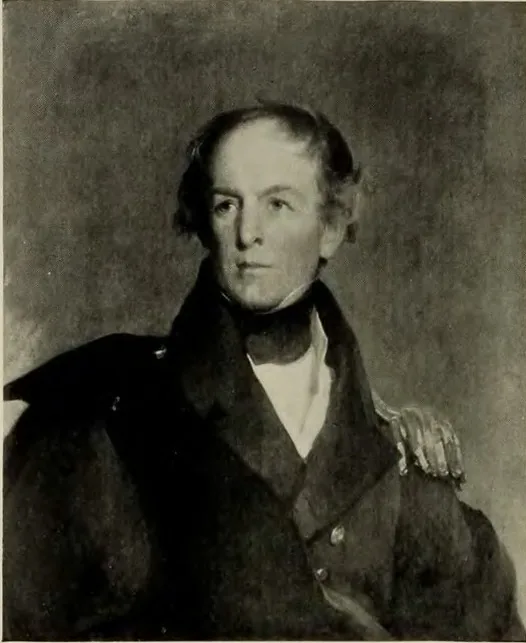
According to the Office of the Historian, a US negotiating team of Captain James Biddle, David Offley and Charles Rhind presented its credentials to the Turkish Minister of Foreign Affairs on 11 February 1830. The Office calls this “the first formal act of diplomatic engagement and recognition” between the Ottoman Empire and the United States. Recognition means that one state accepts another as a state to deal with. The team then negotiated a treaty of navigation and commerce, the subject of the next chapter.
What the Ministry says
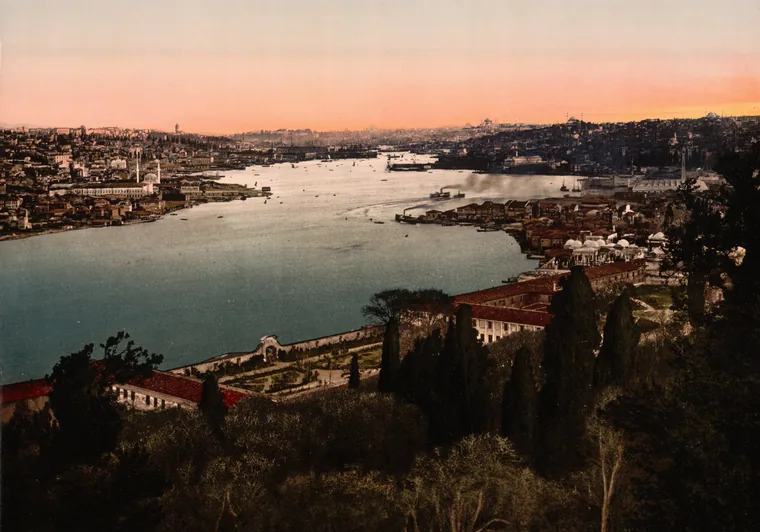
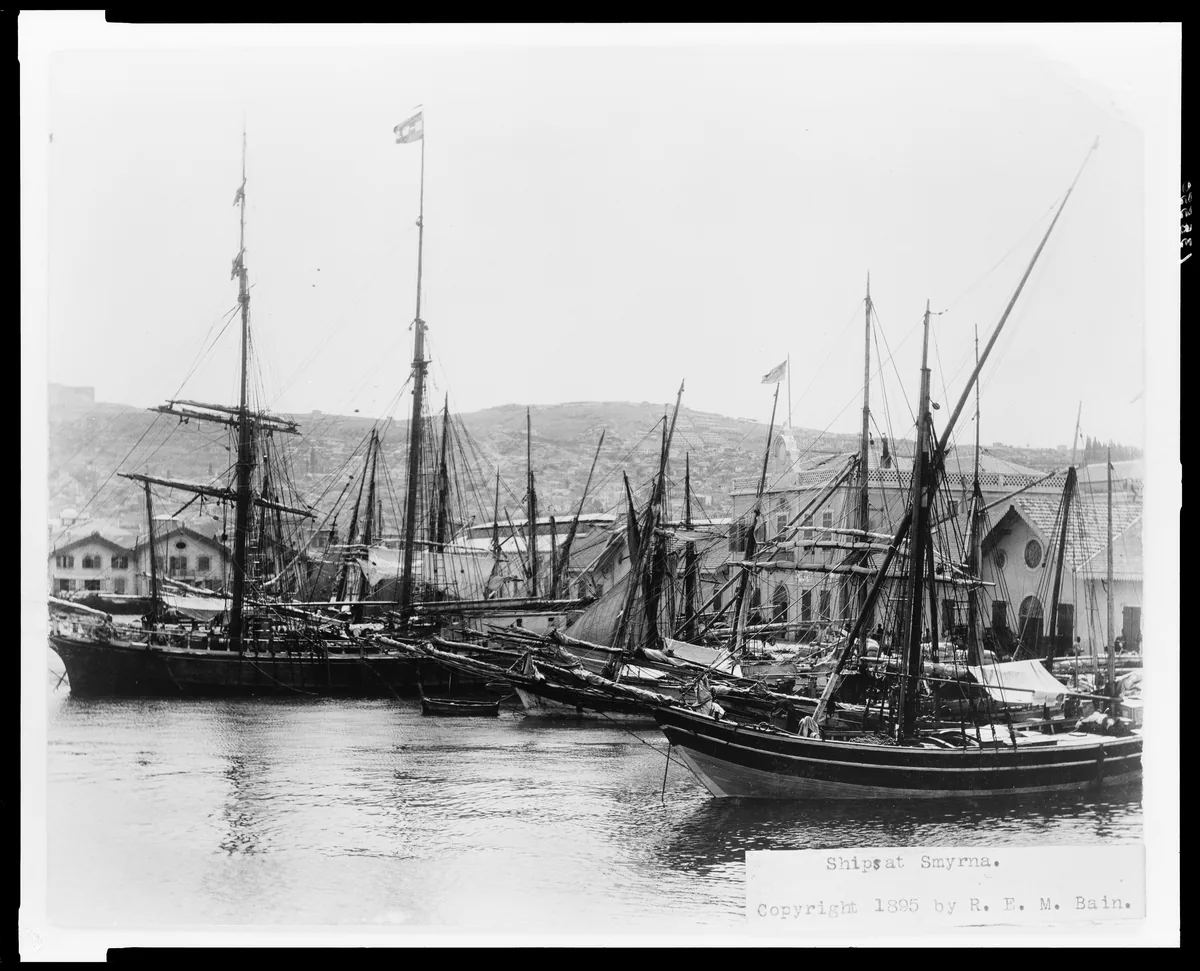
The Ministry of Foreign Affairs of Türkiye writes that relations between the two countries “developed since the end of the 18th century through maritime trade around the Turkish Mediterranean ports”, and that this period “is considered as the beginning of the first contacts”.
Ministry of Foreign Affairs of Türkiye, Relations between Türkiye and the United States of America · checked 31.10.2026
James Biddle
Named Captain James Biddle on the Office’s page. The treaty’s own text names “Commodore Biddle” and places him, with David Offley, “now at Smyrna” (İzmir) when the treaty was drawn up.
David Offley
The third member of the team. The treaty text calls him one of the “other two Commissioners”, and President Jackson’s message names him as a signer for the United States.
Charles Rhind
The treaty text says he “has come to this Imperial Residence, furnished with full powers to negotiate, settle, and conclude” a treaty, “separately and jointly” with the other two.
The treaty of 7 May 1830, article by article
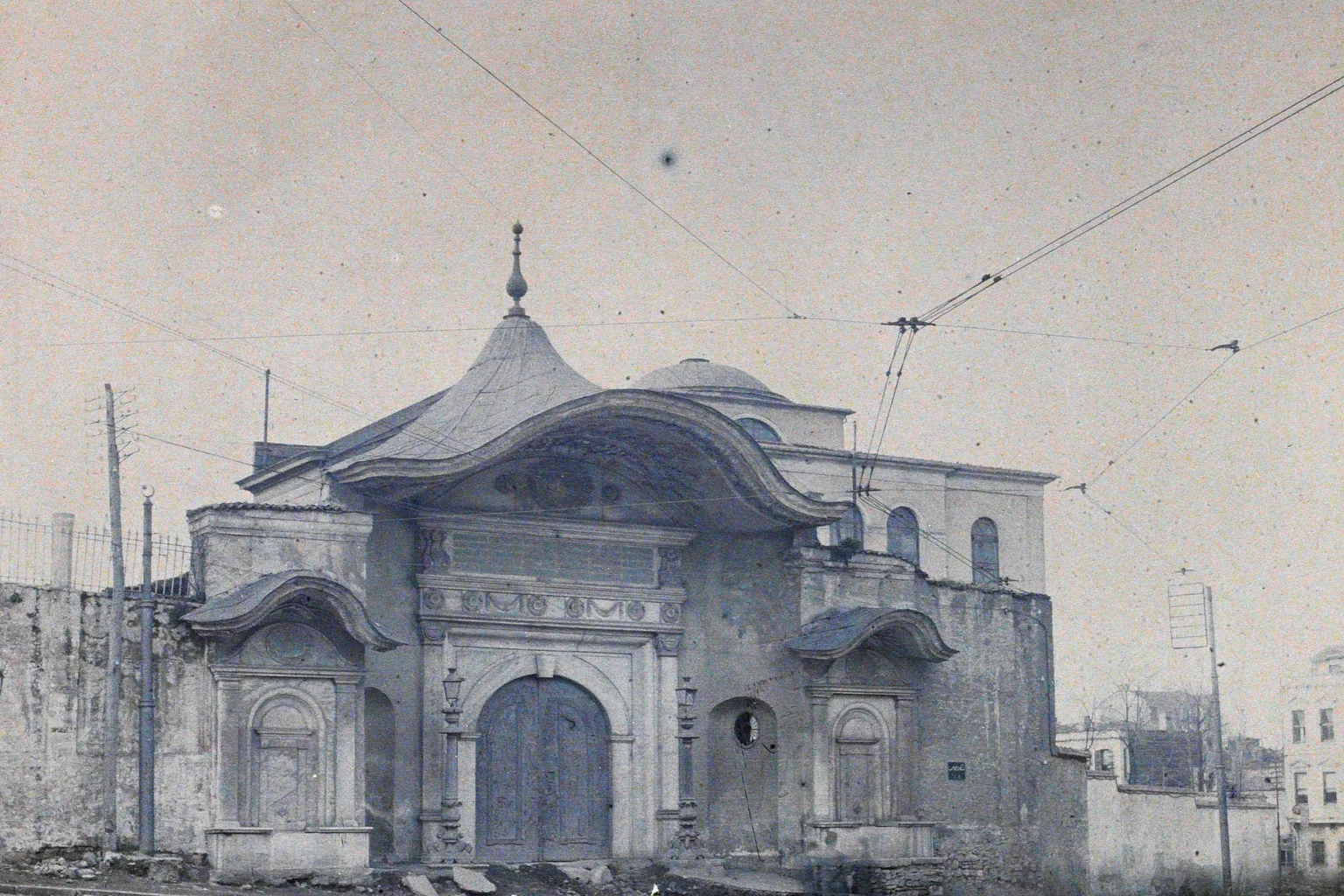
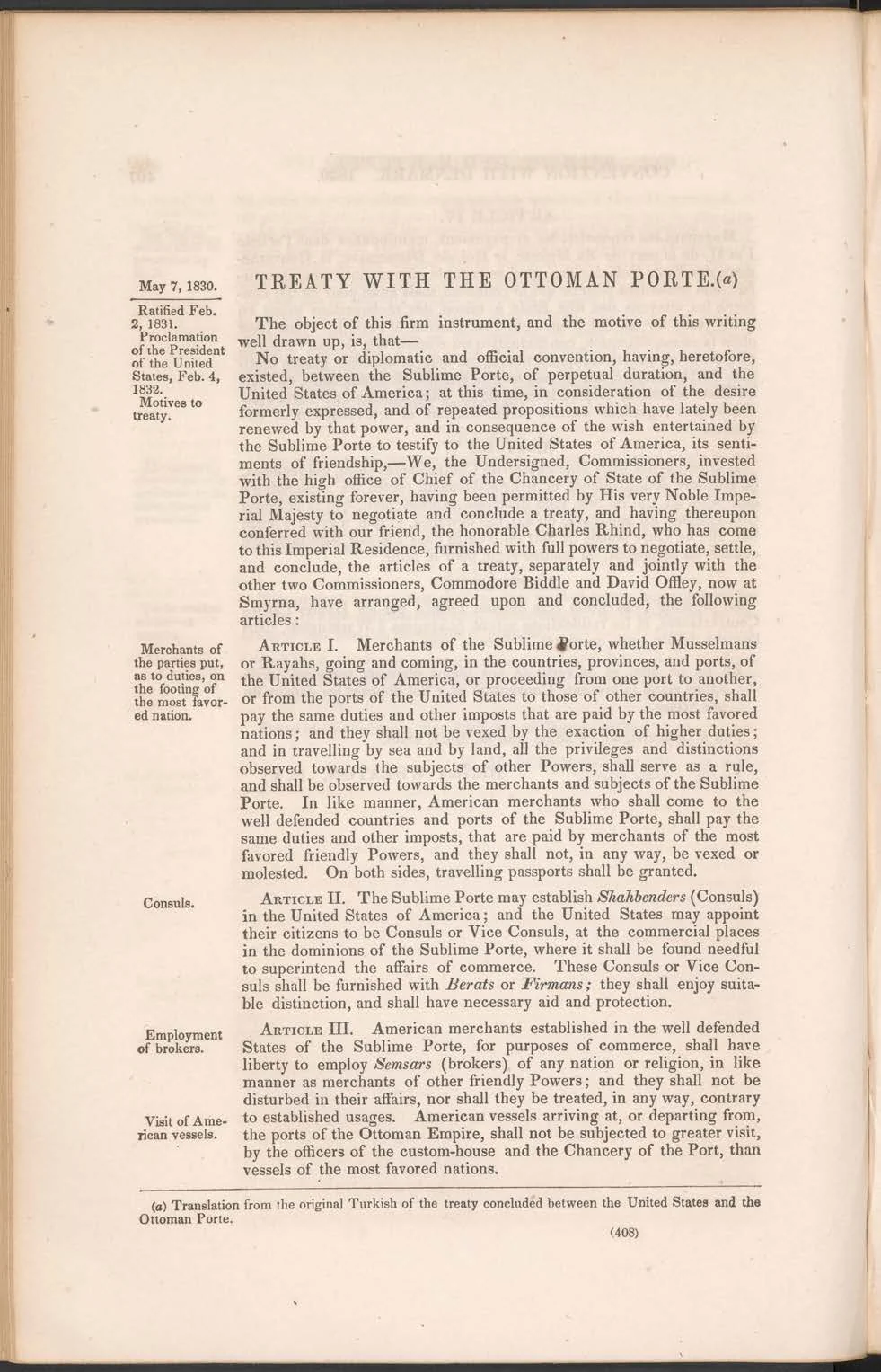
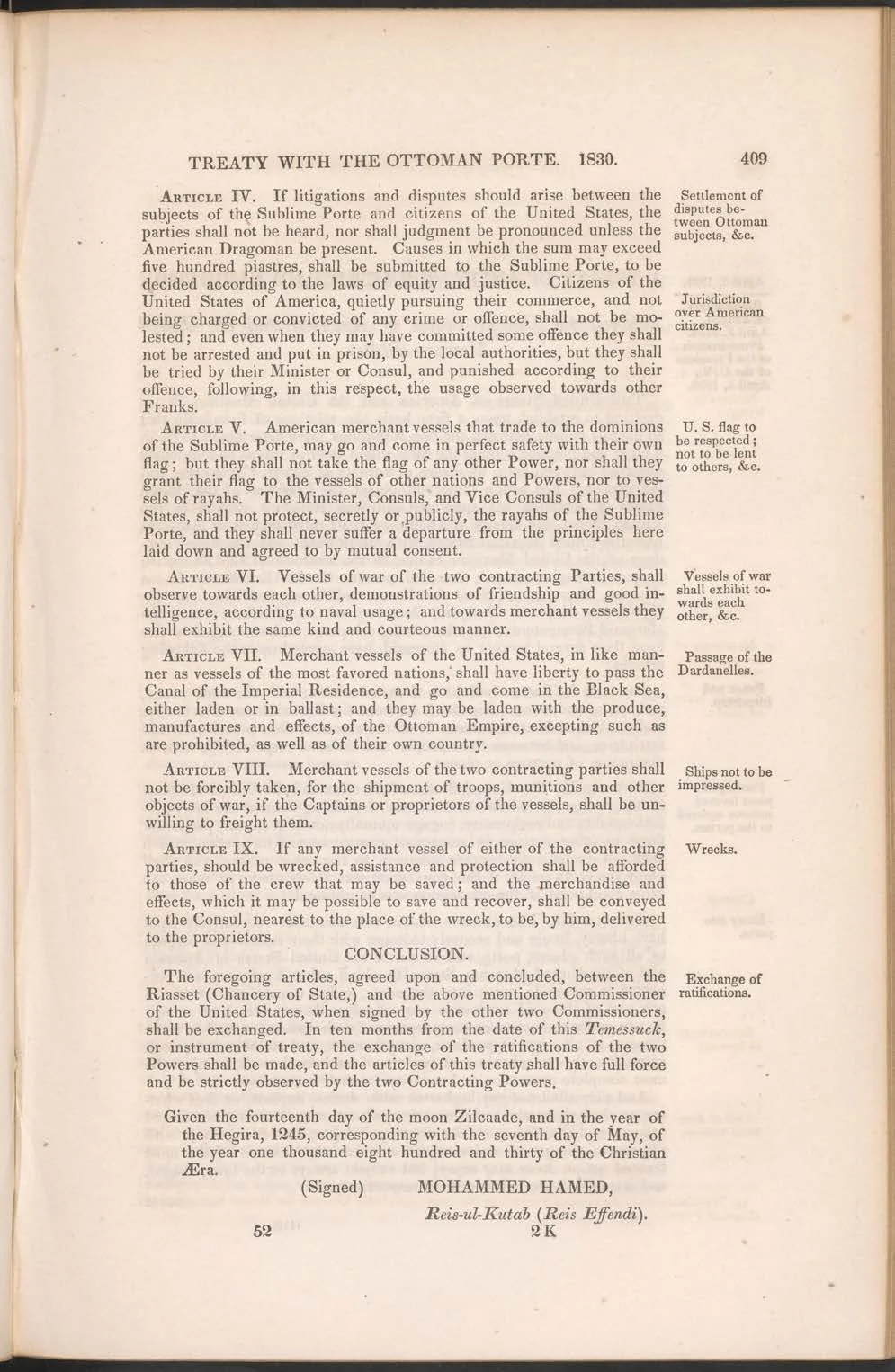
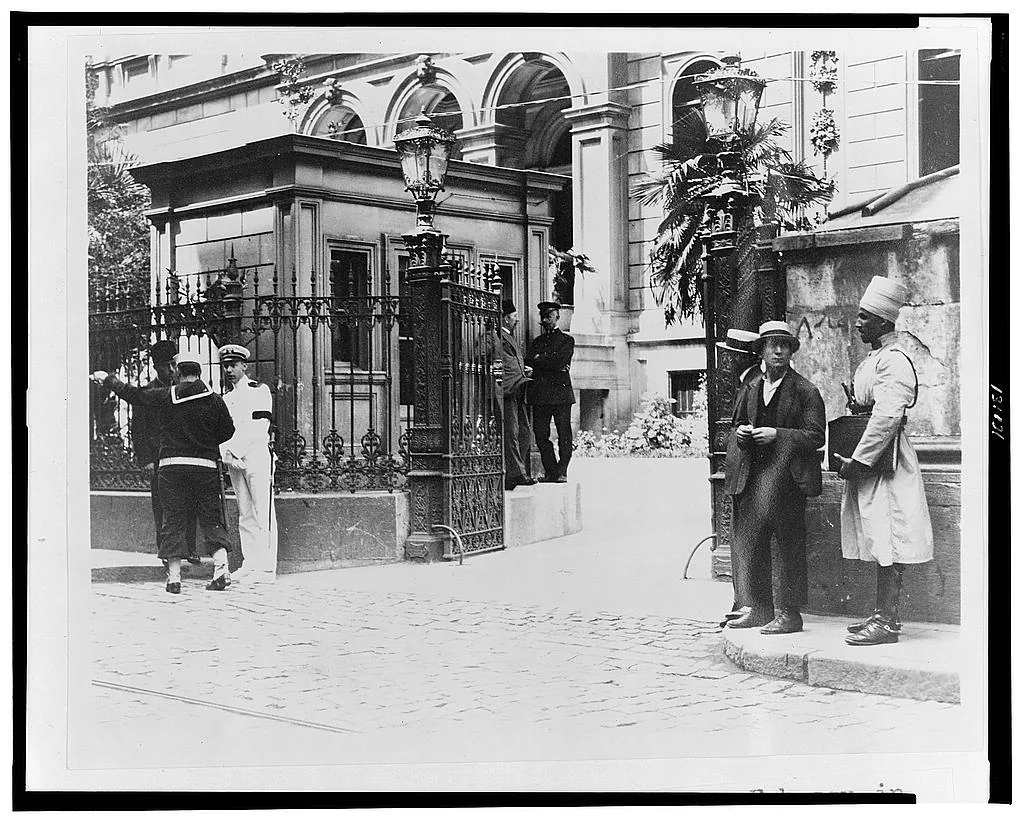
The Statutes at Large of the United States print the text of the “Treaty with the Ottoman Porte”, dated 7 May 1830, “Ratified Feb. 2, 1831”, with the President’s proclamation on 4 February 1832. Its preamble says that no treaty or convention had existed “heretofore” between “the Sublime Porte” and the United States. The Sublime Porte is the Ottoman government; the cover photograph of 1918 is titled “la Sublime Porte” and shows the entrance gate of the grand vizier’s palace. Each card below gives the main rule of one of the nine articles, with the treaty’s own words in quotation marks; the two page scans hold the full text.
Duties and passports
Merchants of each side pay the duties paid by “the most favored nations”, and travelling passports are granted on both sides.
Consuls
Each side may place consuls, “Shahibenders (Consuls)” in the text, at commercial places in the other’s lands “to superintend the affairs of commerce”.
Brokers and ship visits
American merchants may employ “Semsars (brokers)” of any nation or religion, and American ships are visited no more than those of “the most favored nations”.
Disputes and offences
In a dispute between Ottoman subjects and American citizens nothing is heard or judged “unless the American Dragoman be present”; sums over five hundred piastres go to the Sublime Porte; an American charged with an offence is “tried by their Minister or Consul”.
Flags
American merchant ships may “go and come in perfect safety with their own flag”, and may neither take the flag of another power nor grant theirs to others.
Warships
Vessels of war of the two parties “observe towards each other, demonstrations of friendship and good intelligence, according to naval usage”.
The way to the Black Sea
American merchant ships, like those of “the most favored nations”, may “pass the Canal of the Imperial Residence, and go and come in the Black Sea”.
Ships and war supplies
Merchant ships of the two parties are not to be “forcibly taken, for the shipment of troops, munitions and other objects of war” if their captains or owners are unwilling to hire them out.
Wrecks
The crew of a wrecked ship receives “assistance and protection”, and what is saved goes to the nearest consul, to be delivered to the owners.
Statutes at Large, vol. 8, pp. 408–409 · checked 31.10.2026
Nine articles, ten months to ratify.
The text fixes the exchange of ratifications “in ten months from the date” of the instrument. Ratification is the formal approval by each state that makes a treaty binding.
Concluded 7 May 1830, ratified 2 February 1831, proclaimed by the President of the United States on 4 February 1832.
Article IV sets a limit of five hundred piastres for disputes decided locally.
The date in two calendars
The text dates itself “the fourteenth day of the moon Zilcaade, and in the year of the Hegira, 1245, corresponding with the seventh day of May” 1830. The Hegira year count belongs to the Islamic calendar. The signature reads “Mohammed Hamed, Reis-ul-Kutab (Reis Effendi)”; the preamble names the office as “Chief of the Chancery of State of the Sublime Porte”.
Statutes at Large, vol. 8, p. 409 · checked 31.10.2026
The separate article
On 10 December 1830 President Andrew Jackson sent the Senate “a treaty of commerce and navigation, together with a separate and secret article, concluded at Constantinople on the 7th day of May last”. The two Statutes at Large pages hold nine articles and no separate article, and none of the pages listed under Sources states what the separate article said.
The American Presidency Project, UC Santa Barbara · checked 31.10.2026
The treaty was cited again in 1876. On 8 June 1876 the Secretary of State, Hamilton Fish, answered a note about Ottoman import duties of 20 per cent by referring “to the treaty of 1830” and expecting that no higher duties would be required of American merchants “than are required of those of the most favored nation” (Foreign Relations of the United States, 1876, document 326).
1831: the legation and the ladder of ranks
The Office of the Historian dates the American Legation at Constantinople (İstanbul) to 13 September 1831, the day David Porter presented his credentials as chargé d’affaires. A legation is an envoy’s office; its Turkish name is elçilik (legation). A chargé d’affaires, in Turkish maslahatgüzar (chargé d’affaires), heads a mission without the rank of envoy; it is the first rank on the list.
David Porter, 1780–1843
- Appointed
- 15 April 1831
- Credentials
- 13 September 1831, as chargé d’affaires
- Recommissioned
- 2 January 1832, after Senate confirmation; the first commission was given during a recess of the Senate
- Promoted
- 23 May 1840, to minister resident (appointed 3 March 1839)
- Died at his post
- 3 March 1843
Office of the Historian, David Porter · checked 31.10.2026
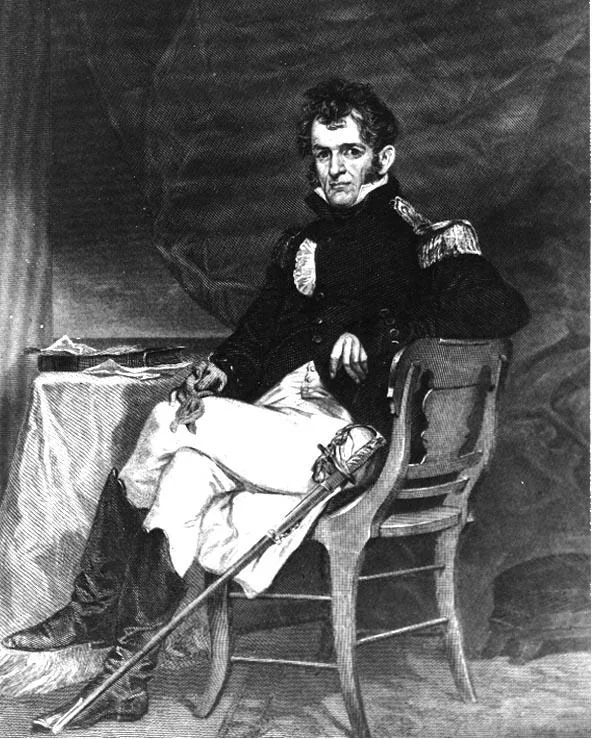
The list of chiefs of mission shows four ranks, in the order they first appear. The register under the dial draws all 27 entries; the same entries are in its table.
- Chargé d’affaires, 1831David Porter, credentials 13 September 1831. The head of a legation with no rank of envoy.
- Minister resident, 1840David Porter again, from 23 May 1840. A head of a legation one step above a chargé d’affaires.
- Envoy extraordinary and minister plenipotentiary, 1882Lewis Wallace, in this rank from 4 September 1882. An envoy with full powers to act for his state.
- Ambassador, 1906John G.A. Leishman, credentials 5 October 1906. The head of an embassy, the highest of the four.
1862: an order on privateers and a decree on arms
On 6 May 1862 Edward Joy Morris, the American minister resident at Constantinople, wrote to the Secretary of State, William H. Seward, and sent a copy of “the vizerial of the Sublime Porte” that closed Ottoman ports and waters to “privateers or other vessels acting against the shipping of the United States”. A vizierial order is an order of the grand vizier, the Sultan’s chief minister. A privateer, in the order’s Turkish korsan (privateer), is a privately owned ship that a government allows to attack other states’ shipping. Morris added that “the naval vessels of the United States are not subjected to any restrictions whatsoever.”
Privateers kept out
Sent to “all the public functionaries of the Sublime Porte on the sea-coast”. It cites the treaty made at the conference in Paris that abolished the use of ships as privateers, and says that “the legation of the United States of America has now requested” that the principle be kept.
Arms imports
Aali Pacha told Morris that by a decree of the Sultan “the importation of powder, cannon, all kinds of military arms, and munitions of war” was prohibited “in all parts of the Ottoman empire” from 1/13 March, “conformably with” a treaty of commerce “concluded the 25th of February”. The page names no side in any war.
Morris called the proceeding “confirmatory of the liberal and friendly spirit” that, in his words, marked the Ottoman government’s relations with the United States.
1906: the embassy
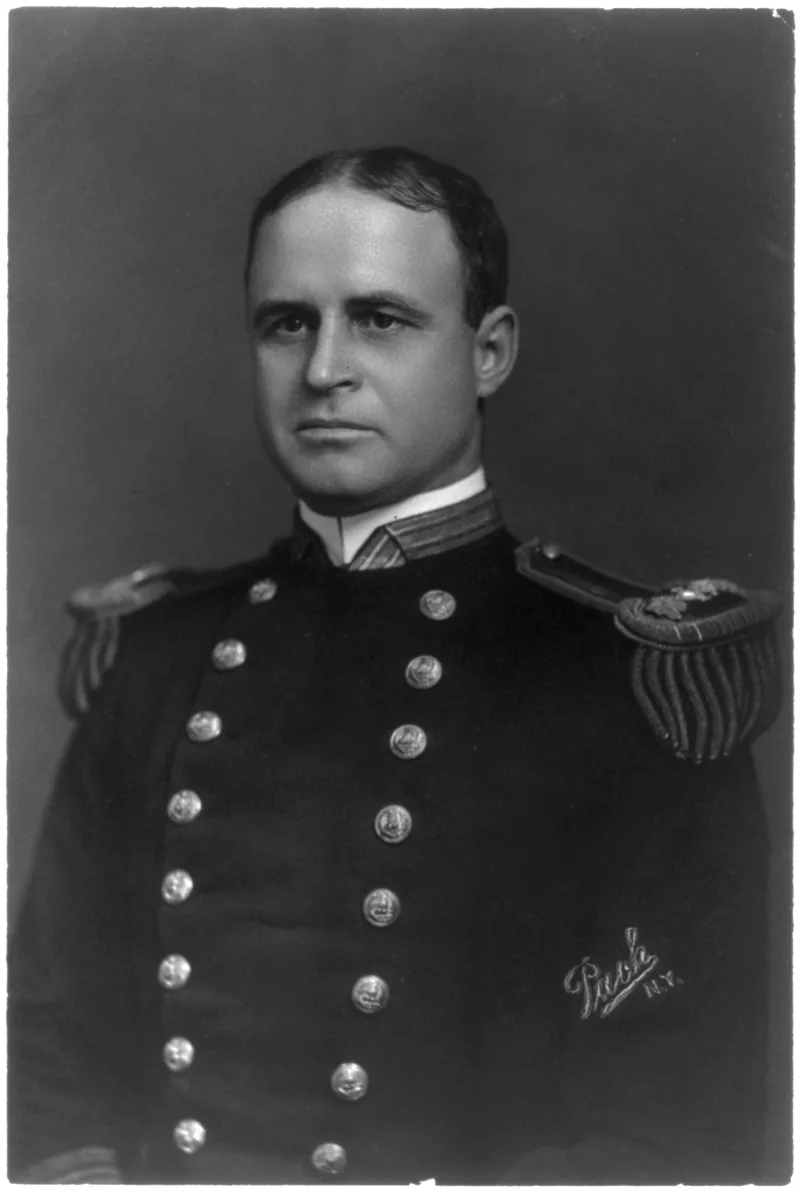
Until 1906 the American mission at Constantinople was a legation. The Office of the Historian dates the raising of the Legation to an Embassy to 18 June 1906, and records the credentials of John G.A. Leishman as ambassador on 5 October 1906. An appointment names the person; credentials, handed over on arrival, start the mission. That is why the Office gives two dates. He is the first entry on the list with the rank of ambassador; before that he was envoy extraordinary and minister plenipotentiary.
Appointed envoy
John G.A. Leishman is appointed envoy extraordinary and minister plenipotentiary to Turkey.
Credentials as envoy
He presents his credentials as envoy; the American mission is still a legation.
Appointed ambassador
The Legation is elevated to an Embassy; he is appointed ambassador extraordinary and plenipotentiary.
Credentials as ambassador
He presents his credentials as ambassador. On 17 May 1909 he “presented new credentials … after change of ruler”.
After Leishman the list gives four ambassadors: Oscar Solomon Straus (4 October 1909 to 3 September 1910), William Woodville Rockhill (28 August 1911 to 20 November 1913), Henry Morgenthau (11 December 1913 to 1 February 1916) and Abram Isaac Elkus (2 October 1916 to 20 April 1917).
1917: the break, and ten years without relations
The Office of the Historian records that “Turkey severed diplomatic relations with the United States on April 20, 1917, after the United States declared war against Germany on April 4, 1917.” To sever diplomatic relations is to end the exchange of envoys. The Office’s “Turkey” here is the Ottoman government of 1917. The mission of Abram Isaac Elkus as ambassador ends that day, and the list of chiefs of mission has no further entry until Joseph Clark Grew, ambassador, from 12 October 1927.
The declarations of war, as the Office dates them
President Woodrow Wilson asked Congress for a declaration of war against Germany on 2 April 1917; the Senate voted in support on 4 April 1917 and the House “concurred two days later”. The United States declared war on Germany’s ally Austria-Hungary on 7 December 1917.
Office of the Historian, Milestones: U.S. Entry into World War I, 1917 · checked 31.10.2026
1923–1927: the Lausanne treaty and the notes of 1927
Two sets of agreements were signed at Lausanne, a city in Switzerland, in 1923. The notes of 1927 name both: the treaties and conventions “signed by Turkey and the Allies at Lausanne, July 24, 1923”, and the treaty “signed at Lausanne August 6, 1923, by the United States of America and Turkey”.
Turkey and the Allies
Treaties and conventions signed at Lausanne by Turkey and the Allies.
The United States and Turkey
A treaty signed at Lausanne by the United States and Turkey, and a treaty of extradition of the same date.
On 18 January 1927 the Secretary of State telegraphed the High Commissioner, Mark L. Bristol: “The treaty failed of approval by the Senate, the vote being 50 for and 34 against.” A longer instruction of the same day told him to say at Angora (Ankara) that the Senate’s failure was no sign that the United States did not want friendly relations (documents 720 and 721, printed as paraphrases).
The two notes are dated Angora, 17 February 1927: one from Mark L. Bristol to the Turkish Minister for Foreign Affairs, whom the document spells “Tewfik Rouschdy” (Tevfik Rüştü Aras in the Ministry’s own list), and his answer.
A diplomatic note
A diplomatic note is a formal written message from one government to another. The Turkish phrase for the exchange is nota teatisi (exchange of notes). The four points of the two notes, in plain words:
- RelationsThe two states “are agreed to establish between themselves diplomatic and consular relations” and to appoint ambassadors “as soon as possible”.
- Treaties to comeThey will regulate trade and consular matters by treaties or conventions. If the Lausanne treaty of 6 August 1923 is ratified on or before 1 June 1928, it meets that need.
- In the meantimeThe principles of the note and “the essential provisions” of the 6 August 1923 treaty are the basis for treating each side’s nationals, on condition of reciprocity.
- WhenThe agreement “shall become effective on the day of signature”, 17 February 1927.
The Office of the Historian writes that relations were “reestablished” on 17 February 1927; the Ministry of Foreign Affairs of Türkiye writes that relations between the United States and the Republic of Türkiye were “established” by an exchange of notes on that day. The list of chiefs of mission has Joseph Clark Grew as ambassador from 12 October 1927.
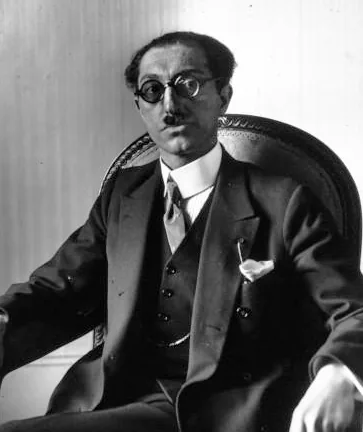
Turks living in the United States today: Turks in the USA.
The words of the subject
Bâbıâli
The Sublime Porte: the Ottoman government. The title of the 1918 photograph calls the gate of the grand vizier’s palace “la Sublime Porte”. The 1830 treaty names the Sublime Porte as one of its two parties.
elçilik
A legation: an envoy’s office. The American one at Constantinople dates from 13 September 1831.
büyükelçilik
An embassy, the higher office; büyükelçi is its ambassador. The American mission became one in 1906.
maslahatgüzar
A chargé d’affaires, the first rank on the list. David Porter held it from 1831 to 1840.
muahede, antlaşma
A treaty: a written agreement between states. The 1830 text calls itself a “treaty”; muahede is the older Turkish word and antlaşma the present one.
nota
A diplomatic note: a formal written message from one government to another. In 1927 the two sides exchanged notes (nota teatisi).
reisülküttâb
The treaty’s “Reis-ul-Kutab (Reis Effendi)”: the Ottoman signatory, in the preamble’s words “Chief of the Chancery of State of the Sublime Porte”.
tercüman
An interpreter, the treaty’s “Dragoman”. Article IV says disputes are not heard “unless the American Dragoman be present”.
korsan
A privateer. The order of 23 April 1862 prints the word in brackets after “privateers”.
Quick answers
When did the Ottoman Empire and the United States recognise each other?
On 11 February 1830, the date the Office of the Historian gives for the day James Biddle, David Offley and Charles Rhind presented their credentials to the Turkish Minister of Foreign Affairs.
When did the American legation open?
On 13 September 1831, when David Porter presented his credentials as chargé d’affaires at Constantinople (İstanbul), according to the Office of the Historian.
When did it become an embassy, and why are there two dates?
The Office dates the elevation to 18 June 1906, the day John G.A. Leishman was appointed ambassador, and his credentials to 5 October 1906. An appointment names the person; credentials start the mission.
Who broke off relations in 1917?
The Office of the Historian writes that Turkey severed diplomatic relations with the United States on 20 April 1917, after the United States declared war against Germany on 4 April 1917.
When were relations restored?
On 17 February 1927, by an exchange of notes in Angora (Ankara) between Mark L. Bristol and the Turkish Minister for Foreign Affairs. The Ministry of Foreign Affairs of Türkiye gives the same date.
What did the 1830 treaty cover?
Nine articles: duties and passports, consuls, brokers and ship visits, disputes and offences, flags, warships, passage to the Black Sea, merchant ships and war supplies, and wrecks. Ratifications were to be exchanged within ten months.
What is the separate article of 1830?
President Jackson’s message of 10 December 1830 sent the Senate “a separate and secret article” with the treaty. The pages listed under Sources state that it existed and do not state what it said.
Is the Treaty of Lausanne the same as the American treaty of 1923?
No. The Allies’ treaties with Turkey were signed at Lausanne on 24 July 1923; the treaty between the United States and Turkey was signed there on 6 August 1923. On 18 January 1927 the Senate did not approve it, 50 votes for and 34 against.
Sources and limits
The pages checked
- Turkey, A Guide to the United States’ History of Recognition, Diplomatic, and Consular Relations, by Country, since 1776 — Office of the Historian, US Department of State, checked 31.10.2026
- Chiefs of Mission for Turkey (last updated 14 March 2024) — Office of the Historian, US Department of State, checked 31.10.2026
- David Porter — Office of the Historian, US Department of State, checked 31.10.2026
- John G.A. Leishman — Office of the Historian, US Department of State, checked 31.10.2026
- United States Statutes at Large, vol. 8, pp. 408–409, Treaty with the Ottoman Porte, 7 May 1830 (PDF) — US Government Publishing Office (GovInfo), checked 31.10.2026
- Andrew Jackson, Special Message, 10 December 1830 — The American Presidency Project, UC Santa Barbara, checked 31.10.2026
- Foreign Relations of the United States, 1862, document 631: Mr. Morris to Mr. Seward, 6 May 1862 — Office of the Historian, US Department of State, checked 31.10.2026
- Foreign Relations of the United States, 1876, document 326: Mr. Fish to Aristarchi Bey, 8 June 1876 — Office of the Historian, US Department of State, checked 31.10.2026
- Foreign Relations of the United States, 1927, vol. III, chapter 72: agreement to establish diplomatic and consular relations, notes of 17 February 1927 — Office of the Historian, US Department of State, checked 31.10.2026
- Foreign Relations of the United States, 1927, vol. III, document 720: telegram of 18 January 1927 — Office of the Historian, US Department of State, checked 31.10.2026
- Document 721: instructions of 18 January 1927 — Office of the Historian, US Department of State, checked 31.10.2026
- Document 745: the American High Commissioner’s note, Angora, 17 February 1927 — Office of the Historian, US Department of State, checked 31.10.2026
- Document 746: the Turkish Minister for Foreign Affairs’ note, Angora, 17 February 1927 — Office of the Historian, US Department of State, checked 31.10.2026
- Milestones: U.S. Entry into World War I, 1917 — Office of the Historian, US Department of State, checked 31.10.2026
- Relations between Türkiye and the United States of America — Ministry of Foreign Affairs of Türkiye, checked 31.10.2026
- List of Former Ministers of Foreign Affairs (Tevfik Rüştü Aras, 04.03.1925–11.11.1938) — Ministry of Foreign Affairs of Türkiye, checked 31.10.2026
Photographs are from Wikimedia Commons, and the two scans of the Statutes at Large from GovInfo; each caption gives author, date, licence and file page. The Bâbıâli (1918) and the Golden Horn (about 1890–1900) are not pictures of 1830.
This page reports what the pages above state on the date shown. The pages do not state what the separate article of 1830 said, and the list of chiefs of mission is the Office of the Historian’s, as printed.