

Importing From Turkey to the EU: Papers, Duty and VAT
What the EU–Türkiye customs union covers, the papers that travel with the goods, and what the EU side asks: EORI, declaration, duty and VAT.
Table of Contents
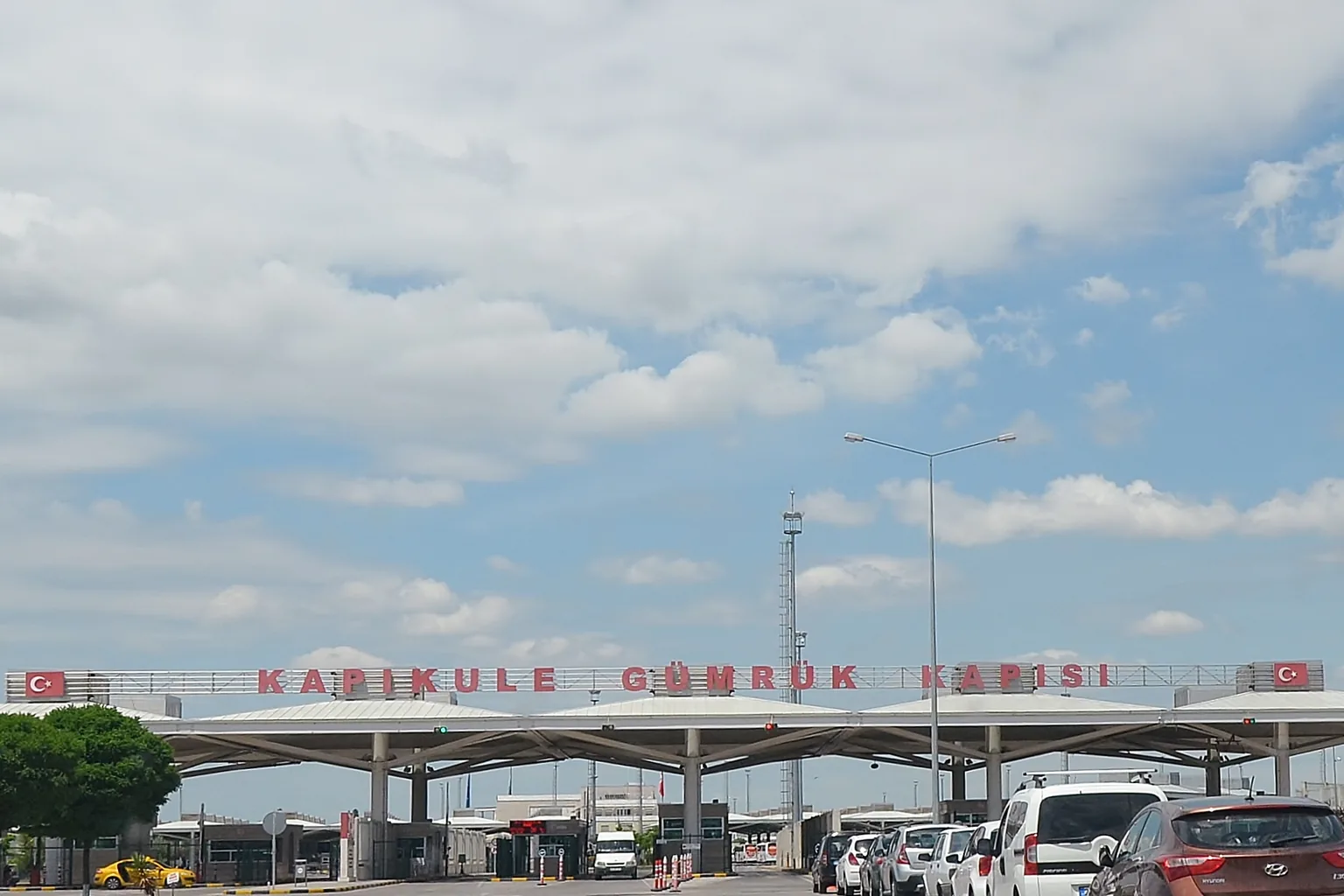
Goods that cross between Türkiye and the European Union (EU) travel under a customs union. The paper that goes with them depends on the kind of goods: an A.TR movement certificate, an EUR.1 or an invoice declaration. This page names the papers, who issues them and what the EU side asks, each from the body that sets it (checked 03.11.2026).
In short · checked 03.11.2026
The papers follow the kind of goods: status for the customs union, origin for the rest.
- Industrial and processed farm goods move under the customs union, and the A.TR movement certificate proves their status.
- Farm products and coal and steel have their own arrangements, with a proof of origin.
- The EU side asks for an EORI number, advance data from the carrier, an import declaration, duty and VAT.
The tool · checked 03.11.2026
The sorting station
Pick a kind of goods. The carton slides over its chute, and the paper that goes with that kind slides into the pocket. The card names the paper, what it proves and who issues it.
What kind of goods?
Industrial goods · the customs union
A.TR movement certificate
- Paper
- A.TR Dolaşım Belgesi, the A.TR movement certificate
- Proves
- That the goods are in free circulation. It does not show their origin.
- Issued by
- The customs administration (gümrük idaresi) or bodies it authorises, endorsed by customs.
- Arrangement
- Decision 1/95 of the Association Council, 22.12.1995.
- Low value
- Under EUR 150 in e-commerce: one A.TR per transport document under a simplified customs declaration, with a serial number and a QR code.
A line to send
Ministry of Trade, origin FAQ · Commission, customs-union page and note on low-value consignments · checked 03.11.2026
Processed farm goods · the customs union
A.TR movement certificate
- Paper
- A.TR Dolaşım Belgesi, the A.TR movement certificate
- Proves
- That the goods are in free circulation. It does not show their origin.
- Issued by
- The customs administration (gümrük idaresi) or bodies it authorises, endorsed by customs.
- Arrangement
- Decision 1/95 of the Association Council, 22.12.1995. The Commission adds that special conditions are laid down for processed agricultural products.
- Low value
- Under EUR 150 in e-commerce: one A.TR per transport document under a simplified customs declaration, with a serial number and a QR code.
A line to send
Ministry of Trade, customs-union and origin pages · Commission, customs-union page and note on low-value consignments · checked 03.11.2026
Farm products (Annex I) · preferential agreement
A proof of preferential origin
- Paper
- EUR.1 Dolaşım Sertifikası, the EUR.1 movement certificate, or fatura beyanı, an invoice declaration
- Proves
- The origin of the goods under the agreement’s rules. It does not show free circulation.
- Issued by
- EUR.1: filled in by the exporter, checked by the Chambers of Commerce or Industry, endorsed by customs. Invoice declaration: written by the exporter on the invoice or another commercial document.
- Arrangement
- Decision 1/98 of the Association Council, 25.02.1998.
- Low value
- The Commission’s note on low-value consignments covers A.TR certificates only.
A line to send
Ministry of Trade, origin FAQ · Commission, customs-union page · checked 03.11.2026
Coal and steel · agreement with the ECSC
A proof of origin
- Paper
- EUR.1 Dolaşım Belgesi, the EUR.1 movement certificate, or fatura beyanı, an invoice declaration
- Proves
- The origin of the goods. The Ministry says these goods are outside the customs union and traded on origin.
- Issued by
- EUR.1: filled in by the exporter, checked by the Chambers of Commerce or Industry, endorsed by customs. Invoice declaration: written by the exporter on the invoice or another commercial document.
- Arrangement
- Agreement of 25.07.1996 between Türkiye and the European Coal and Steel Community (ECSC).
- Low value
- The Commission’s note on low-value consignments covers A.TR certificates only.
A line to send
Ministry of Trade, origin FAQ · Commission, customs-union page · checked 03.11.2026
What the customs union covers, and what it leaves out
The EU–Türkiye customs union grew out of the Ankara Agreement of 12.09.1963 and its Additional Protocol of 23.11.1970. Between the two parts, goods that are wholly produced there or put in free circulation after import from third countries move without customs duties and without quantitative restrictions. Türkiye aligns on the Common Customs Tariff for third countries (European Commission and Ministry of Trade, checked 03.11.2026).
The customs union
Decision 1/95 of the Association Council, 22.12.1995. The proof of status is the A.TR movement certificate.
A preferential agreement
Decision 1/98 of the Association Council, 25.02.1998. These products are outside the customs union. The Ministry of Trade traces the farm-trade framework to the Ankara Agreement, widened by the 1970 Additional Protocol and later Association Council decisions.
An agreement with the ECSC
Agreement of 25.07.1996 between Türkiye and the European Coal and Steel Community. These products remain outside the customs union.
Rules between the two parts
- Duty
- No customs duty between the two parts for goods that the customs union covers. VAT is separate (chapter 4).
- Implementing rules
- Decision No 1/2006 of the Customs Co-operation Committee, 26.07.2006, lays down the customs provisions that apply to trade between the two parts and with third countries.
- Türkiye’s tariff
- The Ministry of Trade says Türkiye applies the Common Customs Tariff (Ortak Gümrük Tarifesi) to third countries.
What «free circulation» means · checked 03.11.2026
Goods are in free circulation once import duty and other charges are paid and the checks on prohibitions and restrictions are made. They enter it by a customs declaration, and it starts when customs release the goods. The Commission adds that goods lose the status if they leave the EU customs territory.
European Commission · importation page · checked 03.11.2026
The papers, and who issues them
Each paper answers one question: where the goods stand (status), where they come from (origin), or what the shipment holds. The Turkish name is the one the Ministry of Trade prints.
- A.TR movement certificate (A.TR Dolaşım Belgesi)
- Shows that goods are in free circulation. It does not show origin. The customs administration or bodies it authorises issue it, and customs endorse it. The Ministry of Trade ties it to the customs union.
- EUR.1 (EUR.1 Dolaşım Sertifikası)
- Shows preferential origin. The exporter fills it in, the Chambers of Commerce or Industry (Ticaret/Sanayi Odaları) check it, and customs endorse it. It gives the reduced tariff in trade with countries that have a preferential trade agreement.
- Invoice declaration (fatura beyanı)
- Shows preferential origin, like the EUR.1. The exporter writes it on the invoice, a delivery note or another commercial document. Under EUR 6,000 any exporter may issue it; above that only an approved exporter (onaylanmış ihracatçı). The Commission’s page words the limit as «up to EUR 6,000».
- Non-preferential origin certificate (menşe şahadetnamesi)
- Shows origin without any reduced tariff. It is not mandatory on export: it is issued when the importing country asks for it. The Commission says chambers of commerce normally issue non-preferential certificates.
- Commercial invoice and packing list
- The commercial invoice goes with the proof of origin and any certificate or licence the goods need. The packing list accompanies the invoice and the transport documents, has no specific form, and the exporter prepares it.
- Export declaration (ihracat beyannamesi)
- Since 20.08.2019 customs officers sign export declarations electronically and customs administrations use no paper copy. The exporter reaches the e-signed copy through GET-APP (Gümrük Eşya Takip ve Analitik Performansı Programı).
Ministry of Trade · European Commission (Access2Markets) · origin FAQ, export-declaration note, customs-clearance pages · checked 03.11.2026 · Ministry of Trade origin FAQ · Access2Markets customs union
The A.TR in electronic form · checked 03.11.2026
In its information note of 5 July 2024, the Commission invited the customs administrations of the EU Member States to accept, as of 8 July 2024, an A.TR issued electronically in Türkiye, with a QR code and without a wet-ink signature. A later Commission note, on low-value consignments, says such certificates are accepted at importation in accordance with Decision No 1/2025 of the EU–Türkiye Customs Cooperation Committee on the use of A.TR movement certificates issued electronically.
Low-value e-commerce parcels · checked 03.11.2026
For consignments under EUR 150 in e-commerce, the Commission’s note says the A.TR is issued for each transport document covered by a simplified customs declaration (Basitleştirilmiş Gümrük Beyannamesi), with a unique serial number and a QR code for instant verification. The Ministry of Trade reports a system that creates this A.TR from the declaration data, open since 3 July 2026 to express carriers it has authorised and to the postal administration (news item of 05.08.2026).
On the EU side, EORI, advance data and the declaration

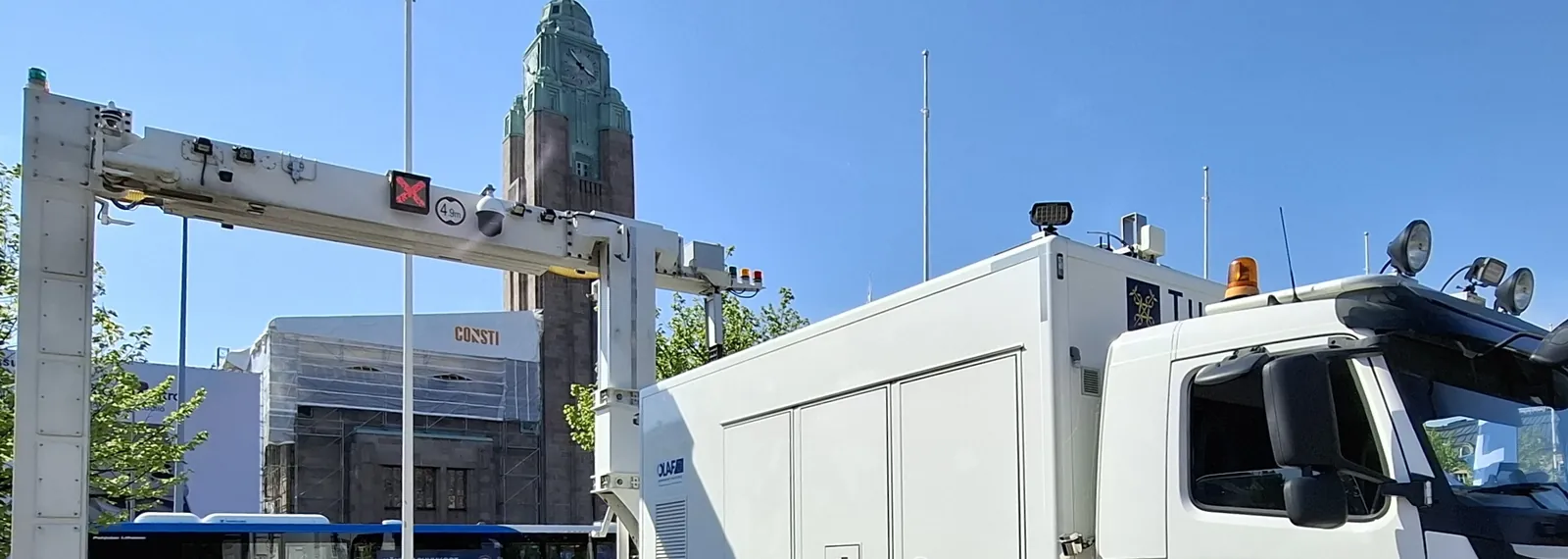
- EORI numberMandatory for customs operations in the EU, such as import, export and transit. A person can hold only one valid EORI number. One customs authority assigns it: the national customs authority of the EU country where the operator is established or, for an operator with no establishment in the EU, of the EU country where it intends to carry out its first customs operation. The number is the issuing country’s two-letter code and an identifier of up to 15 alphanumeric characters, with no expiry date.
- Advance data (ENS)The entry summary declaration (ENS) is advance cargo information on goods entering the EU. The carrier lodges it at the first customs office of entry; in some cases the importer-consignee or a representative does. From 1 June 2026 every consignment entering the EU by any means of transport should have a valid ENS. The deadlines by mode of transport are in chapter 6.
- Temporary storageGoods are in temporary storage from the moment they arrive and are presented to customs, until they are placed under a customs procedure or re-exported. After 90 days the goods are to be placed under a procedure or re-exported.
- Customs declarationGoods enter free circulation by a customs declaration. The proof of origin goes with the Single Administrative Document. The date customs accept the declaration is the date used to work out the import duty, the VAT and the prohibitions or restrictions that apply.
- Release for free circulationRelease entails the collection of import duty and other charges where the goods are subject to them, the application of trade policy measures (the Commission’s example: an import licence for goods under quotas) and any other requirement for importing the goods.
European Commission · EORI page, importation page, customs-clearance page, ICS2 page · checked 03.11.2026
Duty and VAT, how the amount is built
Customs duty and VAT are two separate amounts. Goods under the customs union carry no customs duty between the two parts (chapter 1); VAT is levied on imports all the same.
- Duty
- Three factors set it: the customs tariff that applies, the value of the goods and their origin. The tariff comes from classifying the goods into a code of the Combined Nomenclature; the Common Customs Tariff is the same in all EU countries, and its rates depend on the type and origin of the goods. Normally the amount is a percentage of the customs value.
- VAT
- VAT is levied on imports, usually at customs clearance, and is paid like duties. The taxable amount is the customs value, plus duties and other charges, plus the costs up to the place of destination in the EU.
- Rates
- Each EU country sets its own VAT rates within EU limits: the standard rate may not be less than 15% and reduced rates should not be less than 5%, with exceptions the page lists. The importer’s own national customs administration applies them (Commission index of national customs administrations).
European Commission · duty-calculation page and Access2Markets VAT page · checked 03.11.2026
Low-value consignments · checked 03.11.2026
The EU applied a customs duty exemption to consignments up to EUR 150 until 30.06.2026. From 1 July 2026 a temporary customs duty of EUR 3 per item applies to consignments up to EUR 150 in distance sales (online purchases from suppliers outside the EU), until 1 July 2028. After that, normal customs duties apply, depending on the type of good.
- Per item
- The duty applies per item in a consignment, based on tariff classification, not on quantity. The Commission’s example: 5 T-shirts, EUR 3 (1 item); 1 T-shirt and 1 watch, EUR 6 (2 items).
- Excluded
- Goods benefiting from preferential trade agreements or Customs Union measures are left out, under two conditions the Commission sets: on how the VAT was collected and on how the goods are declared (Commission page on the EUR 3 duty).
European Commission · news item of 08.06.2026 · checked 03.11.2026
Product rules, apart from the customs papers
A paper that clears customs does not settle whether the product itself may be sold in the EU. The Commission sets the product rules by kind of goods.
- CE marking. The importer has to verify that the manufacturer outside the EU has taken the necessary steps: that documentation such as the EU Declaration of Conformity and the technical documentation is available on request, and that contact with the manufacturer is possible at any time (Commission, single-market page).
- Textiles. Textile products are most commonly defined as those with at least 80% by weight of textile fibres. Regulation (EU) No 1007/2011 sets the fibre names and the labelling of fibre composition, and the Commission plans to revise the rules. The page Fabrics in Turkey covers the cloth itself.
- Plants and plant products. Certain plants and plant products listed in Annexes XI and XII of Regulation (EU) 2019/2072 need a phytosanitary certificate, which the exporting country’s national plant protection authorities issue. The page Importing Flowers from Turkey follows one such case.
- Animals and animal products. The Commission keeps guidance on EU import and transit rules for live animals and animal products from third countries. Its importation page gives as an example a veterinary certificate for certain animals or animal products.
European Commission · single-market, textiles, plant-health and food-safety pages · checked 03.11.2026
Moving the goods, the document and the deadline by mode
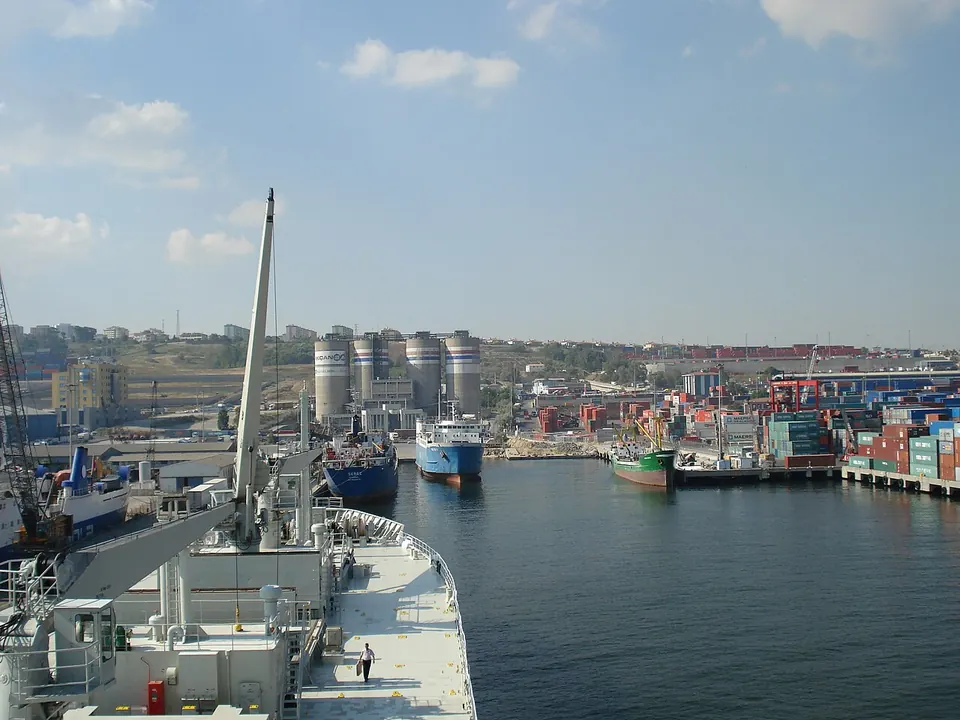
The transport document depends on the mode. For the advance data, the carrier lodges the ENS before the goods arrive, and the deadline depends on the mode as well. Ports and free zones in Türkiye have their own pages: Ports in Turkey and Free Zones in Turkey.

Which mode of transport?
- Document
- The bill of lading (B/L): issued by the shipping company to the consignor, it confirms the goods were received on board and shows the contract of carriage. The FIATA bill of lading covers several modes of transport at once.
- ENS deadline
- Container cargo: at least 24 hours before loading begins in the foreign port. Bulk cargo: at least 4 hours before arrival. Short sea shipping: at least 2 hours before arrival.
- Document
- The road waybill (CMR), under the 1956 CMR Convention. It has four copies, one goes with the goods, and normally one is issued for each vehicle.
- ENS deadline
- At least 1 hour before arrival.
- Document
- The rail waybill (CIM), under the COTIF-CIM Convention of 1980. The carrier issues it in five copies and the original accompanies the consignment.
- ENS deadline
- The Access2Markets page lists no deadline for rail.
- Document
- The air waybill (AWB): proof of the transport contract between the consignor and the carrier, issued by the carrier’s agent, with three originals.
- ENS deadline
- Flights under 4 hours: at least by take-off. Flights of 4 hours or more: at least 4 hours before arrival at the first airport in the EU customs territory.
- ATA carnet
- A customs document issued by chambers of commerce for temporary importation free of duties and taxes: commercial samples, professional equipment, and goods for trade fairs and exhibitions.
- TIR carnet
- A customs transit document for goods moved by road for part of the journey, under the 1975 TIR Convention. An international guarantee covers the duties and taxes payable.
European Commission (Access2Markets) · customs-clearance and additional-documents pages · checked 03.11.2026
Inside the EU · checked 03.11.2026
Union transit moves goods between two points of the EU customs territory and suspends customs and excise duties, other charges and trade-policy measures such as anti-dumping duties. The holder of the procedure provides a guarantee, and an accepted transit declaration receives a unique Master Reference Number (MRN) (Commission, page on the New Computerised Transit System).
Turkish words on the papers
- ihracat
- export
- ithalat
- import
- ihracatçı
- exporter
- ithalatçı
- importer
- gümrük idaresi
- customs administration
- gümrük beyannamesi
- customs declaration
- ihracat beyannamesi
- export declaration
- menşe
- origin
- menşe şahadetnamesi
- non-preferential origin certificate
- A.TR Dolaşım Belgesi
- A.TR movement certificate: status of free circulation (serbest dolaşım)
- EUR.1 Dolaşım Sertifikası
- EUR.1 movement certificate: preferential origin
- fatura beyanı
- invoice declaration: origin written on the invoice
- tedarikçi beyanı
- supplier’s declaration
- sonradan kontrol
- post-verification of a proof of origin by the importing country’s customs
Ministry of Trade · origin FAQ and export-declaration note · checked 03.11.2026
Lines for a supplier · papers only
Lütfen mallarla birlikte A.TR Dolaşım Belgesini gönderin.Please send the A.TR movement certificate with the goods.
Lütfen EUR.1 Dolaşım Sertifikasını gönderin.Please send the EUR.1 movement certificate.
Lütfen fatura üzerine fatura beyanını yazın.Please write the invoice declaration on the invoice.
Lütfen ihracat beyannamesinin bir örneğini gönderin.Please send a copy of the export declaration.
Quick answers in plain words
Is an A.TR proof of origin?
No. The Ministry of Trade says it shows that goods are in free circulation and does not show their origin. The EUR.1 is the paper that proves origin (checked 03.11.2026).
Who lodges the ENS?
The carrier of the goods, at the first customs office of entry to the EU. In some cases the importer-consignee or a representative of the carrier or importer does (Access2Markets, checked 03.11.2026).
Does the EUR 3 duty apply to goods under the customs union?
The Commission leaves out goods benefiting from preferential trade agreements or Customs Union measures, under two conditions it sets: on how the VAT was collected and on how the goods are declared (Commission page on the EUR 3 duty, checked 03.11.2026).
How long may goods stay in temporary storage?
After 90 days the goods are to be placed under a customs procedure or re-exported (Commission, checked 03.11.2026).
Which paper does a farm product need?
For farm products, the Ministry of Trade lists the EUR.1 and the invoice declaration as the papers that show preferential origin. The pages read do not say which one a given product needs (checked 03.11.2026).
Sources and limits
Show the pages checked
- Turkey: Customs Unions and preferential arrangements — European Commission, Taxation and Customs Union, checked 03.11.2026
- EU–Türkiye customs union (Access2Markets) — European Commission, Access2Markets, checked 03.11.2026
- Türkiye–AB Gümrük Birliği — Ministry of Trade, checked 03.11.2026
- Tarım (preferential farm trade and the Ankara Agreement) — Ministry of Trade, checked 03.11.2026
- Menşe (origin): frequently asked questions — Ministry of Trade, checked 03.11.2026
- Information note: A.TR movement certificates issued electronically bearing a QR code (5 July 2024) — European Commission, Taxation and Customs Union, checked 03.11.2026
- A.TR movement certificates issued in Türkiye for low value consignments in e-commerce transactions — European Commission, Taxation and Customs Union, checked 03.11.2026
- E-ticarette kullanılan A.TR Dolaşım Belgesi sistemiyle ilk ihracat gerçekleştirildi (news item of 05.08.2026) — Ministry of Trade, checked 03.11.2026
- İhracatta Dijital Gümrük Projesi: Bilgi Notu (25.10.2019) — Ministry of Trade, checked 03.11.2026
- Economic operators registration and identification number (EORI) — European Commission, Taxation and Customs Union, checked 03.11.2026
- Importation — European Commission, Taxation and Customs Union, checked 03.11.2026
- Calculation of customs duties — European Commission, Taxation and Customs Union, checked 03.11.2026
- Guidance and legal text on temporary flat fee on low-value imports (08.06.2026) — European Commission, Taxation and Customs Union, checked 03.11.2026
- Import control system 2 (ICS2) — European Commission, Taxation and Customs Union, checked 03.11.2026
- New Computerised Transit System (NCTS) — European Commission, Taxation and Customs Union, checked 03.11.2026
- National customs administrations — European Commission, Taxation and Customs Union, checked 03.11.2026
- Customs clearance documents and procedures — European Commission, Access2Markets, checked 03.11.2026
- Additional customs clearance documents — European Commission, Access2Markets, checked 03.11.2026
- Value added tax — European Commission, Access2Markets, checked 03.11.2026
- CE marking: importers and distributors — European Commission, Internal Market, checked 03.11.2026
- Textiles, leather and fur — European Commission, Internal Market, checked 03.11.2026
- Trade in plants and plant products from non-EU countries — European Commission, Food Safety, checked 03.11.2026
- EU entry conditions — European Commission, Food Safety, checked 03.11.2026
Pages read on 03.11.2026. Where two pages differ, the page of the body that sets the rule is the one printed. The EU–Türkiye decisions on the electronic A.TR are named as the Commission’s notes name them. The full text of Decision No 1/2025 was not read. Related page: Importing From Turkey to the USA.