Nazım Hikmet Poems: 10 Masterpieces of Love and Exile
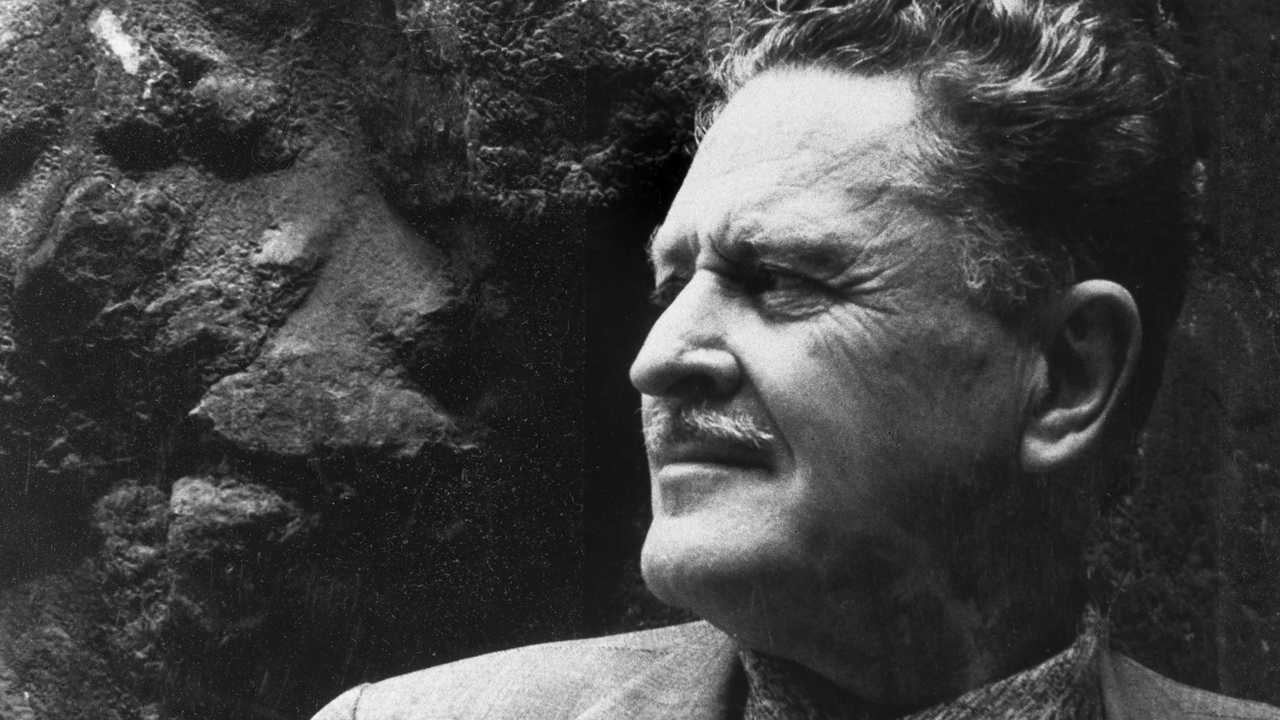
Nazım Hikmet’s poetry is not merely literature; it is a transcript of a life spent in resistance. Known as the “Romantic Communist,” Hikmet spent the majority of his adult years either behind bars or in forced exile. Yet his verses on love, freedom, and the human condition managed to break out of his prison cells and traverse the globe.
Born into an elite, well-connected family, Hikmet chose the path of the dissident. After years in Turkish prisons, he escaped from Turkey to the Soviet Union in June 1951. In retaliation, the Turkish state stripped him of his citizenship on July 25, 1951, a final bureaucratic dagger to the heart of a patriot who had immortalized his homeland in every line he wrote. It wasn’t until the Cabinet decision dated January 5, 2009 (published in the Official Gazette on January 10, 2009)—nearly half a century after his death—that his citizenship was posthumously restored.
Note: The following English renditions are free, poetic interpretations inspired by Hikmet’s spirit. They aim to capture the mood, imagery, and emotional stance of the poet for the modern reader.
1. The Blue Eyed Giant (Mavi Gözlü Dev)
This poem captures the heartbreaking friction between a revolutionary calling and the human desire for domestic peace. It is an allegory of incompatible dreams.
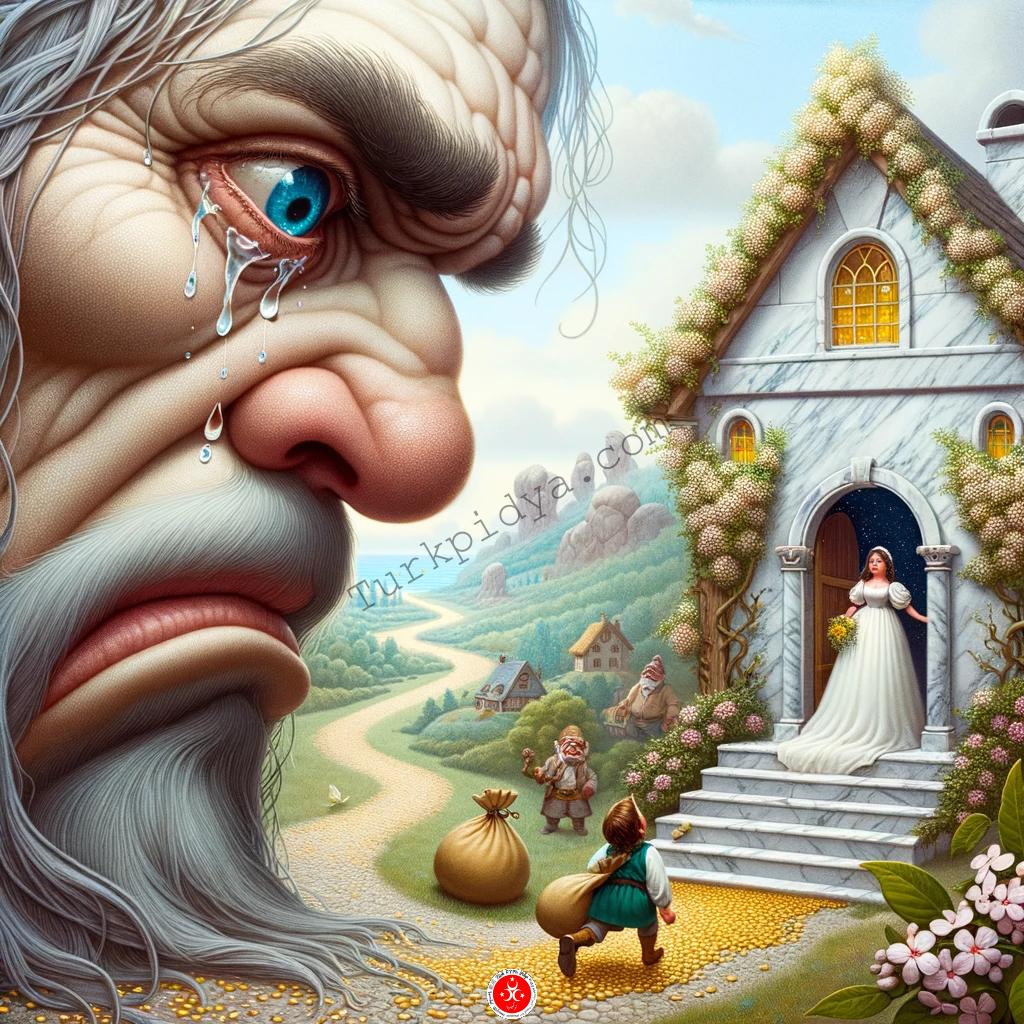
There once was a giant with blue eyes,
who loved a tiny woman.
But the woman dreamed only of a miniature house,
of a garden where honeysuckle scents the air.
The giant loved historically, as giants do,
with hands built for monumental deeds,
not for laying the bricks of a cozy home,
not for knocking gently on a quiet door.
He could not build her dream.
In his blue eyes, tears stood like stars.
The tiny woman, exhausted by his thunderous steps,
finally chose a dwarf, rich in gold and silence.
She found her honeysuckle in a marble garden.
And the giant understood, now alone in his magnitude:
For a loving giant, there is no house with honeysuckle,
only the open road and the memory.
In modern Istanbul, the dream of a quiet home with a garden feels just as elusive. For those navigating the chaotic real estate market today, check out our guide on Renting in Istanbul 2026 to understand the reality behind the dream.
2. The Walnut Tree (Ceviz Ağacı)
This is perhaps his most iconic work, later set to music and popularized by Cem Karaca. It imagines a speaker hidden in plain sight in Gülhane Park—present, watching, yet unable to reveal himself.
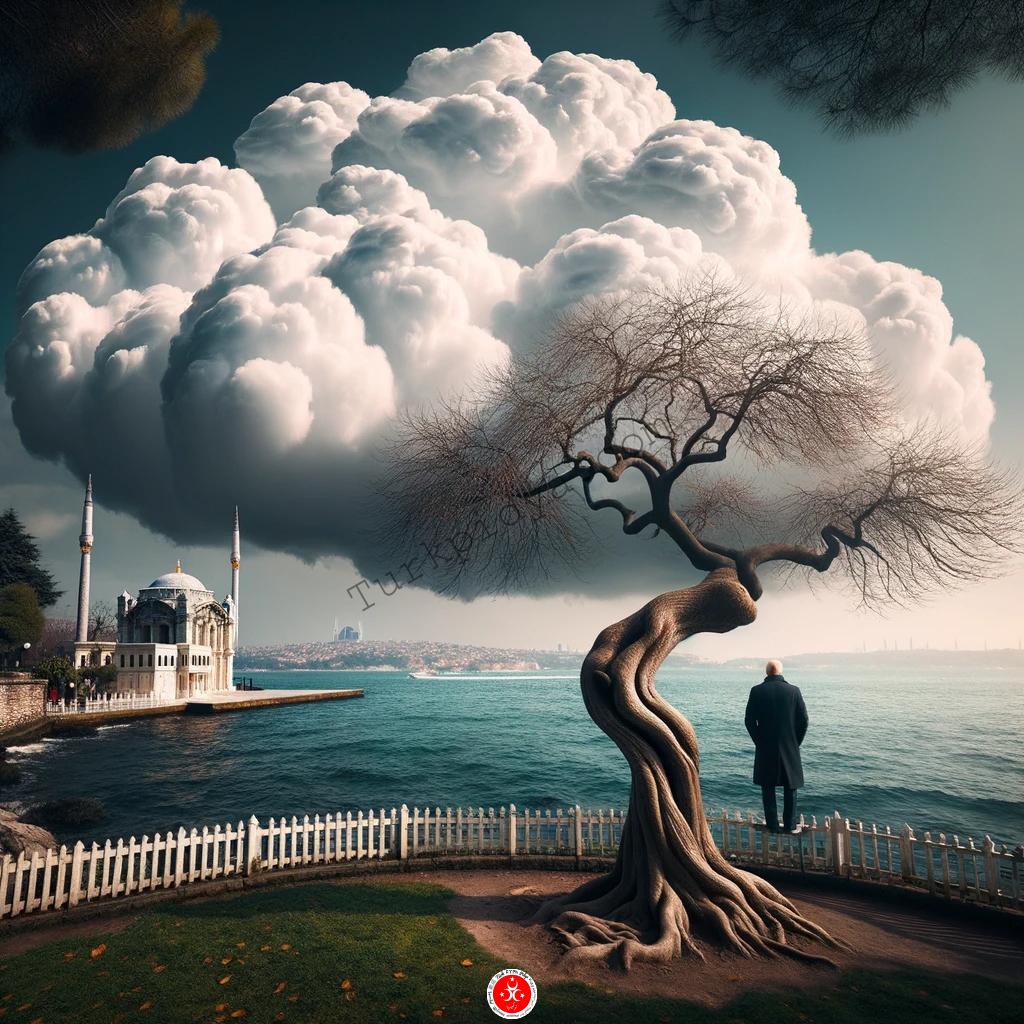
My head foams like a cloud above the sea;
I am a walnut tree in Gülhane Park.
An old knot in my throat, gnarled and strong,
but neither you nor the police are aware: This is me.
In Gülhane Park I stand, a walnut tree, tall and silent.
My leaves, darting like fish in water, shimmer in the light.
They wave to you, silky yet full of sorrow—
tear one off, my rose, and dry your tears with it.
With a hundred thousand hands, my leaves touch Istanbul,
with a hundred thousand eyes, I gaze upon the city.
In every leaf beats a heart that lives and trembles.
In Gülhane Park, I rustle my own song.
Neither you nor the constable suspect a thing:
I am the tree. I am here.
Navigating the specific locations of Istanbul, from Gülhane Park to the backstreets of Beyoğlu, requires precision. A single mistake in a street name can leave you lost, which is why understanding the Turkish Address Format is essential for anyone trying to find their way or hide in plain sight.
3. Greetings to the Working Class
A powerful appeal to solidarity, written with the conviction that the future belongs to those who build it.
Greetings to the working class of Turkey!
May peace take root like an ancient tree.
In every thread of labor, let the future ripen,
for brighter days lie in your hands.
Days of justice, where strength truly counts:
No one shall be broken by day, nor hungry by night.
Days full of bread, roses, and freedom—
for those who create the world.
You, standing in the squares,
with dreams of land, education, and honest work—
your voice will turn the tide of fate.
Our class steps out to face the darkness—
against the sultanate of money and fear.
Stand tall! Let freedom shine.
Greetings to you, workers—
may your strength never waver,
for a bright tomorrow and a dignified today.
The struggle for dignified work continues today. If you are looking to build a career in this dynamic market, read our complete guide to finding a job in Turkey as an expat.
4. Martyrs (Kuvâyi Milliye)
A homage to the fallen soldiers of the Turkish War of Independence, framing their sacrifice as the root of the nation’s dignity.
Martyrs, you proud ones beneath the earth—
it is time to rise once more:
From Sakarya to İnönü,
across the plains of Afyon to Dumlupınar.
You fell in chains, yet your spirit broke them.
Your roots drink the blood of history—
we bow before your sacrifice.
Where you rest, fate tests us anew.
Come, wake us from our sleep!
We must not forget what you gave.
Fulfill the promise of freedom,
shake the despair from our shoulders.
Martyrs, the name of our dignity—
now is the moment of awakening.
5. Your Eyes (Gözlerin)
Hikmet wrote some of world literature’s most tender love poems, often from the cold distance of a prison cell. This one speaks to the sustaining power of a memory.
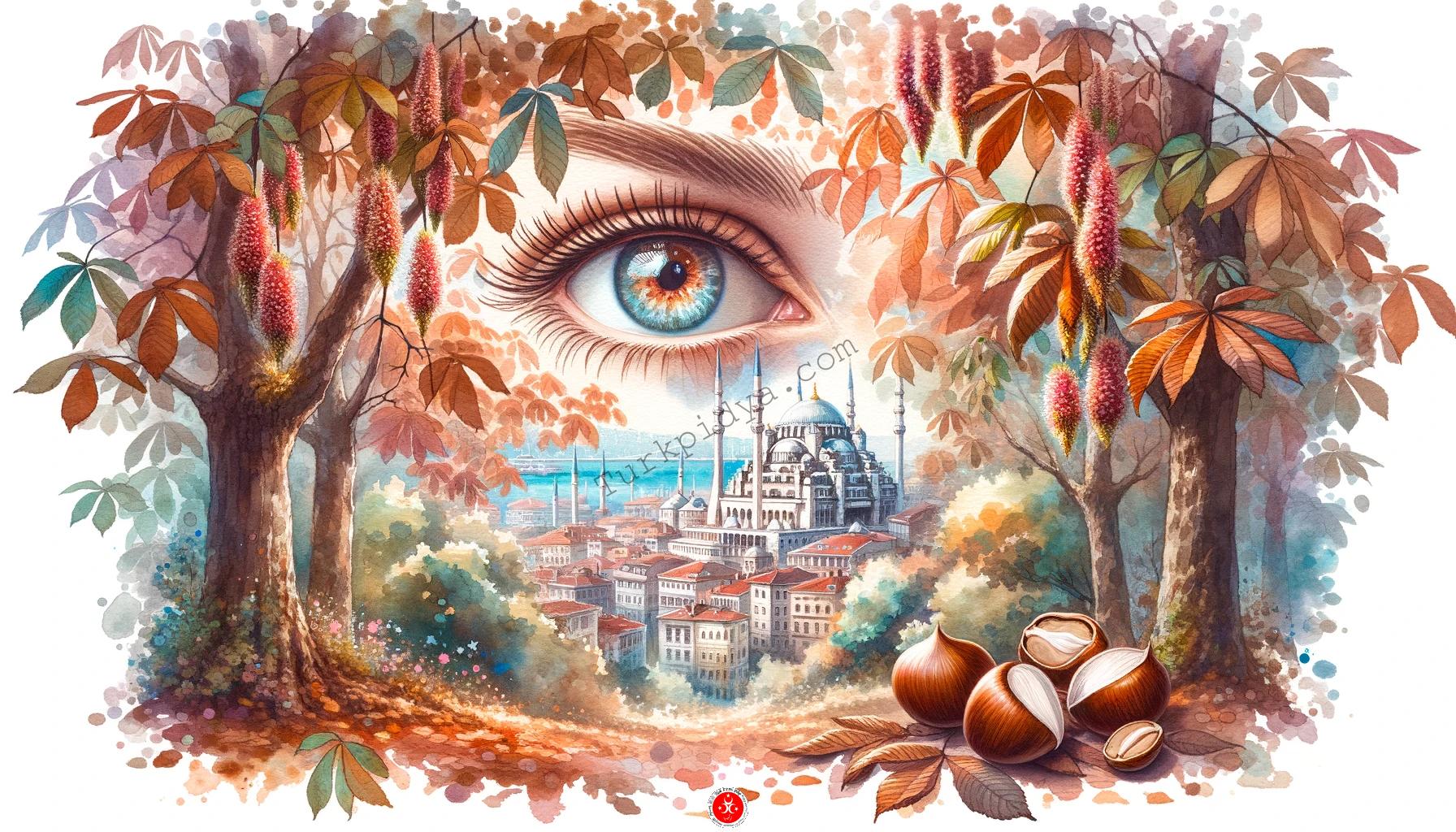
Your eyes—oh, your eyes—radiate,
whether in a dungeon or a hospital ward, always sunlight.
They shine freely like the end of May
on the shores of Antalya.
Your eyes have wept, stood naked in the wind,
deep and pure as a child’s gaze,
and yet never without the light of hope.
Your eyes, knowing yet full of life,
see the suffering and still grant brightness.
Like chestnuts from Bursa in the autumn rain,
like the gentle summer wind over the hills.
In your eyes, my rose,
I see the promise of a world,
where men walk as brothers.
6. The Longing (Hasret)
A century has passed since I saw your face.
Wrap yourself around me—leave no space between us!
Time does not stand still in your absence.
A hundred years the city waits for my return.
On the same branch our fates danced,
from the same twig we broke away.
A hundred years separate us—
and yet I run in the twilight,
through the long years,
back to where I belong: to you.
Similar to the literary giants of his era, Hikmet processes the physical pain of separation here. It is the sound of a man running toward a home that no longer exists.
7. My Beloved
Beloved, if falsehood touches my lips,
may my tongue break,
that I may never say “I love you” in a lie.
For truth is the ground on which we stand.
If I were to write deception with my hand,
may it wither,
for only truth in an embrace heals.
And should my eyes look at you and lie,
may they lose their shine.
For the honest gaze is the purest color of love.

8. Traitor (Vatan Haini)
This is a bitter, biting satire written in response to newspapers accusing him of treason. It redefines patriotism not as blind obedience, but as the protection of the people’s welfare.
The headlines scream: “Hikmet’s Treason!”
An admiral smiles in the photo,
beside him American dollars, as vast as the land.
They call me a traitor because I do not serve.
But Hikmet answers:
“Yes, I am a traitor to the fatherland—
if ‘fatherland’ means filling your coffers.
If ‘homeland’ means drinking our blood in the factories,
if it means selling the soil to foreign bases,
then I carry my treason like a flag.”
Is the homeland only profit, checkbooks, and police?
Is the price of patriotism the hunger of the people?
If ‘homeland’ means trembling from cold and burning with fever in summer,
then yes, I am the traitor.
Write it in three columns, black on white:
Nazım Hikmet is, and remains, a traitor to the fatherland.
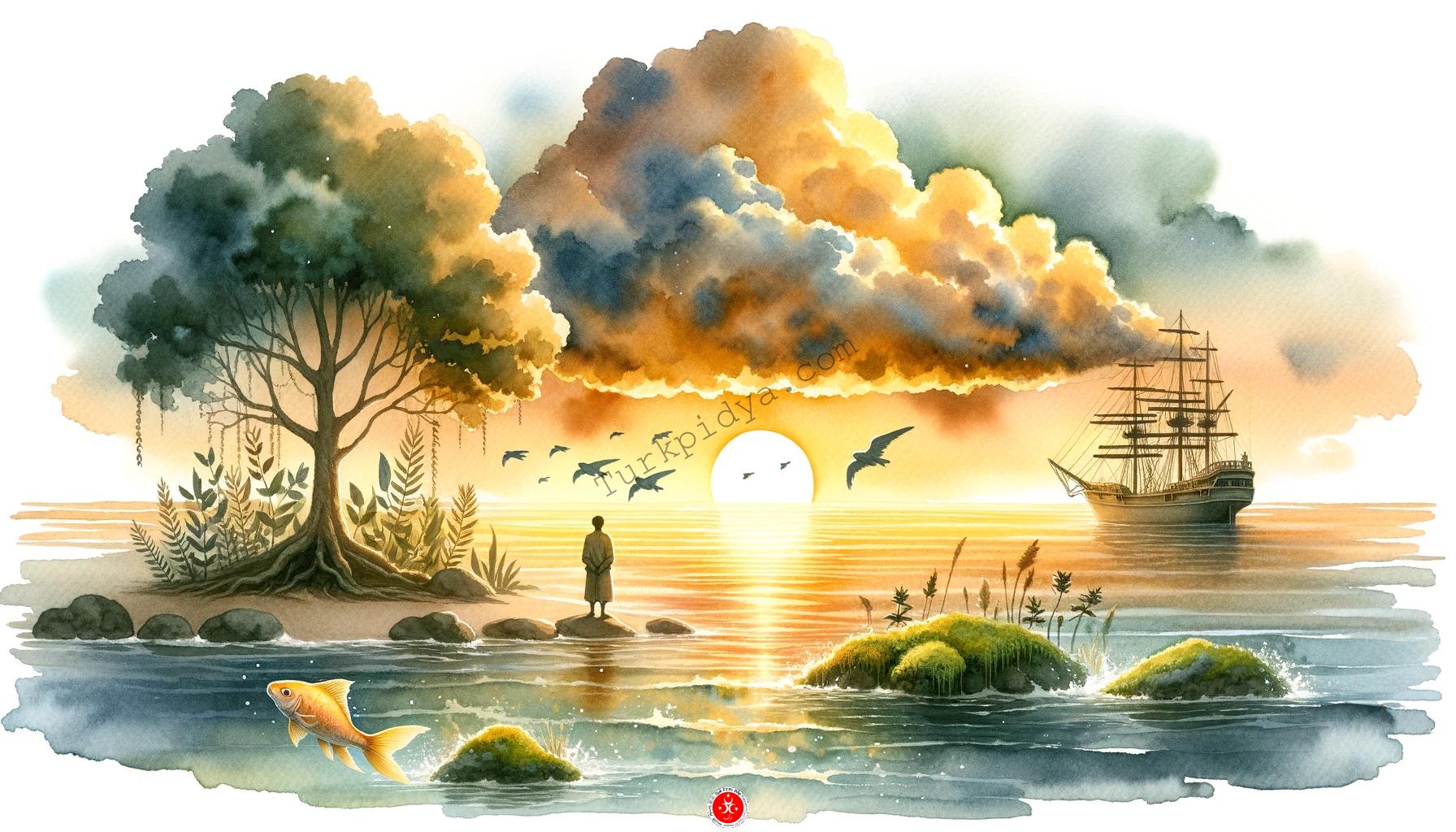
9. Shall I Be a Cloud? (Bulut Mu Olsam)
Above the sea glows a cloud,
on the waves rocks a ship with a silver mirror.
Inside it, a fish of gold,
resting in the dark blue moss.
On the shore stands a man, thinking:
Would I rather be the cloud?
Or the ship that travels?
Would I be the fish, free in the water?
Or the moss breathing in the sea?
No, none of these alone.
I want to be the sea, my son—
with its clouds, ships, and fish,
undivided, vast, and encompassing all.
10. Blue Port (Mavi Liman)
A farewell poem full of melancholy, written when he knew his time was short.
I am exhausted, my captain—hold on.
Let another keep the logbook.
I see the cathedral, I see the blue gate—
but do not bring me back to that place,
for I can no longer step onto the land.
Conclusion: Nazım Hikmet combines tender imagery of love with a sharp social critique and a fearless longing for freedom. His verses carry the heavy burden of exile but simultaneously open wide, bright horizons. Whether he writes about nature or human suffering, his voice remains unforgettable.