The History of the Turkish Gendarmerie: Tradition Meets High-Tech
Table of Contents
When you think of Turkey, you likely picture the bustling streets of Istanbul, where the Police (Polis) maintain order. But the moment you cross the city limits, you enter the jurisdiction of an entirely different power: the Jandarma (Gendarmerie).
Many visitorsand even some localsunderestimate the sheer scale of this institution. The Gendarmerie isn’t just “village police.” It is a paramilitary force responsible for security across 93% of Turkey’s landmass. From counter terrorism operations in the rugged mountains to traffic control along the Aegean coast, Turkey’s security architecture would crumble without the Jandarma.
As of January 2026, the organization has undergone a massive transformation. No longer a rigid relic of the past, it is a high-tech security agency operating under the Ministry of the Interior. Here is a deep dive into its history and its reality today.
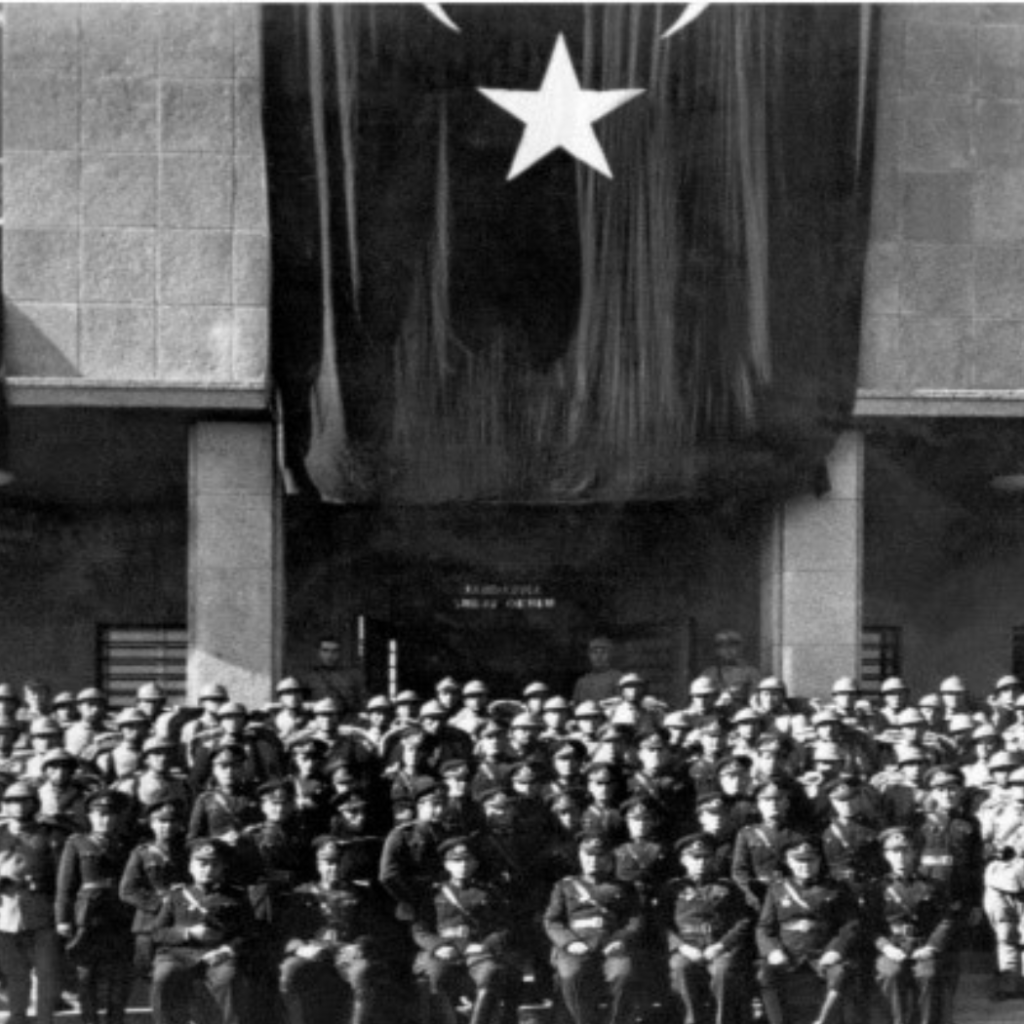
The Status Quo: The Gendarmerie in 2026
Before we open the history books, we must understand where the organization stands right now. Forget the old image of a Gendarme with a simple notepad. The Jandarma of today operates with state-of-the-art drone technology and a massive budget.
The Facts at a Glance (Updated: January 2026):
- Leadership: The General Command is led by General Ali Çardakcı (in office since August 2024).
- Command Structure: Fully attached to the Ministry of the Interior (a significant shift from its former military chain of command).
- Firepower: With a budget exceeding 261 Billion TL for 2025 and approximately 207,000 personnel, it is one of the largest security organizations in the region.
- Technology: The air fleet saw massive expansion in December 2025. Alongside the proven S-70 Black Hawks, the Gendarmerie now heavily relies on the domestic T129 ATAK attack helicopter (the 16th was just delivered) and the T625 Gökbey utility helicopter.
This massive upgrade is essential, as the Gendarmerie is the primary force for counter terrorism in difficult terrain.
Historical Roots: More Than Just “Police”
The roots of the Turkish Gendarmerie run deeper than the modern Republic, stretching directly into the complex administrative system of the Ottoman Empire. It is a story of adaptation.
From “Candar” to Jandarma
Language is often the key to history. The term “Jandarma” may sound French (and was indeed adapted from it in the 19th century), but the concept is inherently Turkish. As far back as the Karakhanid era, there was the title “Candar” (Weapon Bearer)—elite soldiers responsible for the ruler’s safety. Some historians draw a fascinating line here: Was the French “Gendarme” perhaps originally influenced by the Eastern “Candar”? Regardless of etymology, one thing is clear: maintaining order has always been a military task here.
The Birth of the Modern Structure (1839)
The official founding date of the Turkish Gendarmerie is recognized today as June 14, 1839. In 2025, the organization celebrated its 186th anniversary.
Back then, it was known as the Zabtiye. Following the Tanzimat reforms, the Ottoman Empire realized that the old Janissary structures were no longer functional. They needed a disciplined force that could carry central authority to the most remote villages of Anatolia. On February 16, 1846, the “Zaptiye Müşirliği” was foundedthe precursor to today’s General Command.
A Window into History: Jerusalem
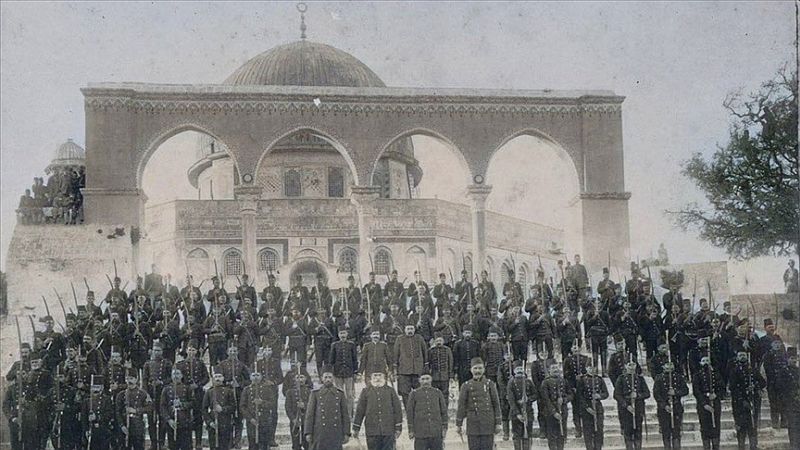
Guardians of the Empire
This rare photo from 1904 shows the Turkish Gendarmerie in “Kudüs ü Şerif” (Jerusalem). With the Dome of the Rock in the background, the officers stand at attention. It is a remarkable testament to the reach this organization once possessed. Much like in Ottoman Jerusalem, the Gendarmerie provided stability in a complex, multicultural environment.
The Republican Era: An Army of Law
With the founding of the Republic of Turkey on October 29, 1923, Mustafa Kemal Atatürk faced a challenge: How do you bring law and order to the wild, inaccessible mountain regions? The answer was the reform of the Gendarmerie.
Law No. 1706 of June 10, 1930, gave the organization its modern legal framework. It became the interface between the civilian population and the military. In many villages, the Gendarme was the sole representative of the state for decadesteacher, judge, and police officer all rolled into one.
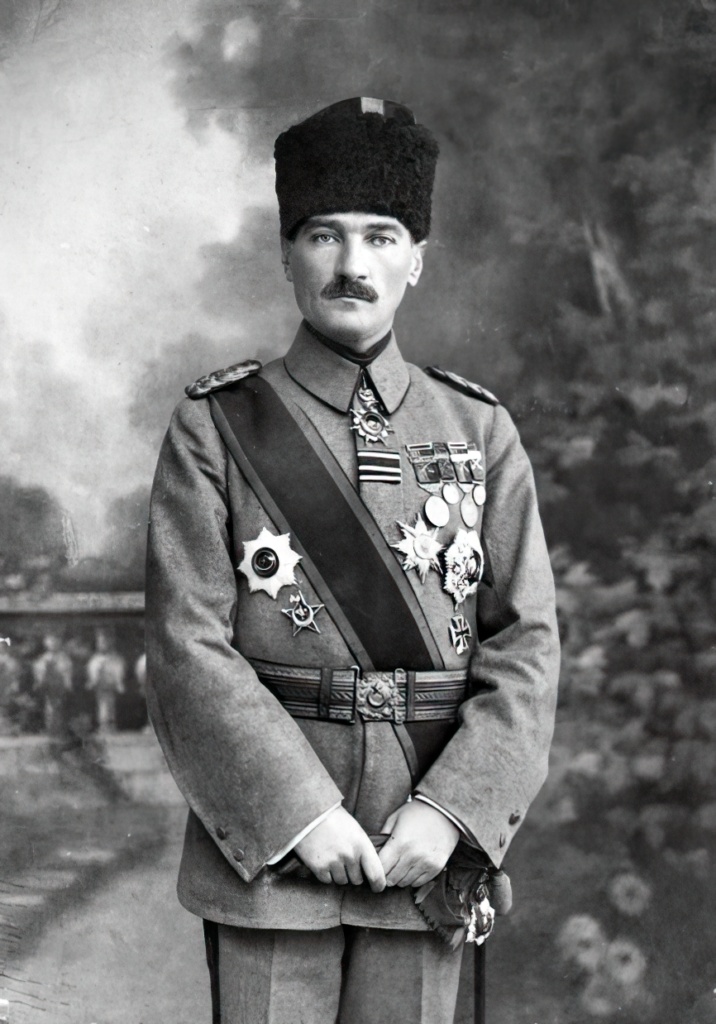
“The Gendarmerie is an ARMY OF LAW, an example of humility and self sacrifice.”
Mustafa Kemal Atatürk
Key Moments of Transformation
The history of the Jandarma is not a straight line, but a series of adaptations to new threats. Here are the turning points that defined the force we see today:
- 1974 (Cyprus Peace Operation): The Gendarmerie proved it was more than just an internal police force. Units like the Nevşehir Gendarmerie Commando participated actively in the operation.
- 1982 (Coastal Protection): A major step toward specialization: Responsibility for maritime borders was transferred to the Coast Guard Command, allowing the Jandarma to focus its full attention on the interior.
- 1984 – Present (Counter Terrorism): This is perhaps the most defining era. In the difficult terrain of Eastern and Southeastern Anatolia, the Jandarma became the spearhead in the fight against terrorism. Elite units like JÖH (Jandarma Special Operations) were born from this necessity, echoing the resilience seen in historical figures like Halide Edip Adıvar during the War of Independence.
- 2016 (The Great Shift): After the coup attempt, everything changed. Decree Law No. 668 fully subordinated the General Command of the Gendarmerie to the Ministry of the Interior. This marked the end of its dual subordination (Army/Interior) and transformed the Jandarma into a pure, yet heavily armed, domestic security force.
Practitioner’s Guide: When Will You Encounter Them?
As a traveler or expat in Turkey, you will often see the Jandarma without realizing their specific function. Here is the practical intel you need:
- Traffic Controls: On intercity roads and highways, the Jandarma Trafik is often responsible for speed checks. If you are driving a car in Turkey, note that their checkpoints are rigorous and professional.
- Documents: If you live in rural areas, the Jandarma is often your point of contact for residency issues, serving as the local authority for administrative matters.
- Wilderness Emergencies: Planning to paraglide or climb mountains? The JAK teams (Jandarma Search and Rescue) are the primary rescue units in these rugged areas.
- Historical Sites: Many of Turkey’s ancient treasures are located in remote areas. Don’t be surprised to see Gendarmerie guarding these sitesthey are protecting the heritage.
The Turkish Gendarmerie in 2026 is a modern hybrid force. It preserves its historical traditions while utilizing drone swarms and modern forensics to secure one of the most geopolitically challenging regions in the world.