The Enderun School: Inside the Ottoman Empire’s Secret Leadership Factory
Table of Contents
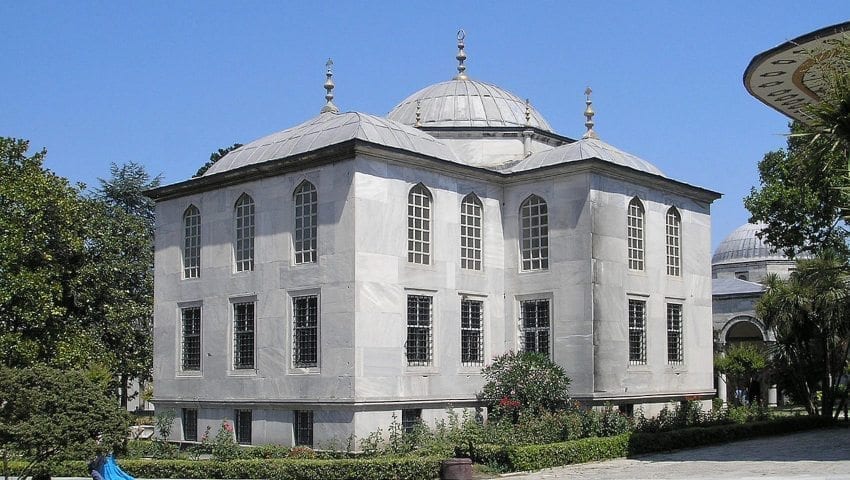
Hidden away in the third courtyard of Topkapi Palace, shielded from the chaos of the city, operated one of the most efficient talent incubators in human history: the Enderun School (Ottoman: Enderûn Mektebi). While European monarchies were suffocating under the rule of hereditary nobility, the Ottomans were perfecting a ruthless machine of meritocracy.
This was not just a school. It was a high stakes corporate leadership program where the son of a simple shepherd could rise to become the second most powerful man in a global empire. But the cost of admission was high: absolute discipline, total isolation, and a life dedicated entirely to the Sultan. We are going deep into the heart of Topkapi Palace to analyze how this “Harvard of the East” formed the backbone of a 600-year reign.

The Origins: Designing a Classless Elite
The Enderun School (from Persian for “The Interior”) was no accident. Historians often debate whether it was founded by Sultan Murad II or fully institutionalized under Sultan Mehmed the Conqueror. The reality is likely a mix of both: Murad II laid the foundations in Edirne, but Mehmed the Conqueror turned it into the formidable instrument of power within Topkapi Palace that we recognize today.
The objective was radically pragmatic: Create an administrative elite with zero ties to rival aristocratic families. The solution was the Devshirme system. Gifted Christian boys were recruited from the furthest corners of the empirefrom the Balkans to Anatoliaconverted to Islam, and educated within the palace. Legally, they were “subjects” of the Sultan, but functionally, they held the keys to the empire.
The Turning Point: Originally, the school was strictly reserved for non Muslims (Devshirme). It wasn’t until the reign of Sultan Suleiman the Magnificent that the gates began to open for Turkish Muslim children, a shift that would fundamentally alter the institution’s character over time.
The Curriculum: A Survival Guide for Statesmen
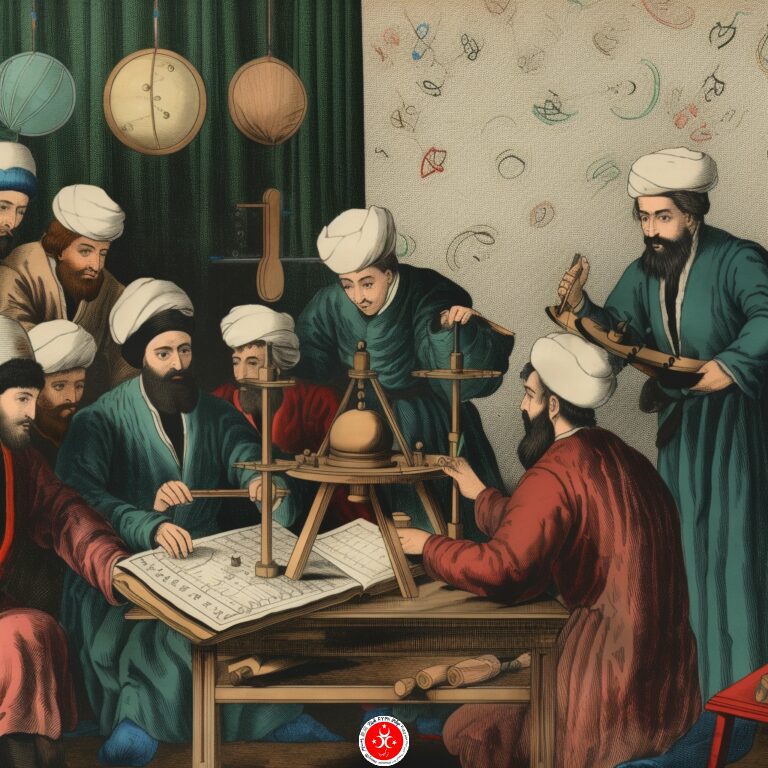
Students at Enderun weren’t just studying for grades; they were studying for survival at the pinnacle of the state. The curriculum was a brutal mix of religious doctrine, intellectual rigor, and physical conditioning. It makes modern MBA programs look like a vacation.
1. The Humanities
Education was the key to diplomacy. A graduate had to be fluent in Arabic (for religion and law), Persian (for literature and court culture), and Ottoman Turkish (for administration). The syllabus included:
- Theology: Quranic exegesis (Tafsir), Hadith, and Islamic law (Sharia).
- Literature: Studying the great poets like Yunus Emre and the Persian classics.
- Statecraft: Bureaucracy, protocol, and diplomatic etiquette.
2. The Hard Sciences
A governor needed to understand math to levy taxes and geometry to build fortifications. Therefore, mathematics, geography, logic, and astronomy were taught intensively. This wasn’t abstract theory; it was applied knowledge for managing a massive empire. Just as modern logistics require precisionlike understanding the Turkish address format to ensure deliveryOttoman administrators had to master the flow of resources across three continents.
3. Art and Craftsmanship
Every student was required to master a craft. This was not merely a hobby; it was about character building and patience. From calligraphy to music and intricate ceramic arts, fostering creativity was considered essential for a balanced mind.
4. Physical Resilience
The Ottoman statesman was also a warrior. Archery, horseback riding, javelin throwing (Jereed), and wrestling were part of the daily routine. If you couldn’t master your own body, you couldn’t be trusted to lead an army.

The Scorecard: A Factory for Leaders
Did the system actually work? The numbers speak for themselves. Enderun was not just an educational facility; it was the engine of the state. Historical analysis shows an impressive track record:
- 79 Grand Viziers: The “Prime Ministers” of the empire predominantly came from this system.
- 36 Kapudan Pashas: These Grand Admirals commanded the Ottoman navy, utilizing their engineering and strategic training to build massive fleets in Turkish shipyards that rivaled Venice.
- 3 Sheikh ul Islams: The highest religious authorities.
In addition to these, countless finance ministers (Defterdar), provincial governors, and Janissary commanders graduated from these halls. Cultural icons also emerged from this ecosystem, including architects like Mimar Sinanwho, although starting as a Janissary, was deeply intertwined with the palace system.
Daily Life: The Golden Cage
Life in Enderun was strictly regimented. The day often began two hours before sunrise. After ritual ablutions and prayers for the welfare of the state, a rigid schedule commenced.
The Principle of Silence: One of the most fascinating rules was the code of silence. In many areas of the palace, speaking aloud was forbidden; students and staff communicated via sign language to maintain the dignity of the location. Spitting on the ground or sneezing without discretion could result in severe punishment. Hygiene and etiquette were valued almost as highly as intelligence.
The selection process was ruthless. There was no “social promotion.” Those who failed to meet the high standards of the twelve examination levels were honorably discharged, often transferred to the military cavalry (Sipahi). Only the absolute best remained until the end. In many ways, the vetting process was more intense than starting a company in Turkey todayyou had to prove your value every single day or be cut from the program.

The End of an Era
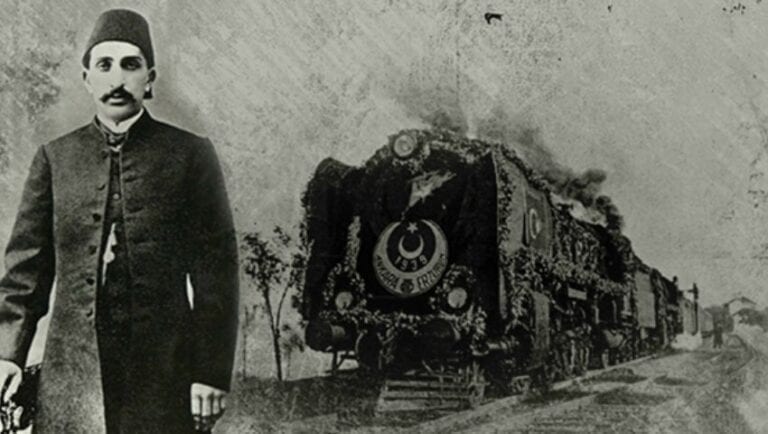
Nothing lasts forever. As the Ottoman Empire declined, Enderun lost its luster. Nepotism and corruption crept in, softening the once ironclad selection process. After more than four and a half centuries, the school was finally closed in 1909, following the political upheavals of the Second Constitutional Era and the deposition of Sultan Abdulhamid II.
Yet, the legacy remains. The Enderun School stands as a fascinating historical experiment: proof that a system based on merit and rigorous education can shape the destiny of an entire empire.