Diving in Turkey: The 2026 Diver’s Guide (Costs & Hidden Spots)
Table of Contents
Forget the crowded bazaars and the endless all-inclusive buffets for a second. The real adventure in Turkey happens below the waterline. While most divers automatically look to the Red Sea for their fix, Turkey offers something that colorful coral alone cannot compete with: You aren’t just swimming here; you are diving through a living museum.
From fields of ancient amphorae to downed WWII fighter planes, the Turkish Riviera is the exact intersection of history and Mediterranean ecology. But let’s be real: the days of dirt cheap diving are over, and the regulations protecting archaeological sites are stricter than ever. This guide cuts through the noise to get you ready for the 2026 season.
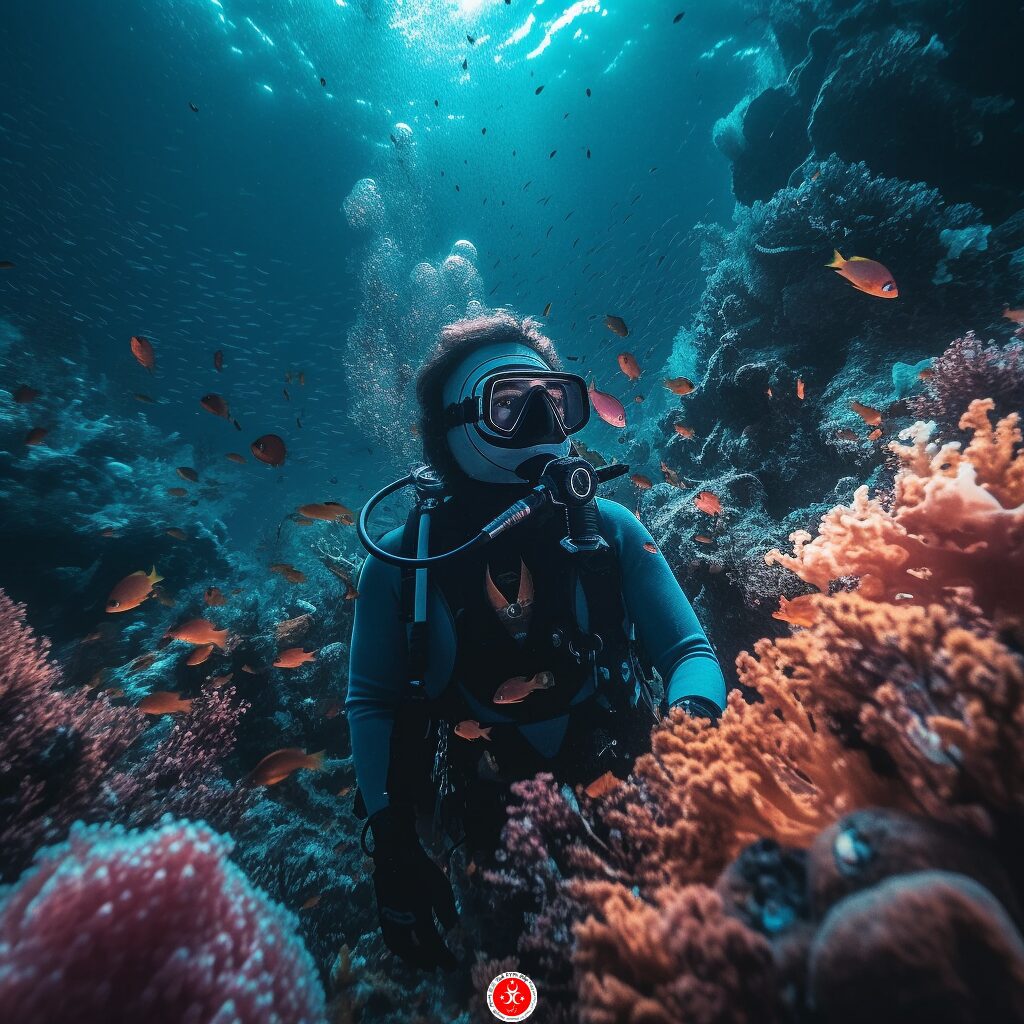
Why Turkey? The Practitioner’s Reality Check
If you arrive expecting the neon colored soft corals of Egypt, you might leave disappointed. But if you are chasing crystal clear visibility, dramatic topography, and tangible history, Turkey is unbeatable.
More Than Just Fish: Archaeological Diving
Turkey’s strategic location has paved the seafloor with shipwrecks spanning millennia. You will find everything from Roman trading vessels to modern military wrecks. It is effectively a playground for wreck divers who want more than just a rusty hull; they want a story.
The Ecosystem: Quality Over Quantity
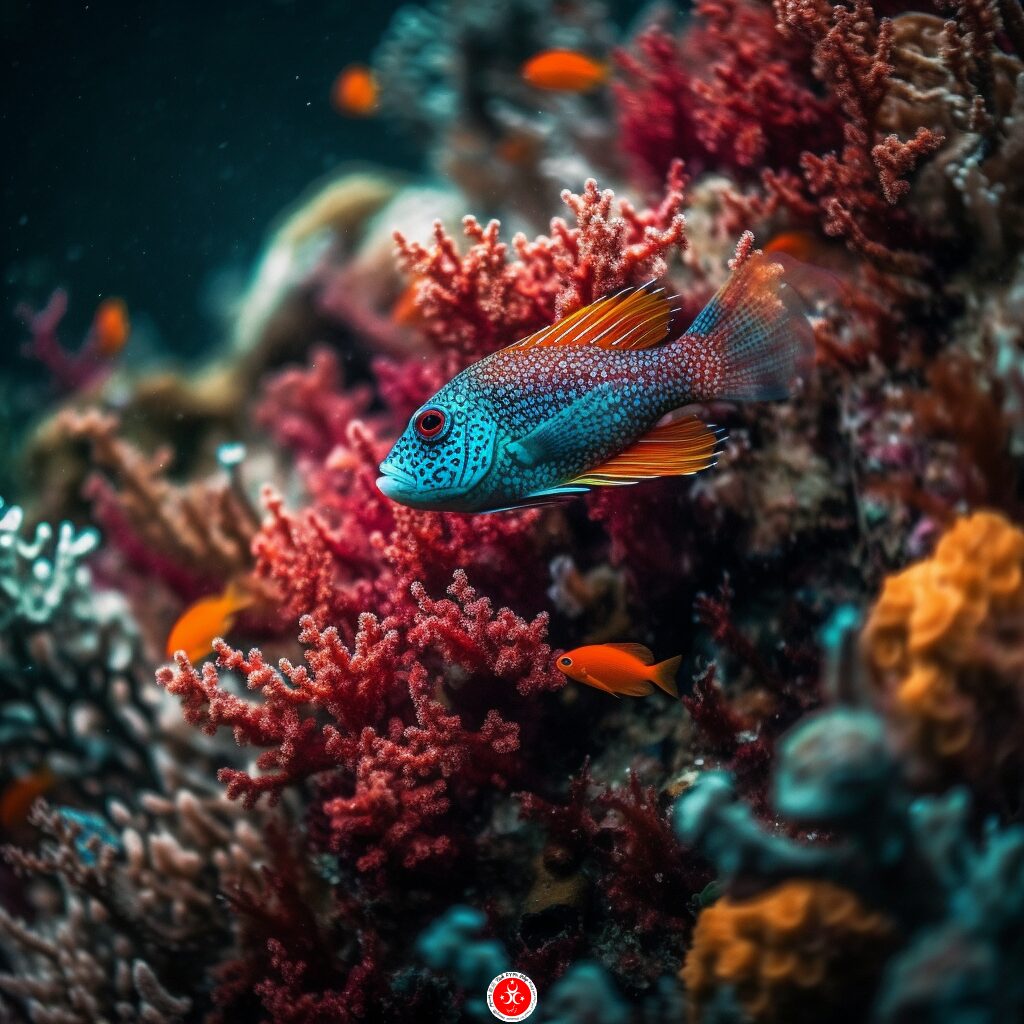
Don’t expect an aquarium dense “fish soup,” but do expect encounters with character. The local celebrities are the massive Groupers, which are often surprisingly curious, and the protected Caretta Caretta (Loggerhead) sea turtles. The real magic, however, hides in the cracks: moray eels and octopus tucked into the many caves and tunnels. The beauty here is in the details and the incredible light play against the rocky underwater landscapes.
The Truth About Prices (Late 2025 Update)
Turkey has been battling significant inflation, and the diving industry hasn’t been spared. Those legendary $30 full day trips are history. Here is the reality for your travel budget:
For the 2025/2026 season, here is what you should budget for a Daily Package (two dives incl. lunch):
- Standard Price Range: 2,000 TL to 2,500 TL (approx. €40–€60).
- Kemer/Antalya Entry Level: You might find deals starting from 1,000 TL, but these often exclude transfers or food. Read the fine print.
- Night Dives: Budget around 2,000 TL to 2,500 TL ($60–$75 USD) per session.
- Currency Tip: With the exchange rate hovering around 1 USD = 42.71 TL (December 2025), the Lira can be volatile. Before you lose connectivity trying to convert currencies, know that many dive centers now price directly in Euro to stay stable. Always ask for the Lira price if you want to take advantage of favorable fluctuations.
Established local operators like the Dolphin Dive Center in Alanya or Scuba Side in Sorgun are fully operational. Looking to upgrade your skills? An Advanced Open Water course now sits around the €300 mark.
The Best Spots: Where to Drop In
Kaş: The Undisputed King
Kaş is the heart and soul of Turkish diving. The visibility is phenomenal, often exceeding 30 meters. Since Kaş is a major stop on the famous Lycian Way hiking route, it attracts a crowd that appreciates nature above water and below.
Crucial Update on the Sunken City of Kekova: Diving directly inside the sunken ruins is strictly prohibited to protect the heritage. However, there are 32 permitted dive sites in the immediate vicinity that are spectacular.
- The Canyon: A dramatic gorge dropping deep between two massive rock walls. A bucket list dive for experienced divers.
- Dakota (C-47) Wreck: A transport aircraft intentionally sunk to create an artificial reef. It’s ghostly, photogenic, and teeming with life.

Antalya & Side: Ideal for Beginners
If you are stationed at a resort, you don’t need to travel far. The infrastructure here is excellent, catering to families and first timers.
- Three Islands (Üç Adalar): Located off Tekirova, this is a top regional spot. Keep your eyes peeled for rays and schools of barracuda.
- Side Underwater Museum: Unique in Europe, this site features massive submerged sculptures depicting Anatolian culture. It is an absolute must for underwater photographers.
Bodrum & Fethiye: Aegean Flair
Bodrum boasts the “Big Reef,” an underwater mountain rich in marine biodiversity. Over in Fethiyealso famous for its world-class paragliding spots—the Afkule Wall is legendary. Covered in soft corals, this drop off offers vertigo inducing visibility.

Best Time to Go & Conditions
When should you book? The sweet spot is May through October. If you have flexibility, aim for September or October. The summer crowds have vanished, but the water retains its warmth.
The Hard Facts (December 2025 Status):
- Water Temp: Around 16°C in winter; peaking at 28-30°C on the south coast in high summer.
- Visibility: Frequently 30+ meters, especially during the autumn months.
Safety & Rules: Don’t Get Arrested
The Turkish Underwater Sports Federation (TSSF) does not mess around. Following the October 2025 regulatory updates, license checks are rigorous.
- Certification: Bring your physical or digital PADI, SSI, or CMAS card. No card, no dive.
- Military Zones: Respect the red zones on the map. Diving in a military restricted area can lead to immediate arrest and confiscation of your gear.
- Equipment: Rental gear is generally high quality, but bringing your own mask and regulator always ensures a more comfortable dive.
The Verdict
Diving in Turkey is no longer the “cheap alternative” it was a decade ago, but it still offers excellent value for money. You get world-class visibility, professional safety standards, and a deep dive into history. Pack your gearthe Mediterranean is waiting.
Frequently Asked Questions (FAQ)
- Can beginners dive in Turkey?
Absolutely. Many centers specialize in “Discovery Dives.” The bays are typically calm with no strong currents, making it perfect for learning. - Is diving allowed at the Kekova Sunken City?
No. Diving and swimming directly over the ruins is prohibited. Boats will cruise slowly for viewing, but diving is restricted to the surrounding bays. - How much is a diving course in 2026?
Expect to pay between €350 and €400 for a full Open Water Diver course, which usually includes all equipment and certification fees.