
Car Rental in Turkey: 2026 Guide to Prices, Rules & Tips
Table of Contents
A rental car in Turkey is more than just a means of transportation it’s your golden ticket to a world beyond all-inclusive resorts. While buses and domestic flights can reliably get you from point A to point B, Turkey’s true treasures like the hidden bays of the Aegean or ancient ruins tucked away in the hinterland often remain out of reach unless you are behind the wheel yourself.
However, driving in Turkey is quite different from driving in the UK, US, or mainland Europe. From complex toll systems to a more “dynamic” local driving culture, there are a few hurdles to clear. In this guide, you won’t just learn about the 2025 prices and legal requirements, but you’ll also get field tested tips to ensure you reach your destination safely and stress free.

Why Renting a Car is Worth It
Turkey is massive over 780,000 square kilometers are waiting to be explored. While public transport is affordable, it can be time consuming. With your own vehicle, you dictate the pace. Whether you want to navigate the winding roads of the Black Sea coast or take a spontaneous detour to one of the best beaches in Istanbul, a car provides the ultimate flexibility.
A word of warning for Istanbul: If your primary goal is staying within the Istanbul city center, skip the car. Traffic is incredibly dense and parking is a nightmare. Rent your vehicle only when you are ready to leave the city to explore the countryside or other regions like the stunning Cappadocia valleys.
Requirements: Driver’s License and Documents
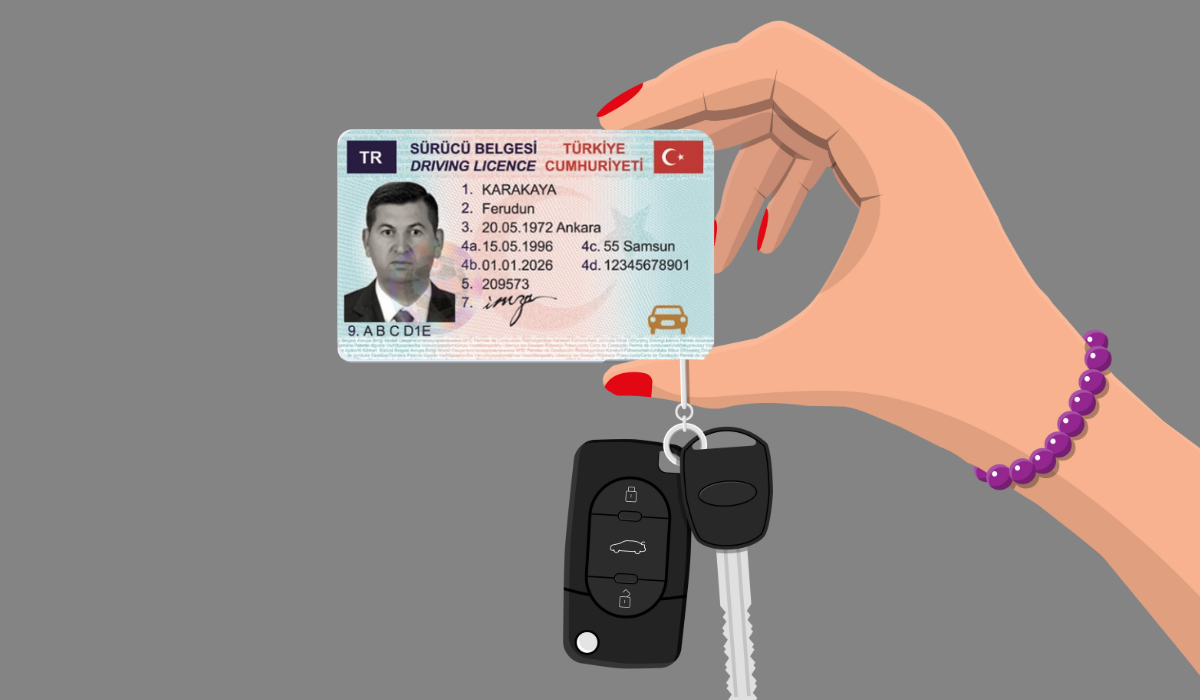
The bureaucracy is surprisingly straightforward for tourists, provided you keep an eye on the calendar:
- Tourists (up to 6 months): You can use your foreign driver’s license (e. g., from the US, UK, Canada, or EU) without issue. It must be printed in the Latin alphabet and include a photo.
- Stay exceeding 6 months: If you stay in the country for more than half a year, you must convert your license to a Turkish one. This is a crucial step for expats.
- Minimum Age: Most rental agencies require drivers to be at least 21 for economy cars. For mid range or luxury vehicles, the limit is often 25 or 27. Younger drivers are frequently hit with a “young driver fee.”
Always ensure you have your passport and a credit card in the primary driver’s name. Most major rental companies will not accept debit cards for the security deposit.
Booking Your Rental: Where and How?
Online Booking (Highly Recommended)
It is essential to book your vehicle before you arrive. Especially during peak season (July/August), on-site prices can double and availability becomes scarce. Platforms like Rentalcars or QEEQ offer the best comparisons.
At the Airport
You will find the desks of major providers right after baggage claim at all international airports (Istanbul IST, Sabiha Gökçen SAW, Antalya, Izmir, Ankara). However, be prepared for “walk in” rates to be significantly higher than online bookings.
Recommended Providers
- Rentalcars: Ideal for comparing prices. They aggregate deals from global brands like Avis, Hertz, and Sixt, alongside local companies like Cizgi Rent a Car.
- QEEQ: A rapidly growing platform often featuring exclusive discounts and “Price Drop Protection.”
- Avis & Sixt: If you prioritize late model vehicles and premium service, these international brands are often more reliable than small local shops, though they come at a higher price point.
Costs: What Prices Should You Expect?
Prices fluctuate heavily based on the season. Here is a realistic estimate for 2025:
- Off Season (Winter/Spring): Compact cars can be found for as little as $25–$35 per day.
- Peak Season (Summer): Expect to pay $55–$90 per day for a standard car. Book months in advance to lock in these rates.
- Security Deposit: Expect between 1,500 and 5,000 TL (approx. $45–$150) to be blocked on your credit card.
For context, while high-end electronics like the iPhone 16 in Turkey are notoriously expensive due to taxes, services like car rentals remain relatively affordable compared to European or American standards.
Traffic Rules and “Street Smarts”
Speed Limits
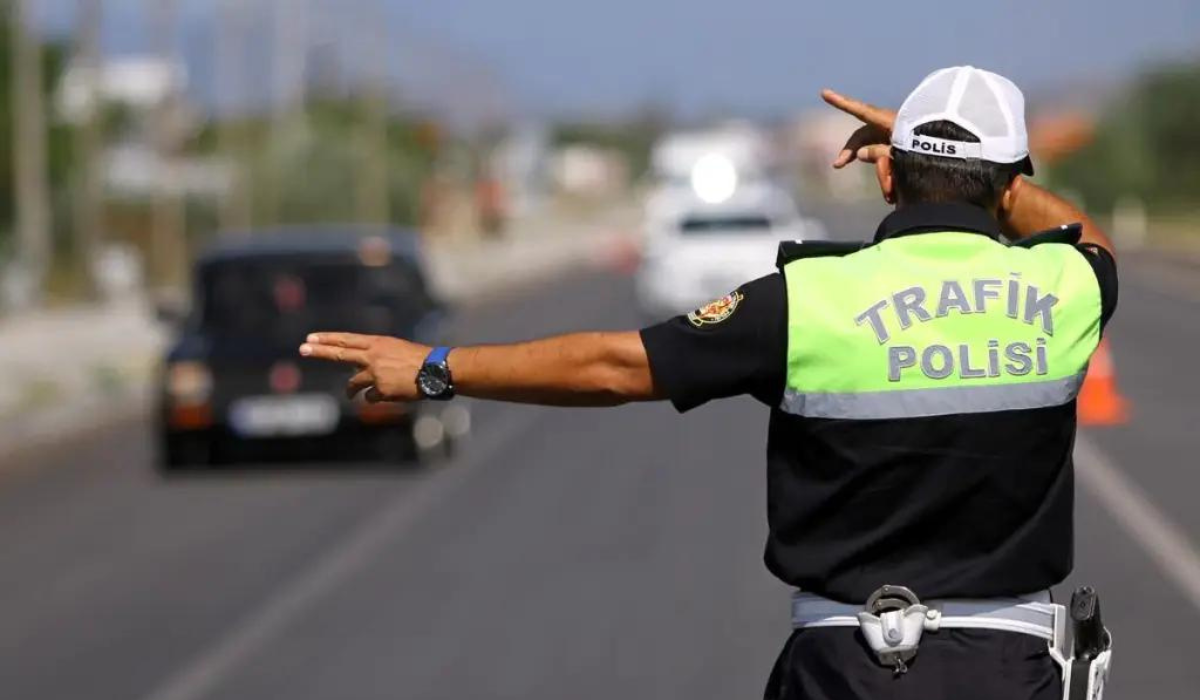
The Turkish police frequently use radar traps. Stick to the limits, as fines are logged digitally and settled when you return the car.
- Urban Areas: 50 km/h (often 30 or 40 km/h in residential zones)
- Rural Roads: 90 km/h (up to 110 km/h on dual carriageways)
- Motorways (Otoyol): 120 km/h (on newer routes like Istanbul Izmir, limits can be 130 km/h or 140 km/h — watch the signs!)
The HGS Toll System (Crucial!)
This is the most important takeaway for visitors: There is no cash payment at motorway toll booths in Turkey. The system is fully automated via an electronic chip on the windshield known as HGS (Hızlı Geçiş Sistemi).
How it works: Drive slowly through the toll gates (don’t stop!). The chip is scanned automatically. Your rental car should already have this chip. When picking up the car, always ask: “Does the car have HGS?” (HGS var mı?). Any toll fees incurred will be deducted from your deposit at the end of the rental period.
What to Do in Case of an Accident
In the event of an accident even for minor scratches you must call the police to obtain an official report for insurance purposes. Without a police report (“Kaza Raporu”), many rental agencies will void your insurance coverage.
In an emergency, dial 112. This number connects you to the police, ambulance, and fire services. If you require medical assistance, you can find more information in our guides to hospitals in Istanbul or Ankara.
Insurance: What Do You Really Need?
Basic Collision Damage Waiver (CDW) is usually included but often comes with high deductibles. Check if glass, tires, and headlights are covered stone chips are common on rural Turkish roads. Opting for “Super Cover” directly from the rental agency can make your trip more relaxing and reduce the required security deposit.
Practical Driving Tips
- Fueling Up: Gas stations in Turkey are excellent. There are almost always attendants who pump the gas for you. Just say “Full” or the amount in Lira.
- Drunk Driving: The legal limit is 0.05% (0.5 promille) for private vehicles. However, it is best not to drink at all if you plan to drive, as enforcement is very strict.
- Driving Style: Expect the unexpected. Indicators are often ignored, and the horn is used more for communication (“I’m passing now”) than as a warning. Drive defensively.
Conclusion
Renting a car in Turkey is safe and simple if you understand the HGS system and practice defensive driving. it opens the door to a side of Turkey that most tourists never see. Whether you are planning to relocate or just exploring the coast for two weeks: Have a safe trip and İyi Yolculuklar!