
Traveling with Pets in Turkey: Rules, Flights & Entry Guide (2026)
Table of Contents
Traveling with pets is rarely just about logistics; it’s about keeping your family together. However, if you are planning to bring your dog or cat to Turkey, you are walking into a bureaucratic maze. A single error in your paperwork doesn’t just mean a fine; it can mean your pet is left behind at the departure gate.
The Critical Warning: Turkey enforces incredibly strict entry requirements, specifically regarding the Rabies Antibody Titration Test. Ignore old forum posts from 2023. Here is the reality for travelers heading into 2026.
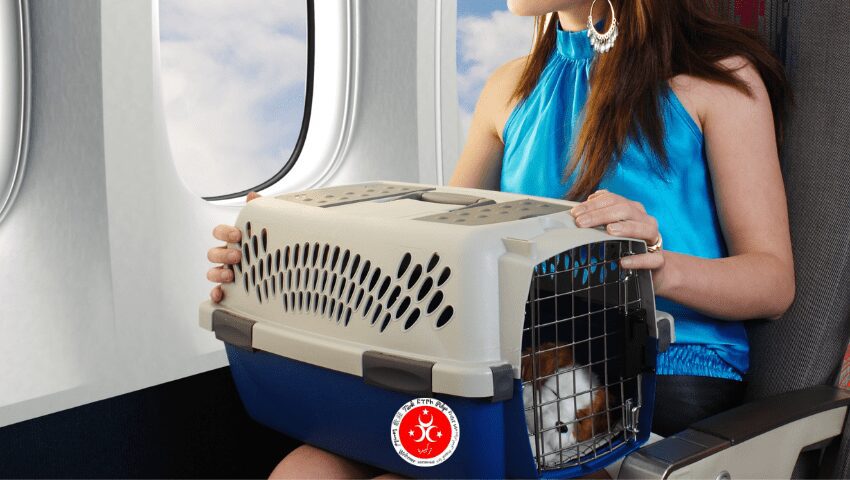
Entry Requirements: The Non Negotiables
Before you even look at flight tickets, your documentation must be bulletproof. Turkish customs officers are thorough. Here is the mandatory checklist for dogs and cats:
- Microchip: Your pet must have an ISO compliant microchip (Standard 11784/11785).
- Rabies Vaccination: This must be administered at least 30 days before entry and cannot be older than 12 months.
- Rabies Antibody Titer Test (The Trap): This is where most travelers fail. You need a blood test from an EU approved laboratory proving sufficient antibody levels (minimum 0.5 IU/ml). Crucial Timing: The blood sample must be taken at least 30 days after the vaccination, and you must then wait a mandatory 90 days from the blood draw date before entering Turkey. You should plan this process at least 4 to 5 months in advance.
- Health Certificate: An official veterinary health certificate issued within 48 to 72 hours prior to travel. This timeframe is tight, so coordinate with your vet closely. If you need documents legalized for residency later, check our guide on legalization of foreign documents in Turkey.
- Pet Passport: An EU Pet Passport (or equivalent official document) listing all vaccinations.
Banned Breeds: Turkey has strict regulations prohibiting specific breeds. This list often includes Pitbull Terriers, Dogo Argentinos, Fila Brasileiros, and Japanese Tosas. American Staffordshire Terriers also face frequent rejections or severe restrictions. Always verify the current list with the Turkish Consulate before travel.
Flying with Pets: Turkish Airlines & Pegasus
Airlines have strict “quotas” per flight. Only a handful of animals are allowed in the cabin. Never book your seat without simultaneously confirming space for your pet.
Turkish Airlines (THY) and AJet
Turkish Airlines (and its subsidiary AJet) operates with precise rules:
- In Cabin (PETC): The pet, including the carrier/bag, must weigh a maximum of 8 kg. The carrier dimensions must not exceed 23x30x40 cm.
- In Cargo (AVIH): Anything over 8 kg goes to the hold. The crate must be a sturdy hard shell container, large enough for the animal to stand and turn around comfortably.
- Costs: Fees depend on weight and route. Domestic flights start around 300 TRY (expect inflation adjustments), while international fees generally start from $70-150 USD.
- Booking: Reservations must be made at least 6 hours before departure, but we strongly advise handling this at the moment of ticket purchase.
Pegasus Airlines
Pegasus is budget-friendly but known for rigorous weight checks.
- Cabin: Maximum 8 kg including the bag. Dimensions: approx. 55x32x32 cm.
- Pricing: Expect domestic cabin fees around 450 TRY and cargo fees between 650-700 TRY (prices subject to change). International routes are significantly higher.
- Note on Kangals: The famous Turkish Kangal dogs are generally only transported up to 6 months of age.
Practitioner Tips for the Flight
- No Sedatives: The IATA and most vets advise against sedating pets. The combination of altitude pressure and medication can cause fatal circulatory issues.
- Crate Training: Start getting your pet used to the crate weeks in advance. It should feel like a safe den, not a prison cell.
- The Ice Trick: Attach a frozen water bowl to the crate door for cargo travel. The ice melts slowly, allowing your pet to hydrate without the water spilling during the chaotic loading process.
Bus Travel: A Logistics Headache
While intercity buses are the backbone of Turkish transport, they are notoriously difficult for pet owners. Officially, small pets in carriers have been allowed in the cabin since 2020 if they don’t disturb others. In reality? The driver and other passengers often have veto power.
Large dogs are almost exclusively relegated to the luggage hold. We strongly advise against this. Ventilation and temperature control in the luggage compartment are unreliable and can be dangerous. If you must use a bus, ask the bus company about its rules for pets before you buy the ticket; they differ from one company to the next. Sometimes, renting a car is the safer option. Check our guide on Notary Public in Turkey if you need to authorize someone else to drive your vehicle.
Train Travel (TCDD)
The Turkish State Railways (TCDD), including the High-Speed Trains (YHT), offer a decent alternative, but primarily for small animals.
- Small Pets: Cats, small dogs, and birds can travel in a carrier, provided the carrier fits on your lap or the luggage rack.
- Tickets: You will often need to buy a discounted ticket for the pet (usually 50% off standard fare or 15%, depending on the train type).
- Restrictions: Pets are generally not allowed in sleeping or couchette wagons. Large dogs are also typically banned from the high-speed YHT lines.
Istanbul Ferries: The Pet-Friendly Choice
Istanbul is a city that worships cats and dogs, and its ferry system reflects that. The ferries are surprisingly relaxed, provided you know the etiquette. For a broader look at getting around, check our guide on transport in Istanbul.
City Lines (Şehir Hatları)
On the classic slow ferries crossing the Bosphorus:
- Small Pets (in carriers): Allowed in passenger salons.
- Dogs over 5 kg: Are not allowed in the enclosed indoor salons. However, they are welcome on the outdoor decks if kept on a short leash and wearing a muzzle. While you may see locals skipping the muzzle, it is technically mandatory—always have one in your bag to avoid being denied boarding.
Fast Ferries (IDO)
On the faster IDO intercity ferries (e. g., to Bursa or Yalova), rules tighten up:
- In Salon: Only small pets in carriers (max 8 kg, box max 23x40x55 cm).
- Large Dogs: Often prohibited from passenger areas entirely. On car ferries, they may be required to stay inside your vehicle or in specific kennels on deck, which can be stressful for the animal.
Conclusion: Planning is Everything
Turkey is incredibly pet-friendly culturally, but border bureaucracy is unforgiving. The secret to a stress free trip lies in the Titer Test (do it early!) and securing your airline reservation immediately. Once you clear those hurdles, enjoying a sunset walk by the Bosphorus with your four legged friend is well worth the effort.
Can I travel to Turkey with my pet?
Yes, it is possible. The most critical requirements are a valid Rabies Titer Test, a microchip, and a health certificate issued within 48-72 hours of travel.
Which dog breeds are banned in Turkey?
Importing Pitbull Terriers, Dogo Argentinos, Fila Brasileiros, and Japanese Tosas is generally prohibited. Always check the latest list with the Turkish consulate before travel.