Shopping in Edirne: The Ultimate 2026 Survival Guide | Prices & Markets
Table of Contents
Edirne is no longer just a historic pitstop on the road to Istanbul. With the exchange rate soaring past 50 TL to the Euro (as of December 2025), this border city has evolved into a strategic economic hub for visitors from Bulgaria and Central Europe. If you play your cards right, stocking your trunk here doesn’t just save you pocket changeit can finance your entire trip.
But the days of blind spending are over. Inflation and the exchange rate are in a constant tug of-war. In this guide, we’re cutting through the tourist marketing to focus on the cold hard facts: Where do you actually save money? Which pharmacy finds are worth the queue? and how do you dodge the new hidden fees?
Logistics & Arrival: What You Need to Know
Before you spend your first Lira, we need to talk logistics. The rules have shifted, and relying on outdated forum posts from 2023 will cost you time at the border.
Border Crossing Without the Bureaucracy
Forget the old pandemic era restrictions. Since late 2022, there are no vaccine or test requirements. For Bulgarian citizens, a simple ID card suffices for entry (up to 90 days). It’s straightforward: Show ID, get your stamp (or registration slip), and you’re in.
Myth Buster: The ‘Old Car’ Rule. There is a persistent rumor that cars older than 20 years are banned from entering. This is false. For tourists, there is no age limit on vehicles. As long as you satisfy the “185-Day Rule” (you must have lived outside Turkey for at least 185 days in the last year), your vintage ride can cross the border just fine. For more details on vehicle regulations, check our guide on foreign vehicles and automotive rules in Turkey.
Getting Around: 2025 Taxi Fares
Practitioner Tip: Leave your car at the hotel or the mall parking lot. The city center traffic is chaotic, and parking spots are as rare as a quiet day at the Grand Bazaar. Taxis are the smarter choice, though prices have adjusted to the new economic reality.
Current Tariffs (December 2025):
- Opening Fee (Açılış): 50.00 TL
- Per Kilometer: 32.00 TL
- Minimum Fare (Indi Bindi): 120.00 TL
This means even for a short hop, you will pay a minimum of 120 TL (approx. €2.40). Compared to Western Europe, it’s still affordable, but don’t expect the “practically free” rides of the past. If you are planning a longer stay or need to navigate across cities, understanding transportation costs and options is crucial.
The Markets: Timing is Everything
Many travel guides confuse the market days. Here is the definitive schedule for late 2025. Plan your attack strategically:
| Market | Day of Week | Focus | Location |
|---|---|---|---|
| Ulus Market (High Society Market) | Friday | Clothing, Textiles, Curtains | Central, near Migros |
| Blue Market (Saturday Market) | Wednesday & Saturday | Fresh Produce, Foodstuffs | 1. Murat District (Renovated) |
| Fish Market | Daily | Fresh Seafood | Side street off Saraçlar Ave. |
Insider Tip: The Friday Ulus Market is an endurance sport. It is incredibly crowded. If you hate jostling with thousands of people, skip it and head to the fixed bazaars instead. While you’re there, look out for local textile brands; the prices are often negotiable, but don’t expect miraclesvendors track the Euro rate religiously.
Shopping Malls: The Modern Alternatives
If it rains or you prefer fixed price tags, the malls are your sanctuary. Both major centers are open daily from 10:00 AM to 10:00 PM.
1. Margi Outlet
This is an open air concept mall. It can get drafty in the winter, but the selection is solid. You’ll find the famous U. S. Polo Assn. outlet here. The price gap is massive: A polo shirt often costs between 1,000 and 2,000 TL (approx. €20-40). In Bulgaria or Western Europe, you would easily pay double or triple for the same item.
2. Erasta Edirne AVM
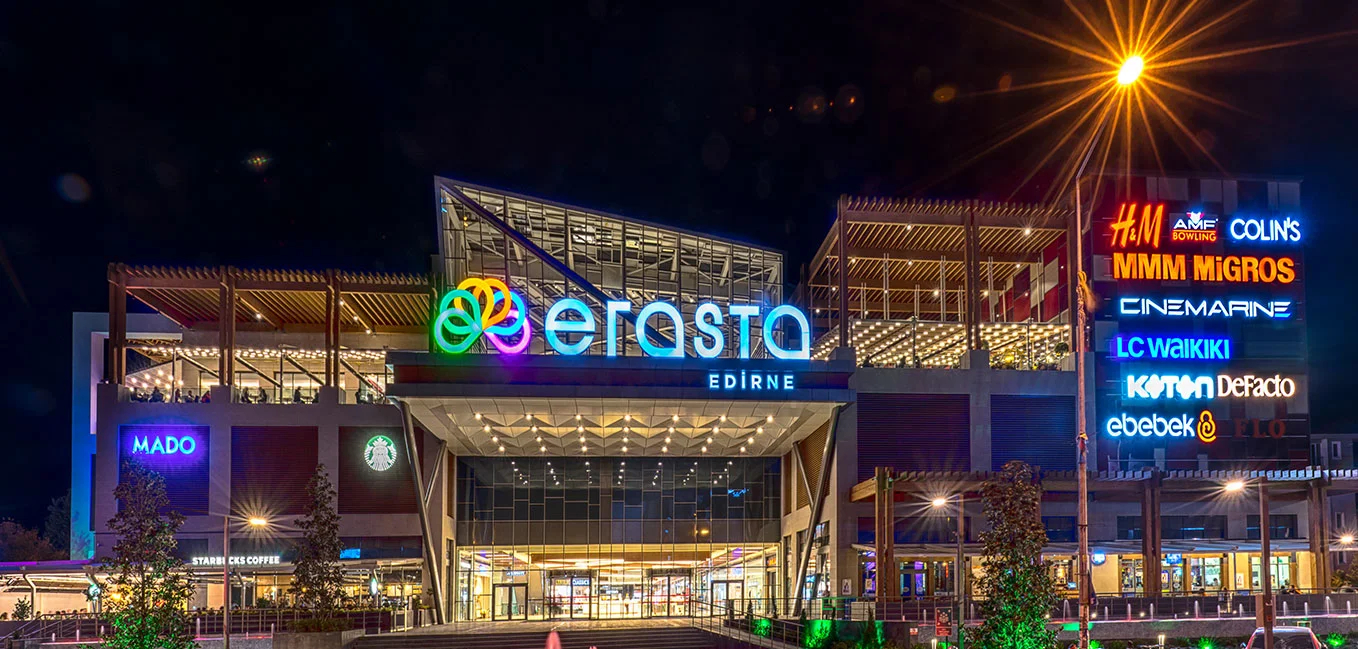
The city’s most modern center. Here you’ll find international chains like H&M and Starbucks alongside quality Turkish home goods. A massive 5M Migros supermarket covers all your grocery needs. If you are into fashion, this is also a great spot to hunt for high-quality Turkish denim brands.
Pharmacy Tourism: What to Buy in 2026?
Medication is one of the primary drivers of cross border traffic. Prices are state regulated, meaning that despite inflation, they remain significantly cheaper than in the EU. Here is a price check on common staples (December 2025):
- Arveles 25 mg (Painkiller/Dexketoprofen): approx. 103.89 TL (An absolute bestseller).
- Parol 500 mg (Paracetamol): approx. 76.09 TL for 30 tablets.
- Nurofen & Cold/Flu Meds: Significantly cheaper, often under 150 TL.
Important: Many pharmacists in Edirne speak basic English or Bulgarian. However, it is always smart to bring the empty box of your local medication so they can match the active ingredients accurately.
Groceries: The Supermarket Sweep
For the heavy lifting (aka “Trunk Tetris”), you need to know your discounters. Migros is the classic choice for quality and branded goods. Watch out for the “Money Club Card”—cashiers can often scan a temporary card for you so you don’t miss out on the instant discounts. Don’t forget to check out the dairy section; Turkish cheeses are a fraction of the cost you pay abroad.
As a local alternative, Tuğra Market has established itself as a favorite. Their branches (e. g., in Koca Sinan or Şükrüpaşa) are popular with locals and often cheaper for staples like oil, sugar, and cleaning supplies. They remain fully operational and competitive as we head into 2026.
Gold: The Hard Currency
Gold in Turkey is both a tradition and a savings account. But the price currently knows only one direction: straight up. In December 2025, the gram of gold smashed through the 6,000 TL barrier (selling price approx. 6,050 TL; often slightly higher in the bazaar, around 6,140 TL).
If you are buying jewelry, remember you are paying extra for “labor” (İşçilik). For pure investment, always ask for “Gram Altın” (Gram Gold) with zero craftsmanship markup.

Payment: The Weekend ‘Revolut Trap’
Cash is king at the markets, but cards rule the malls. Many savvy travelers use Revolut or Wise to save on fees. But here is the catch:
Revolut charges a 1% currency exchange fee on weekends (Friday 5:00 PM to Sunday 6:00 PM New York time) for Standard plan users. Since most shopping trips happen exactly on the weekend, these fees can quietly eat up your savings.
Pro Tip: Exchange your Euros (or other currency) into Turkish Lira within the app on Thursday or Friday morning. This way, you spend from your pre converted Lira balance and completely bypass the weekend surcharge.
The Verdict: Is It Still Worth It?
Yes, but the game has changed. Edirne is no longer a destination for cheap junk; it is a hub for smart arbitrage. Branded clothing, medications, and services (hairdressers, opticians) remain 40-60% cheaper than in neighboring EU countries. However, be careful with electronicstaxes often erase the benefits, so do your math before buying that new iPhone.