
Renting in Istanbul 2026: The Expat Guide to Leases & Zones
Table of Contents
Istanbul isn’t just a city; it’s a separate universe with its own gravitational pull. But if you plan to live here, you need to learn one lesson fast: the Istanbul real estate market takes no prisoners. If you are moving here in 2026, throw away your generic guidebooks. The reality on the ground has shifted drastically.
A few years ago, the process was simple: find a flat, sign a paper, move in. Today, you face a double edged sword: volatile pricing (despite market stabilization) andmost criticallythe “Closed Neighborhoods.” This isn’t just a guide; it’s a strategic survival manual to prevent you from losing thousands of Euros and, worse, your right to legal residency.
The “No Go Zones” for Your Residency (Ikamet)
Before you even open a property app, you need to understand the concept of closed neighborhoods. The Turkish Presidency of Migration Management has barred foreigners from obtaining new residency permits (Ikamet) in over 1,169 neighborhoods across Turkeymany of them in Istanbulbecause the foreign population density has exceeded 20%.
The Reality: If you sign a lease in a closed zone, your residency application will be rejected instantly. You will be a tourist with a useless year long lease. As of late 2025, popular districts with significant restrictions include:
- Fatih: Almost entirely closed (the historical peninsula).
- Esenyurt, Avcılar, Bağcılar, Zeytinburnu: Massive sections are off limits for new registrations.
- Prime Business Districts: Even upscale areas in Şişli (e. g., Ergenekon, Cumhuriyet) and Sarıyer have specific closed pockets.
Practitioner Tip: Never trust a landlord’s word alone. Before viewing, ask the agent: “Bu mahalle ikamete açık mı?” (Is this neighborhood open for residency?). Then, cross reference the exact address with the Turkish address format against the official migration list. A simple typo in the neighborhood name can lead to a rejection.
The Tool: Sahibinden (and How to Use It)
In Turkey, the internet property market is a monopoly. Sahibinden.com is the Amazon, Craigslist, and Zillow of the country rolled into one. While competitors like Hepsiemlak exist, Sahibinden holds the inventory that matters.

Decoding the Listings
Don’t let the Turkish interface scare you. You only need to master five keywords to navigate like a local:
- Kiralık: For Rent (Avoid Satılık For Sale).
- Daire: Apartment / Flat.
- Eşyalı: Furnished. (Expect to pay a 20-30% premium, but it saves you the hassle of buying furniture in a foreign language).
- Site İçerisinde: Inside a managed complex. For expats, this is often the gold standardsecurity, pools, and gyms are standard, but watch out for high monthly maintenance fees (Aidat).
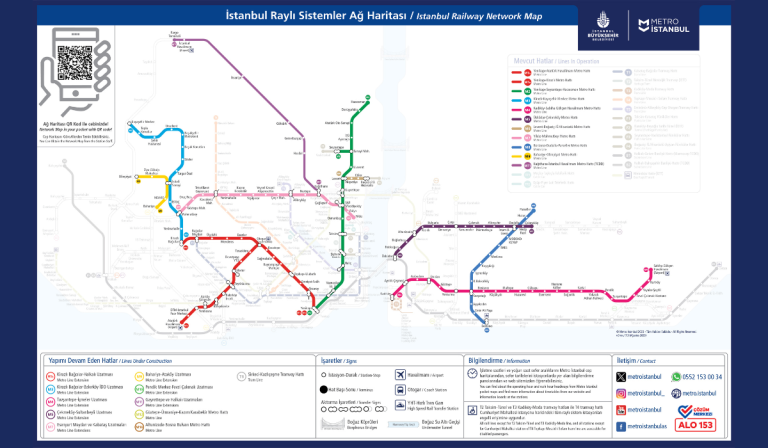
Filter aggressively. Istanbul is geographically massive. Just like navigating transportation in Istanbul, a 5-kilometer difference here can mean an extra hour in traffic. Use the “Map View” to stay close to Metrobus or Metro lines.
The Deal: From Contact to Contract
You found a place? Great. Move fast. Good rentals in Istanbul evaporate in 24 hours.
1. The Approach
Forget email. Turkish real estate runs on WhatsApp. Call the number or send a direct message. If your Turkish is non existent, use Google Translate for this opener: “Merhaba, ilanınızla ilgileniyorum, daire hala müsait mi?” (Hello, I am interested in your ad, is the flat still available?).
Note: You will likely need a local number for agents to take you seriously. Check our guide on Vodafone Turkey SIM cards to get connected immediately upon arrival.
2. The Financial Reality Check
This is where the sticker shock hits. Move in costs are steep:
- Rent (Kira): Paid monthly. While asking for 6-12 months upfront used to be a way to get a discount, it is now sometimes a requirement for foreigners without a Turkish guarantor.
- Deposit (Depozito): Legally capped at three months’ rent, but 1 to 2 months is standard.
Crucial Tip: Insist on writing the deposit amount in the contract in USD or EUR. If you deposit 30,000 TL today, inflation could eat half its value by the time you move out. - Agent Commission (Emlakçı Komisyonu): Standard practice is one month’s rent + 20% VAT (KDV). Do not pay a penny more.
Critical 2026 Update: The government abolished the 25% rent increase cap in July 2024. Rent increases are now based on the 12-month average Consumer Price Index (TÜFE). Currently, this means annual renewals can legally see hikes of 40-60%. Budget accordingly.
3. The Notary: Your Legal Shield
A handshake means nothing. For your residency permit, you need a notarized rental contract. The landlord (or their legal proxy) must accompany you to the Notary Public to sign. Without this official stamp, the immigration office will not accept your application.
Ensure the contract explicitly lists the Tapu (Title Deed) information and the correct Numarataj (door number certificate). It sounds like bureaucratic overkill, but missing one document can stall your life here.
Verdict: Patience is Currency
Renting in Istanbul requires thick skin and sharp instincts. Always check for humidity (a massive issue in Bosphorus districts), test the water pressure, and ask specifically about the Aidat fee, which can sometimes rival the rent itself in luxury towers.
Don’t let the hurdles deter you. Once you navigate the paperwork, Istanbul rewards you with an energy, culture, and view that you simply cannot find anywhere else on Earth.