
Turkey Healthcare System Guide: Costs, Clinics, and Coverage for 2026
Table of Contents
Turkey is no longer just a vacation spot; it’s a global medical heavyweight. But for expats and long-term residents, the question isn’t about hair transplantsit’s about daily survival. How do you navigate this complex system in late 2025?
Forget the old blog posts telling you how cheap everything is. The reality heading into 2026 is stark: costs for the state health insurance (GSS) have effectively doubled for many foreigners, and the gap between public and private care has never been wider. We are stripping away the fluff to give you the ground realityfrom the “2-minute drill” in state hospitals to the 5-star luxury of the private sector.
The Two Worlds: Public vs. Private
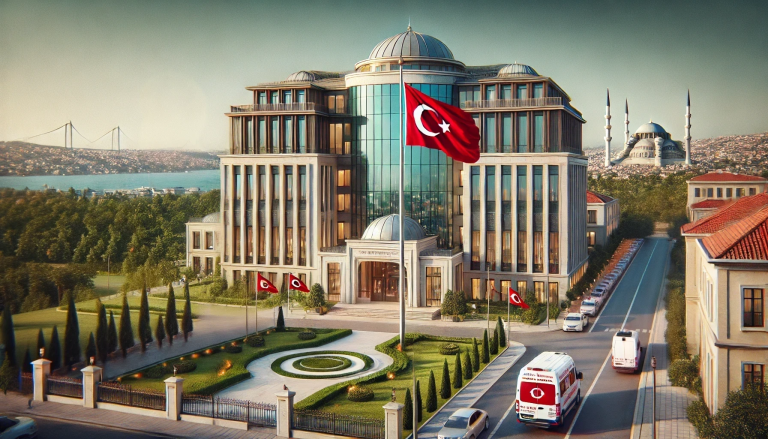
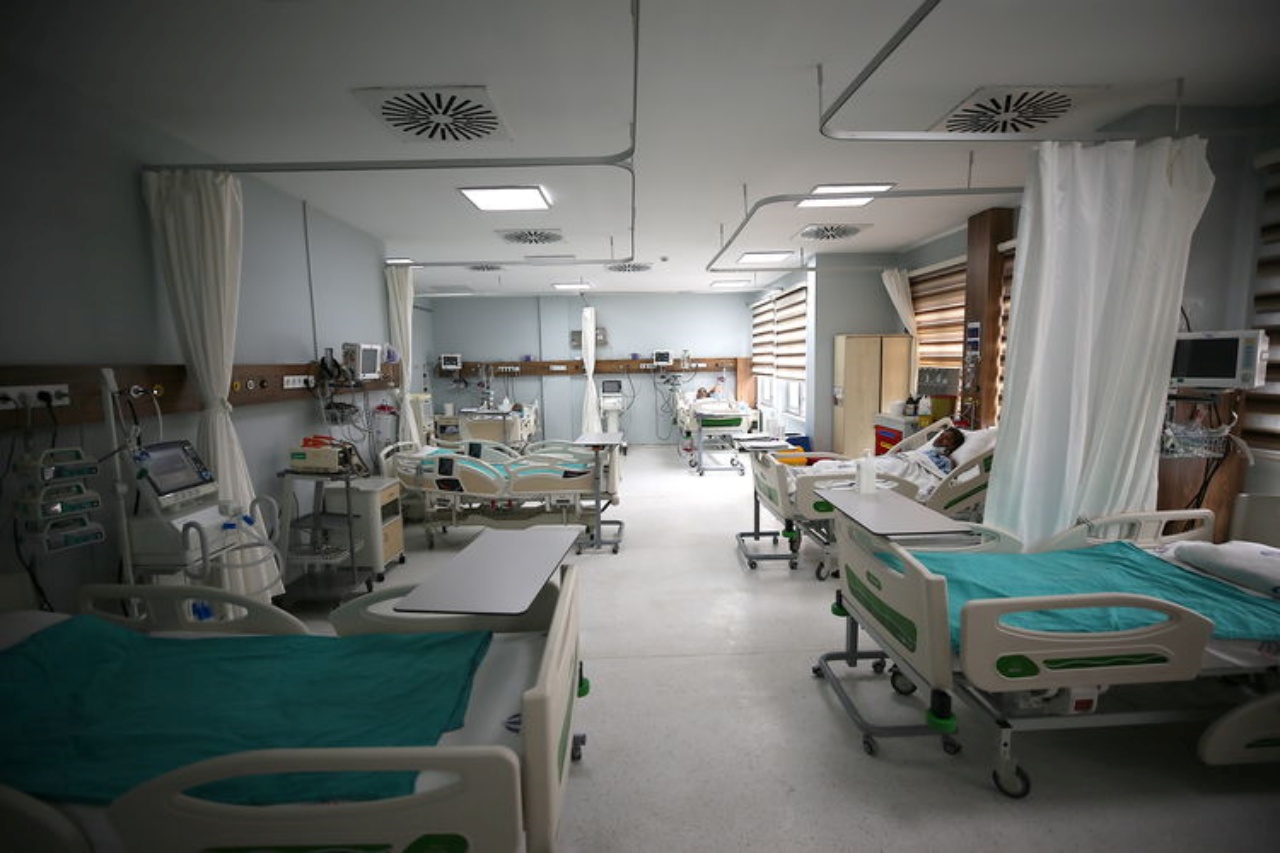
To survive here, you must understand that two parallel universes exist. The Ministry of Health (MoH) runs the public sector, while private investors often backed by Turkey’s largest corporate holdings—operate glittering medical complexes that feel more like hotels than hospitals.
The Public Reality (Devlet Hastaneleri)
Since the “Health Transformation Program” in 2003, access is theoretically universal. The side effect? Massive overcrowding. Current data highlights a critical shortage: Turkey has one of the lowest doctor to-patient ratios in Europe (approx. 2 doctors per 1,000 people). In the trenches, this results in what locals call “assembly line medicine”—consultations that often last barely a few minutes.
The Practitioner’s Tip: Use state hospitals for genuine emergencies or routine procedures if you have infinite patience. But do not expect English. Without a Turkish translator, you will likely be lost in the chaos.
The Private Sector: What You Pay For
This is where Turkey shines. Private facilities are the engine behind the medical tourism boom. They are sleek, efficient, and staffed by professionals who often speak decent English. If you are looking for top-tier care, check out the best hospitals in Istanbul. The catch? You pay for the privilegeeither cold hard cash or through a robust insurance policy.
Health Insurance 2026: The Price of Admission
For foreigners, there are two main paths. Both have seen significant friction recently.
1. Private Health Insurance (Zorunlu Sağlık Sigortası)
This is the “ticket to ride”—the policy you strictly need for your residence permit (Ikamet). Crucial Update: As of April 2025, the government raised the minimum coverage limits. Outpatient coverage requirements skyrocketed (often to 15,000 TL or more depending on the policy), dragging premiums up with them.
2. State Insurance (SGK / GSS)
After one year of legal residence, foreigners can opt into the state system (Sosyal Güvenlik Kurumu). For families, this is often the “Gold Standard” as it covers almost everything.
The Sticker Shock: In late 2024, regulations shifted. The premium rate for General Health Insurance (GSS) for foreigners jumped from 3% to 6% of the gross minimum wage. For voluntarily insured expats, this effectively doubled the monthly bill overnight (hitting approx. 1,560 TL+ depending on current wage adjustments). Always double check the latest tariff at your local SGK office.
Digital Survival: Apps Over Phone Calls
Forget dialing 182. While the number exists, relying on it in 2026 is a rookie mistake. If you want a slot in a state hospital, you need to go digital. Without these apps, you are invisible to the system:
- MHRS (Merkezi Hekim Randevu Sistemi): The official booking engine. Appointments vanish in seconds. Pro Tip: Set an alarm for exactly 10:00 AM or 4:00 PM, which is when new slots typically drop.
- e Nabız: Your digital health dossier. Diagnoses, prescriptions, X raysit’s all here. No more carrying folders of paper.
Pharmacies and Medicines
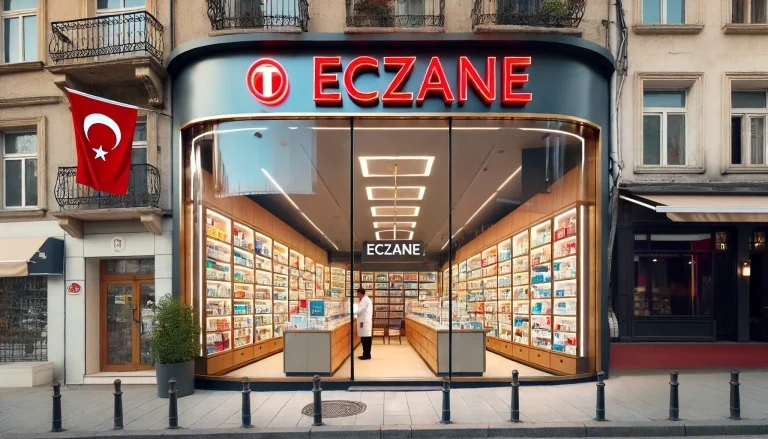
There are no “drugstores” in Turkey. You won’t find aspirin at the supermarket. Everything is sold exclusively at an Eczane (Pharmacy). The good news? Pharmacists in Turkey are highly trained and often serve as the first line of defense for minor ailments, saving you a doctor’s visit.
The Late Night Struggle: Pharmacies close on Sundays and evenings. However, every district has a designated Nöbetçi Eczane (Duty Pharmacy) that stays open 24 hours. Don’t wander the streets looking for one; download an app like “Nöbetçi Eczane” to find the one currently on rotation. For a firsthand account of how this works, read this guide on buying medicine in Turkey.
Emergencies: Free or a Trap?
The law is clear: Emergency treatment is free for everyone in Turkey—even in private hospitals. This covers life threatening situations like heart attacks or severe traffic accidents.
However, the “street” reality is nuanced. Once you are “stabilized,” the billing meter starts running. Private hospitals may try to charge entry fees even for emergencies. Stand your ground if it is a true crisis, but be prepared to pay if you walk into the ER (Acil Servis) for a simple flu.
Emergency Vocabulary Cheat Sheet
In the chaos of an ER, English often disappears. Memorize these five wordsthey might save your life.
- Acil: Emergency
- Randevu: Appointment
- Ağrı: Pain (Point to where it hurts!)
- Sigorta: Insurance
- Eczane: Pharmacy
The Verdict: Great Care, Higher Stakes
Turkey’s healthcare system remains robust and, compared to Western Europe or the US, affordableespecially given the high standard of private care. But the era of “dirt cheap” is over. Inflation and the 2025 GSS regulatory changes have permanently shifted the cost baseline.
For expats, the strategy is simple: Secure comprehensive private insurance or bite the bullet and pay the higher SGK premiums. Navigating the system without coverage in 2026 isn’t just riskyit’s financial suicide.