Butchers in Turkey: The 2026 Guide to Prices, Cuts & Avoiding Scams
Table of Contents
For anyone who values food in Turkey, the Kasap (butcher) is non-negotiable. Supermarket meat here is often watery, industrialized, and soulless. The local butcher, by comparison, is an institution. But let’s be honest: inflation has completely rewritten the rules of the game. Meat in Turkey has evolved from a staple into a luxury good, and price volatility is the new normal.
This isn’t a history lesson. This is a reality check for late 2025 and 2026. What does a kilo of ground beef actually cost right now? Where can you find quality without paying the “foreigner tax”? And which hygiene red flags should make you walk out immediately? Here is your street smart guide to buying meat in Turkey.
The Price Reality: What Meat Actually Costs in 2026
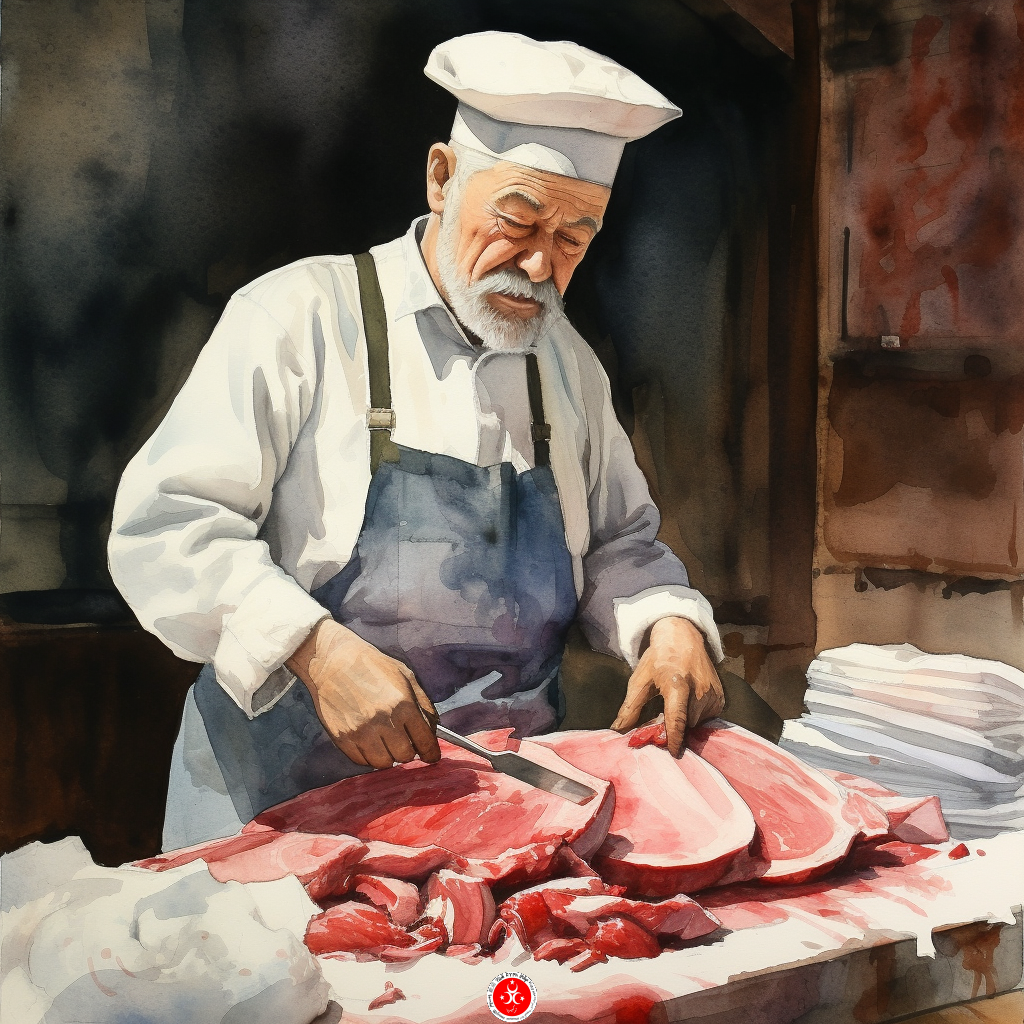
Forget the blog posts you read in 2023 or even early 2024. If you walk into a butchery today, you need to recalibrate your budget. While recent agreements between associations like PERDER and the government have stabilized prices somewhat as we head into 2026, “stable” does not mean cheap.
To help you budget, we’ve analyzed the broader economic pulse of Turkey and verified the current street prices. Here is what is considered fair in December 2025:
- Dana Kıyma (Ground Beef): Expect to pay around 650–820 TL per kg in organized markets and reputable local butcheries as of early 2026.
- Dana Kuşbaşı (Cubed Beef/Goulash): Prices typically range between 680–900 TL per kg depending on cut and location.
- Free Market Premium: At artisanal butchers without price caps, a leg of beef (Dana But) can easily surpass 640 TL per kg.
- Chicken: Still the budget-friendly alternative. A whole chicken typically costs 110–140 TL per kg, while boneless fillets (Bonfile) are around 280–350 TL per kg in early 2026.
Practitioner’s Tip: Always cross reference these prices with major chains. If a local shop is significantly higher without a clear quality differentiator, walk away.
Spotting Quality: The “Usta” Test
Not all butchers are created equal. The years 2024 and 2025 saw a spike in food adulteration scandals (Tağşiş), with the Ministry frequently exposing businesses mixing cheaper meats into premium products. Here is how to protect yourself:
1. The Marinade Trap
This is the golden rule: Never buy pre marinated meat (soslu et) unless you trust the butcher with your life. Marinades are the oldest trick in the book to mask meat that is losing its color or approaching its expiration. Always ask the butcher to cut the fresh meat in front of you and season it then and there.
2. The “Usta” Principle
Look for the Master (Usta). A skilled Turkish butcher can break down a lamb in minutes with surgical precision. Observe the display case: if the meat looks dry or has grayish edges, turn around. Fresh beef should be a vibrant red; lamb should be a soft pink. If the shop smells of bleach or old blood, it’s a hygiene failure. A good shop smells neutral or faintly metallicnothing else.
3. Halal Certifications
Since the regulations tightened in June 2023, the label “Helal” requires accreditation from the HAK (Halal Accreditation Agency). It’s not just a sticker anymore; it’s a legal standard.
Where to Shop (and Where to Skip)
Many guidebooks are outdated. Here is the on the-ground situation for 2026.
The Weekly Bazaars (Pazar)
Update your maps: The famous Beşiktaş Saturday Market has been effectively closed/relocated since late 2025 due to structural issues with the roofing. Don’t waste your time heading there until renovations are confirmed complete.
Instead, head to the Kadıköy Tuesday Market (Salı Pazarı). It is massive, chaotic, and authentic. Tuesdays are for food, Fridays are for textiles. It’s easily accessible via Metro or Metrobus. (For navigation tips, check our guide to local resources and media like NTV, which often broadcast traffic and transport updates).
Supermarkets vs. Local Butchers
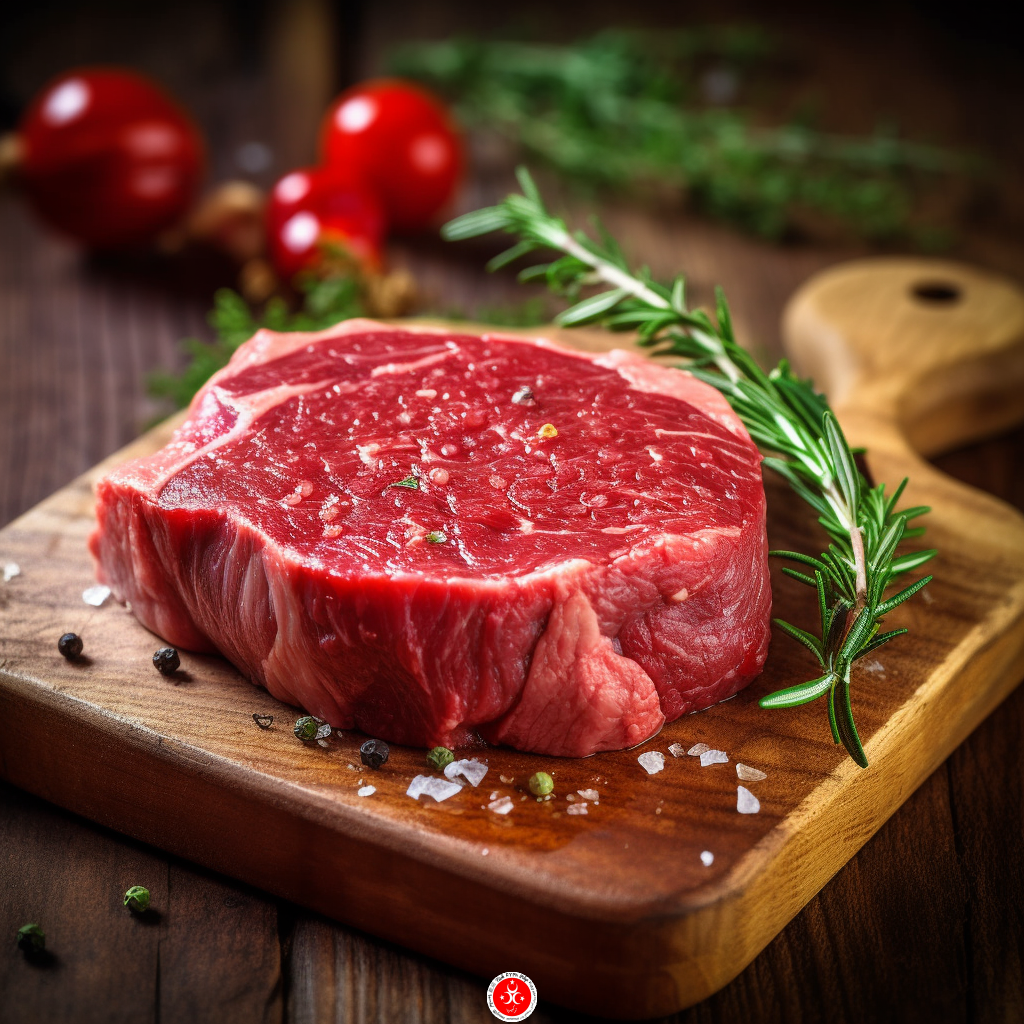
For basics like chicken breast or generic ground beef, large chains are often safer and cheaper because they guarantee the cold chain. However, for specific cuts like Kuzu Pirzola (lamb chops) or Antrikot (entrecôte), the local butcher is superior. The localized cuts are fresher, and you can often haggle for a “fat trim” that you can’t get in a packaged styrofoam tray.
Dining Out: The Carnivore’s Shortlist
If you prefer your meat cooked for you, the options are endlessbut so are the tourist traps.
- Nusr Et Steakhouse (The Show): Salt Bae is world famous, but let’s be real about the cost. As of December 2025, a basic Burger is 890 TL and a New York Steak nears 2,000 TL. You go here for the Instagram story, not for value.
- Lokanta Şehzade (The Taste): An honest classic in Sirkeci. They serve the best Cağ Kebabı (a horizontal lamb doner from Erzurum). It’s rustic, crowded, and purely about flavor.
- Halil Lahmacun (The Purist): A common myth places this shop in Izmir, but the legendary Halil is in Kadıköy, Istanbul. Order the Lahmacun with Peynirli Pide. Do not ask for lemon or salad if you want to eat like a puristthe meat speaks for itself.
Expat FAQs: What You Need to Know
Is pork available in Turkey?
Yes, selling pork is legal but strictly regulated; it cannot be in contact with other meats. You won’t find it at a standard Kasap. Look for “Pork Product” fridges in upscale supermarkets like Macrocenter or specialty delis in expat neighborhoods. Be prepared for premium pricingit is a niche import.
Can you haggle with a butcher?
Yes and no. You don’t haggle over the price of a kilo of mince. However, if you are buying in bulk for a BBQ (e. g., 3-4 kilos of chops), asking for an ikram (a discount or a small free addition) is culturally acceptable. If you are planning a large feast, perhaps around one of the major public holidays, building a relationship with your butcher can lead to better cuts and better prices.
What does “Yerli Besi” mean?
If you see this sign, buy it. It translates to “Domestically Raised.” Since Turkey imports a significant amount of livestock, meat from local breeds is often prized for superior flavor and texture compared to imported stock.