Buying a Car in Turkey as a Foreigner: The Ultimate 2026 Guide
Table of Contents
Istanbul, Antalya, or Izmir: Anyone who has tried to navigate Turkey’s major metropolises by relying solely on public transport or taxis knows the struggle. Overcrowded buses and unpredictable taximeters quickly fuel the desire for independence. But can foreigners even buy a car in Turkey without a hitch?
The short answer is: Yes.
The long answer, however, is a bit more nuanced. There isn’t just “one” way to own a car; there are two completely different paths depending on your residency status. In this guide, we will lead you through the jungle of Turkish bureaucracy from the notary appointment to the infamous “6-month rule” for driver’s licenses. We’re skipping the dry Wikipedia style facts and focusing on what actually matters in practice.
Path 1 vs. Path 2: Which License Plate Do You Need?
Before you start browsing models, you need to make a strategic decision. In Turkey, we distinguish between two types of car purchases for foreigners:
1. The Regular Purchase (Turkish License Plate)
This is the standard route for most expats and residents. You buy a car (new or used) just like a Turkish citizen. This means:
- You pay the full price, including Turkey’s very high ÖTV (Special Consumption Tax) and KDV (VAT, currently 20%).
- Advantage: You can later sell the car to anyone—whether they are Turkish or foreign. The resale value remains stable.
- Disadvantage: Due to taxes, cars in Turkey are significantly more expensive than in the UK, USA, or EU.
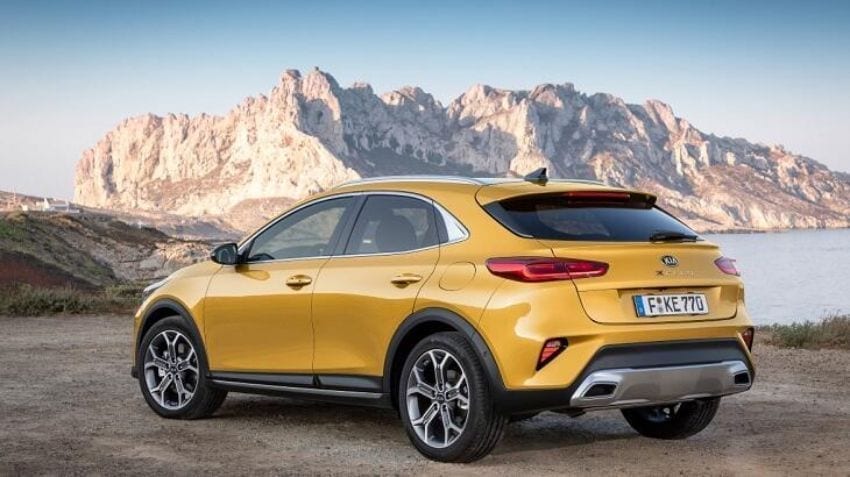
Are you interested in current prices? A look at brands like Kia Turkey will give you a good feel for the price level of new vehicles.
2. The Tax-Free “Blue Plate” (MA MZ Registration)
Under certain conditions, foreigners can buy or temporarily import a car under Turkey’s tax-exempt temporary import regime. These vehicles receive a license plate beginning with the letters MA to MZ and are strictly regulated.
- Who is eligible? Foreign retirees, Work Permit holders, diplomats, and foreign students. Note: Ordinary tourists or holders of a short-term residence permit without work rights are usually ineligible.
- Advantage: You save on the massive ÖTV tax.
- Disadvantage: You can only sell the car to other eligible foreigners. The market is much smaller. Additionally, only the owner and their immediate family (spouse, children) are allowed to drive the vehicle.
The Buying Process: How it Works at the Notary
Unlike in some Western countries, nothing happens without a notary in Turkey. There are no “handshake deals” on the street. The process is strictly regulated and very secure.
Requirements
For the notary to certify the purchase, you strictly need:
- Passport: A notarized translation of your passport.
- Tax Number (Vergi Numarası): Or your Turkish Foreign Identification Number (YKN) found on your Ikamet.
- Valid Residence Permit (Ikamet): While a purchase is theoretically possible with just a tax number, an address and residence permit are almost essential for subsequent registration and insurance.
Pro Tip: Don’t speak Turkish? Then by law, you must bring a sworn interpreter to the notary appointment. Factor in additional costs for this. You can find more details in our guide on the Notary Public in Turkey.
Step-by-Step Procedure
- Vehicle Inspection (Ekspertiz): Never buy a used car without a recent “Ekspertiz” report. Independent testing centers check the engine, paint thickness (to reveal hidden accidents), and mechanics. This is standard practice in Turkey.
- Notary Appointment: Seller and buyer meet at the notary. The notary checks the system to ensure the car is debt free (no unpaid taxes or traffic fines).
- Payment: Suitcases of cash are a thing of the past. Today, people use the “Secure Payment System” (Güvenli Ödeme Sistemi) provided by banks. The funds are only released once the notary confirms the sale.
- Handover: You receive a temporary registration document immediately. The actual registration card (Ruhsat) will be sent to you by mail or can be picked up later.
If you want to search for your car online: the market leader is the platform “Sahibinden.” It’s essentially the Craigslist or AutoTrader of Turkey.
Beware the Trap: The Driving License
Many foreigners fall into an expensive trap here. Yes, you are allowed to drive with your foreign license in Turkeybut only for 6 months after your entry.
If you stay longer than six months, your foreign license becomes invalid. You risk high fines for driving without a valid license. You then have two options:
- Conversion: You have your license converted into a Turkish one (your foreign license is often confiscated or held during this process).
- Exit: You leave Turkey and re-enter, which restarts the 6-month period (Caution: This is a grey area and depends on the specific interpretation by officials; the safest method is conversion).
Running Costs: Taxes, Inspections, and Insurance
Owning a car in Turkey also means keeping an eye on ongoing state fees. These differ significantly from systems in many other countries.
1. MTV (Motor Vehicle Tax)
The Motorlu Taşıtlar Vergisi (MTV) is an annual tax. It is not automatically debited but must be paid actively in two installments (January and July) online or via a banking app. The amount depends on the engine displacement and the age of the vehiclenot CO2 emissions.
2. TÜVTÜRK (Vehicle Inspection)
Yes, the inspection agency in Turkey is actually called TÜVTÜRK and is a partner of the German TÜV Süd. The rules are strict:
- New Cars: The first inspection is only due after 3 years.
- Private Passenger Cars: Every 2 years thereafter.
- Commercial Vehicles: Every year (Warning: Many pick ups or vans are classified as commercial vehicles!).
3. Insurance
Traffic Insurance (Trafik Sigortası) is mandatory. However, it only covers damage to the other party. Given the chaotic traffic in cities like Istanbul or Ankara, it is highly recommended to get a Kasko Insurance (comprehensive), which also covers damage to your own car.
Conclusion: Is It Worth It?
Owning your own car in Turkey means freedom. You can explore the stunning coastal roads of the Aegean or head spontaneously into the mountains. Once you accept the high initial costs (due to taxes) and overcome the bureaucratic hurdles, the maintenance is relatively manageable.