Wheat Production in Turkey: Regions, Prices & 2026 Market Outlook
Table of Contents
If you look at Turkish agriculture in late 2025, you are staring at a massive contradiction. On paper, Turkey is the undisputed European champion in agricultural turnover and the world’s largest flour exporter. But those headline numbers are deceptive. Wheat production is in a downward correction; falling from nearly 22 million tons in previous years, we are now steering toward 19.6 million tons for the 2025/2026 season, according to current TÜİK estimates. This isn’t just a statistic; it is a flashing warning light for traders, investors, and the global supply chain.
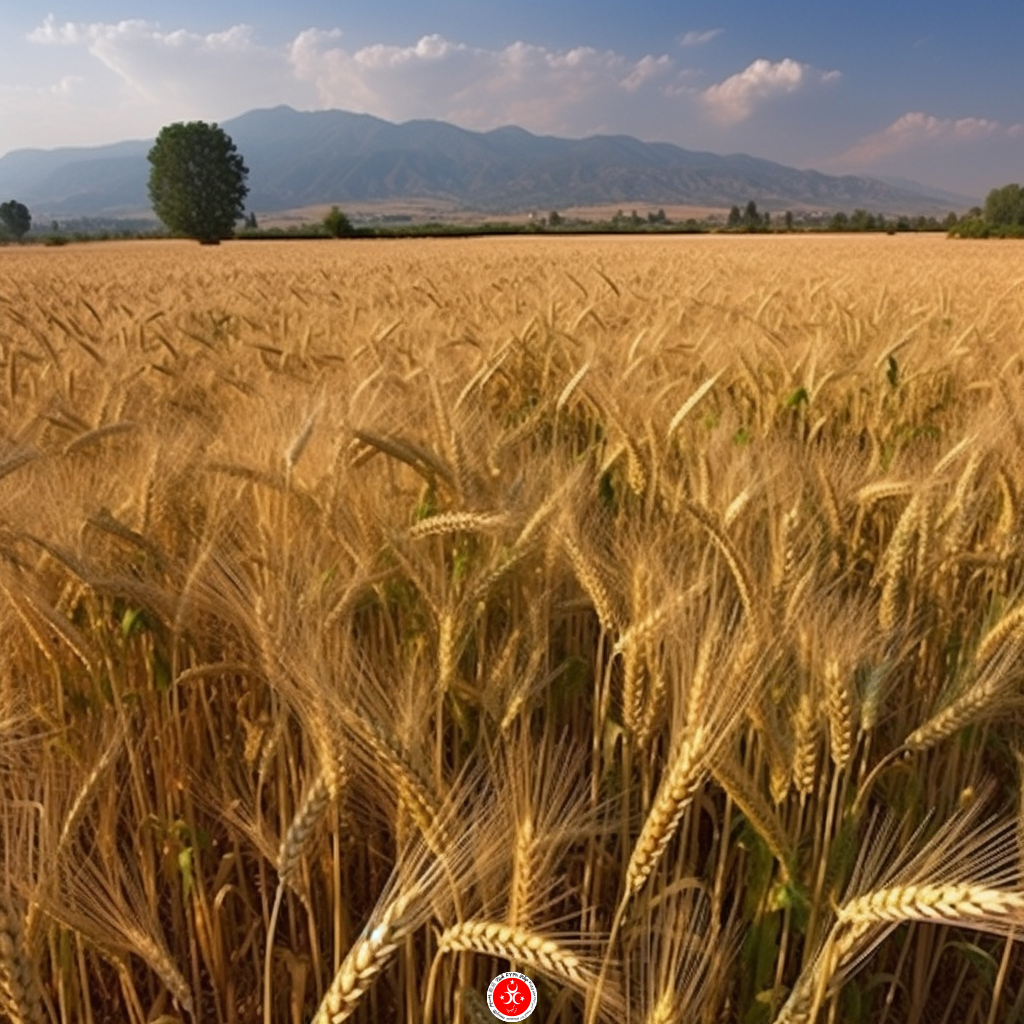
Forget the romanticized images of endless golden fields. This is about hard economics, state intervention prices (TMO), and a brutal fight against climate change. This article won’t give you generic encyclopedia factswe are breaking down the market critical data you need for 2026.
Market Analysis 2026: The Hard Numbers
Before we look at the regions, we have to understand the economic reality. The wheat market is in a correction phase. While Turkey shone with over $6.09 billion in agricultural exports (specifically grains and pulses) in the first half of 2025, the trend for flour is pointing downward. In the first four months of 2025 alone, flour export volumes collapsed by nearly 40%. The reasons lie in global price shifts and declining domestic production.
For investors, keeping an eye on macroeconomic data is non negotiable. You can find more context on this in our deep dive into Turkey’s foreign trade indices, which breaks down these volume fluctuations in detail.
The 3 Key Regions: Where the Wheat Actually Grows
Not every province delivers the same quality. If you are sourcing Durum for premium pasta, you need to look in a different place than if you are buying bread wheat. Here is the geographic reality for 2026.
1. Central Anatolia (Konya): The Struggling Giant
Konya remains the heart of Turkish production, holding 8.7% of the total cultivation area. But the region is fighting a losing battle. Water scarcity and climate shifts are hammering yields. Despite this, Central Anatolia remains indispensable for varieties like Bezostaya-1, which are extremely cold resistant and can survive the plateau’s harsh winters.
2. Southeast Anatolia (GAP): The Tech Winner
While Central Anatolia struggles, the Southeast is booming. Thanks to the massive Southeastern Anatolia Project (GAP), which has now completed 18 dams, irrigation has been revolutionized. The result? A productivity increase of up to 60%. Şanlıurfa and Diyarbakır have firmly established themselves as the second and third largest producers. Here, farmers don’t hope for rain; they schedule it.
3. Thrace: The Gateway to Europe
Thrace (Edirne, Tekirdağ) scores not on sheer mass, but on logistics and soil quality. Proximity to European borders makes this region strategically vital for exports, even if land area is limited. Many investors looking at starting a company in Turkey choose this region to position their processing facilities near these logistical hubs.
Prices & Profitability: What Farmers Are Earning in December 2025
This is the most critical section for traders. The romance of rural life ends where the balance sheet begins. The Turkish Grain Board (TMO) has set clear facts for the 2025/2026 season:
- TMO Purchase Price: 13,500 TL per ton (for Makarnalık/Durum and Bread Wheat).
- State Support: 2,520 TL premium per ton.
- Effective Producer Price: 16,020 TL per ton (Net in the farmer’s pocket).
- TMO Sale Price (December 2025): 13,850 TL per ton.
Insider Tip: The razor thin margin between the purchase and sale price shows that the state is intervening heavily to keep bread prices stable. For Turkish milk production, which relies on wheat as a feed base, these stable prices are a matter of survivalotherwise, feed costs would completely eat up their margins.
Agronomy: Varieties to Watch in 2026
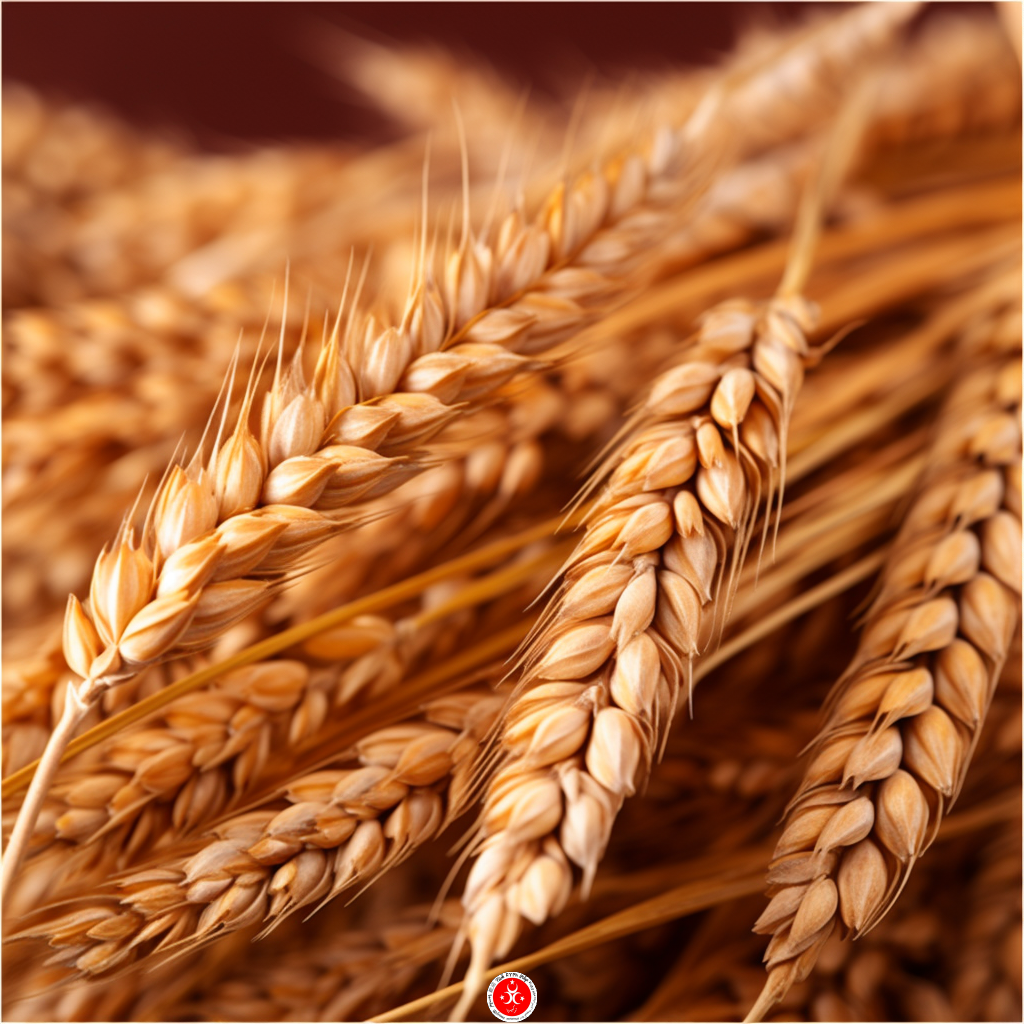
“Wheat” is not a monolithic commodity. The Turkish market in 2026 is more differentiated than ever. Beyond the classics, these varieties are dominating the fields:
- Bezostaya-1: The indestructible classic for cold regions.
- Adelaide: A red Durum wheat gaining popularity among farmers for its high yields.
- Ceyhan-99 & Pehlivan: Established quality varieties for industrial processing.
New for the 2025/2026 season are three freshly registered varieties from Sivas, bred specifically for changed climate conditions (drought resistance). If you are investing in seed stock, keep a close watch on this development.

Conclusion: Quality Over Quantity
Turkey remains a global power in the wheat market in 2026, but its role is shifting. The drop in production volumes (down to 19.6 million tons) is forcing the market toward greater efficiency and technology adoption. For buyers, this means one thing: prices will remain volatile, and reliance on the irrigated regions of the Southeast (GAP) will continue to rise.