Lycian Way in Turkey | Complete Trekking Guide ...
0% 9 min left
Lycian-Way-Turkey

Lycian Way in Turkey | Complete Trekking Guide & Map

9 min read Updated: January 7, 2026

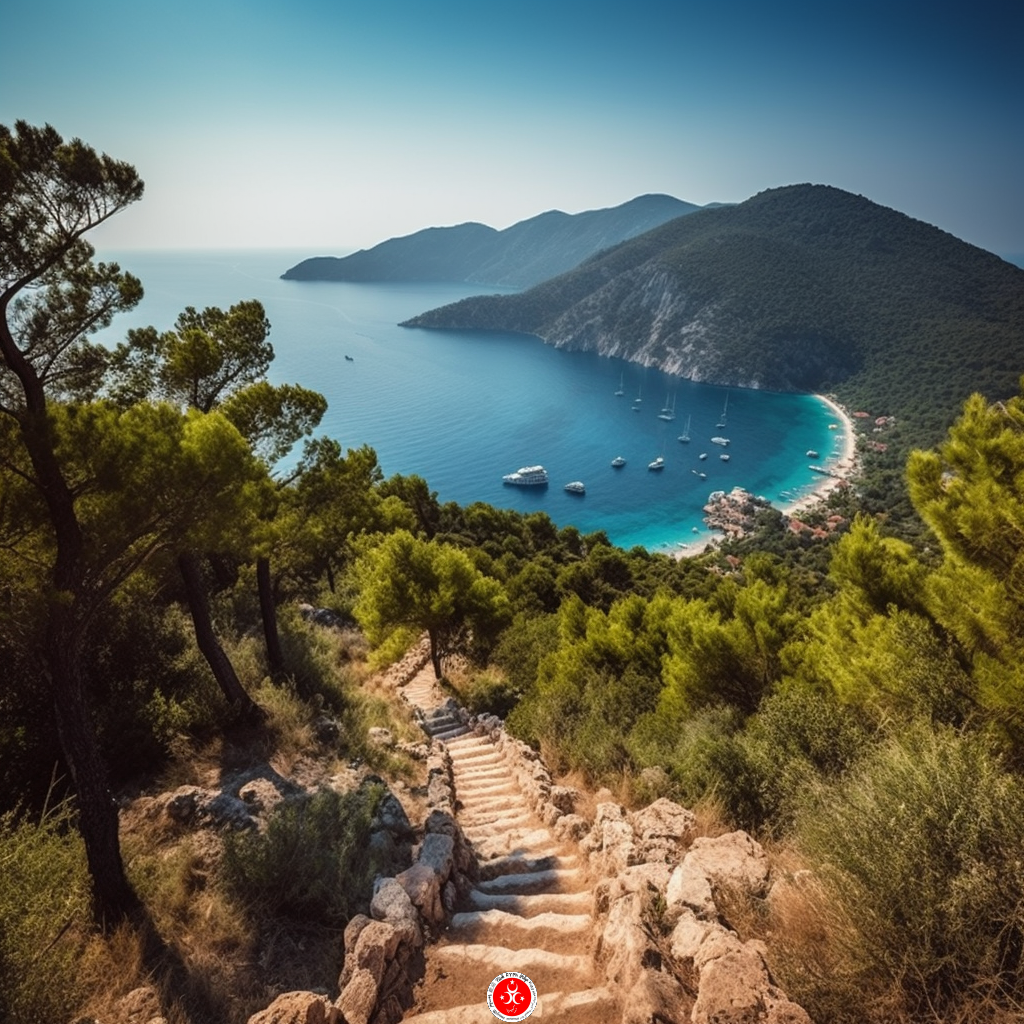
Picture this: you’re standing on a clifftop path, pine-scented breeze in your face, gazing down at turquoise water so clear you can see fish from 50 metres up. That’s the Lycian Way – Turkey’s knockout coastal trek that’s been quietly stealing hearts since Kate Clow mapped it in ’99. I’ve walked sections of it myself, and honestly? The mix of ancient ruins, mountain passes, and seaside villages is unbeatable.
Lycian Way Infographic

body { background: linear-gradient(135deg, #f5f7fa 0%, #c3cfe2 100%); margin: 0; padding: 20px; min-height: 100vh; display: block; }#turkpidya-lycian-way { font-family: ‘Poppins’, sans-serif; max-width: 1200px; margin: 20px auto; padding: 40px; background-color: rgba(255, 255, 255, 0.9); border-radius: 30px; box-shadow: 0 20px 60px rgba(0, 0, 0, 0.1); backdrop-filter: blur(10px); }#turkpidya-lycian-way * { box-sizing: border-box; }#turkpidya-lycian-way h1 { color: #E30A17; font-size: 4rem; text-align: center; margin-bottom: 60px; text-shadow: 2px 2px 4px rgba(0,0,0,0.1); position: relative; padding-bottom: 20px; }#turkpidya-lycian-way h1::after { content: ”; position: absolute; bottom: 0; left: 50%; transform: translateX(-50%); width: 150px; height: 5px; background-color: #E30A17; border-radius: 2.5px; }.section { background-color: #FFFFFF; border-radius: 20px; padding: 40px; margin-bottom: 40px; box-shadow: 0 10px 30px rgba(0,0,0,0.05); transition: transform 0.3s, box-shadow 0.3s; }.section:hover { transform: translateY(-10px); box-shadow: 0 15px 40px rgba(227, 10, 23, 0.2); }.section h2 { color: #E30A17; font-size: 2.5rem; margin-bottom: 30px; display: flex; align-items: center; position: relative; padding-bottom: 15px; }.section h2::after { content: ”; position: absolute; bottom: 0; left: 0; width: 70px; height: 4px; background-color: #E30A17; border-radius: 2px; }.section h2 i { margin-right: 20px; font-size: 2.5rem; }.info-grid { display: grid; grid-template-columns: repeat(auto-fit, minmax(250px, 1fr)); gap: 30px; }.info-item { background-color: #F8F8F8; padding: 30px; border-radius: 15px; text-align: center; transition: transform 0.2s, box-shadow 0.2s; }.info-item:hover { transform: scale(1.05); box-shadow: 0 10px 30px rgba(227, 10, 23, 0.1); }.info-item i { font-size: 3rem; color: #E30A17; margin-bottom: 20px; }.button { background-color: #E30A17; color: #FFFFFF; border: none; padding: 15px 30px; border-radius: 50px; cursor: pointer; font-weight: 600; transition: background-color 0.3s, transform 0.3s; display: inline-flex; align-items: center; gap: 15px; font-size: 1.1rem; text-transform: uppercase; letter-spacing: 1px; }.button:hover { background-color: #B20000; transform: translateY(-3px); box-shadow: 0 5px 15px rgba(227, 10, 23, 0.3); }#packingList { list-style-type: none; padding: 0; }#packingList li { background-color: #F8F8F8; margin-bottom: 15px; padding: 20px; border-radius: 10px; display: flex; justify-content: space-between; align-items: center; transition: background-color 0.3s, transform 0.3s; }#packingList li:hover { background-color: #FFE5E5; transform: translateX(10px); }#packingList li button { background: none; border: none; color: #E30A17; cursor: pointer; transition: transform 0.2s; font-size: 1.2rem; }#packingList li button:hover { transform: scale(1.3); }#difficultyCalculator { background-color: #F8F8F8; border-radius: 15px; padding: 30px; margin-top: 30px; }#difficultyCalculator label { display: block; margin-bottom: 15px; font-weight: 600; font-size: 1.1rem; }#difficultyCalculator input[type=”range”] { width: 100%; margin-bottom: 30px; -webkit-appearance: none; height: 10px; border-radius: 5px; background: #ddd; outline: none; }#difficultyCalculator input[type=”range”]::-webkit-slider-thumb { -webkit-appearance: none; appearance: none; width: 25px; height: 25px; border-radius: 50%; background: #E30A17; cursor: pointer; }#difficultyResult { font-size: 1.3rem; font-weight: 600; margin-top: 30px; padding: 20px; border-radius: 10px; text-align: center; transition: all 0.3s ease; }@media (max-width: 768px) { body { padding: 10px; } #turkpidya-lycian-way { padding: 20px; margin: 10px auto; }#turkpidya-lycian-way h1 { font-size: 3rem; }.section h2 { font-size: 2rem; }.info-grid { grid-template-columns: 1fr 1fr; } }@media (max-width: 480px) { #turkpidya-lycian-way h1 { font-size: 2.5rem; }.section h2 { font-size: 1.8rem; }.info-grid { grid-template-columns: 1fr; }.button { width: 100%; justify-content: center; } }.map-container { position: relative; width: 100%; height: 500px; border-radius: 20px; box-shadow: 0 10px 30px rgba(0,0,0,0.1); overflow: hidden; }.map-container iframe { position: absolute; top: 0; left: 0; width: 100%; height: 100%; border: none; }@media (max-width: 768px) { .map-container { height: 400px; } }@media (max-width: 480px) { .map-container { height: 300px; } }

Trekking the Lycian Way: Adventure Awaits!

Quick Facts

Length

520-540km

Route

Ölüdeniz to Geyikbayırı

Duration

27-35 days (full trek)

Highlights

Ancient ruins, coastal views, traditional villages

Best Time to Go

Spring

February – May

Autumn

September – November

Trail Difficulty Calculator

Estimate the difficulty of your trek based on these factors:

Packing Essentials

  • Hiking boots
  • Water filter
  • Sunscreen
  • Map and compass

Lycian Way Map

document.getElementById(‘packingBtn’).addEventListener(‘click’, function() { const newItem = prompt(‘Enter a new packing item:’); if (newItem) { const li = document.createElement(‘li’); li.innerHTML = `${newItem} `; document.getElementById(‘packingList’).appendChild(li); } });function removeItem(button) { button.parentElement.remove(); }document.getElementById(‘distance’).addEventListener(‘input’, function() { document.getElementById(‘distanceValue’).textContent = this.value; });document.getElementById(‘elevation’).addEventListener(‘input’, function() { document.getElementById(‘elevationValue’).textContent = this.value; });document.getElementById(‘experience’).addEventListener(‘input’, function() { const experiences = [‘Beginner’, ‘Advanced Beginner’, ‘Intermediate’, ‘Advanced’, ‘Expert’]; document.getElementById(‘experienceValue’).textContent = experiences[this.value – 1]; });function calculateDifficulty() { const distance = parseInt(document.getElementById(‘distance’).value); const elevation = parseInt(document.getElementById(‘elevation’).value); const experience = parseInt(document.getElementById(‘experience’).value);let difficulty = (distance / 5) + (elevation / 100) – experience;let result = ”; let color = ”;if (difficulty < 5) { result = 'Easy'; color = '#4CAF50'; } else if (difficulty < 10) { result = 'Moderate'; color = '#FFC107'; } else if (difficulty < 15) { result = 'Challenging'; color = '#FF9800'; } else { result = 'Very Difficult'; color = '#F44336'; }const resultElement = document.getElementById('difficultyResult'); resultElement.textContent = `Estimated Difficulty: ${result}`; resultElement.style.backgroundColor = color; resultElement.style.color = '#FFFFFF'; }

Lycian Way Turkey

Trekking the Lycian Way: My Insider Tips

A Bit of Backstory

This 520-540km trail (exact distance varies with route options) follows the footsteps of the ancient Lycians – imagine walking paths used thousands of years ago. I remember hiking near Kalkan and stumbling across a rock-cut Lycian tomb jutting from the clifface – proper Indiana Jones moment. The route was mapped by British expat Kate Clow back in 1999, and it’s been drawing hikers from all over ever since.

Planning Your Trek

The Lycian Way runs from Ölüdeniz (near Fethiye) all the way to Geyikbayırı (near Antalya). Completing the full route takes roughly 27-35 days, depending on your pace and how many rest days you take. But here’s the thing – you don’t have to do it all. I once tackled a four-day section from Kabak to Patara, and it was absolutely brilliant. Cherry-pick the bits that suit your schedule.

What to Expect

  • Terrain: Proper variety here. You’ll get easy coastal stretches where you’re practically walking on sand, then suddenly you’re hauling yourself up rocky mountain paths. Solid hiking boots are non-negotiable.
  • Difficulty: Sections range from gentle rambles to proper lung-busters. Pick your segments wisely based on your fitness level, but expect at least a few steep climbs wherever you go.

Getting Ready for Your Lycian Adventure

When to Go:

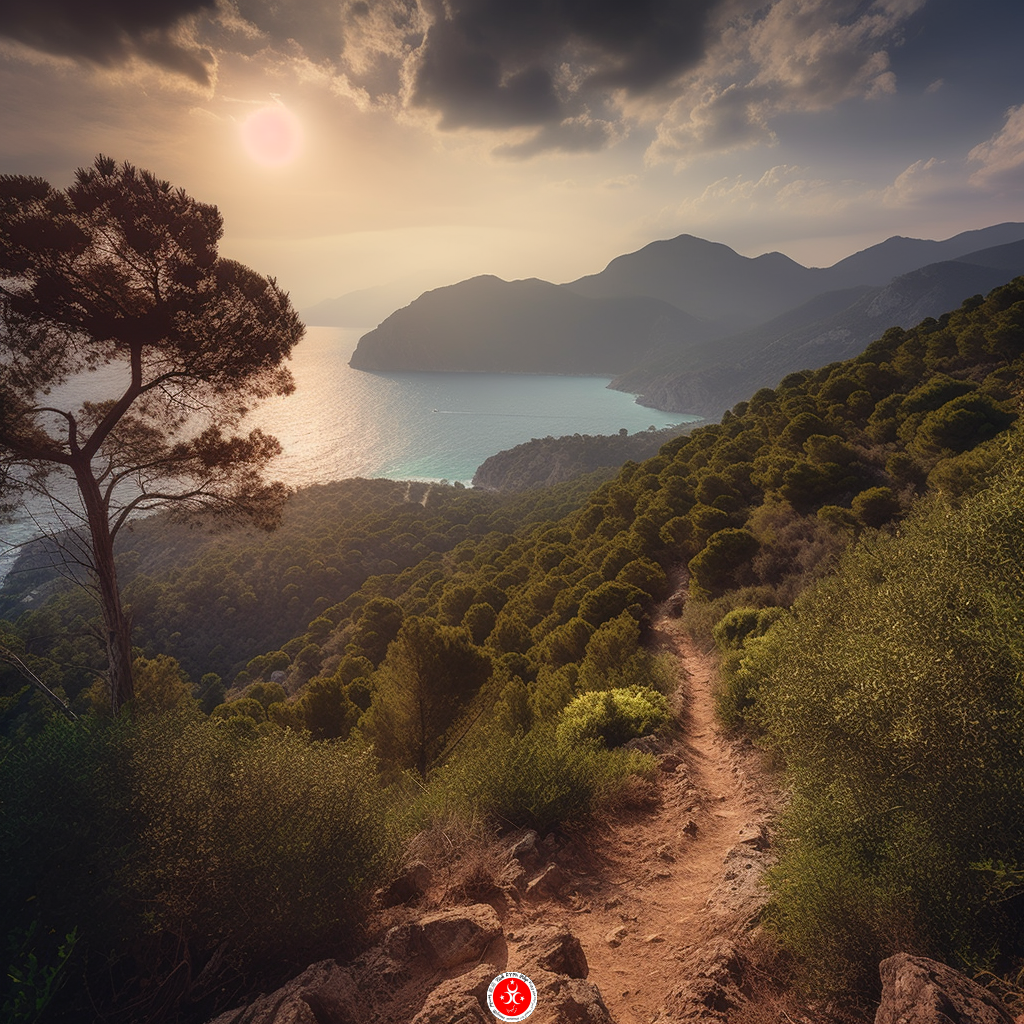
Best hiking windows are February through May and September through November. You’ll get pleasant temperatures, fewer crowds, and in spring the hillsides explode with wildflowers. I went in May once – the hills were carpeted in poppies, absolutely stunning. Summer’s off the cards unless you fancy melting – we’re talking 35°C+ and zero shade on exposed sections.
hiking in turkey lycian way

What to Pack:

Beyond the obvious stuff (boots, backpack, sleeping bag), don’t forget:

  • Proper map and compass (or GPS device with downloaded offline maps).
  • Water filter or purification tablets. Finding reliable fresh water between villages can be dodgy.
  • High-factor sunscreen and a wide-brimmed hat. The Turkish sun doesn’t mess about.
  • Cash in Turkish Lira. Smaller villages won’t take cards, and you’ll want money for tea and gözleme.

I sorted most of my kit from Decathlon in Antalya – decent selection and won’t break the bank. Pro tip: at current rates (January 2026), 1 USD gets you about 43 Turkish Lira, 1 EUR roughly 50 Lira, so budget accordingly.

Staying Safe:

Always tell someone your hiking plans, check the weather forecast before setting off, and seriously consider hiking with a mate, especially on remote sections. Phone signal can be patchy to non-existent, so a satellite phone or emergency beacon might be worth it if you’re doing long solo stretches.

Lycian Way Highlights: Prepare to be Amazed

Ancient Ruins:

You’ll practically trip over ancient cities, rock-hewn tombs, and crumbling amphitheatres. It’s like hiking through an open-air museum. The ruins at Patara took my breath away – massive colonnaded street leading down to what was once a harbour.

Natural Beauty:

The scenery is properly jaw-dropping. Electric-blue bays, sheer cliffs dropping into the Med, hidden waterfalls in pine forests… the works. Butterfly Valley is a must – tucked-away canyon with waterfalls and thousands of butterflies in season. Pure magic.
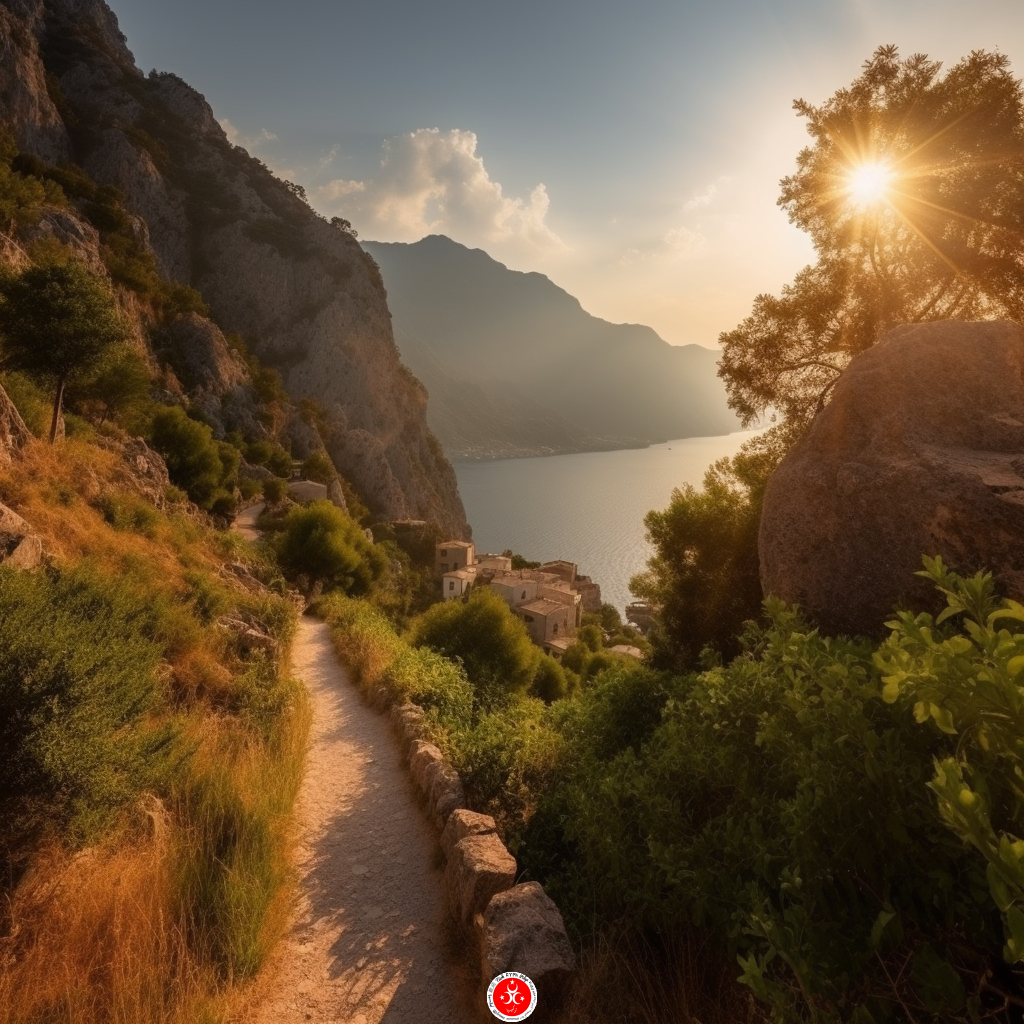
walking the lycian way turkey

Village Life:

Passing through traditional villages is a proper highlight. The locals are welcoming, the home-cooked food is brilliant (get the gözleme – savoury Turkish pancakes, absolute game-changer), and you get a real peek into rural Turkish life. I stopped for tea in a tiny village near Kas once – ended up staying for dinner and meeting half the village. Unforgettable.

Where to Stay and What to Eat

Accommodation:

You’ve got options: camping (wild camping is possible in some areas, though restricted near archaeological sites and villages) or staying in pansiyons (family-run guesthouses). I’m a massive fan of pansiyons – they’re affordable, the hospitality is second to none, and you usually get a proper home-cooked breakfast thrown in.

Food and Drink:

Turkish food is top-notch. Expect plenty of köfte (meatballs), kebabs, fresh-caught fish, and those brilliant little meze dishes. And the çay (tea) – you’ll be offered it everywhere. I always stock up on snacks at local markets: fresh fruit, olives, crusty bread, and maybe some lokum (Turkish delight) for energy boosts on the trail.
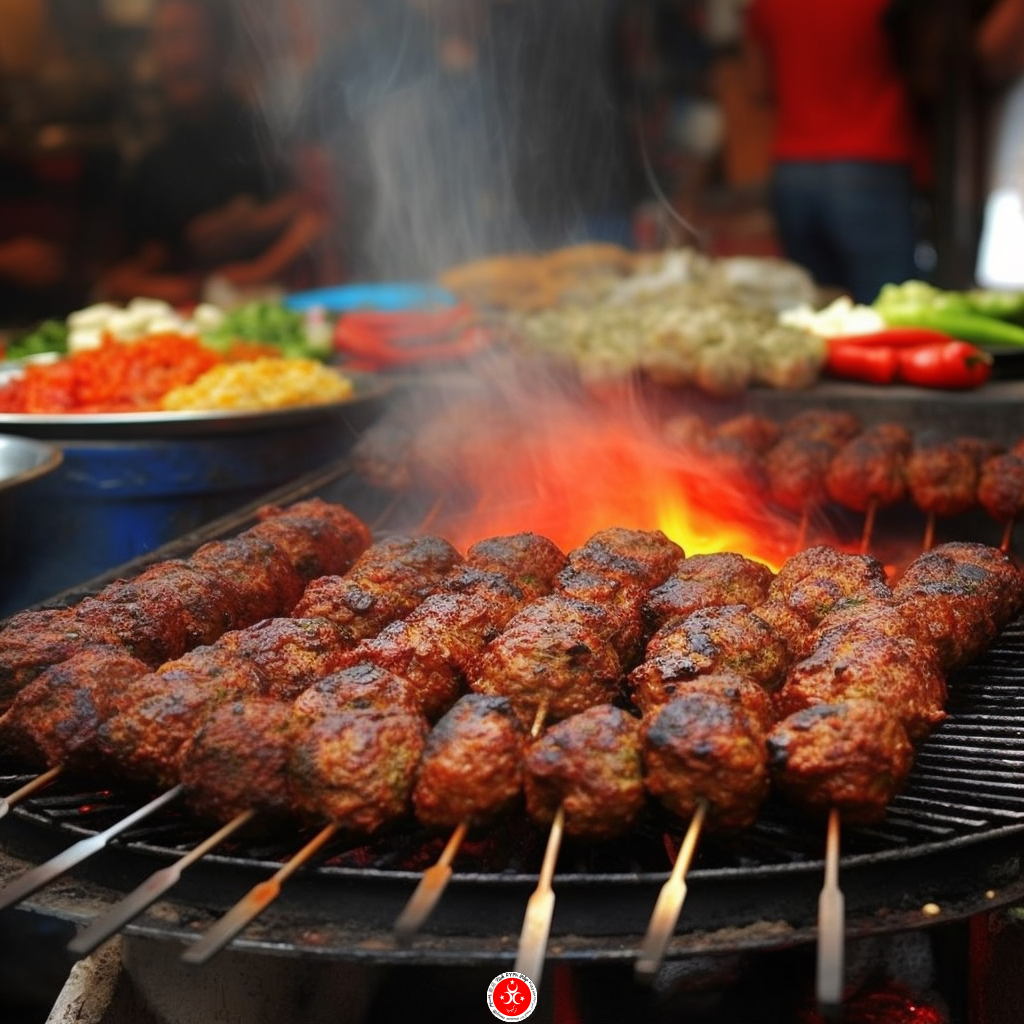
Turkish Kofte

So, what are you waiting for?

The Lycian Way is genuinely one of the best long-distance treks you can do. If you’re into hiking, history, and drop-dead gorgeous scenery, this is your ticket. Book those flights, sort your kit, and get ready for an adventure you’ll be banging on about for years.

Lycian Way Map

You can see the detailed route on Google Maps below:

Need to Know More?

  1. Getting There: Fly into Dalaman (for the Fethiye end) or Antalya Airport (for the eastern terminus). Regular buses and taxis run to the trailheads from both.
  2. Permits: No hiking permit required for the trail itself, though you’ll need to buy tickets for specific archaeological sites along the way.
  3. Solo Hiking: Definitely doable, but it’s safer (and frankly more fun) with a hiking partner, especially on the more remote sections.
  4. Guided Tours: Available if you prefer a more organised trek with luggage transfers and pre-booked accommodation sorted for you.
Similar Posts