Turkish Cheese Guide: 28 Best Varieties & 2026 Prices (Beyond Feta)
Table of Contents
If you think France or Italy have a monopoly on world-class cheese, you have never sat down for a proper traditional breakfast in Anatolia. Turkish cheese culture is one of the oldest and most diverse on the planet, yet for decades, it remained one of the culinary world’s best kept secrets.
That secret is officially out. As of May 2025, two Turkish cheeses (Ezine and Erzincan Tulum) are now officially recognized by the EU with Protected Designation of Origin (PDO) status. This is the ultimate seal of global approval for Turkey’s dairy industry. But with international fame comes a steeper price tag: As we close out 2025, premium varieties like Kars Gravyer are now commanding prices north of 1,000 TL per kilo.
Whether you are an expat navigating the aisles while shopping in Edirne‘s famous markets or a traveler looking for a culinary souvenir that won’t get confiscated at customs, this guide cuts through the mass market noise. Here are the 28 varieties you actually need to know.

The Heavyweights: Turkey’s Most Famous Cheeses
1. Ezine Peyniri (Ezine White Cheese) The King
- Milk: A specific blend of sheep (min. 35-45%), goat, and max 25% cow milk.
- Character: Full fat, creamy, medium hard, and distinctly salty.
- Insider Fact: This was the first Turkish cheese to receive EU protection status (back in December 2023).
- Price Check (Dec 2025): Quality hurts the wallet. Expect to pay between 625 TL and 945 TL per kilo for the real deal.
Forget the rubbery “Feta” you find in Western supermarkets. Real Ezine from Çanakkale is a revelation. It is the gold standard for any Turkish breakfast. Pro Tip: Look for the red and yellow Geographical Indication (GI) emblem on the package. Without that seal, it’s just generic white cheese.
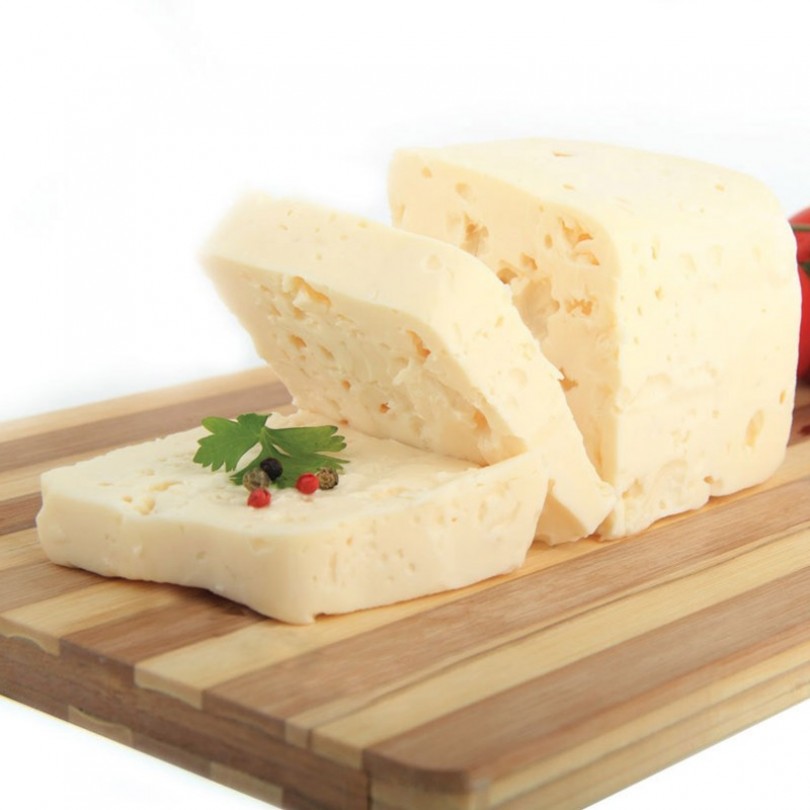
2. Konya Küflü Peynir (Konya Moldy Cheese)
- Milk: Skimmed sheep’s milk.
- Character: Spicy, earthy, and veined with green mold.
- Safety Update 2025: Recent lab analyses from Konya confirm that the Penicillium roqueforti used in hygienic production is aflatoxin free.
Long feared by tourists, this “Anatolian Roquefort” is enjoying a massive renaissance. Traditionally produced in Konya, it is perfect for spreading on warm flatbread. It boasts a punchy flavor profilenot for beginners, but an absolute must for connoisseurs.
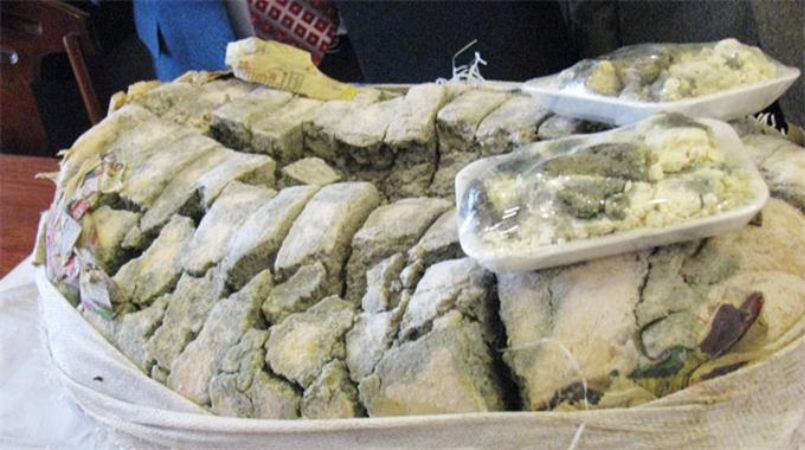
3. Divle Obruk Peyniri (The Cave Cheese)
- Milk: Raw sheep and goat milk.
- The Gimmick: Aged for 4-12 months in a specific cave in Karaman.
- Price Check (Dec 2025): This is a luxury asset. Prices have hit approx. 1,070 TL per kilo.
Often cited by chefs as one of the world’s greatest cheeses. The unique bacterial flora of the cave turns the rind red while the interior remains white and impossibly creamy. Due to limited production, it often sells out months in advance.
4. Kars Gravyeri (Kars Gruyère)
- Milk: Premium cow’s milk from high altitude pastures.
- Character: Nutty, slightly sweet, firm with large holes.
- Price Check (Dec 2025): Around 1,000 TL per kilo for 6-month aged wheels.
A slice of Switzerland in Eastern Turkey. In the late 19th century, Swiss cheesemakers brought their recipe to Kars, and the result is perhaps Turkey’s most elegant cheese. It pairs beautifully with wine and belongs on every upscale charcuterie board. If you are worried about the cost, just remember that inflation has hit everything from Ecco shoes to car insurancethis is one luxury that is actually worth the splurge.
5. Kars Kaşarı (Aged Kars Kashkaval)
Do not confuse this with the industrial “Taze Kaşar” (fresh kashkaval) found in supermarkets. Real “Eski Kaşar” (Old Kashkaval) from Kars is aged for months in jute sacks. It is hard, crystalline, and intensely flavorful. Price Update: Expect to pay around 550 TL per kilo by late 2025.
6. Van Otlu Peyniri (Van Herbed Cheese)
- Milk: Sheep’s milk.
- Ingredient: Up to 25 different wild herbs (Sirmo, wild garlic, thyme).
- Price Check (Dec 2025): Between 450 TL and 896 TL, depending on aging.
This cheese is the heart and soul of the famous Van Breakfast. The herbs aren’t just for flavor; they were originally added for preservation. If you are buying this as a souvenir, vacuum seal it immediately—the aroma is potent enough to clear a room!
7. Erzincan Tulum Peyniri
2025 News Flash: As of May 27, 2025, this cheese is officially EU protected. Traditionally pressed into goat skin, it has a crumbly, almost buttery texture with a sharp, piquant kick. It is the perfect companion for walnuts and warm warm lavash bread.
8. Taze Kaşar (Fresh Kashkaval)
The “daily driver” of Turkish households. It melts perfectly and forms the base of every “Tost” (grilled cheese sandwich). In December 2025, supermarket prices for standard brands like Migros hover around 340-420 TL per kilo, though sales sometimes drop it below 200 TL.
Regional Specialties & Hidden Gems
9. Mihaliç Peyniri (The Turkish Parmesan)
A hard, incredibly salty cheese from Bursa with large internal holes. While often called “Turkish Parmesan,” it is significantly saltier. Chef’s Tip: Pan fry it. It gets crispy on the outside while staying firm on the insidea game changer for savory breakfasts.
10. Erzurum Civil Peyniri
A low fat string cheese sold in long strands. It is often melted with butter in a pan to make “Mıhlama.” Because it has very little fat, it becomes extremely stretchy when heated, creating those Instagram worthy cheese pulls.
11. Lor Peyniri (Turkish Ricotta)
A soft whey cheese, comparable to Italian Ricotta but much drier. It is protein packed, low in fat, and cheap. Ideal for gym goers or as a filling for pastry (Börek). In its sweet variation, it is often served with sour cherry jam for breakfast.
12. Çeçil Peyniri (String Cheese)
Similar to Civil but often saltier and braided more tightly. Native to Eastern Turkey (Kars/Erzurum). While you might pay $8 a pack for this in the US, it remains a staple staple here.
13. Hatay Sürk Peyniri (The Red One)
Not for the faint of heart! Sürk is actually dried curd (Çökelek) mixed with a heavy dose of chili, thyme, and garlic. Shaped into small red balls or cones, it is best crumbled over a salad and drenched in olive oil.
14. Kolot Peyniri (The Fondue Cheese)
The star of Black Sea cuisine. Kolot is the critical ingredient in “Kuymak” (or Mıhlama), the Turkish cornmeal fondue. It is designed to melt and release fat. Without Kolot, it’s not a real Black Sea breakfast.
15. Örgü Peyniri (Braided Cheese from Diyarbakır)
A firm, brine ripened cheese that is artfully braided. It is often extremely salty, so it is highly recommended to soak it in warm water for a few minutes before eating to draw out the excess sodium.
16. Kargı Tulum Peyniri
A rare Tulum variety from Çorum province. Unlike its eastern cousins, it is traditionally pressed in cotton sacks rather than goat skin, resulting in a buttery, less pungent flavor profile.
17. İsli Peynir (Smoked Circassian Cheese)
Recognizable by its textured brown rind and intense smoky aroma. Originating from the Circassian tradition in the Marmara region, it is one of the few Turkish cheeses that is actually smoked.
18. Kopanisti (The “Beaten” Cheese)
A specialty from Izmir and the Aegean. It is soft, spreadable, and aggressively strongalmost stinging in flavor. It is typically served as a “Meze” rather than at breakfast. Definitley an evening cheese.
19. Dil Peyniri (Tongue Cheese)
A fresh, fibrous cheese often used as a Mozzarella substitute. It is mild, milky, and unsalty. Kids love it because you can peel it into strings. It must be eaten very fresh.
20. Labneh
Technically an extremely thick, strained yogurt used like cream cheese. In Turkey, Labneh is milder than the Middle Eastern variety and is often used in desserts (like Turkish Tiramisu) or as a breakfast spread.
21. Antep Peyniri
A firm, squeaky cheese from Gaziantep. It is often grilled (similar to Halloumi) and eaten with warm bread. It holds its shape perfectly when heated.
22. Varto Keçi Peyniri (Goat Cheese)
A sun dried goat cheese from the Muş region. It is very rustic with a strong goat aroma that is intensified by the sun drying process.
23. Çanak Peyniri (Pot Cheese from Yozgat)
Similar to the Cappadocian Pot Cheese but often crumblier. It is produced in the summer and buried underground in clay pots to preserve it for the winter months.
24. Künefe Peyniri
An unsalted, fresh cheese from Hatay that has only one purpose: To melt inside the famous Künefe dessert. Raw, it tastes like almost nothing, but melted with sugar syrup and Kadayıf pastry, it is unbeatable.
25. Abaza Peyniri
From the Sakarya/Adapazarı region. A semi hard cheese, often spiced with black cumin seeds. It has an elastic texture and is a beloved staple of Caucasian cuisine in Turkey.
26. Bergama Tulumu
A specific Tulum from the Bergama region (Izmir). It is often harder and drier than Erzincan Tulum and features characteristic holes. The perfect partner for fig jam.
27. Karın Kaymağı Peyniri (Tripe Cheese)
Probably the most exotic entry on this list. This cheese from Kars and Ardahan is aged inside cleaned animal stomachs. It is a mixture of cheese and cream (Kaymak), making it incredibly rich and spreadable.
28. Malatya Peyniri
A rindless cheese that is often pressed flat in the middle. It is very salty and firm, typically served as a table cheese for breakfast.
The Verdict: What Should You Buy?
If you only have room for three cheeses in your suitcase, prioritize these:
- Ezine Peyniri (PDO): For the classic Turkish experience.
- Kars Gravyer: For a special occasion or gift.
- Divle Obruk: If you have the budget and want something truly unique.
Preparing for your next trip? Make sure to check the dates for public holidays, as specialty cheese shops often sell out of the best wheels right before Ramadan or the Sacrifice Feast.