
Turkey Driving License Exam Guide: Process, Costs & Tips (2026)
Table of Contents
Getting a driver’s license in Turkey is the definitive step toward independence in this country. However, the days of easy passes are over. The current system is rigorous, split into two distinct hurdles: the theoretical exam (E Sınav) and the practical driving test.
While the bureaucracy can feel daunting, the process is streamlined if you know what to expect. Driving schools (Sürücü Kursu) don’t just teach you how to drive; they act as your administrative handlers, booking your exam slots and managing your paperwork.

The Turkish Driver’s License: What You Need to Know
Acquiring a Turkish license grants you the legal right to drive across all 81 provinces. It is not just about moving a car; it is about compliance. You must pass both the theory and practical components before you can even step foot in the Population Directorate (Nüfus Müdürlüğü) to print your card.
If you are already eyeing a vehicle, you should start strategizing your budget now. Whether you are looking at the second-hand market or checking the Opel Turkey Price List for 2026 models, remember that passing the test is just the first financial step before dealing with insurance and taxes.
The Theoretical Exam (E Sınav)
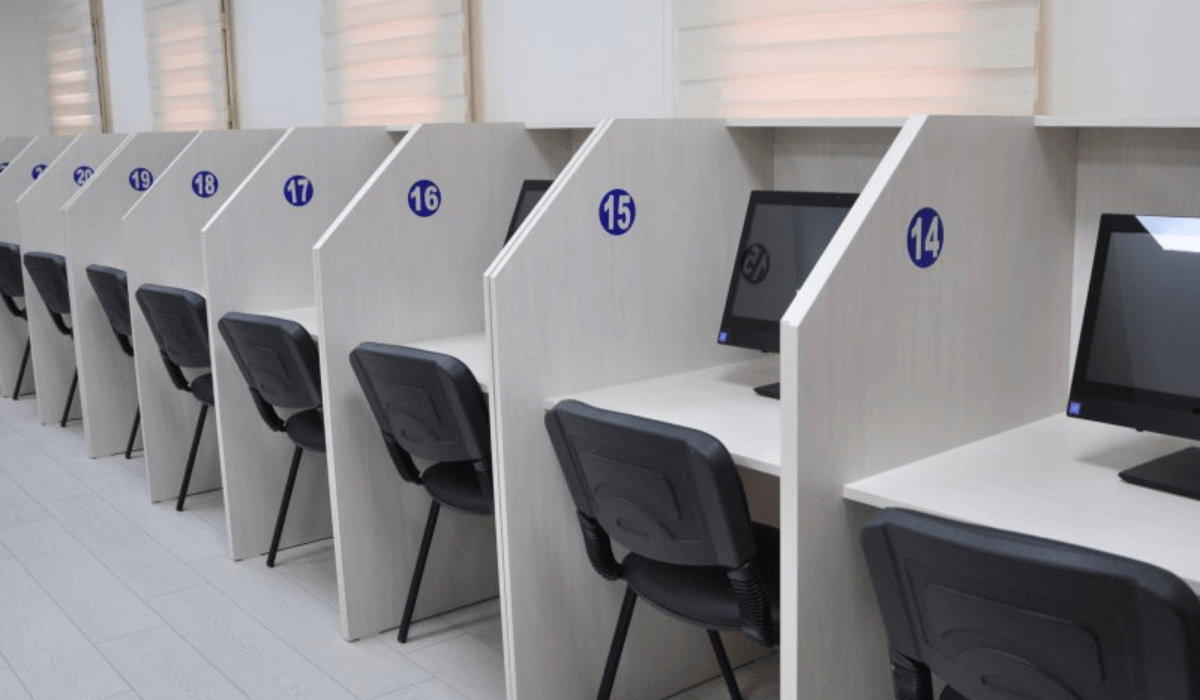
Turkey has largely ditched paper exams for the E Sınav (Electronic Exam). This digital approach is efficient and immediate. Once you register with an accredited driving school and complete your theory hours, you are eligible to book a slot.
How the E Sınav Works
You will take the test at a designated government E Exam center. The interface is user-friendly, allowing you to flag questions and return to them later. Do not rush; you have enough time.
The exam consists of 50 questions broken down as follows:
- Traffic and Environment: 23 Questions
- First Aid: 12 Questions
- Vehicle Technique (Engine/Mechanics): 9 Questions
- Traffic Etiquette: 6 Questions
The Passing Strategy: You have 45 minutes. You need 70 points (35 correct answers) to pass. Here is the golden rule: Wrong answers do not deduct points. Never leave a question blank. If you don’t know the answer, guess.
Exam Fees (2025/2026 Outlook)
Inflation in Turkey affects government fees regularly. As of the 2025 schedule, the E Exam fee hovers between 600 and 900 TL depending on bank service charges. These fees are payable via state banks (Ziraat, Halkbank, VakıfBank). Most people simply use the mobile banking apps of these banks to pay under the “Education/Exam Payments” menu.
One of the best features of the E Sınav is the speed of results. You don’t wait weeks; you receive your score immediately at the kiosk outside the exam room.
Critical Rules:
- You have 4 attempts to pass.
- If you fail, there is a mandatory 15-day waiting period before you can retake it.
- Appointments can be changed up to 3 days before the exam date.
Can Foreigners Take the Test in English?
Yes. This is a massive relief for expats. The theoretical exam software offers multiple language options, typically including English, German, Arabic, Russian, Chinese, and French.
Practitioner Tip: You must request your preferred language at the time of registration with your driving school. They cannot change the language setting on the day of the exam. If you are new to the country and navigating these bureaucratic hurdles, check our guide on finding a job in Turkey, which covers similar document preparation challenges.
The Practical Driving Exam (Direksiyon Sınavı)

Once you clear the theory, the real work begins. Your driving school will schedule your practical exam, usually on a weekend between 08:20 and 17:10.
The government fee for the practical exam in 2026 is 2,000 TL. However, be warned: failing is expensive. If you fail, you must pay the exam fee again plus mandatory remedial driving lessons, which can significantly inflate the cost.
The slot is 40 minutes long, with a minimum of 35 minutes of actual driving. The first 5 minutes are a technical interrogation.
The Exam Workflow
You will have two examiners (commission members) and your instructor in the car. Your instructor sits in the back and is forbidden from helping you. Here is the sequence:
- Under the Hood: You must point out the battery, oil dipstick, coolant, and wiper fluid.
- The Trunk: Identify the spare tire, jack, warning triangle, and first aid kit.
- Tire Check: A visual check or a light kick to ensure pressure is adequate.
- Cockpit Prep: Adjust your seat, fix your mirrors, and put on your seatbelt. (Forget the belt, and you fail before starting the engine).
- Controls: Explain the wipers, lights, handbrake, and dashboard indicators.
- The Drive: Start the engine, signal left to exit, release the handbrake, and check your blind spot.
- Traffic Conduct: Use signals for every lane change, obey speed limits strictly, and yield correctly.
- Required Maneuvers:
- L Park: Reversing into a spot at a 90-degree angle.
- Parallel Park: Reversing between two barriers. You usually have one attempt to enter and a maximum of two corrections inside.
- Emergency Stop: Braking abruptly at 30 km/h upon command.
- Hill Start: Stopping on an incline and starting again without rolling back.
- Reverse Straight: Reversing 25 meters in a straight line without touching lane markers.
How to Fail: The Red and Yellow Error System
Turkish examiners use a color coded tablet system. It is binary and strict.
- Red Errors (Immediate Fail): These end your exam instantly. The instructor takes the wheel, and you walk back. Examples include: failing to buckle up, running a red light, speeding, or forgetting to signal.
- Yellow Errors (Two Strikes): You can make one yellow error, but a second one results in failure. Examples include stalling the engine or failing to check a mirror.
The most common reason for failure? Turn signals. If you pull out, turn, or change lanes without a signal, it is over.
If you pass, congratulations! You have navigated one of Turkey’s trickier bureaucratic processes. While you celebrate, you might want to ensure your phone connectivity is sorted for your future road trips. Check our Vodafone Turkey survival guide for tips on managing costs.
If you don’t pass the first time, don’t panic. Many drivers need a second attempt to master the specific parking maneuvers required by the commission. Wait the mandatory 2 weeks, take the extra lessons, and try again.