
Halide Edip Adıvar: A Pioneer of Turkish Literature and Politics
Table of Contents
Few writers have stood on a public platform and helped steer a nation’s future. Halide Edip Adıvar did exactly that—pen in hand, voice raised—during one of the most turbulent periods in Turkish history.
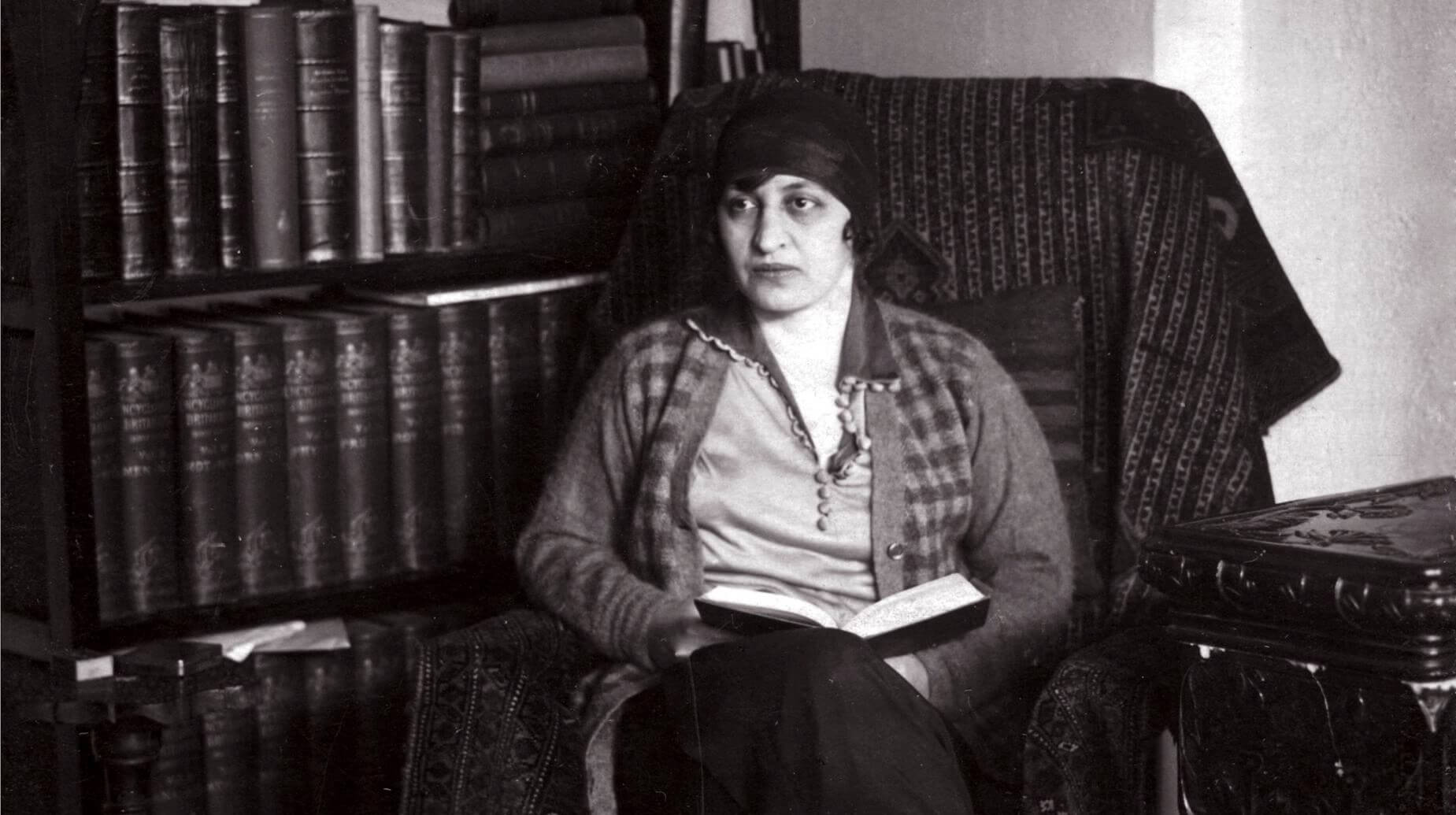
Born in Istanbul in 1882, Halide Edip Adıvar lived through the collapse of the Ottoman Empire and the birth of the Turkish Republic. She was not a distant observer. She wrote novels that shaped public opinion, gave speeches that drew tens of thousands, and worked directly inside the National Movement. Her life offers a firsthand account of Turkey’s transformation—intellectual, political, and social.
Halide Edip Adıvar: Literary & Political Ventures
Journalism Beginnings
Halide Edip began writing for Tanin newspaper under the pen name “Halide Salih.” Her columns quickly attracted attention for their clarity, confidence, and reformist tone.
Return and Teaching
After a short exile in Egypt following political unrest, she returned to Istanbul and taught at Dârülmuallimât, training future generations of women educators.
Major Literary Works
Novels such as Handan and Yeni Turan marked her shift toward psychological depth and political themes, setting her apart from her contemporaries.
Political Activism
Her speeches after the occupation of Izmir—especially the famous Sultanahmet rally—turned her into one of the most recognizable civilian voices of the National Movement.
Anadolu Ajansı
Working with Yunus Nadi and with Mustafa Kemal’s backing, she helped conceptualize Anadolu Ajansı, ensuring reliable information flowed from Anatolia during the War of Independence.
Early Life of Halide Edip Adıvar
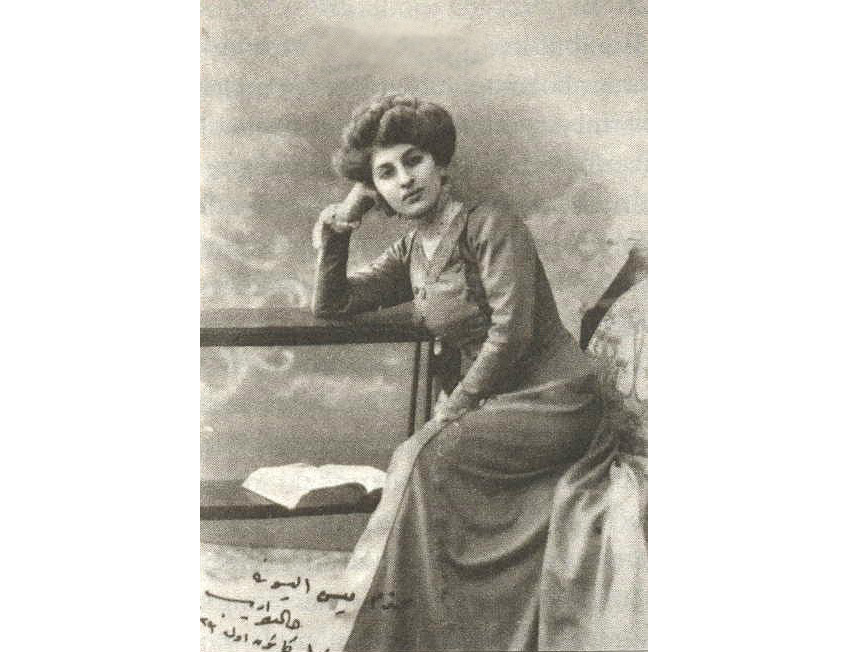
Halide Edip was the daughter of Mehmet Edip Bey, chief clerk at the Ottoman Palace. After losing her mother at a young age, she was largely raised by her grandmother, an experience that later shaped her sensitivity to family life and women’s roles.
Her education was exceptional for a girl of her time. She attended the American College in Istanbul and studied privately with leading intellectuals. Rıza Tevfik introduced her to literature and philosophy, Salih Zeki taught mathematics, and Şükrü Efendi instructed her in Arabic.
Professional Beginnings and Personal Life
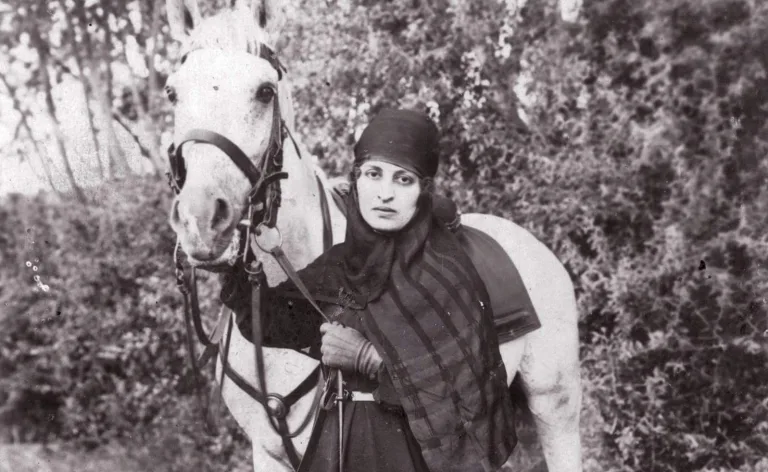
Marriage: She married her tutor Salih Zeki shortly after graduating. They had two sons. Following his second marriage, they separated. In 1917, she married Dr. Adnan Adıvar, a physician and politician who became her closest intellectual partner.
Literary Beginnings: Her first major success came through translation. Her Turkish version of John Abbott’s Mother earned her the Şefkat Nişanı, drawing attention to her talent well before she became a public figure.
Literary & Political Ventures
Anadolu Ajansı (AA): Founded in 1920, Anadolu Ajansı has since grown into one of Turkey’s most influential media institutions. As of 2026, AA operates from 39 global hubs, maintains a presence in over 100 countries, employs more than 3,000 staff, and publishes news in 13 languages, including Turkish, English, Arabic, French, Spanish, Russian, Persian, Indonesian, Bosnian, Albanian, Macedonian, Kurdish (Sorani), and Kurdish (Kurmanci).
Works of Halide Edip Adıvar
Her body of work spans novels, short stories, plays, and memoirs. Titles such as Ateşten Gömlek, Sinekli Bakkal, and Türkün Ateşle İmtihanı remain widely read for their literary quality and historical insight.
A Brief
Halide Edip Adıvar stands as one of the rare figures who bridged literature and action. She wrote about society while actively reshaping it—through education, journalism, and political engagement. Her legacy still resonates in Turkish literature, women’s rights, and the collective memory of the National Movement.