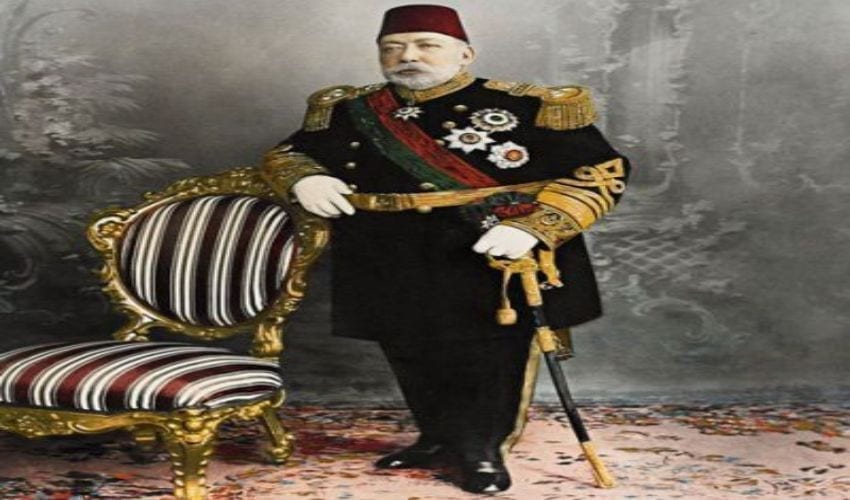
Sultan Mehmed V Reşad: The Tragic Poet Who Watched an Empire Fall
Table of Contents
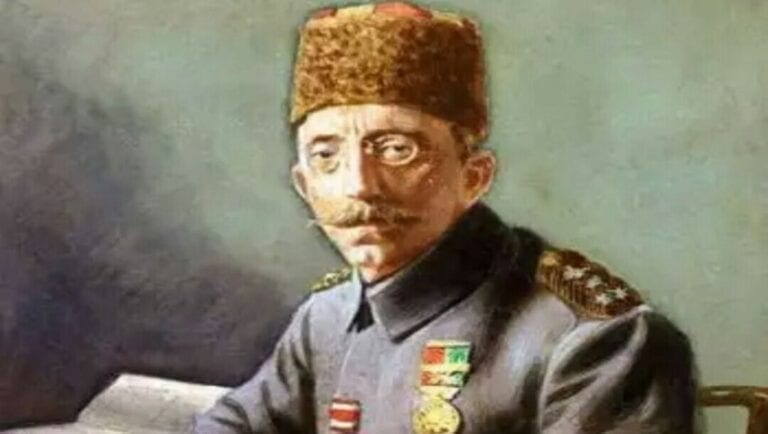
Imagine waiting 30 years in a single room to become Emperor, only to walk out and find the world on fire. That was the destiny of Sultan Mehmed V, known affectionately as Sultan Reşad.
He was the 35th ruler of the Ottoman Empire and the 114th Caliph of Islam, but history often remembers him as something else: a tragic figurehead. Rising to the throne in 1909 after the violent deposition of his brother, Sultan Abdülhamid II, Reşad didn’t inherit a stable kingdom. He inherited a ticking time bomb.
His nine year reign wasn’t just a chapter in history books; it was the final act of a 600-year old dynasty. While he held the title, the real power had already shifted to the Committee of Union and Progress (Young Turks). He was a man of peace forced to sign the orders for World War I.

The Royal Bloodline
Sultan Mehmed V was the product of a dynasty that had shaped the world map for centuries. His direct lineage connects the modern era back to the legendary founders of the empire:
Sultan Mehmed V Reşad, son of Abdülmecid I, son of Mahmud II. tracing back through the likes of Süleyman the Magnificent and Mehmed the Conqueror, all the way to Osman Gazi.
Behind the palace walls, his personal life was extensive. He had five wives, a common practice for the era, though the harem structure was beginning to fade along with the empire:
- Kamures Kadın: His first wife and mother to Prince Mehmed Ziyaeddin.
- Dürrüaden Kadın: His second wife, mother of Prince Mahmud Necmeddin.
- Mihrengiz Kadın: She became the second consort after Dürrüaden’s death and was the mother of Prince Ömer Hilmi.
- Nazperver Kadın: Mother to Refia Sultan, a daughter who tragically died in infancy.
- Dilfirib Kadın: His fifth consort, with whom he had no children.

Life in the Golden Cage (Kafes)
To understand Reşad’s passivity as a ruler, you have to look at his youth. Born on November 2, 1844, at the Çırağan Palace, he didn’t grow up learning statecraft or military strategy.
Instead, he lived in the Kafes (The Cage)—a luxurious form of house arrest designed to keep Ottoman princes from plotting coups. For over 30 years, he lived in seclusion, with nine of those years spent in strict isolation. While the world outside was industrializing and modernizing, Reşad was inside, mastering old Persian poetry and Islamic history.
This isolation created a man who was gentle, intellectual, and deeply religioustraits that made him a wonderful human being but a vulnerable Sultan in a pit of wolves. It wasn’t until the Second Constitutional Era (1908) that he was allowed to step into the public eye as “Crown Prince Sultan Reşad Effendi.”

The Reign: 1909-1918
When he ascended the throne on April 27, 1909, at the age of 64, Mehmed V became the oldest Sultan to take office. He was the definition of a constitutional monarcha symbol with no sword. The executive power was firmly gripped by the aggressive leadership of the Committee of Union and Progress.
In a moment of tragic optimism, he announced:
“I am the first Sultan of Freedom, and I am proud of it.”
One of his first moves was symbolic: he left the Yıldız Palace, the fortress of his brother’s autocracy, and moved to the Dolmabahçe Palace. Locating these historical landmarks today is easier with modern mapping, but understanding the intricate layout of the city’s districts still requires a grasp of the Turkish address format, which has evolved significantly since imperial times.
To try and hold the crumbling empire together, he embarked on a tour of Rumelia in June 1911. He visited Thrace, Albania, and modern day North Macedonia, trying to reignite loyalty in the Balkans. It was a farewell tour, though he didn’t know it yet. Just a few years later, these lands would be lost. Today, the gateway to this region remains the historic city of Edirne, a former Ottoman capital that still serves as a commercial hub for cross border trade, as detailed in our guide to shopping in Edirne.
World War I and the Reluctant Jihad
Mehmed V was personally opposed to war. However, he had no mechanism to stop the government led by Enver Pasha from dragging the Empire into World War I alongside Germany and Austria Hungary. This alliance was the precursor to modern strategic partnerships between the regions, much like the contemporary energy deals seen in the Azerbaijan Germany gas alliance.
On November 14, 1914, in his role as Caliph, Sultan Reşad was compelled to declare Jihad (Holy War) against the Allies. It was a desperate gamble to incite Muslims in British and French colonies to revolt. It largely failed.

The German Kaiser Wilhelm II even visited Istanbul in 1917, greeting Mehmed V as a loyal ally. But pomp and ceremony couldn’t hide the reality: the Empire was starving, bleeding, and shrinking. The loss of the Middle East and the Balkans happened under his watch, a heavy burden for a man who preferred poetry to politics.
Death and Legacy
There is a small mercy in Sultan Mehmed V’s death: he didn’t live to see the total surrender. He passed away from heart failure on July 3, 1918, at the age of 73, just months before the signing of the Armistice of Mudros which effectively ended the Ottoman Empire.
He was buried in the historic Eyüp district of Istanbul, a quiet spot befitting his character. He was succeeded by his brother, Mehmed VI Vahideddin, who was left to turn off the lights on six centuries of history. Mehmed V remains a symbol of a transition eraa gentle soul crushed between the wheels of modern warfare and revolutionary politics.