Lipton Turkey: The 2026 Strategy Shift, Factory Sales & Product Guide
Table of Contents
Is Lipton leaving Turkey? Absolutely notbut the tea in your glass is part of a massive corporate shuffle. If you’ve been following the headlines in late 2025, you might be confused. Is Lipton selling its factories? Is the iconic yellow box disappearing from Migros shelves? The answer is a definitive “Yes” to the sales, but with a completely new strategy that secures their future in the tea capital of the world.
In this analysis, we don’t just list the tea blends; we dissect the economic pivot happening right now. From the takeover by CVC Capital Partners to the historic handover to Özgür Çay, here is what is actually going into your cup.
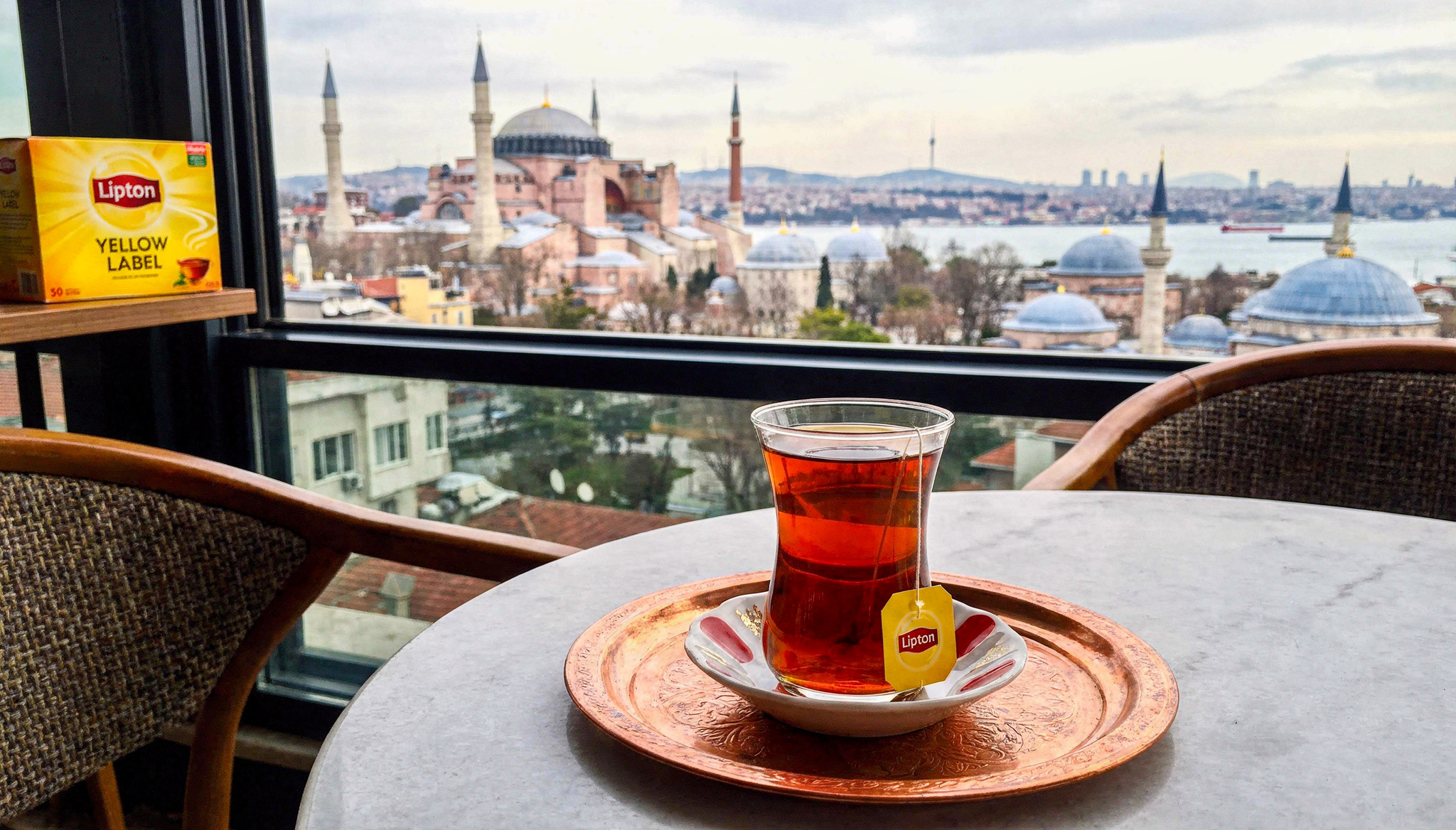
The New Lipton Turkey: What Happened in Late 2025
To understand the Lipton of 2026, we need to look at the ownership map. For decades, Lipton was the crown jewel of Unilever. That changed when the tea division, rebranded as ekaterra (now LIPTON Teas and Infusions), was sold to the private equity giant CVC Capital Partners.
The news broke in October 2025: Lipton announced the transfer of its wet tea processing facilities in Rize (specifically in Pazar and Fındıklı) to the local manufacturer Özgür Çay (Öz Gür Çay A. Ş.). This isn’t just a sale; it’s a change in philosophy.
- Exiting the Fields: Lipton is stepping back from the direct processing of raw tea leaves in Rize. This moves them to an “asset light” model, reducing their overhead in the agricultural volatility of the Black Sea region.
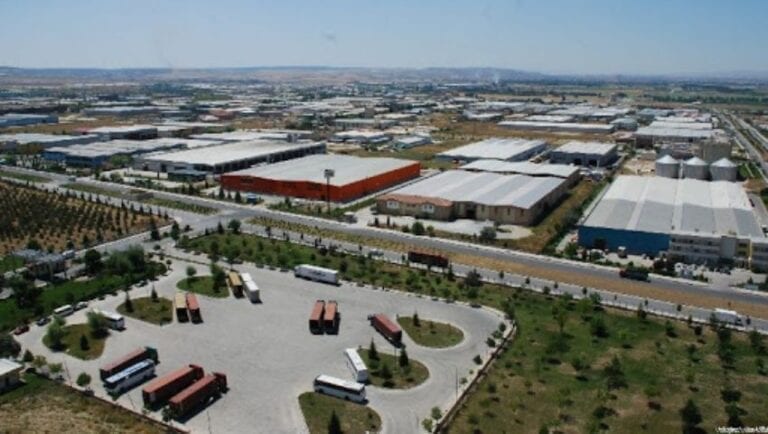
- Focus on Blending: Instead of processing leaves, the company has poured approximately €30 million into a state-of-the-art facility in Sakarya. This is where the magic happensblending, flavoring, and packaging. They effectively sold the kitchen but kept the chef.
- Consumer Stability: For you, nothing changes at the checkout counter. Lipton is doubling down on brand management, innovation, and distribution.
This move mirrors a broader trend where international giants hand over production to local experts to remain agile. It’s similar to the shifts we’ve analyzed in Turkish milk production, where supply chains are localizing while brands remain global. While business analysts applaud the efficiency, it hasn’t been without frictionreports of layoffs and worker protests in Rize highlight the human cost of these corporate efficiencies.
Why Lipton Matters in the Land of Çaykur
Tea in Turkey is not a beverage; it is the social lubricant of the entire nation. With a per capita consumption exceeding 3 kilograms annually, Turks are the undisputed world champions of tea drinking. Lipton is one of the few foreign brands that has managed to stand toe to-toe with the state run giant, Çaykur.
The secret? Lipton cracked the code of the Turkish palate. They don’t just sell the standard “English Breakfast” here. They engineered specific Doğu Karadeniz (Eastern Black Sea) blends that produce that essential “tavşan kanı” (rabbit’s blood) deep red color required for a proper Turkish tea experience.
Practitioner’s Tip: To get that perfect color, the tea leaf is only half the battle. You need the right mechanics. Check out our guide on Buying a Car in Turkey—wait, not that onefocus on getting a proper double kettle (çaydanlık). Without the steam brewing method, even the best Lipton blend will taste flat.
The 2026 Product Lineup: What to Buy
Lipton Turkey segments its market into three distinct pillars: the daily driver (Black Tea), the flavored specialties, and the functional wellness line.
1. The Daily Driver: Black Tea (Siyah Çay)
This is where Lipton competes directly with local powerhouses. The leaves are sourced from Rize, now via their partner Özgür Çay.
- Yellow Label: The global icon, but tweaked for Turkey. It’s consistent, forgiving if you over brew it slightly, and available everywhere.
- Doğu Karadeniz: This is the one to buy if you want the authentic experience. It combines the robust, slightly bitter punch of Rize tea with Lipton’s smoothness.
- Earl Grey: Surprisingly popular in Turkey. It is often mixed 50/50 with regular black tea in the pot to add a subtle bergamot note without overpowering the traditional taste.
2. Herbal & Fruit Teas (Bitki ve Meyve Çayları)
While black tea is sacred, herbal teas are the evening ritual. Lipton dominates the innovation here:
- Linden (Ihlamur): The ultimate winter defense. You will find this in every Turkish grandmother’s cupboard during flu season.
- Slim Plus Series: These are bestsellers in pharmacies (Eczane) and markets. Blends like “Apricot” (Kayısı), “Cherry Stalk” (Kiraz Sapı), and “Mate” are heavily marketed for edema relief and diet support.
If you are interested in the business side of these agricultural products, our report on Starting a Company in Turkey offers insights into how foreign entities navigate the local regulatory landscape.
Sustainability: More Than Just a Sticker?
One area where Lipton has genuinely shifted the needle is certification. They were the pioneers in bringing Rainforest Alliance standards to the Black Sea region.
Even after the factory handover to Özgür Çay, Lipton has stated that adherence to these sustainability standards is a non negotiable part of their supply contracts. The goal is to make Turkish tea competitive globally. Turkish tea has a unique advantage: because snow covers the tea fields in Rize during winter, pests die off naturally, meaning the tea is grown with almost zero pesticides. It is arguably the most “natural” mass market tea in the world.
Pricing & Availability
Lipton positions itself in the mid to-high price tier. While state subsidized Çaykur is often cheaper, you pay Lipton for the consistency and the engineering of the bag (like the pyramid bags that allow better leaf expansion).
Whether you are stocking up for the upcoming Public Holidays in Turkey or just refilling the pantry, you will find Lipton in every “Bakkal” (corner store) and major supermarket like Migros or CarrefourSA.
The Verdict: A Mixed Future
The transformation of Lipton in Turkey in 2025 signals where the industry is heading: away from owning heavy machinery and towards brand power, marketing, and the high-tech blending facility in Sakarya. For the tea lover, this is good news. The quality controls remain strict, while local producers like Özgür Çay get a massive boost in volume.
Next time you sip a glass of Lipton Earl Grey in Istanbul, know this: It’s a British brand, owned by a Luxembourgish fund, packed in Sakarya, with leaves processed by a Turkish family business in Rize. That is globalization in a cup.