
Buying Medicine in Turkey: A Foreign Student’s Real Experience
Table of Contents
The first time I needed medicine in Turkey, I didn’t panic—I was surprised by how systemized everything was. If you’re new to the country, pharmacies can feel intimidating at first, but once you understand the rules, the process is straightforward.
Hello! I’m Abdullah, a foreign student living in Eskişehir. As the founder of Turkpidya, I’m often asked how buying medicine in Turkey actually works for expats and international students. This article is based on my personal experience, updated to reflect how things work today.
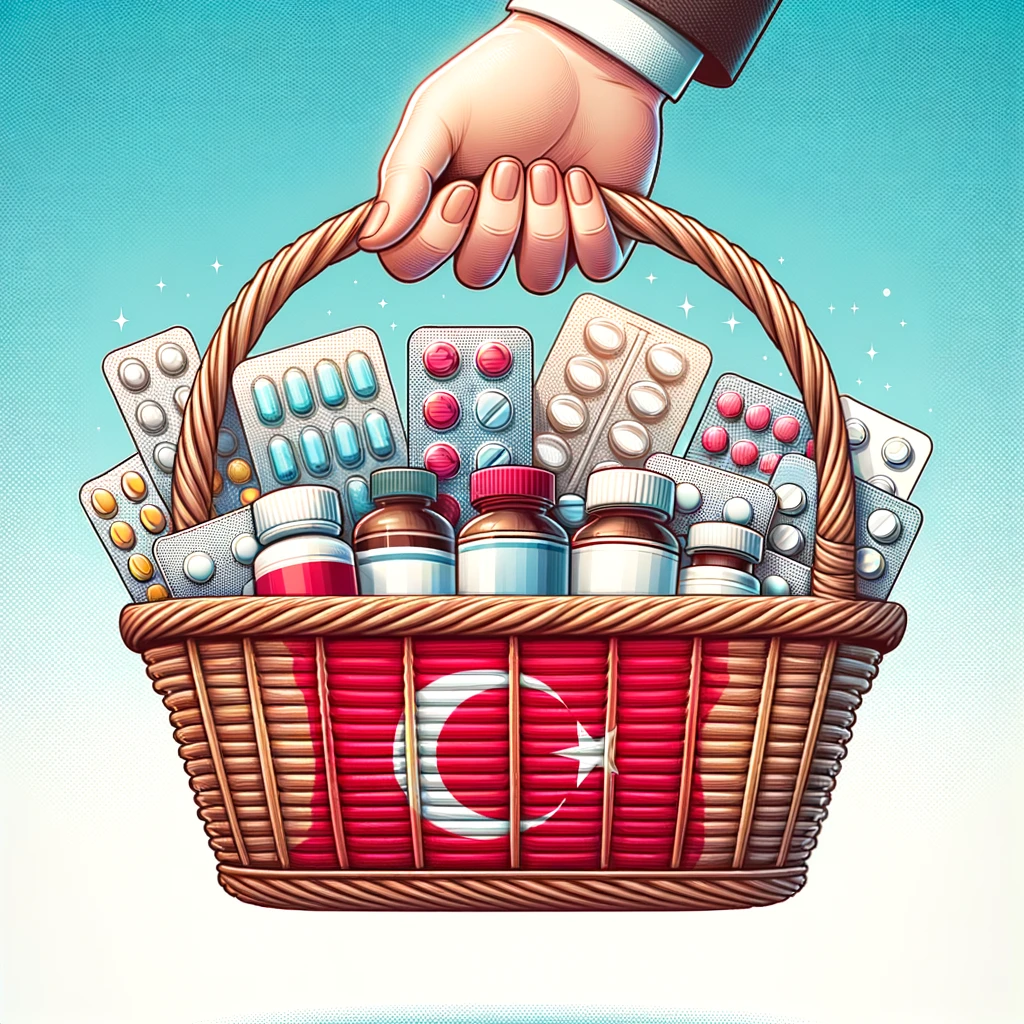
Spotting Turkish Pharmacies
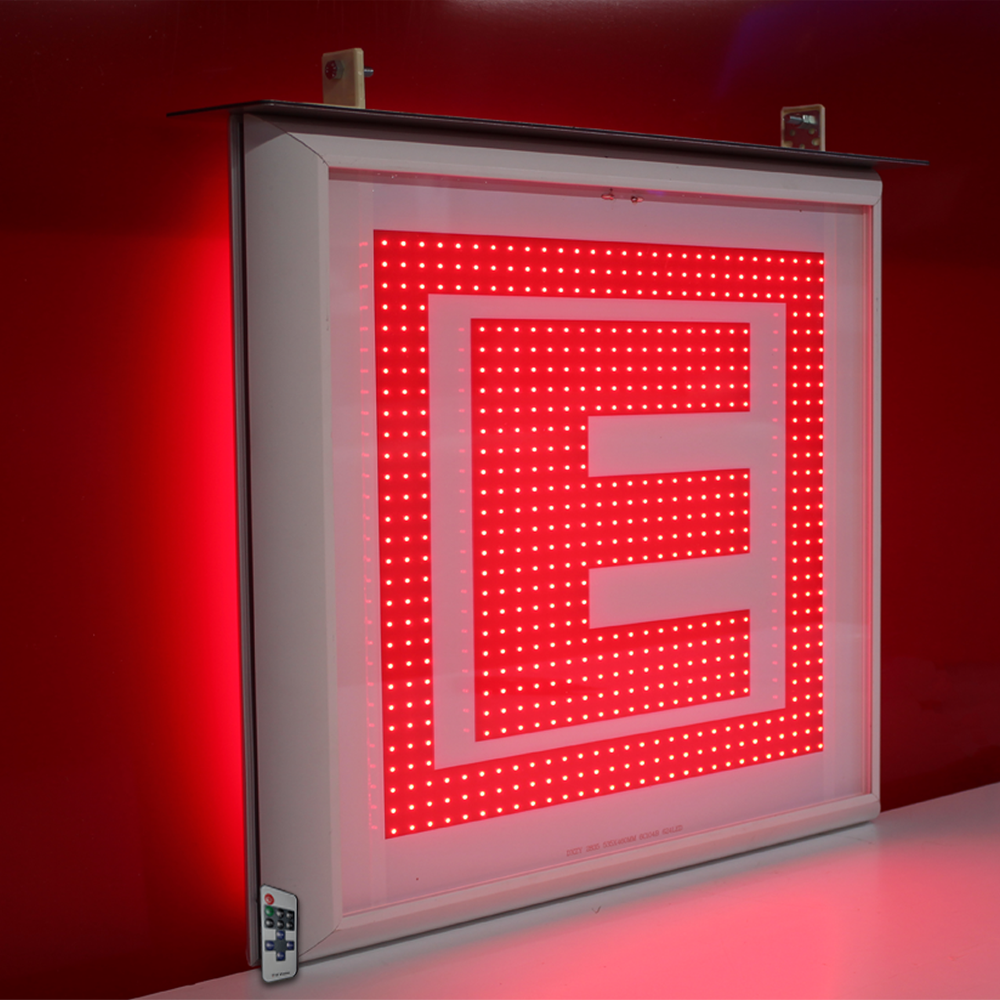
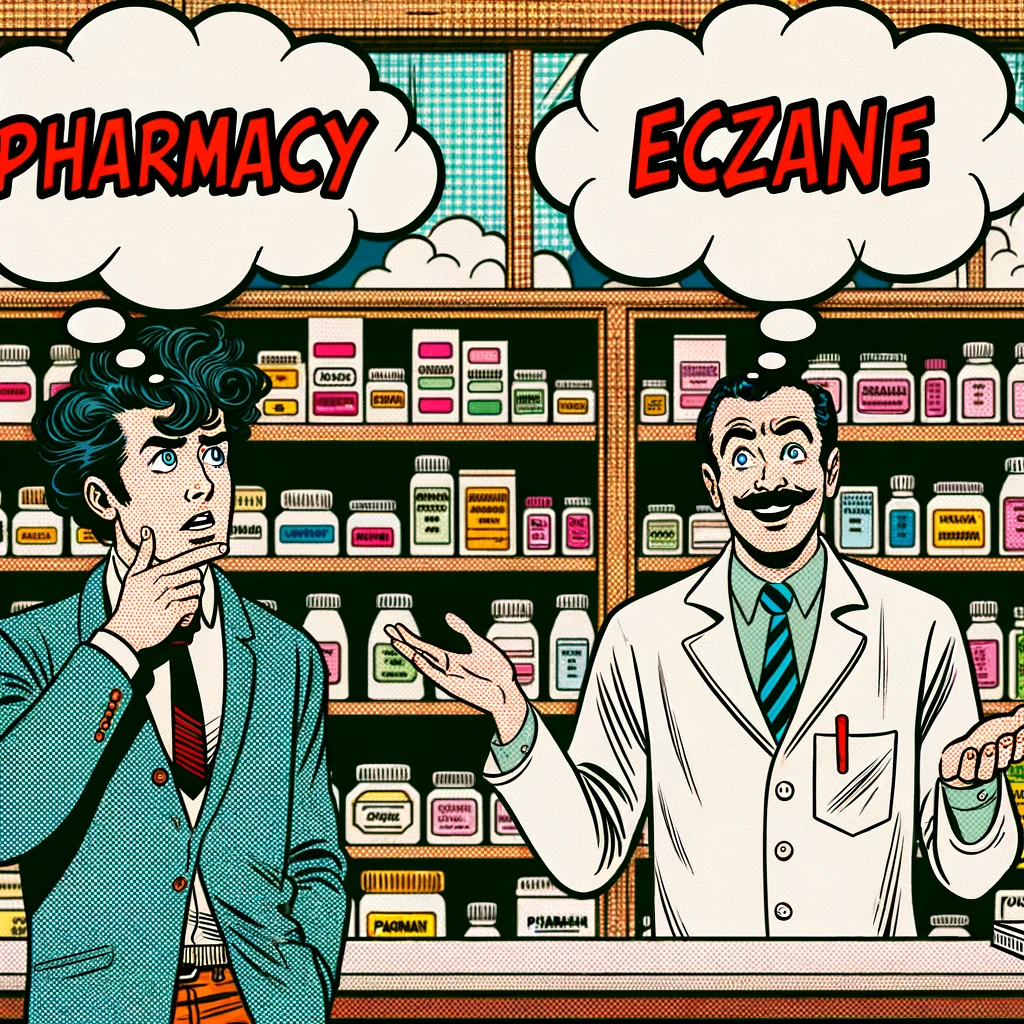
Finding a pharmacy in Turkey is easy once you know what to look for. Pharmacies are called Eczane, and they’re marked by a bright red “E” on a white background.
Quick tip: the red “E” literally stands for “Eczane.” If you see it, you’re in the right place.
The Doctor-Prescription-Pharmacy Process
In Turkey, buying most prescription medicine starts with a doctor’s visit. As a foreign resident with a Turkish ID number (usually starting with 99), my prescriptions are issued digitally and stored in the national e‑Nabız system. This platform is still Turkey’s official digital health record system, where prescriptions and medical history are securely stored. You can learn more at the e‑Nabız website.
At the pharmacy, the process is simple once you know the routine. You’ll need your ID and your e‑prescription number (called e‑reçete). This number is usually given by hospital staff or sent to your phone via SMS.
The pharmacist enters your ID and e‑prescription number into their system, and your medicine is prepared. Payment is typically accepted in cash or by credit card.
Working Hours and Pharmacies on Duty
Pharmacies in Turkey usually operate from around 8–9 a.m. until 6–7 p.m. They are not open 24/7. Outside these hours, medical needs are covered by Nöbetçi Eczane—pharmacies on duty that rotate nightly, on weekends, and during public holidays.
You can find the nearest duty pharmacy listed on notice boards or digital screens outside pharmacies. As of now, duty pharmacies can also be checked through official online sources, including government platforms, or by searching “Nöbetçi Eczane + city name” on Google.
The Experience in Turkish Pharmacies
Turkish pharmacies sell more than prescription drugs. You’ll also find skincare products, vitamins, medical supplies, and items like nicotine patches. Over‑the‑counter medicines such as basic painkillers are commonly sold without a prescription.
For many prescription medicines—especially antibiotics—a doctor’s prescription is generally required, based on recent practice. If you’re using public or private health insurance, a valid prescription is usually necessary for coverage.
The Language Barrier
Based on my own experience, language is usually manageable in pharmacies, especially in student cities and larger urban areas. Some pharmacists speak English, but this is not guaranteed, so learning a few basic Turkish phrases helps a lot.
Here are some Turkish phrases I personally use when visiting a pharmacy:
- Bu ilaçlar sizde bulunur mu? (Do you have these medicines?)
- Onları istiyorum. (I want those.)
- Bunları nasıl kullanacağım? (How do I use these?)
- Bu ilaç nasıl kullanılıyor? (How is this medicine used?)
- Bu hapı yemekten sonra mı? (Should I take this pill after a meal?)
- Ağrı kesici almak istiyorum. (I want to buy a painkiller.)
- Çocuk için ateş ilacı var mı? (Do you have fever medicine for children?)
- Bu ilaçtan günde kaç defa almalıyım? (How many times a day should I take this?)
- Burun damlası var mı? (Do you have nose drops?)
- Kaşıntı merhemi var mı? (Do you have ointment for itching?)
- Göz damlası almak istiyorum. (I want to buy eye drops.)
Even using just one or two of these phrases makes the interaction smoother and shows respect for the local language.
Comparing Buying Medicine in Turkey With Other Countries
The biggest difference I’ve noticed between Turkey and some other countries is regulation and structure rather than price. Pharmacy hours are clearly defined, prescriptions are digital, and after‑hours access is handled through the duty pharmacy system.
| Aspect | Egypt | Turkey | Qatar |
|---|---|---|---|
| Pharmacy Operating Hours | Flexible | Defined schedule | Defined schedule |
| After‑hours pharmacies | Varies by area | Official duty pharmacies | Official duty pharmacies |
| Prescription enforcement | Looser for some medicines | Digitally enforced | Digitally enforced |
Scenario – Buying Medicine Without a Residence Permit
When I first arrived in Turkey, I didn’t yet have a residence permit—only my passport and visa. In my case, the hospital issued a printed prescription linked to my passport, which I was able to use at a pharmacy. This reflects my personal experience and may vary by hospital or location.
At the time, I relied on travel insurance. I paid out of pocket at the pharmacy and later applied for reimbursement through my insurance provider.
If you’re new to Turkey, my advice is simple: carry your ID, ask questions, and don’t assume the process is the same as back home. Once you’ve done it once, buying medicine here feels routine.
TL;DR
- Pharmacies are marked with a red “E” sign.
- Prescriptions are issued digitally through the e‑Nabız system.
- You’ll need your ID and e‑prescription number to collect medicine.
- Pharmacies are not open 24/7; duty pharmacies cover nights and holidays.
- Some medicines are sold OTC, but insurance usually requires a prescription.
- English is sometimes spoken, but basic Turkish phrases go a long way.
- In limited cases, passports may be used for prescriptions, based on personal experience.