Eskişehir Economy: The Hidden Industrial Engine Behind Turkey’s Exports
Table of Contents
Eskişehir is frequently misunderstood. To the casual observer, it is a picturesque student city with European style riverbanks and bustling cafes. But beneath that youthful veneer lies one of Turkey’s most critical industrial hubs. While other Anatolian cities rely heavily on agriculture or seasonal tourism, Eskişehir has engineered a rare symbiosis of high-tech manufacturing, heavy industry, and a dynamic, educated workforce.
Why should you care? Because Eskişehir doesn’t just produce goods; it connects global systems. This is where the historic Silk Road meets modern high-speed rail and the global aerospace supply chain. The city’s economic resilience is built on a solid foundation: 57% services and a robust 39% industry. But the real story isn’t the volume; it’s the complexity. We aren’t talking about basic assembly lines here; we are talking about jet engine technology and advanced railway systems.
The Industrial Engines: Aviation, Rail, and Automotive
Forget the average manufacturing stats. Eskişehir plays in the Champions League of Turkish industry. If you are looking to understand the real muscle behind the region, these are the sectors driving the data.
Aviation and Defense: Home in the Clouds
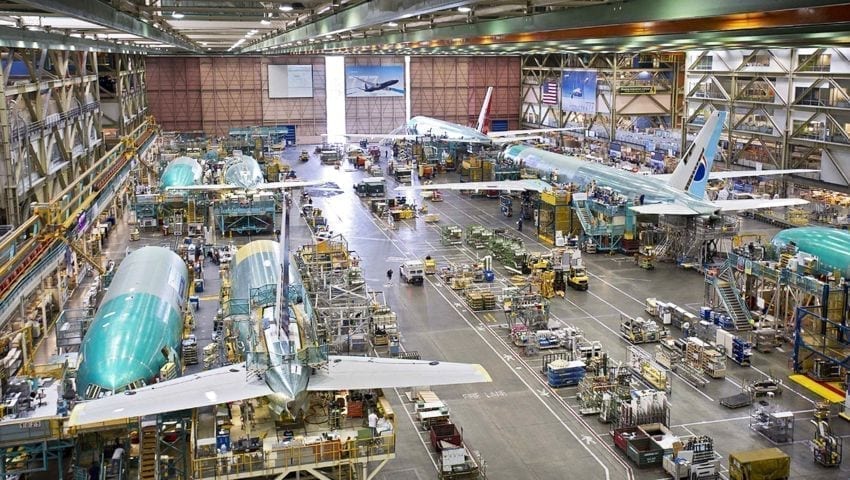
This is arguably the city’s crown jewel. Eskişehir is a core pillar of Turkey’s aviation sector. Engine parts manufactured here are widely used by leading global aircraft manufacturers, reflecting decades of specialized engineering and long-term integration into international aerospace supply chains.
- TEI (TUSAŞ Engine Industries): An industrial giant manufacturing critical engine components for both civil and military aircraft, exporting to the biggest names in aerospace.
- Alp Aviation: Another key player deeply integrated with global titans like Sikorsky, producing precision components that require zero margin for error.
- The Cluster Effect: Through the Eskişehir Aviation Cluster (ESAC), the city centralizes research, development, and production, creating a talent pool that rivals European hubs.
Railway Systems: The Transformation of TÜRASAŞ
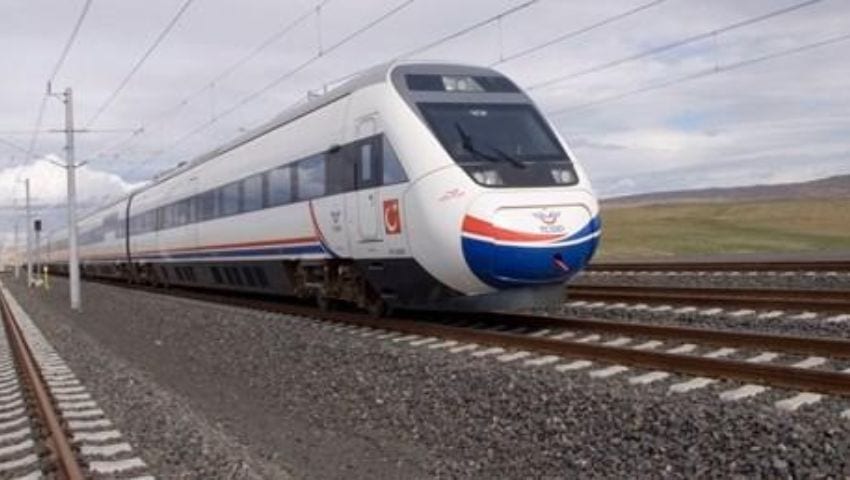
Eskişehir and railways are inseparable. Historically, this was the maintenance hub for the Ottoman Empire’s trains. Today, that tradition has been modernized for the high-speed era.
A specific tip for industry watchers: You may still hear locals or older documents refer to TÜLOMSAŞ. However, in 2020, this entity was merged with other state operations to form TÜRASAŞ (Turkey Rail System Utilities Industry Inc.). As the Eskişehir Regional Directorate, this facility doesn’t just repair locomotives; it is instrumental in designing and building Turkey’s next generation of High-Speed Trains (YHT).
Automotive: The Blue Giant
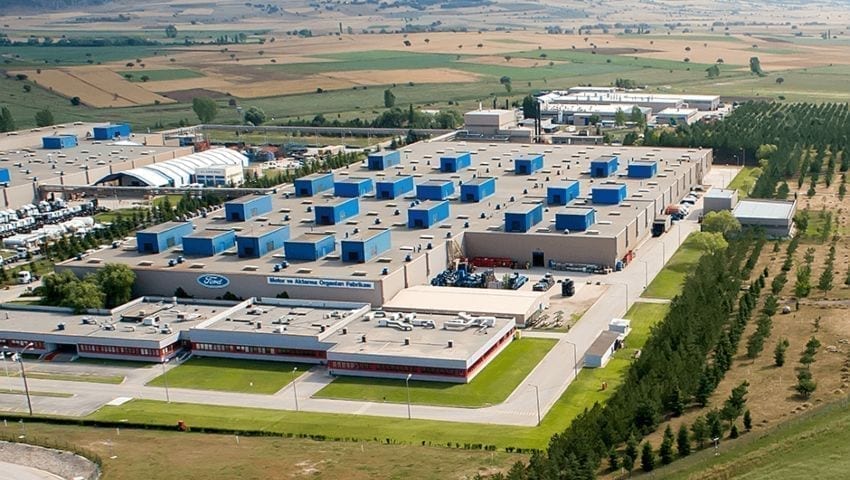
If you see a Ford truck hauling cargo on a highway in Germany or France, there is a high probability it was born in Eskişehir. The Ford Otosan plant in İnönü is one of the most advanced production facilities in the region. Unlike standard assembly plants that simply put pieces together, this facility manufactures the vehicles, the engines, and the powertrains all under one roof.
- Production Focus: Heavy commercial vehicles (Ford Trucks) and the Ecotorq engines.
- Strategic Advantage: The plant leverages the proximity of local universities to source engineers, creating a closed loop of education and employment that investors often look for. If you are considering starting a company in Turkey, this availability of skilled labor is a massive factor to consider.
Mining and Ceramics: Capitalizing on Natural Resources
Boron and the “White Gold”
Eskişehir literally sits on a fortune. The Kırka Mine possesses the world’s largest deposits of Boron minerals (Tincal). Since Boron is indispensable in future technologiesfrom fiberglass and fertilizers to nuclear reactor shieldingthis is a strategic asset of the highest order.
In addition to the famous Meerschaum (Lületaşı), which is almost exclusively found here and prized for artisan carving, there is a new focus on Rare Earth Elements. In Beylikova, a pilot plant operated by Eti Maden has been operational since 2023, with preparations for industrial-scale production continuing as of 2025.
The Ceramics Cluster
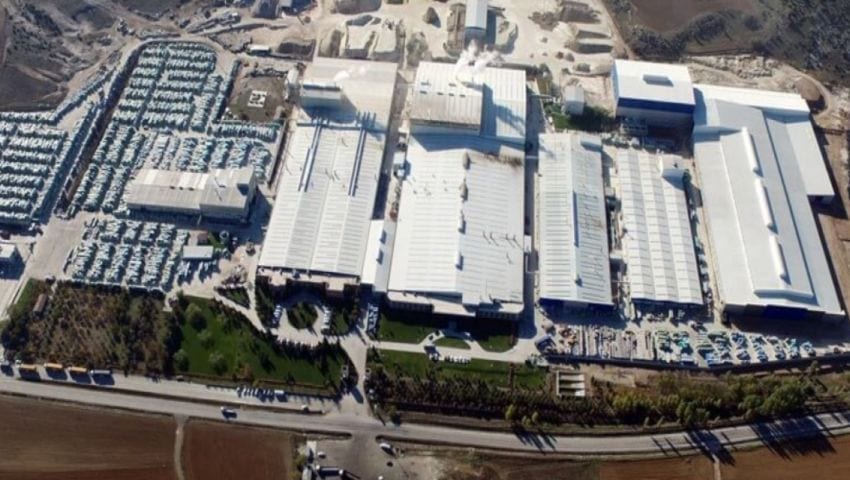
The Eskişehir Bozüyük axis is the undisputed center of Turkish ceramic production. This is where global brands call home. Companies like Yurtbay Seramik (with factories directly in Eskişehir) and nearby giants like Eczacıbaşı VitrA utilize the rich raw material deposits and logistical connections to export worldwide. For a broader look at how these sectors influence national numbers, check our analysis of Turkey’s foreign trade indices.
Food Industry: The Taste of Turkey
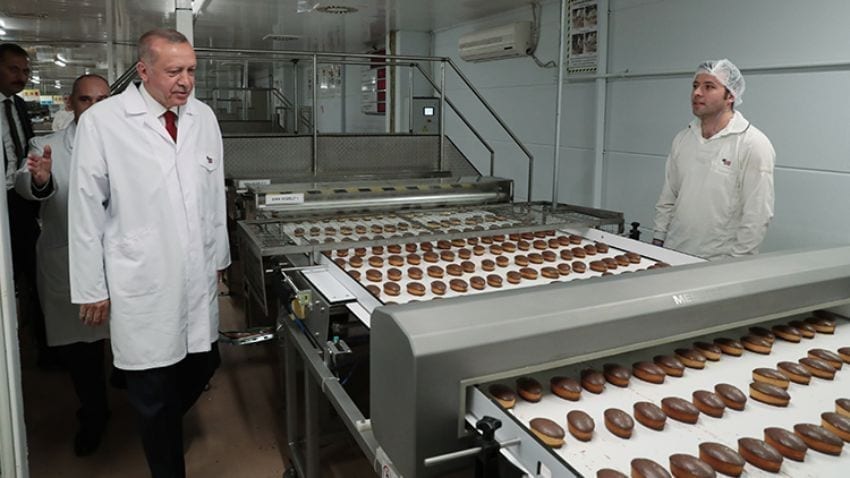
When Turkish people crave biscuits or chocolate, they inadvertently think of Eskişehir. The city is the headquarters of Eti Gıda, one of the country’s largest food conglomerates. Eti isn’t just a massive employer; it is an innovator that put Eskişehir on the culinary map. With exports reaching millions of dollars, the food sector contributes significantly to the local trade balance.
Trade & Logistics: The Gateway to Anatolia
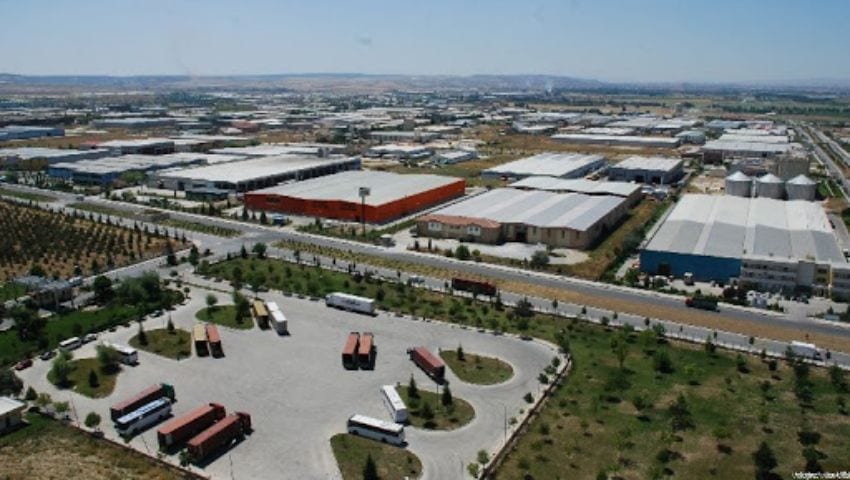
An often overlooked hero of Eskişehir’s economy is the Hasanbey Logistics Center. This hub directly connects the city’s industrial zones to the national railway grid and ports. For investors, this translates to faster routes to markets in Europe and the Middle East.
The city’s exports flow primarily to the USA, Germany, and France. While precise city-level export totals vary by source, Eskişehir remains one of Anatolia’s strongest export-oriented industrial centers, particularly driven by aviation, automotive, and ceramics.
See also: Kocaeli: Istanbul’s Industrial Engine & Green Escape
Tourism & Quality of Life
An economy cannot run on factories alone. Tourism in Eskişehir is booming thanks to intelligent urban planning that highlights the Porsuk River and the historic Odunpazarı district (currently on the UNESCO Tentative List). The city draws hundreds of thousands of visitors annually, bolstering the hospitality sector. When you combine this with the massive student populations of Anadolu University and Osmangazi University, you get a vibrant service economy that is unmatched in Anatolia.
Which industries are strongest in Eskişehir?
The city is supported by three main pillars: Aviation (TEI, Alp Aviation), Railway Systems (TÜRASAŞ), and Automotive (Ford Otosan). Additionally, the ceramics and food industries (Eti) are major economic drivers.
What are Eskişehir’s main exports?
Key exports include aircraft engine components, heavy trucks, boron minerals, ceramic tiles, and food products (biscuits, chocolate).
Why is Eskişehir attractive to investors?
The city offers a rare combination of a highly skilled workforce (thanks to two major universities), established industrial infrastructure (Hasanbey Logistics Center), and a high quality of life that retains talent.