7 Things to Do in Ankara: The 2026 Local’s Guide (Beyond the Bureaucracy)
Table of Contents
Istanbul gets the glory, the Bosphorus views, and the chaos. But Ankara? Ankara runs the show. For decades, travelers have dismissed the Turkish capital as a boring city of grey buildings and serious bureaucrats. That is a mistake.
As we kick off 2026, Ankara is home to nearly 6 million people and a subculture that is surprisingly vibrant if you know where to look. It is the logistical center of Anatolia, the resting place of the Republic’s founder, and a city that demands respect rather than affection.
This isn’t a history lecture. This is your practical, street smart guide to navigating the hilltops, the sudden frost (the legendary Ankara Ayazı), and the hidden corners of Turkey’s second largest city.
The 2026 Logistics: What You Need to Know Before You Go
Before you hit the pavement, you need to sort out your wallet. Inflation has shifted prices significantly this year, so ignore any guide written before December 2025.
- The Museum Hack: If you are a Turkish citizen or resident, buy the Müzekart immediately. It costs 60 TL (standard) or 100 TL (mobile version) and pays for itself after one visit. For tourists, the MuseumPass Turkey is your best bet to avoid paying individual entry fees indexed to the Euro.
- Public Transport Sticker Shock: The AnkaraKart is essential. As of the 2026 tariff, a full fare (tam bilet) is now 35 TL, and transfers cost 17 TL. It’s not cheap, but it covers the EGO buses, the Metro (M1-M4), Ankaray, and the Başkentray commuter line.
- Connectivity: Navigating the metro lines requires data. EU roaming does not work here. Check our guide on Vodafone Turkey Prepaid & Roaming to avoid a bill that costs more than your flight.
1. Anıtkabir: The Pilgrimage, Not Just a Tomb
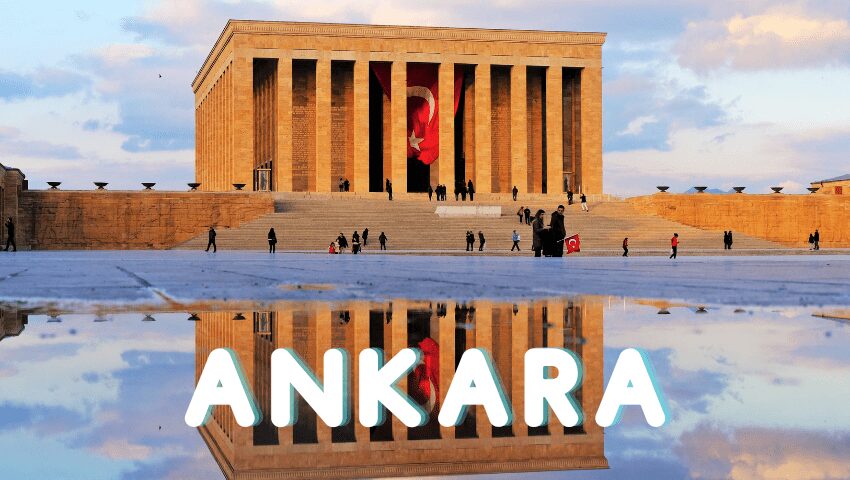
You cannot understand modern Turkey without understanding Anıtkabir. Located on what was once an observation station (Rasathane), this massive mausoleum complex is the final resting place of Mustafa Kemal Atatürk. It took nine years to build (1944-1953) and is an architectural masterpiece blending Seljuk and Ottoman styles.
The Practitioner’s Tip: Timing is everything. As of January 2026, winter visiting hours end strictly at 16:00. Do not arrive at 15:30 expecting a leisurely tour. The sheer scale of the ceremonial plaza requires at least 90 minutes. If you are lucky, you will catch the changing of the guardsa display of discipline that rivals Buckingham Palace.
2. Kızılay Square: The Chaotic Heart
If Anıtkabir is the soul of Ankara, Kızılay is its circulatory system. It is noisy, crowded, and overwhelming. Most guides tell you to go there for shopping; we tell you to go there for the vibe.
Skip the main boulevard. Head directly to Sakarya Street or Konur Street. This is where the city eats. You will find endless rows of döner shops and bookstores. It’s gritty, but it’s real.
Warning: Traffic around Kızılay is a combat sport. If you are planning to drive, don’t. Read our Car Insurance in Turkey guide to understand why Turkish traffic is not for the faint of heart, and stick to the Metro.
3. Salt Lake (Tuz Gölü): Managing Expectations
Social media is full of photos of pink water and flamingos at Salt Lake. Here is the reality check for 2026: Seasonality matters.
Located in Aksaray (about 1.5 hours from Ankara), this is one of the largest hypersaline lakes in the world. However, if you visit in January, you will likely miss the flamingos. They migrate to warmer coasts like İzmir or Mersin during the winter. The famous “mirror effect” is best seen in spring (AprilJune). In summer, the water recedes, leaving a cracked white salt desert that is equally photogenic but completely different.
4. Tunalı Hilmi Street: The “European” Face
If Kızılay is chaotic, Tunalı is polished. This is where Ankara’s youth and expats congregate. It’s less about sightseeing and more about lifestyle. Walk up to Kuğulu Park (Swan Park), buy a simit, and watch the swans that have become the district’s symbol.
The street is steep and long. You will be doing a lot of walking on concrete. If your footwear isn’t up to the task, you might want to check out prices for durable options in our Buying Ecco Shoes in Turkey guide, as imports have become a luxury here.
5. Painting and Sculpture Museum: An Architectural Gem
Perched on Namazgah Hill, this building is a stunner. Built between 1927 and 1930, it is one of the finest examples of the First National Architectural Period. It feels distinctly Turkish, utilizing local marble and craftsmanship.
The collection includes invaluable works from the late Ottoman and early Republican periods. Note for 2026: The museum is closed on Mondays. The entrance fee for foreign visitors is indexed to €4 (approx. 130-140 TL), but it remains free for Müzekart holders.
6. Presidential National Library: The New Icon
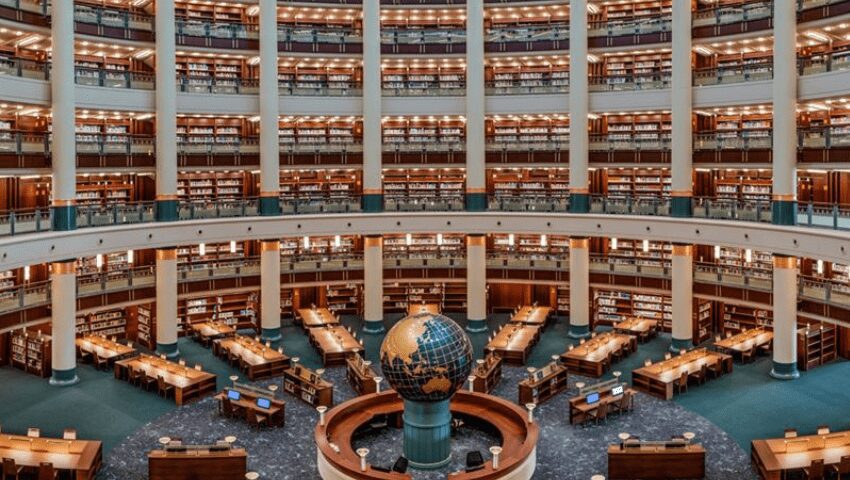
Opened in 2020, this is the largest library in Turkey and a serious flex of modern architecture. It holds over 5.1 million books and operates 24/7. The central hall, with 16 columns representing the 16 Great Turkish Empires, is genuinely breathtaking.
The Hidden Hurdle: You cannot just waltz in. Turkish citizens need an e-Government (e Devlet) QR code. Foreigners must present a valid passport to get a temporary pass at the gate. Don’t leave your ID at the hotel.
7. Rahmi M. Koç Museum: Industrial History in a Medieval Fort
Located near the Ankara Castle (Kale), this museum is housed in the beautifully restored Çengelhan and Safranhan. It is the perfect clash of eras: industrial history displayed inside 16th century Ottoman caravanserais.
You’ll find everything from Atatürk’s personal items to vintage cars and steam engines. It’s tactile, nostalgic, and incredibly well curated. As of January 2026, the adult ticket is 250 TL. It is worth every lira, especially if you finish the tour with a coffee at the museum café overlooking the citadel.
Bonus: The Yenimahalle Cable Car
A few years ago, the cable car between Yenimahalle and Şentepe was free. Those days are gone. It is now integrated into the standard paid transit system (AnkaraKart required). However, operating from 06:00 to 21:00, it still offers one of the best (and cheapest) aerial views of the city’s sprawl.