
Turkish Tomatoes: The 2026 Insider’s Guide to Varieties, Prices, and Quality
Table of Contents
Forget those pale, watery impostors you find in the average supermarket. We are talking about a heavyweight of global agriculture. Turkey is officially the third largest tomato producer in the world, trailing only China and India, while leaving giants like the USA and Italy in the dust. With a staggering harvest of 14.6 million tons in the 2024/2025 season, the country isn’t just self sufficient (117% coverage); it is a driving force in global trade.
But volume is irrelevant if the flavor is missing. Why do top chefs swear by Anatolian varieties? In this article, we’re skipping the generic Wikipedia facts to focus on what actually matters for your palate and your wallet in 2026: true heirloom varieties, the current price reality, and how to spot marketing myths before you buy.
Market Reality: Prices and Exports (Late 2025 Status)
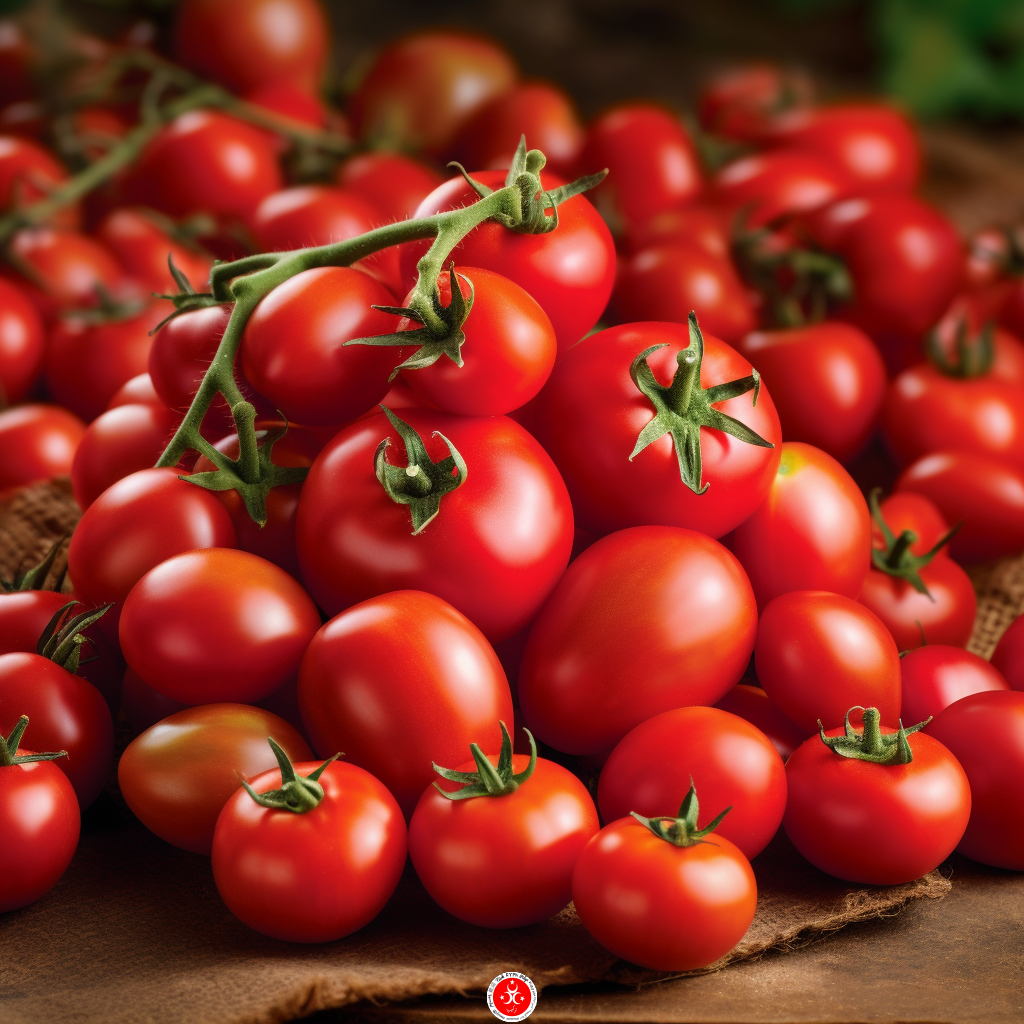
Before we dive into the culinary details, let’s look at the hard numbers. If you stroll through a Turkish bazaar in late 2025, you will quickly realize that quality commands a premium. While standard wholesale tomatoes in Istanbul trade between 18 and 30 TL per kilo, you will need to dig deeper for the premium tiers.
- Cherry Tomatoes: 40-50 TL/kg (Wholesale price, Ankara).
- Pink Tomatoes (Pembe Domates): 30-60 TL/kg prized for their thin skin and intense sweetness.
- Retail Market Prices: Depending on the region and variety, prices fluctuate between 18.75 TL and 57.77 TL.
The Turkish tomato is also an export superstar. In the first half of 2025 alone, exports generated nearly $260 million. If you are interested in the economic engine behind this, it is worth analyzing Turkey’s foreign trade indices, which reveal just how vital this sector is to the national economy.
Variety Check: What to Buy (And What to Skip)
There is a lot of confusion here, especially online. Let’s clear it up. Many sources list varieties that don’t exist or are mislabeled.
The “Bursa Siyahı” Myth
You might have heard of “Bursa Siyahı.” We need to correct this immediately: Bursa Siyahı is a world famous fig variety, not a tomato. While dark tomatoes (like Kumato or Black Krim) are indeed grown in Bursa, if someone tries to sell you “Bursa Siyahı tomatoes,” be skepticalthey are mixing up their produce.
The Real Champions
- Çerkez Domatesi (The Circassian Tomato): This is the true insider tip. An old heirloom seed (Ata Tohumu) from regions like Düzce and Sakarya. It is large, fleshy, slightly ribbed, and possesses an incomparable aroma that modern hybrids simply lack.
- Ayaş Domatesi: A variety with Geographical Indication (Coğrafi İşaret) from Ankara. Known for its thin skin and high juice contentideal for sauces.
- Biber Domates (Not “Sivri Biber”): Often mistakenly called “Sivri Biber Domates” (which would mean “hot pepper tomato”). These are bottle shaped tomatoes that look like bell peppers. They have few seeds and firm fleshperfect for grilling or making tomato paste (salça).
From “Poison” to Gold: A History Lesson
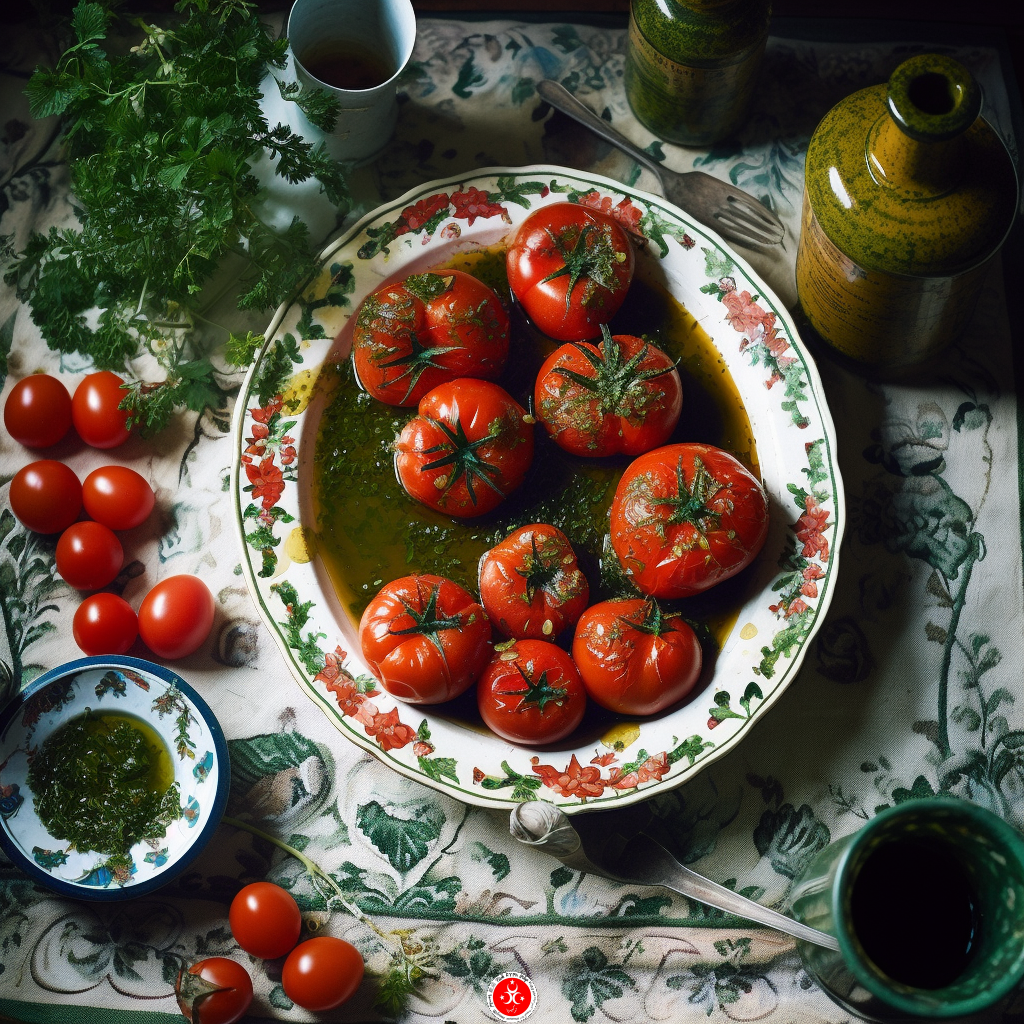
It is hard to imagine, but Turkish cuisine existed for centuries without the red fruit. The tomato only entered the Ottoman Empire in 1723 under Sultan Ahmed III. Back then, it was called “Kavata” or “Frenk Patlıcanı” (Frankish Eggplant). The kicker: It was only eaten green. Red tomatoes were considered overripe, spoiled, or even poisonous.
It wasn’t until the 19th century, with the publication of the first printed cookbook “Melceü’t Tabbâhîn” (1844), that the red tomato began its conquest to become the staple we know today.
Culinary Use: How the Pros Eat Them
In Turkey, the tomato isn’t just a salad garnish; it is the foundation of almost every dish. Here is how to unlock the full flavor:
The Perfect Breakfast Duo
Nothing beats the combination of a ripe, sliced beefsteak tomato and local cheese. To find the perfect match, check out our guide to the best 28 types of Turkish cheese. A slice of salty “Ezine Peyniri” paired with a sweet “Pembe Domates” is an experience in itself. This pairing often rivals the complexity of Turkish milk production standards, showcasing why dairy and tomatoes are inseparable here.
Menemen: The Gold Standard
The famous scrambled egg dish lives or dies by the quality of its tomatoes. They must be juicy enough to create their own sauce without adding water. Pro Tip: Cook Menemen in a traditional Sahan (copper pan) for the best heat distribution.
Health Without the Hype
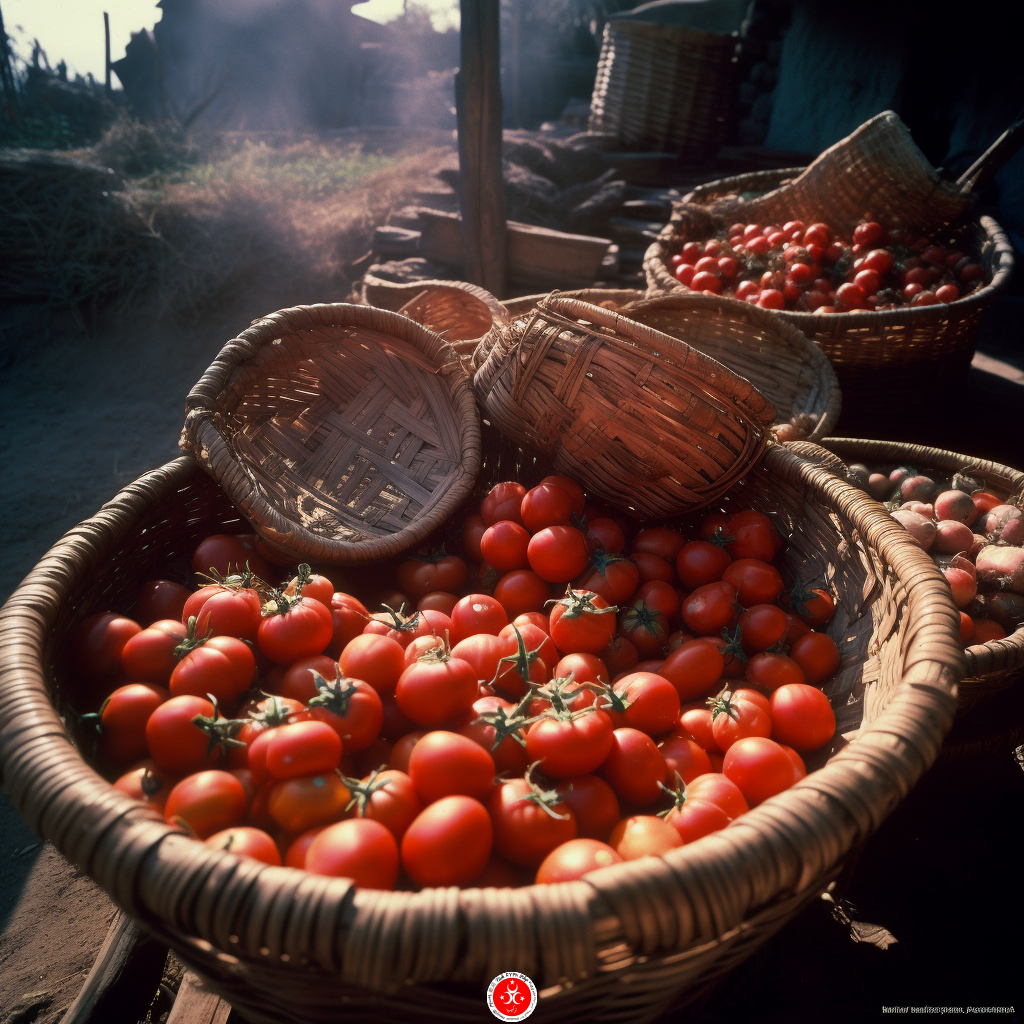
We don’t need to tell you that vegetables are healthy. But specifically with sun ripened Turkish varieties, the lycopene content is often significantly higher than in greenhouse produce from the north due to the intense solar exposure. Lycopene is a potent antioxidant. Always combine tomatoes with high-quality olive oilthe fat is what makes lycopene bioavailable for your body.
Verdict: What to Look For
The Turkish tomato is more than an ingredient; it’s a cultural asset. The next time you go shopping, don’t just look for “red and round.” Hunt for the imperfect shapes, the ribbed “Köy Domatesi” (village tomatoes), or the pink varieties. Yes, they might cost 40 or 50 Lira a kilo in 2026, but the taste will repay you for every cent.