Thermal Pools in Turkey: The Ultimate Wellness & Healing Guide
Table of Contents
Forget the standard “sun, sea, and sand” clichés for a moment. Turkey is guarding a geological secret that extends far beyond summer tourism. The country sits on one of the most active geothermal belts in the world, making it Europe’s undisputed number one for geothermal resources.
What does this mean for you? Access to over 1,500 thermal springs that have been used for healing and relaxation since the Roman era. While wellness in Western Europe has often become an overpriced luxury, Turkey offers a rare combination: high-tech medical infrastructure, deep historical atmosphere, and accessible pricing.
In this guide, we curate the top thermal destinations for the 2026 seasonnot as a dry list, but categorized by what you actually need: deep healing, high-end luxury, or raw nature.
Why Turkey is the Capital of Thermal Tourism
Thermal tourismtechnically known as balneotherapyis experiencing a massive renaissance. It’s no longer just about “cures for the elderly.” Today, digital nomads, biohackers, and wellness seekers are flocking to these hot springs. The thermal water, which often reaches temperatures over 20°C (and up to 100°C at the source), is packed with bioactive minerals like sulfur, magnesium, and calcium.
The Historical Context: People in Anatolia understood the power of this water 5,000 years ago. From the Hittites to the Romans and the Ottomans: whoever ruled here built baths. Today, Turkey blends this ancient heritage with modern 5-star spa resorts.
The Icons: World Famous and Unique
Pamukkale (Denizli): The Instagram Wonder
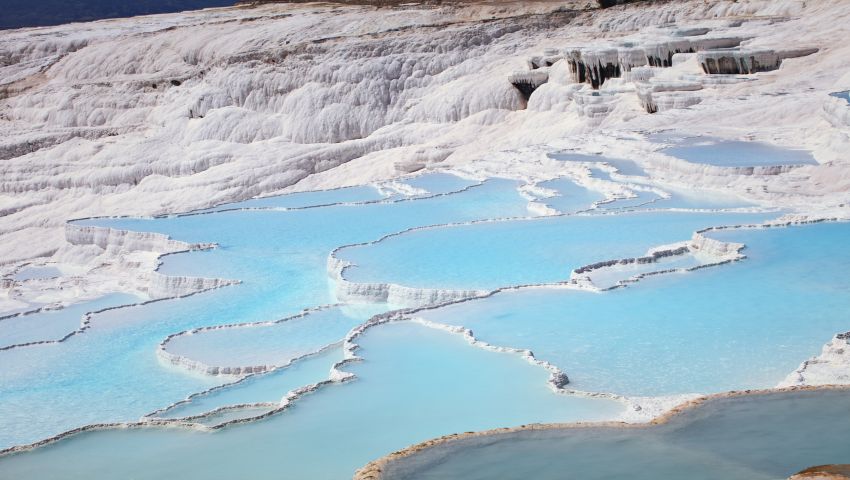
If there is one place you absolutely must see, it is Pamukkale. The snow white travertine terraces are a UNESCO World Heritage site and a magnet for visitors. But the real treasure isn’t just the view; it’s the water itself.
The Insider Tip: Skip the overcrowded main terraces for a swim and head straight to the Antique Pool (Cleopatra Pool). Here, you literally swim among submerged Roman columns in 36°C champagne like water. It is like bathing in liquid history.
The region is also home to other hot springs like Karahayit (famous for its distinct red water) and the mud baths of Akköy. If you are looking for adrenaline alongside relaxation, you can combine your visit with paragliding in Turkey to get a bird’s eye view of the white terraces before you soak.
Yalova: The Imperial Retreat
Yalova is arguably the most accessible spa destination for travelers. Just a short ferry ride across the Sea of Marmara, this spot lies nestled in lush forests, making it an easy escape from the concrete jungle.
Even Mustafa Kemal Atatürk recognized the potential here, famously stating: “This will be the water city of the future.” The water is renowned for treating rheumatic conditions. The combination of oxygen rich forest air and hot healing water makes Yalova the perfect weekend detox. If you are exploring the wider region, it pairs perfectly with a trip to Kocaeli, another hidden green escape nearby.
The Medical Powerhouses
Afyonkarahisar: The Capital of Thermal Tourism
If you are serious about health, you go to Afyon. This city is officially recognized as one of the “Historic Thermal Towns of Europe.” You won’t find small wading pools here; instead, expect massive complexes and specialized rehabilitation clinics.
The four main districts are:
- Gazlıgöl: Famous for its carbon dioxide rich water.
- Hüdai (Sandıklı): Known for its unique mud baths.
- Ömer & Gecek: Ideal for dermatological treatments.
Afyon is particularly magical in winter. Sitting in a steaming outdoor pool while snow falls around you is an unforgettable experience.
Haymana (Ankara): The Best Water in the World?
In the district of Haymana, south of the capital, flows a legend. International experts have repeatedly ranked the water here as some of the most mineral rich and highest quality in the world. With source temperatures of 41-44°C, it has been utilized since antiquity.
For medical tourists, the proximity to the capital is a major strategic advantage. You are close to health tourism in Ankara, ensuring access to world-class hospitals should you need advanced medical care alongside balneotherapy.
Pure Nature & Hidden Gems
Kozaklı (Nevşehir): Wellness in Cappadocia
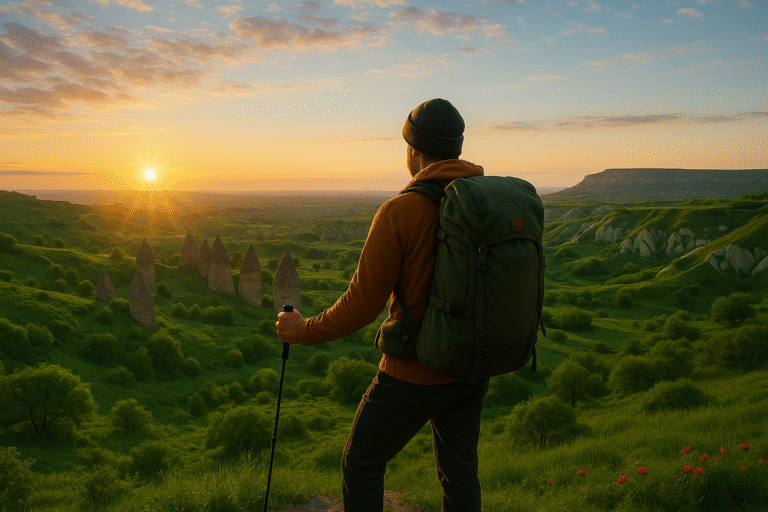
Located in the heart of Central Anatolia, Kozaklı is a rising star. The standout feature here is the water’s high radon and sodium content, sourced from springs reaching nearly 100°C (cooled down for the pools, naturally). Since Kozaklı is close to the famous fairy chimneys, a spa stay here is the perfect way to recover after checking the Cappadocia hot air balloon prices and booking your flight.
Dalyan (Muğla): Mud Baths of the Stars
Dalyan is less of a clinical cure center and more of a fun nature experience. The mud baths here are world famousHollywood stars and royalty have been spotted lathering themselves in the sulfur rich mud. After the mud dries, you wash it off in the Sultaniye thermal springs. It is a must do for anyone vacationing on the Aegean coast.
Kurşunlu (Manisa) & Yoncalı (Kütahya)
For those who want to avoid the crowds entirely:
- Kurşunlu (Salihli): Hidden in a green canyon. Here, you bathe right in the middle of nature. The water (52-96°C at the source) is ideal for those seeking absolute silence.
- Yoncalı (Kütahya): This spot has a fascinating backstory. Legend has it that Gülümser Hatun, daughter of the Seljuk Sultan Alaaddin Keykubat, was cured of an incurable disease here. Today, it remains a center for physiotherapy and rehabilitation.
Turkey offers far more than just a holiday; it offers regeneration. Whether you are seeking medical aid or just escaping the winter gloom, Turkish thermal springs are an investment in your well-being. Pack your swimsuit, but leave some room in your suitcaseyou’ll likely want to pick up some traditional hammam accessories to take that spa feeling home with you.