Turkish Steel 2026: Manufacturers, Prices & The Import Survival Guide
Table of Contents
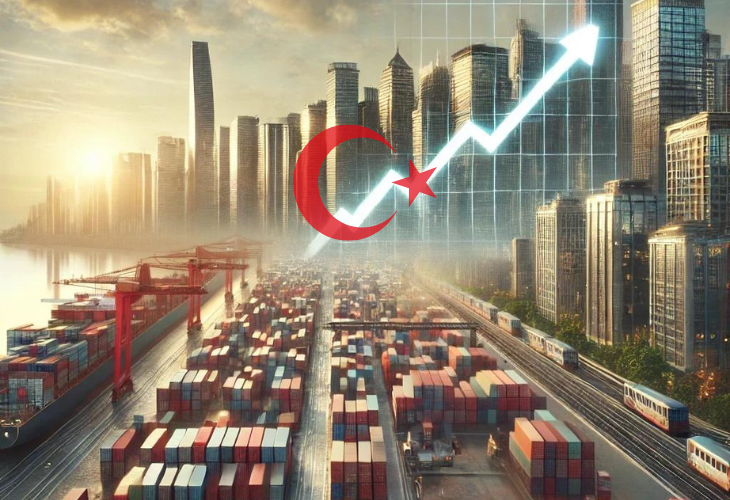
Turkey is no longer just a backup supplierit is Europe’s strategic “backyard foundry.” While global supply chains fracture, Turkey has cemented itself as an indispensable partner for European industry, boasting an export surge of over 27% in 2024. But for procurement officers and traders, there is a catch: if you don’t understand the complex customs quotas and quality standards, you will pay a steep price.
This guide isn’t a dry datasheet. We analyze why Turkish steel might be the golden ticket for your carbon footprint, which manufacturers actually deliver, and how to navigate imports without facing disaster.
The Turkish Steel Boom: Why Now?
The numbers tell the story: In 2024, Turkey produced 36.9 million tons of crude steel, a 9.4% increase over the previous year. This makes the Turkish steel industry one of the fastest growing among the world’s top 15 producers (surpassed only by Vietnam).
Why does this matter to you?
- Proximity is Profit: Exports to the EU exploded by nearly 65% in 2024. The reason? Short delivery times beat expensive, unpredictable freight from the Far East.
- The “Green Steel” Advantage: This is the real secret. Unlike Germany or China, which still rely heavily on coal intensive blast furnaces, Turkey predominantly uses Electric Arc Furnaces (EAF). Currently, there are 27 EAF plants compared to just 3 classic blast furnaces. This means Turkish steel often has a significantly lower carbon footprinta massive competitive edge for the European “Green Deal.”
Insider Tip: If your company needs to meet strict ESG (Environmental, Social, and Governance) criteria, explicitly ask for EAF steel certificates. This single move can significantly improve your Scope 3 emissions reporting.
Market Overview: Where is the Steel Going?
Thanks to aggressive marketing and flexible production, Turkish companies export globally. The European Union was by far the most important market in 2024 (approx. 5.9 million tons), followed by other European nations and the Middle East. A shift is visible: while exports to North America dipped due to protectionist tariffs, trade with Italy and Romania is booming.
However, it’s not all smooth sailing. Turkey itself battles a flood of cheap imports, particularly from China. This depresses domestic prices, which can paradoxically offer you, the buyer, an opportunity to negotiate better rates.
Just as Turkey has become a powerhouse in heavy industry, we see a similar dominance in other sectors. For a comparison of sourcing potential, check our guide on Turkish Tile Manufacturers, which mirrors the quality to-price ratio found in steel.
Practitioner’s Guide: Importing Steel from Turkey
The import process looks simple on paper because Turkey and the EU share a Customs Union. But beware: Steel is often the exception. Here is the roadmap for professionals to avoid expensive mistakes:
- The “Safeguard” Trap: This is the most critical point. The EU has strict quotas (Safeguard Measures) for steel imports. If the quota for Turkish steel is exhausted, a punitive tariff of 25% applies immediately. Check the current status of the EU quota before signing any contract!
- Certificates & Standards: Do not rely on verbal assurances. Insist on Declarations of Conformity according to EU standards (e. g., DIN EN). Turkish manufacturers are usually well prepared, but verification is mandatory.
- Logistics & Transport: Leverage the geography. Steel can reach Hamburg or Trieste via truck or ship in days, not weeks.
Fundamental Requirements for the Importer:
- A valid EORI number (in the EU).
- Collaboration with an experienced customs broker (avoid “DIY” customs clearance).
- A proper legal structure for international trade. If you are looking to establish a local presence to manage procurement directly, read our Investor’s Guide to Starting a Company in Turkey.
The Big Players: List of Turkish Steel Manufacturers
The Turkish steel industry is almost entirely privatized and highly modern. These are the heavyweights you need to know:
- Erdemir (Ereğli Demir ve Çelik Fabrikaları): One of the largest flat steel producers globally.
- İsdemir (Iskenderun Iron and Steel): Specialized in long and flat steel, part of the OYAK Group.
- İçdaş: A giant in the energy and steel sector with its own port logistics.
- Çolakoğlu Metalurji: Pioneers in EAF technology.
- Tosçelik: Strong in profiles and pipes (part of Tosyalı Holding).
- Kardemir: The traditional manufacturer from Karabük, specialized in railway tracks and heavy profiles.
These companies invest heavily in technology to remain competitive. Many of them are also active in iron casting and other industrial components, making them versatile partners for buyers.
Steel Prices in Turkey: What You Need to Know
“How much is a ton?” is the wrong question. The right question is: “How volatile is the market today?”
Prices at Turkish mills often change daily, driven by scrap prices (since EAF plants melt scrap) and energy costs. Because Turkey imports energy, global fluctuations in gas and electricity prices impact steel costs directly. Despite this, Turkish steel often remains cheaper than European alternatives with comparable quality.
If you are planning a site visit to negotiate these prices in person, ensure you stay connected. Roaming charges can be steep; check our Vodafone Turkey Guide to keep your communication lines open during factory tours.
Behind the Scenes: From Ore to Sheet
For the technically inclined: How does the magic happen in Turkish halls? The process is efficiently clocked:
- Raw Material Handling: Iron ore, coal, or (much more frequently) steel scrap arrives at the plants.
- Melting: In the blast furnace (at Erdemir/Isdemir/Kardemir), ore and coke become pig iron. In the 27 Electric Arc Furnaces (EAF), steel scrap is melted using massive electric currentsthis is the recycling route.
- Refining: The liquid steel is cleaned of sulfur and alloyed.
- Casting & Rolling: The steel is cast into molds (continuous casting) and then shaped into coils or sheets in rolling mills.
Whether for building skyscrapers or manufacturing security doors, the steel produced here is the backbone of the Turkish export economy.