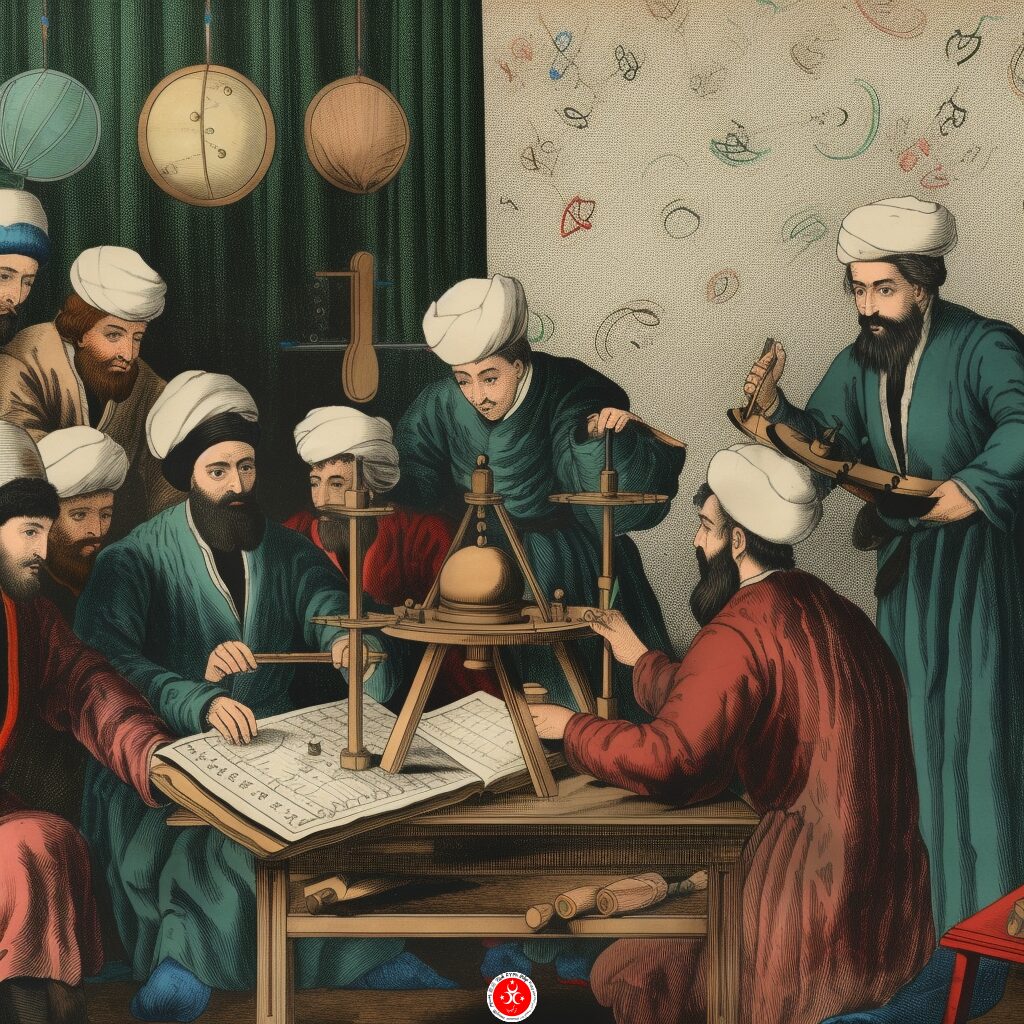
The Ottoman School System: Enderun, Medrese & The 2026 Legacy
Table of Contents
Forget the dusty history books for a moment. When we look at the Ottoman Empire from the vantage point of late 2025, we shouldn’t just see Sultans and battlefield glories. We should see a massive administrative machine that functioned for centuries. The fuel for this machine? An education system that was ruthlessly selective and fascinatingly complex.
From the elite Enderun inside the palace to the local Sibyan schools, this system created the bureaucracy that still influences structures in the Middle East and modern Turkey today. In this article, we strip away the romanticism to look at the facts: How did social mobility actually work? Do the myths about literacy hold up? And crucially, where can you physically touch this legacy in Istanbul today?
The Foundation: Why This System Was Different
The Ottoman Empire did not rely solely on birthright aristocracy, but on a form of meritocracy at least in theory. A farmer’s son (or children recruited through the Devshirme system) could rise to become Grand Vizier if they successfully navigated the education system. This principle distinguished the Ottoman school massively from the feudal systems of Europe at the time.
If you want to understand modern Turkey, you have to start here. As the renowned historian Halil İnalcık emphasized, the Republic of Turkey is the direct heir to these six century-old institutions. Modernization didn’t start in 1923; it began in the classrooms of the late Ottoman Empire.
The 4 Pillars of Power: System Structure
1. Enderun: The Elite Incubator
The Enderun at Topkapı Palace was not a normal school; it was a university for leadership. It didn’t just teach knowledge; it instilled loyalty and statecraft.
- The Goal: Training generals, viziers, and governors.
- The Curriculum: A grueling mix of Islamic theology, Persian literature, mathematics, and crucially physical training and martial arts.
- The Reality: It was an “Up or-Out” system. Those who didn’t pass the exams were filtered out, though they often still received good positions in the cavalry or administration.
These structures laid the groundwork for managing vast territories. The bureaucratic rigor taught here is why starting a company in Turkey today still involves such specific, tiered administrative processes.
2. Sibyan: The Foundation
The Mahalle Mektebi (Neighborhood School) was the first point of contact for almost every child. Funded by pious foundations (Waqf), children learned the alphabet, basic arithmetic, and the Quran here. Pedagogically, there was a heavy reliance on rote memorizationa method often criticized today, but standard for that era.
These schools were strictly local, tying education to the specific neighborhood district. This importance of the “Mahalle” survives today; a single typo in your district name can cause chaos, as explained in our guide to the Turkish address format.
3. Medrese: The University of Law and Science
Medreses were far more than religious schools. In their heyday, they were centers for medicine, astronomy, and law (Fiqh). Many historical hospital complexes in Istanbul have their roots in the medical faculties (Darüşşifa) of these Medrese compounds.
4. Tekkes: The School of Character
While the Medrese trained the mind, the Tekke (Sufi lodge) shaped the heart. This was about spiritual maturity, music, and ethics. In an era without psychologists, Tekkes often took over the role of mental care and social integration.
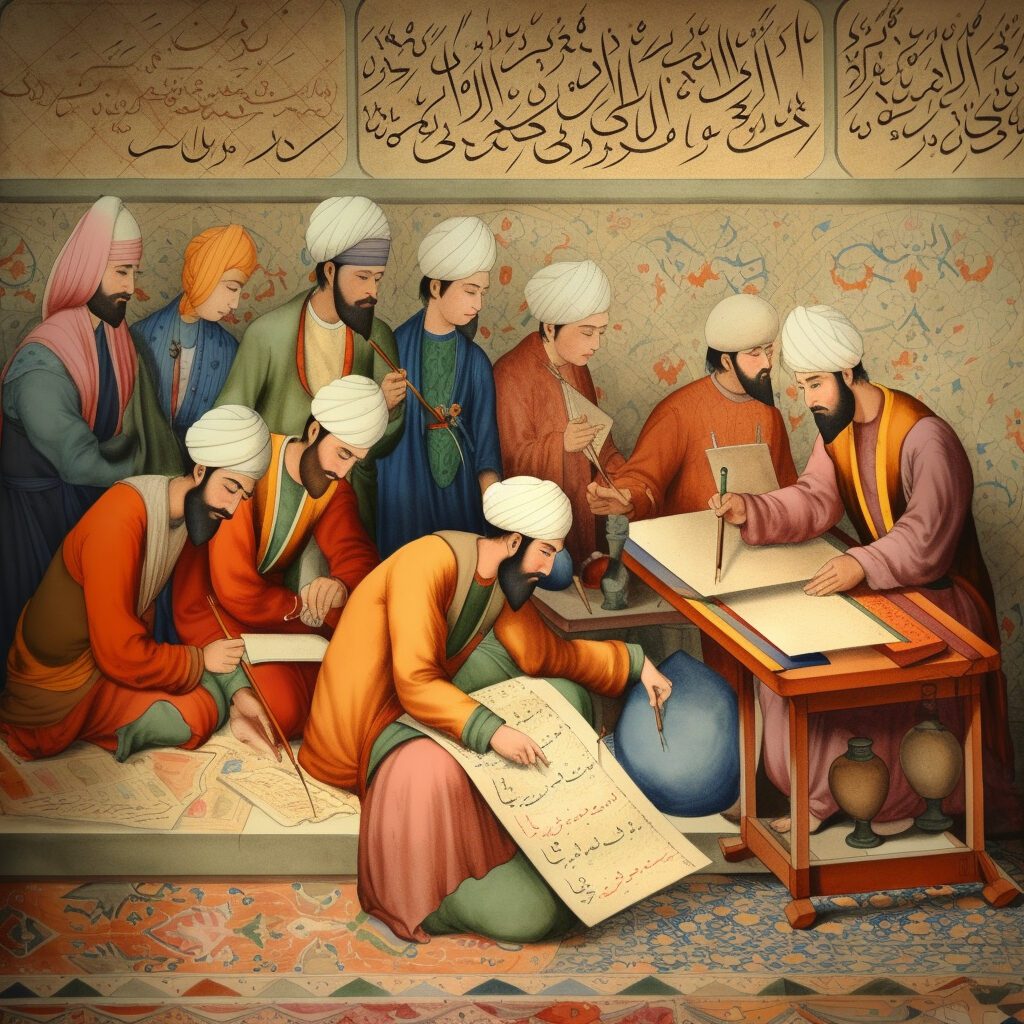
Fact Check 2026: The Myth of Literacy
For a long time, the claim persisted that the Ottoman Empire had a blanket literacy rate of 40% for men and 20% for women. This needs to be corrected.
According to current research (as of December 2025), there is no uniform academic confirmation for these high numbers. The reality is more complex:
- The Pessimists: Statistics based on the 1927 census suggest rates as low as approx. 17.4% for men and 4.6% for women.
- The Revisionists: Newer analyses of data from 1894/95 suggest that in certain urban centers, rates were significantly higher (up to 54-66% in specific Istanbul districts).
There was, therefore, a massive urban rural divide. Nevertheless, this system laid the foundation for intellectuals who later became key figures in the transition to the modern Republic.
Practitioner’s Guide: Tracing the Scholars (2026 Travel Tips)
Do you want to experience this history rather than just read about it? Istanbul is full of former educational institutions that are now museums or cultural centers. Here are the hard facts for your visit (Status: December 2025).
1. Topkapı Palace (Enderun)
The heart of elite education. Today you can visit the very rooms where the Enderun students lived and studied.
- Opening Hours (Winter 2025/26): 09:00 to 17:00 (Closed Tuesdays).
- Entrance Fees: As of January 2026, foreign visitors pay 2750 TL for the combined ticket (Palace + Harem + Hagia Irene). Turkish citizens can enter free of charge with a valid Museum Pass.
- Insider Tip: Look out for the limited night visits on Saturdays (21:00-23:00) for a unique atmosphere (approx. 5000 TL for foreigners).
2. Historic Medreses
Many Medreses now serve as tea gardens or museums. A highlight is the Hagia Sophia Medrese.
- Entrance: The Hagia Sophia Medrese courtyard and buildings are currently open to the public free of charge. The 25 Euro fee applies to the Hagia Sophia upper gallery, not the Medrese.
- Caferağa Medrese: Entrance is free. Here you can see traditional Turkish handicraftsperfect for a break after navigating the bureaucracy of getting married in Turkey or simply exploring the city.
3. For Researchers: The Süleymaniye Library
For academics, this is paradise. Since October 2025, new regulations for digitization apply. Researchers can request up to 5,000 pages of high resolution scans of Ottoman manuscripts via the TÜYEK portal. The reading room is open daily from 08:30 to 17:00.
Why This Matters Today
Research published in late 2025 clearly shows: The Ottoman model of dual education (religious bureaucratic) was the blueprint for almost all modern school systems in the Middle East and North Africa. When you get a document notarized in Turkey today, you are following processes that have their roots in the bureaucratic rigor of the Enderun training.
The Ottoman system was not perfect. It was strict and elitist. But it was a fascinating attempt to hold a world empire together through educationa legacy that reaches far beyond the borders of Turkey.
Frequently Asked Questions (FAQ)
How much is the entrance fee for Topkapı Palace in 2026?
Currently (as of December 2025), foreign tourists pay 2000 TL for the combined ticket.
Was education in the Ottoman Empire free?
Yes, the Enderun and most Medreses were scholarship based. Students received room, board, and often a stipend.
Could anyone be accepted into the Enderun?
No. It was extremely selective. Originally reserved for Christian boys drafted through the Devshirme, it later opened to Muslim Ottomans as well. The deciding factor was talent, not wealth.