Women in Kazakhstan: Career, Culture & Society in 2026
Table of Contents
With a 66% employment rate, trilingual skills, and deep roots in a proud history, the women of Kazakhstan are the dynamic heart of a nation on the move. As we look toward the end of 2025, it is clear that Central Asia’s economic rise would be unthinkable without their contribution. From corporate boardrooms to the State Opera, they aren’t just waiting for opportunities; they are creating them. In this analysis, we move past romanticized stereotypes to present a data-driven look at the modern Kazakh woman in a changing society.
This isn’t just a guide for the curious traveler, but a realistic assessment of the current landscape. From the executive offices in Astana to the cultural renaissance in Almaty and even the modern lifestyle found in Kazakhstan’s top shopping malls—we show you who these women truly are, backed by the latest facts and figures.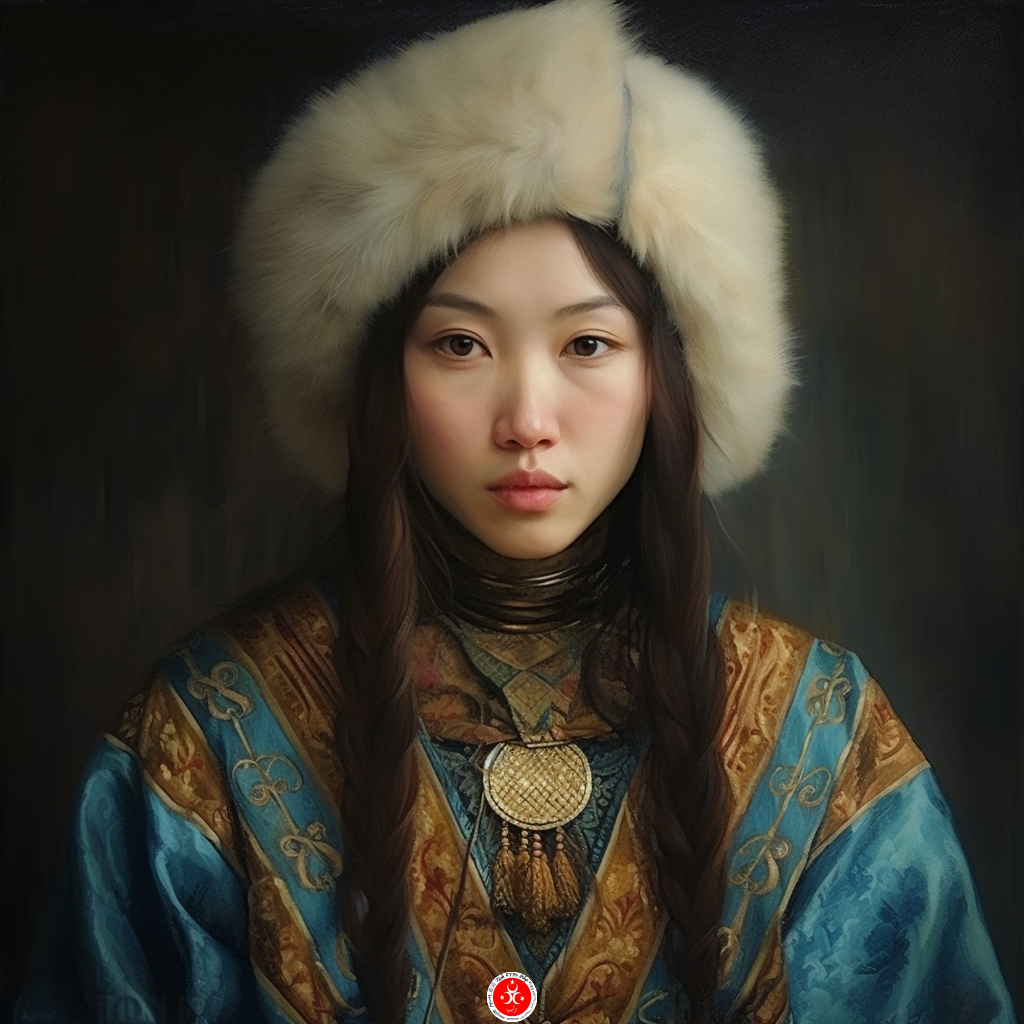
Demographics in 2025: A New Sense of Self
To understand the Kazakh woman of today, we must first look at the numbers. Kazakhstan has undergone a profound transformation. With a total population exceeding 20.28 million in early 2025, there has been a significant shift in ethnic composition. Kazakh women now represent 71.3% of the female population, followed by Russians (14.6%) and Uzbeks (3.3%).
These figures are vital because they mark the end of “Soviet homogeneity.” Modern Kazakhstan is strongly reclaiming its Turkic roots while maintaining its multicultural openness. The often cited “Eurasian look”—characterized by high cheekbones and diverse eye colorsis the visible result of this centuries long history of cultural blending.
Career and Influence: The Economic Powerhouse
It is time to debunk the biggest myth: the idea of the passive housewife is statistically inaccurate. According to the latest World Bank data (2024), the labor force participation rate for women in Kazakhstan stands at 65.99%. This not only exceeds the global average of 49.1% but also outperforms several European and Central Asian neighbors.
Spotlight on High Flyers
This ambition is personified by influential figures who continued to make headlines throughout 2025:
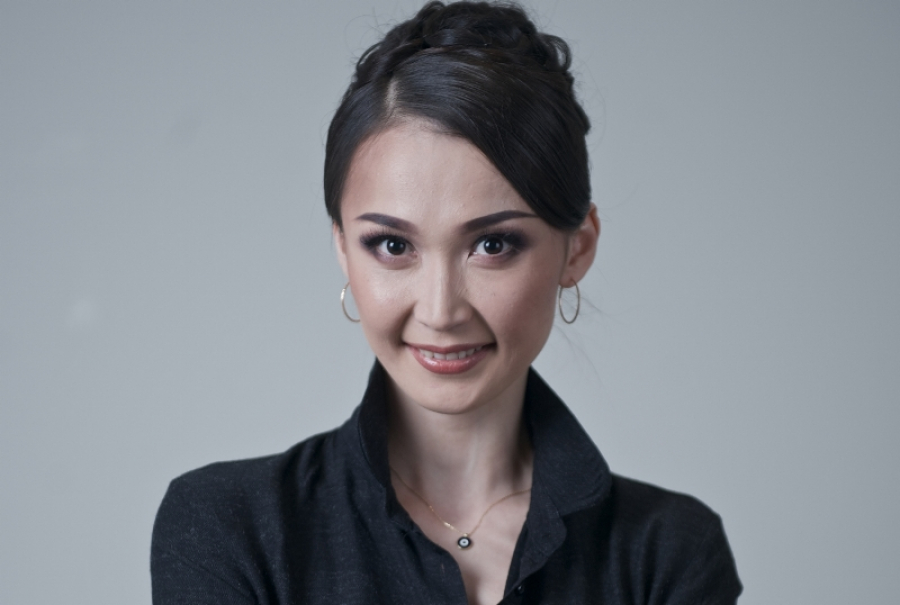
- Aigerim Beketayeva: As a Principal Dancer at the Astana Opera, she represents the country’s cultural excellence on a global stage. In December 2025, she captivated audiences as Swanhilda in the ballet “Coppélia” at the Royal Opera House Muscat in Oman.
- Aselle Tasmagambetova: A symbol of modern entrepreneurship and philanthropy. In 2025, as President of the Saby Foundation, she continues to spearhead critical projects, including research and rescue programs for the Caspian Seal.
These women are not just participating in the economy; they are leading it.

Culture and Identity: Navigating Language and Faith
Understanding the Language Landscape
For those planning to visit or do business in Kazakhstan, language is a key factor. Government policy aims for approximately 95% of the population to be proficient in Kazakh by the end of 2025. However, in realityespecially in urban centers and business circlesRussian remains a lingua franca understood by over 90% of the people. Young women are frequently trilingual (Kazakh, Russian, and English), making them exceptional bridge builders for international partnerships.
Religion in Daily Life
Kazakhstan is a secular state with deep spiritual roots. 2025 data shows that 77% of believers identify as Muslim (predominantly Sunni Hanafi), while Christianity (Orthodoxy, Catholicism, Protestantism) accounts for about 18.7%. Religious observance is often moderate; while faith is respected, the lifestyle remains cosmopolitan. The hijab is present but by no means mandatory or ubiquitous.
Practical Insights: Partnership and Marriage
For many, interest in Kazakhstan extends to the legal and cultural aspects of international relationships. Here, romance meets regulation.
Similar to the trends seen in the regional neighbors, such as the evolving career focus for expats and locals in Turkey, marriage rates in Kazakhstan have seen a slight decline as many prioritize professional development. When it comes to marrying a foreign national in 2025, strict protocols apply:
- The 15-Day Waiting Period: Applications must be submitted at least 15 calendar days before the registration. There are no “Vegas style” spontaneous weddings here.
- Required Documentation: The most critical document is the Single Status Certificate.
- Apostille Requirements: Foreign documents must be legalized and translated. This mirrors the process for the legalization of foreign documents in Turkey, where notarization and Apostilles are non negotiable.
- Digital vs. Physical: While locals can often marry via the eGov.kz portal, marriages involving foreigners usually require a personal appearance at the civil registry office (RAGS).
Frequently Asked Questions (Expert Edition)
1. How is gender equality in the workplace?
With high workforce participation, women are economically independent. However, balancing professional life with traditional expectations (such as the “Kelinka” role in the family) remains a genuine challenge for many.
2. What role do holidays play?
Nauryz (the Spring Festival) is the most significant cultural event. It is the best time to experience authentic traditional values and legendary Kazakh hospitality firsthand.
3. Is it safe for solo female travelers in Kazakhstan?
Yes, Kazakhstan is considered one of the safest countries in the CIS region. Major cities like Almaty and Astana are modern, well lit, and have a reliable police presence.
Conclusion: Respect Over Romanticization
The women of Kazakhstan are the driving force of a nation in transition. They are highly educated, digitally connected, and proud of their heritage. Viewing them only through a lens of “exotic beauty” misses the point entirely: their resilience and their essential role in building a modern society are what truly define them. Whether visiting for business or leisure, engaging with them as equals is the key to any meaningful connection.