Karabakh Rugs: The 2026 Buying Guide (Prices, Scams & Export Rules)
Table of Contents
Hang up the word “antique.” Forget the dusty, forgotten heirlooms of the past. What is happening in Shusha right now is a complete reinvention of value for 2026. The global surge in interest for Azerbaijani craftsmanship has transformed Karabakh rugs from museum artifacts into a legitimate asset class. When you buy one today, you aren’t just buying interior decoryou are securing a slice of resurrected history where the value tightens with every single knot.
But let’s be real: this market is a minefield. Between volatile pricing, strict government export controls, and the total redevelopment of historic trading districts in Baku, you need street smarts, not just book smarts. This guide strips away the romance and gives you the hard facts of 2026, from the real price per square meter to the bureaucratic hurdles that trip up almost every first time buyer.
The 2026 Revival: Why Now?
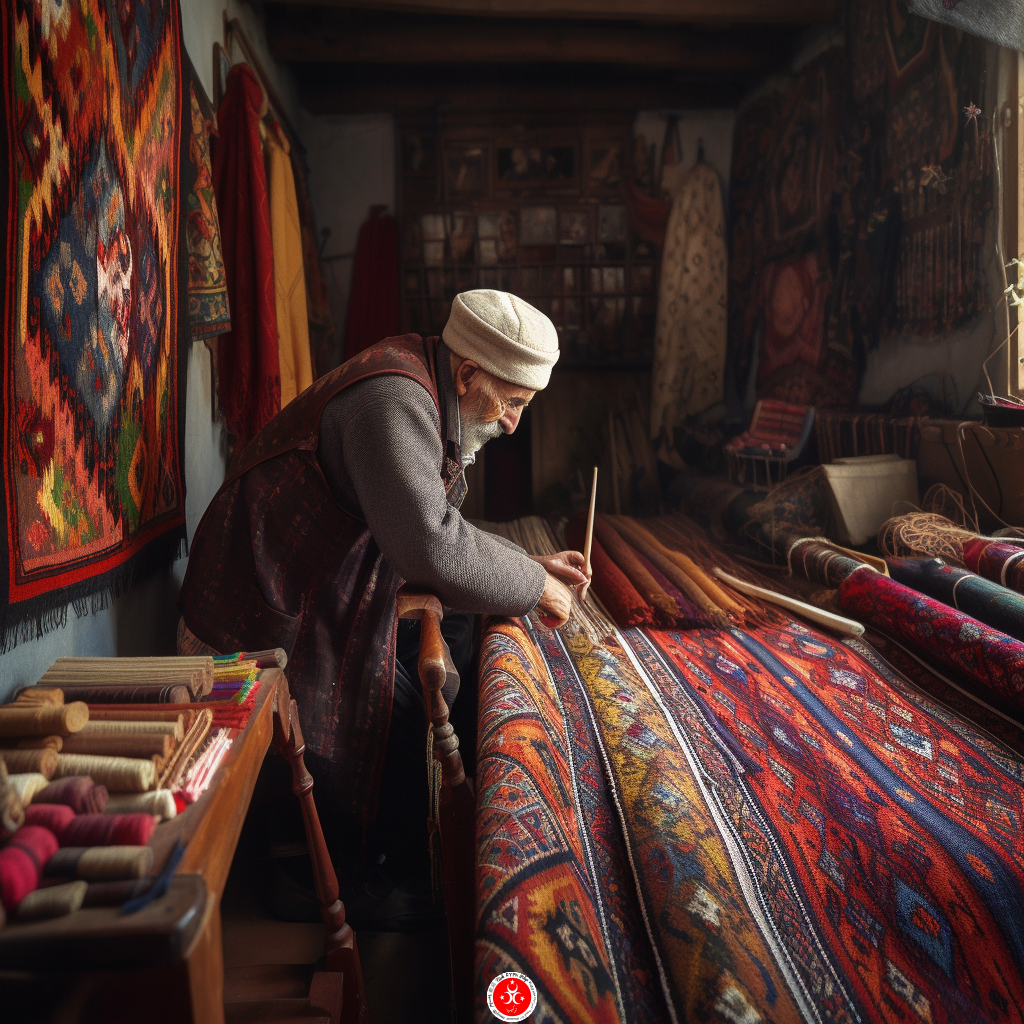
The narrative of Karabakh rugs goes back to the 13th century, but the most lucrative chapter is being written right now. Following the restoration of the National Carpet Museum’s Shusha branch in 2023 and its full operational capacity in late 2025, the region is back in business. The industry isn’t just relying on nostalgia; it is scaling up.
The Proof: Look no further than the monumental 490-square meter circular carpet currently being woven for the Shusha Mosque. Crafted by 150 weavers from “Azerkhalcha” OJSC, this project proves that the technical mastery hasn’t been lostit has been amplified. For collectors, this blend of heritage and modern state backed production makes 2026 a pivotal year to buy.
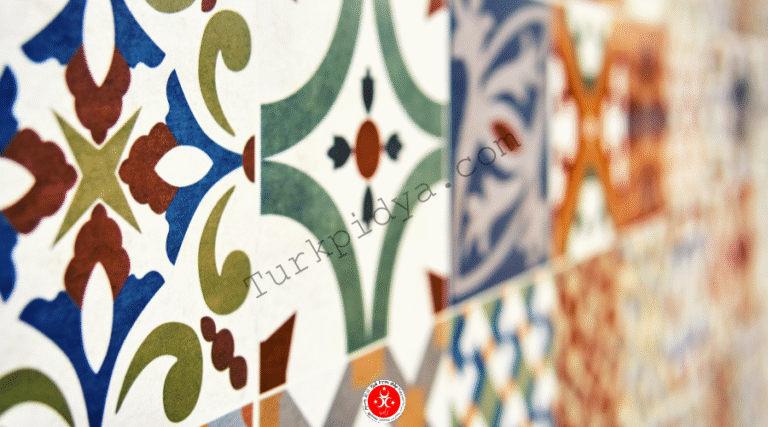
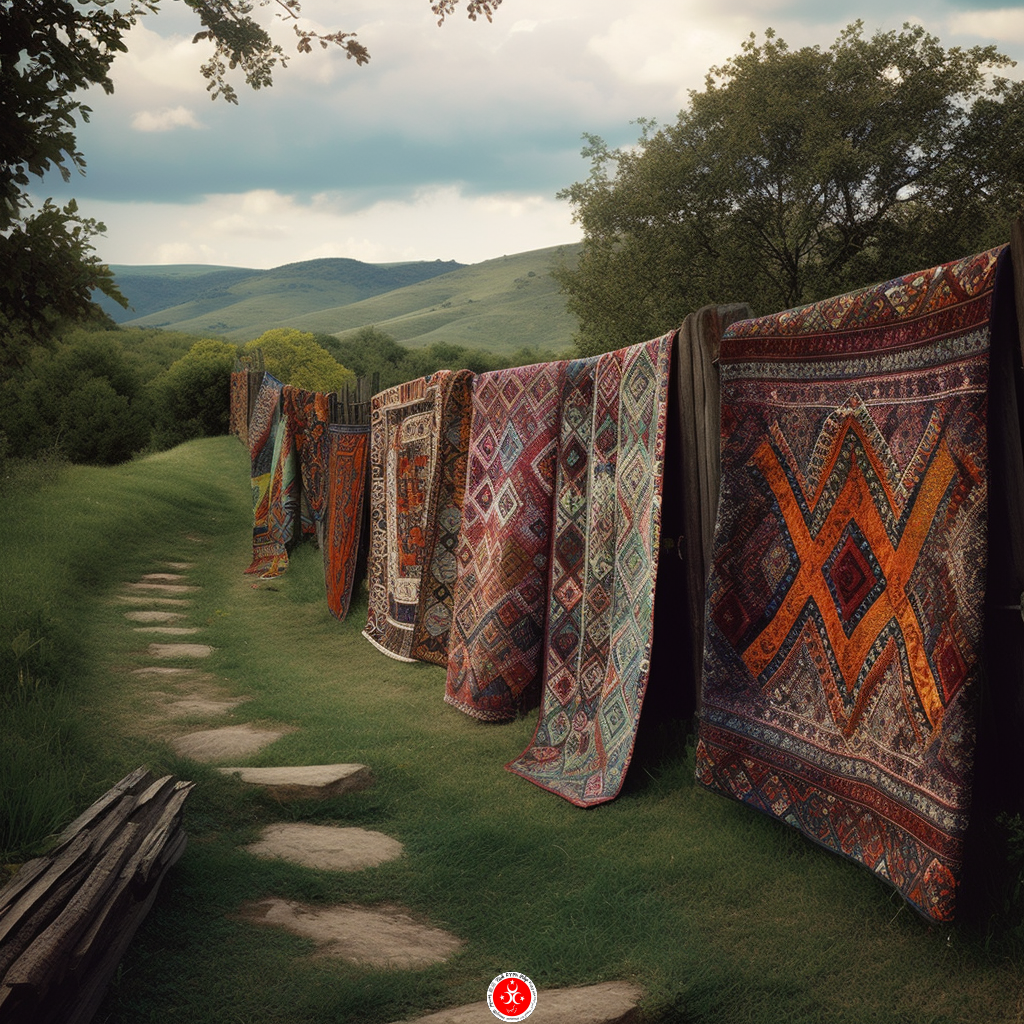
much like the intricate storytelling found in Turkish tile manufacturers, these rugs use a specific visual language. Their geometric patterns aren’t just decoration; they are a code of cultural identity that has survived centuries of upheaval.
Mastery in the Making: What to Look For
Technique & Materials
A legitimate Karabakh rug is defined by its density. They are woven almost exclusively using the double knot technique (Ghiordes knot), making them incredibly durable. If a seller talks about “synthetic blends,” walk away. The non negotiable standard is pure wool, cotton, or silk. Traditionally, the dyes are organicsourced from local plants and minerals which creates a depth and “patina” that chemical dyes simply cannot fake.
The Code of the Loom
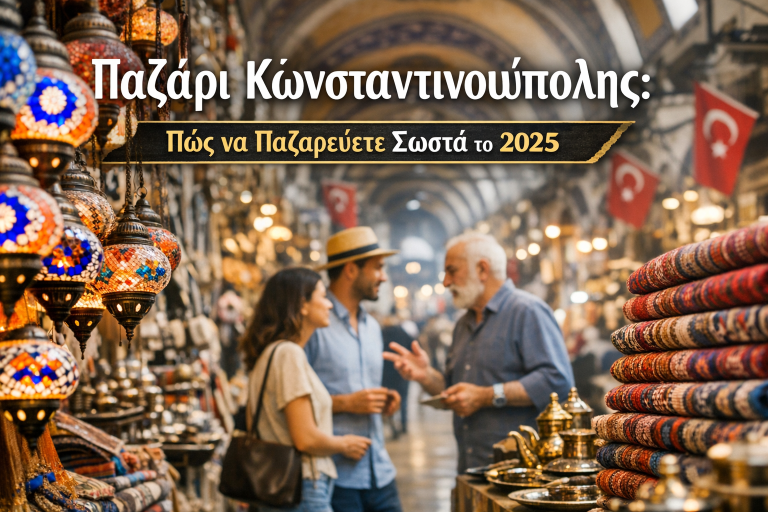
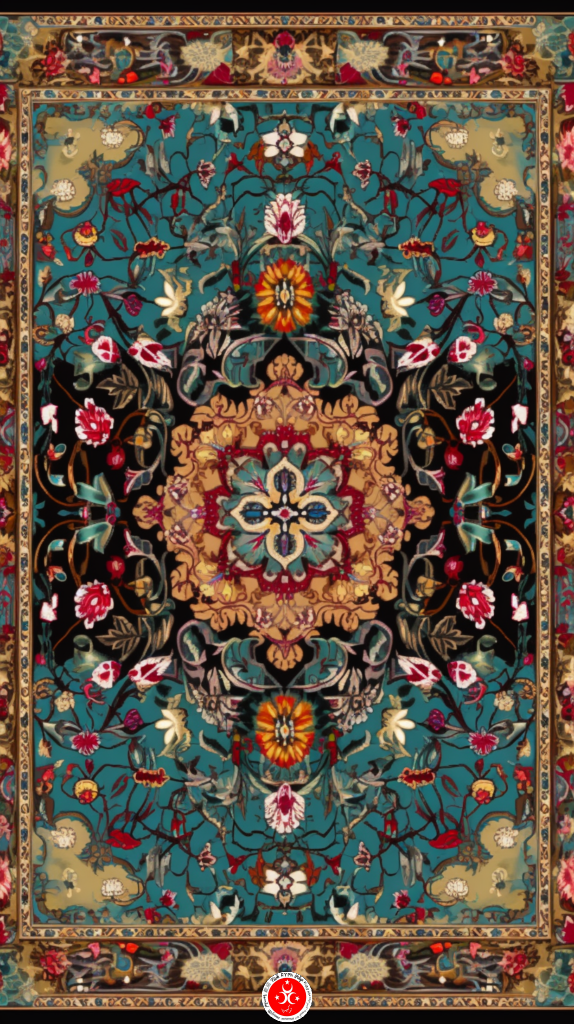
Every motif has a job. Geometric shapes often represent natural forces, while floral elements signal fertility and life. This symbolic depth connects the weaver to the buyer, turning a transaction into a cultural exchange. It’s similar to the experience of haggling in a Turkish market—understanding the unwritten rules and symbols is half the battle.
Market Reality 2026: Where to Buy (And Where to Avoid)
If you are relying on a travel guide from 2020, throw it out. The landscape in Baku has shifted dramatically.
Baku On The Ground: The “Construction Zone” Warning
Old forums will tell you to scour the streets around the Təzə Pir Mosque for hidden gems. Stop. As of late 2025, this entire district has undergone massive state led redevelopment. The chaotic, informal rug sellers that used to line these alleyways have been largely displaced by construction crews and new parks. You won’t find “barn finds” here anymore just dust.
Instead, focus your time on these verified sources:
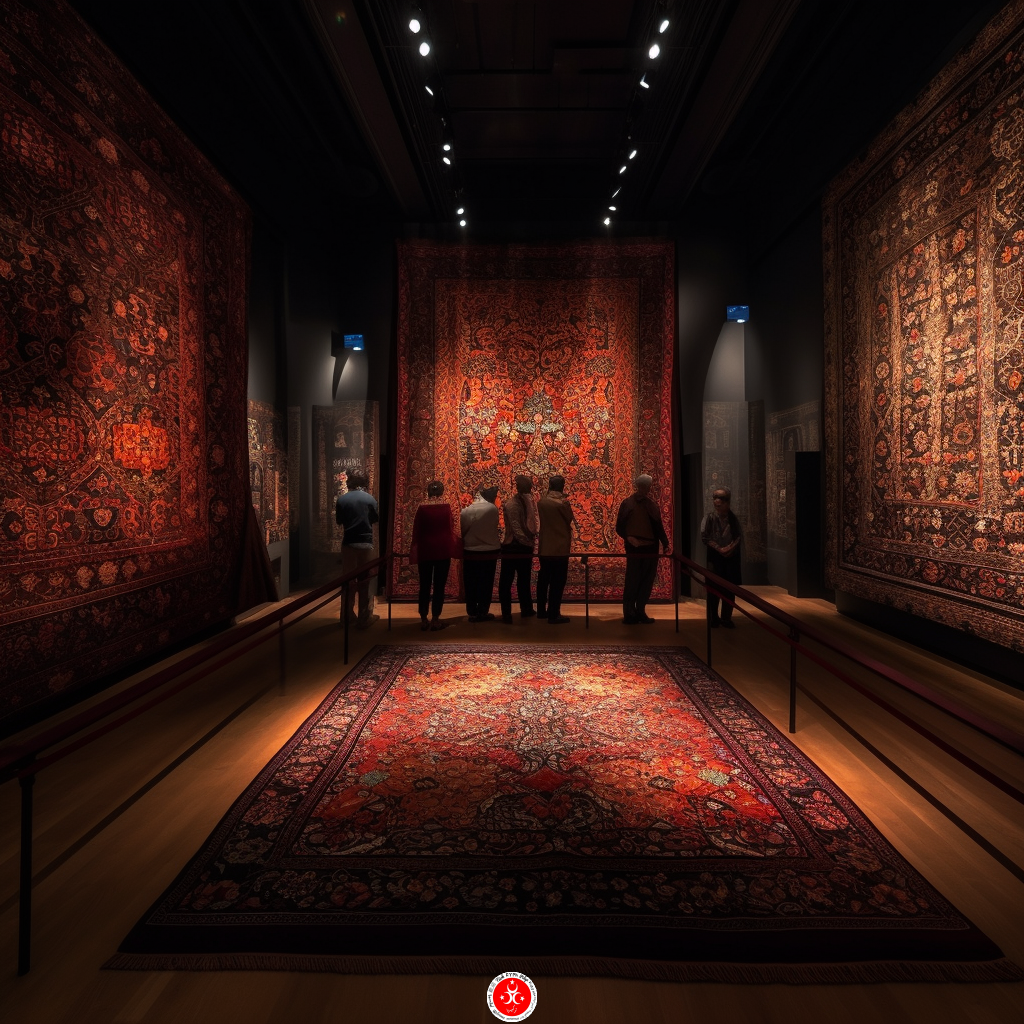
- Azerbaijan National Carpet Museum (Baku): This is the “zero risk” option. The museum shop sells certified, authentic pieces. More importantly, they handle the paperwork (more on that below). Check out their “Safavid Treasures” exhibition (running until mid-2026) to calibrate your eye before you buy.
- Azerkhalcha Showrooms: This is the best spot for brand-new, hand woven pieces directly from the source, including the new Shusha designs. You are paying for transparency here.
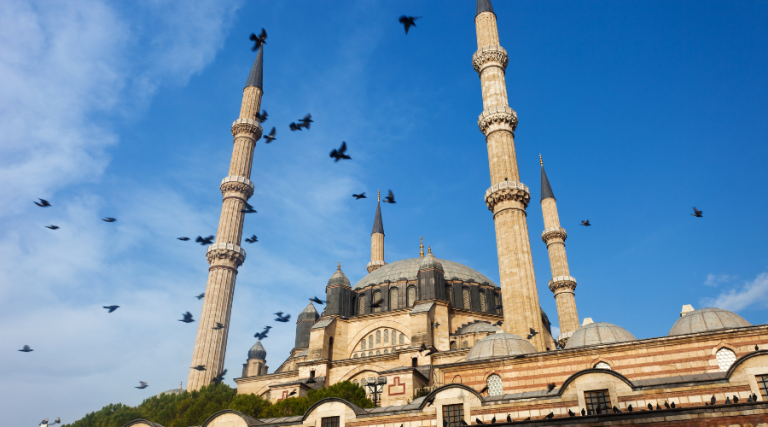
Just like shopping in Edirne, negotiation is expected, but don’t insult the craft. Quality has a floor price.
The International Online Market
If you can’t fly to Baku, you have options, but you will pay the “convenience tax”:
- 1stDibs: As of December 2025, there are over 70 verified Karabakh rugs listed here. The vetting is strict, but so are the prices.
- Auction Houses (Sotheby’s/Bonhams): Recent 2025 hammer prices show fine Caucasian rugs selling for $3,000 to $5,000. This is often where the real collectors hunt.
Price Analysis 2026
Don’t get ripped off. Here are the hard numbers based on confirmed market data from late 2025:
- Local Market (Azerbaijan):
- New Hand Woven (e. g., Jabrayil or Lachin styles): Expect to pay 1,000 AZN to 1,600 AZN (approx. $590 $950 USD).
- High-End Antique (19th Century): These can easily command up to 20,000 AZN ($11,700 USD).
- International Market:
- Small Antique Pieces: Start around $4,060 USD.
- Large Gallery Pieces (19th Century): Listed on premium platforms for upwards of $8,200 USD.
- Auction Steals: Some circa-1900 pieces were hammered down for $1,600 USD in early 2025—proof that deals exist if you are patient.
CRITICAL: Export Rules & The “Certificate” Trap
Pay attention, because this is where tourists get burned. You cannot just roll up a carpet and put it in your checked luggage. Azerbaijan treats its carpets as national treasures.
The 2026 Protocol:
- The Golden Ticket: Every single carpet requires an Export Certificate from the Ministry of Culture and the National Carpet Museum.
- Cost & Speed: The standard process takes about 7 days and costs 26 AZN (~$15 USD) per rug. Leaving tomorrow? You can pay for an Express Certificate (1 day processing) for 46 AZN (~$27 USD).
- The “Antique” Ban: Any rug produced before 1960 usually requires a special permit or may be banned from export entirely. If you buy an antique without this specific paperwork, it will be confiscated at the airport, and you will miss your flight explaining yourself to customs.
Insider Tip: Plan your museum visit for a Wednesday. It is often the standard day for inspections, meaning you might get your paperwork sorted faster.
Know Your Schools: The 4 Categories
Even in 2026, experts classify Karabakh rugs into four distinct schools. Knowing these will help you sound like a pro:
- Kataba: Look for large, elongated medallions (cartouches) often containing inscriptions.
- Malibayli: Defined by complex, all over patterns that cover every inch of the surface.
- Shusha: The “Urban” style. Elegant, sophisticated, often featuring stylized flower vases and animal motifs.
- Dashbulaq: Stricter, more geometric, and usually woven in muted earth tones.
The Verdict: Is It Worth It?
A Karabakh rug is not just floor covering; it is a survivor. Prices are climbing, particularly for pre Soviet pieces. If you are looking to invest in 2026, stick to certified dealers like Azerkhalcha or the Museum Shop. Ignore the “street deals” that lack paperworkthey are simply not worth the customs nightmare. With the right care and the correct export stamp, you are bringing home a piece of history that will outlive us all.
FAQs
- How much does a real Karabakh rug cost in 2026?
In Azerbaijan, prices for new hand knotted rugs start around 1,000 AZN ($590 USD). International prices for antique collectibles range from $4,000 to $8,000 USD. - Can I take an old rug out of Azerbaijan?
Only with a certificate. Rugs made before 1960 require a special permit, which is difficult to obtain. Always ask for the paperwork before you pay. - Where is the safest place to buy in Baku?
Avoid the construction zones near Teze Pir. Go straight to the National Carpet Museum Shop or official Azerkhalcha showrooms for guaranteed authenticity and proper export documentation.